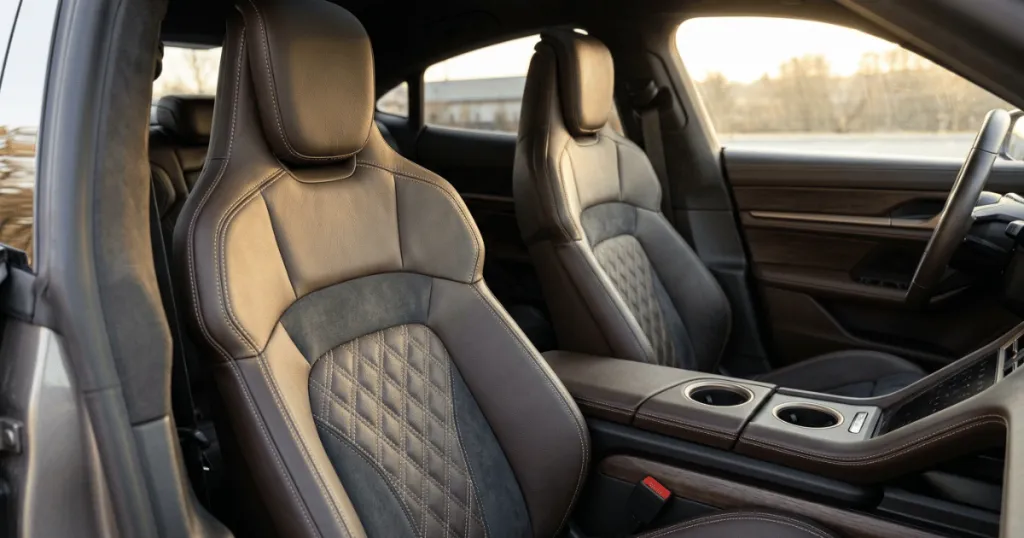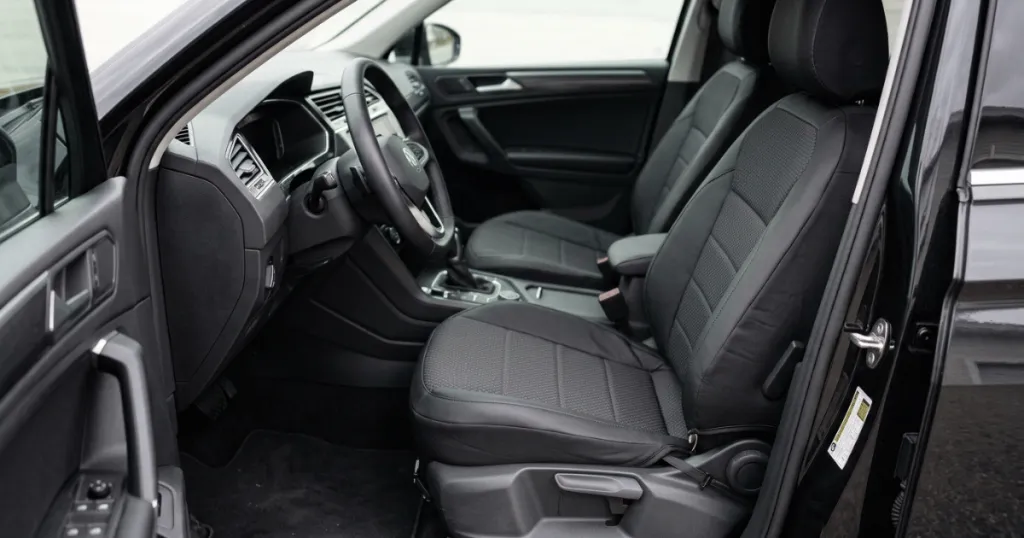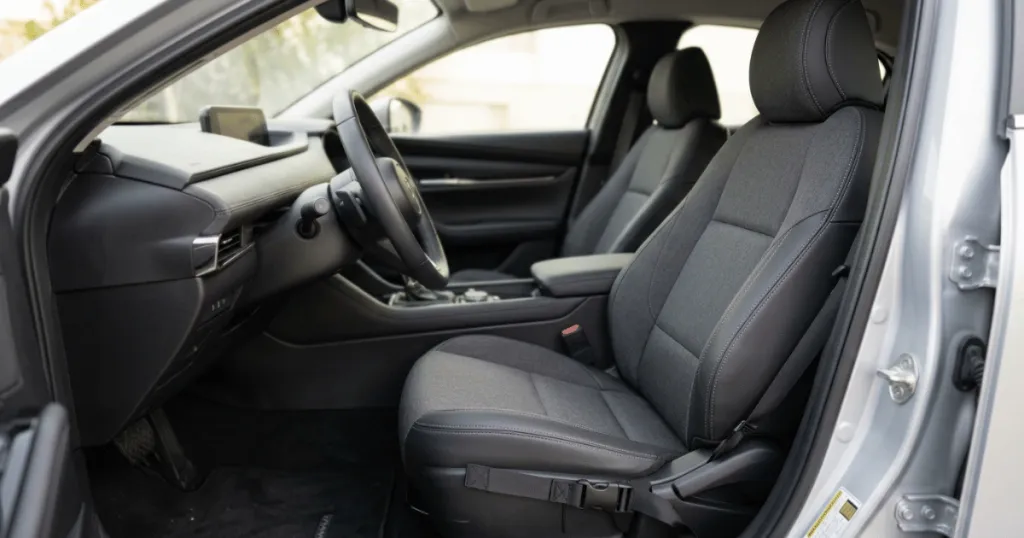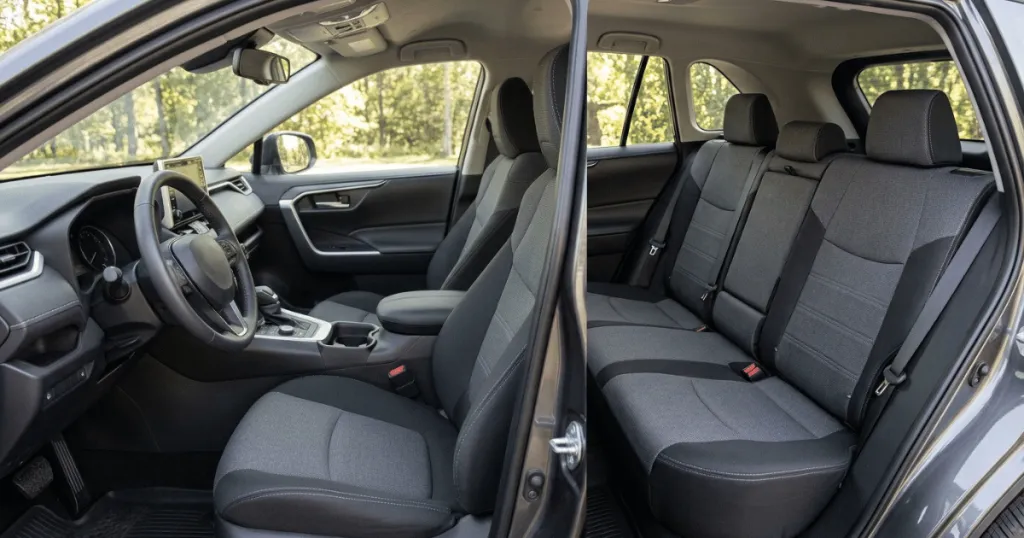
A seat back cover serves as a dedicated protective layer for the rear portion of your vehicle’s front seats. Unlike full seat covers that encapsulate the entire cushion, these panels focus specifically on the area most vulnerable to kicks, scuffs, and spills from passengers in the rear. By shielding the original upholstery from direct contact, you prevent permanent damage to the factory-installed material, which is often difficult to clean or repair once stained or torn.
In practice, installing a seat back cover is a straightforward way to preserve the long-term value of your vehicle’s interior. Whether you are dealing with active children, pets, or frequent cargo loading, these covers act as a barrier against the daily friction that leads to premature wear. This approach allows you to maintain the aesthetic integrity of your seats without needing to replace or reupholster them later.
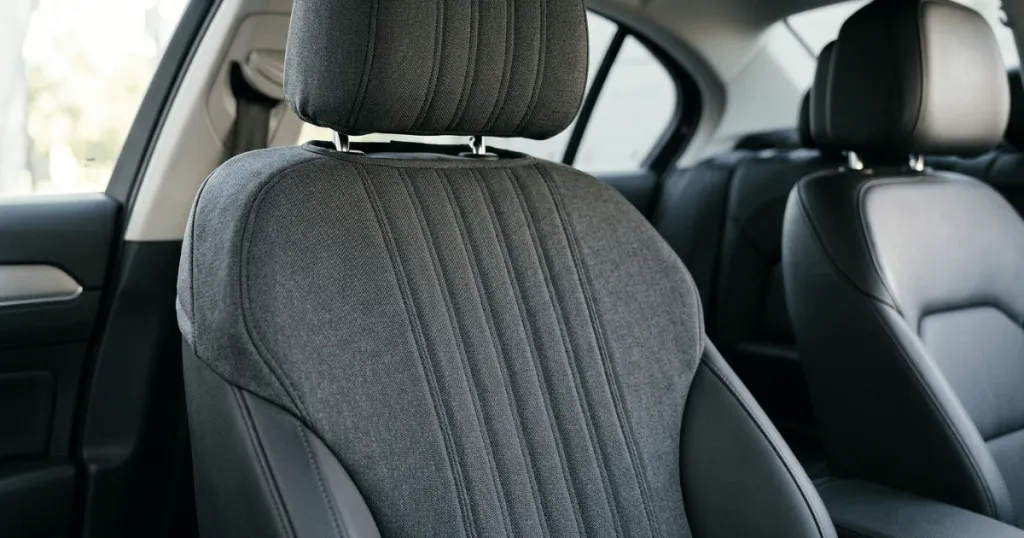
Factors Influencing Your Choice of Seat Back Covers
Selecting the right panel depends heavily on how your vehicle is used and the specific layout of your front seats. Not all covers are designed for every seat shape, and prioritizing the wrong feature can lead to a poor fit or inadequate coverage.
Material Durability and Texture
The material you choose should align with your primary usage scenario. Heavy-duty canvas or high-denier polyester provides excellent resistance against sharp objects like pet claws or heavy gear. These materials are generally rigid and hold their shape well, ensuring the cover stays flush against the seat back. Conversely, synthetic leather or vinyl options offer a smoother surface that is easier to wipe down if you frequently deal with mud or liquid spills. Consider the texture in relation to your interior aesthetics; a matte finish often blends better with modern vehicle interiors, while textured fabrics can hide minor surface imperfections better than glossy vinyl.
Attachment Systems and Fitment
The method used to secure the cover to the seat back dictates its stability. Most designs utilize a combination of elastic straps, hooks, or buckles that wrap around the seat frame. A secure attachment is vital; if the cover is loose, it can shift during entry and exit, leading to frustration and potential abrasion of the seat material underneath. Always check the clearance around your seat’s plastic trim and headrest posts to ensure the attachment points do not interfere with existing features. When evaluating seat back fitment, look for adjustable tensioners that allow you to pull the material taut, preventing the sagging that often occurs with lower-quality, one-size-fits-all solutions.
Real-World Context for Daily Usage
Different driving environments require different levels of protection. Evaluating how your specific daily habits affect the rear of your front seats helps you identify which cover style provides the most effective defense for your interior.
Managing High-Traffic Passenger Areas
If you regularly transport children in rear-facing or forward-facing child seats, the lower portion of the front seat back is a constant target for muddy shoes and accidental spills. A seat back cover designed with a kick-mat style extension is particularly effective here. These extended versions reach further down the seat, covering the area where small feet are most likely to strike, keeping the original upholstery shielded from the wear and tear common in family vehicles. This form of interior protection is essential for parents who want to avoid the deep cleaning required to remove embedded dirt from factory upholstery.
Pet and Cargo Considerations
For pet owners, the main concern is often hair accumulation and claw damage. A seat back cover made from a non-slip, tightly woven fabric prevents pet hair from embedding into the seat’s fibers. If you frequently fold down your rear seats to load cargo, having a protective cover on the back of the front seats provides a buffer against heavy items that might otherwise scrape or puncture the seat back as you slide them into the cabin. In this context, seat back protection functions as a durable shield that absorbs the force of shifting loads, preserving the underlying seat back panel from permanent cosmetic damage.
Protecting Your Interior Investment
The primary reason to utilize a seat back cover is the prevention of irreversible damage to your vehicle’s factory finish. Replacing a seat back panel, especially in modern vehicles with integrated electronics or complex trim, is often a costly and labor-intensive process. By installing a protective layer, you essentially treat the cover as a consumable item that can be removed, cleaned, or replaced, while the seat underneath remains in showroom condition.
Beyond simple protection, these covers also contribute to a cleaner cabin environment. Because they are designed to be easily removed, you can shake off debris or vacuum them outside the vehicle, which is significantly more efficient than trying to clean dirt out of the seams and fabric of the actual seat. This proactive maintenance routine keeps the interior looking fresh and helps maintain the vehicle’s resale value over time. Consistent vehicle interior care, supported by these covers, ensures that the high-touch areas of the cabin remain free from the signs of daily wear and tear.
Considerations for Seat Back Coverage
A frequent error is assuming that all universal-fit covers will work on any seat type. In reality, the contour of your seat back, whether it is flat, heavily bolstered, or features integrated headrests, greatly affects how well a cover will sit. A cover that is too small will leave exposed areas, while one that is too large will bunch up and look untidy. Always measure the width and height of your seat back before selecting a product to ensure the protective barrier covers the intended surface area without impeding seat adjustments.
Another common mistake is ignoring the importance of material breathability. While waterproof materials are excellent for liquid spills, they can trap heat and moisture if the seat back has integrated ventilation or heating elements. If your vehicle features high-tech seating, ensure the cover material is compatible with the seat’s design to avoid trapping moisture against the upholstery, which can lead to mildew or material degradation over time. Always prioritize a fit that respects the original design of your seat back cover area.
Installation Best Practices for Longevity
Taking the time to install your cover correctly ensures it remains stable and effective over the long term. Before applying any cover, thoroughly vacuum the seat back to remove grit that could act as an abrasive under the cover. When securing straps, ensure they are not pulled so tight that they distort the seat’s foam or plastic backing. If your vehicle has seat-back pockets, ensure the cover does not permanently deform the pocket opening.
Periodically checking the attachment points ensures that the cover remains taut, which prevents the material from rubbing against the seat and causing premature wear on the original upholstery. By treating the installation as a precise adjustment rather than a quick fix, you ensure the cover remains a functional, unobtrusive part of your vehicle’s interior.
FAQ
Can I use a seat back cover if my seats have integrated headrests?
Yes, but you must look for specific designs that accommodate non-removable headrests. Many standard covers require the headrest to be removed for installation, so choosing a model with side-opening straps or a wrap-around design is necessary for a proper seat back cover fit.
How often should I remove the cover to clean the seat underneath?
It is good practice to remove your seat back cover every few months to inspect the upholstery underneath and vacuum away any fine dust or grit that may have worked its way behind the protective layer.
Will a seat back cover interfere with seat-mounted pockets?
Many aftermarket covers are designed to be compatible with factory seat-back pockets, often featuring their own storage pouches. However, you should verify that the cover’s attachment points do not obstruct access to your specific seat’s storage features.