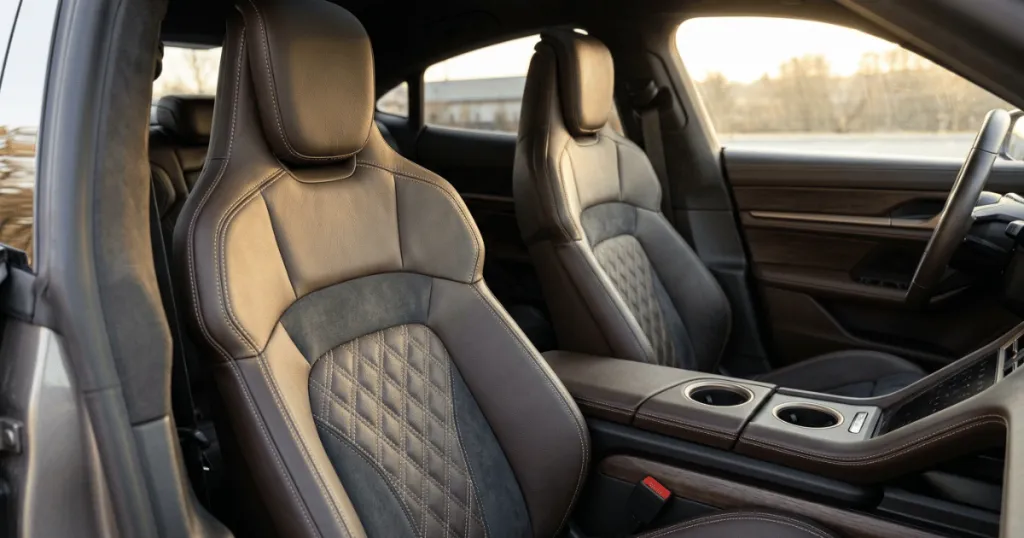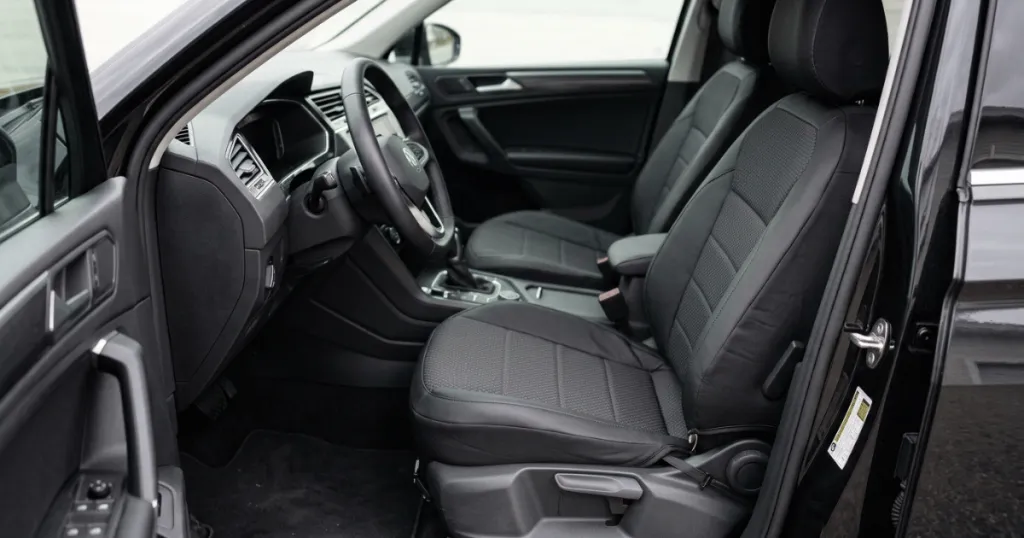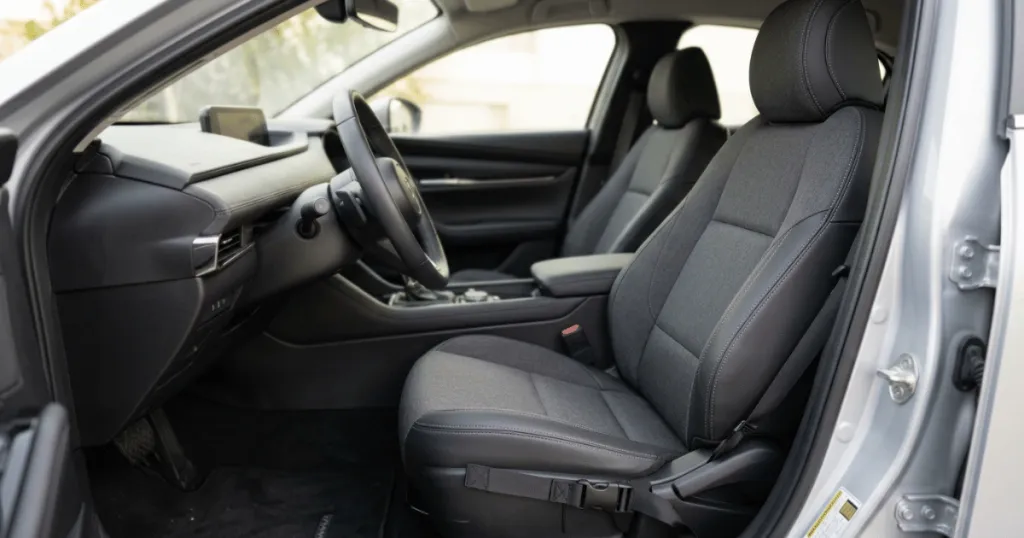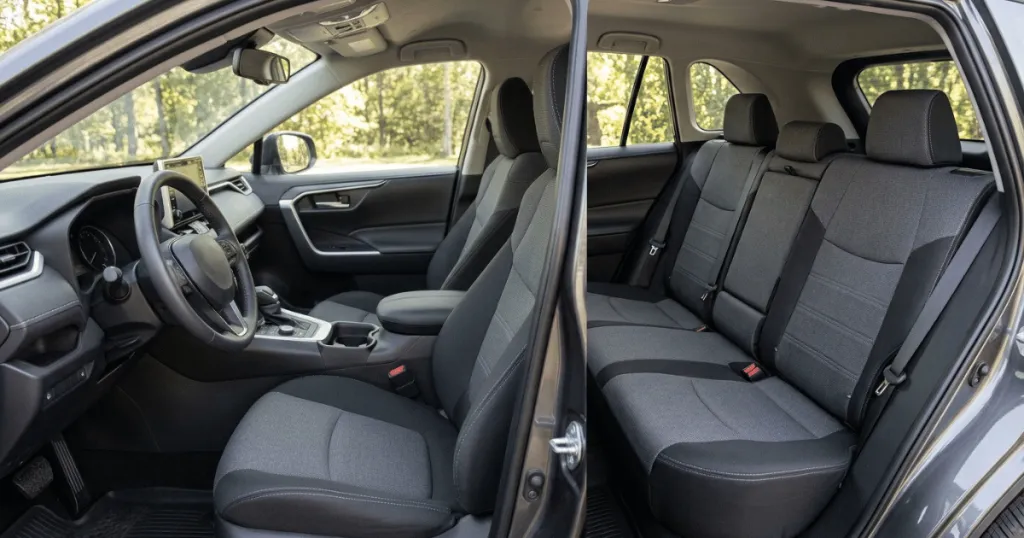
A headrest cover is often the most overlooked component of a vehicle’s interior protection strategy, yet it occupies the highest point of contact for passengers. Because these surfaces frequently encounter hair oils, styling products, and direct sunlight, they are prone to premature aging, cracking, or discoloration compared to the rest of the seat. Adding a dedicated layer of protection here helps maintain the original upholstery’s integrity while offering a simple way to refresh the look of your cabin.
In practice, installing a headrest cover provides a removable shield that is significantly easier to clean or replace than the factory-stitched material underneath. Whether you are dealing with a high-traffic family vehicle or a daily commuter, these covers serve as a functional buffer against the daily environmental factors that degrade automotive interiors over time.
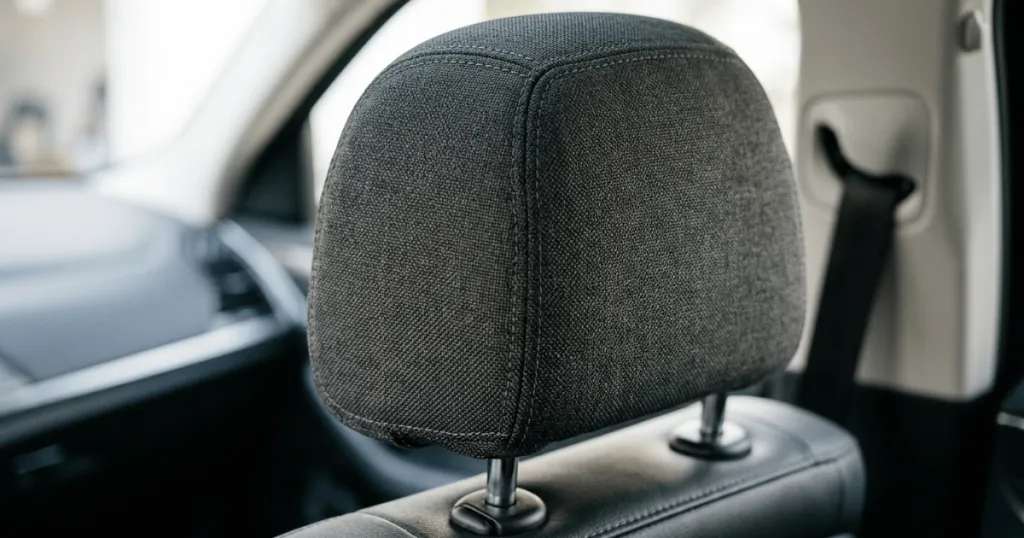
Factors Influencing Your Choice of Headrest Covers
When evaluating options for your vehicle, the primary considerations revolve around material durability, fitment precision, and the specific environmental stressors your car faces. A headrest cover is not a one-size-fits-all accessory, as the dimensions and adjustment mechanisms vary significantly between vehicle makes and models.
Material Selection for Daily Use
Choosing the right material depends heavily on your usage patterns. Neoprene is a popular choice for its water-resistant properties and soft, cushioned feel, making it ideal for active lifestyles or those who frequently encounter moisture. For a more refined look, faux leather or polyurethane options offer a sleek, wipeable surface that mimics the appearance of premium factory leather while resisting the absorption of oils and sweat.
Canvas and heavy-duty fabric covers serve as excellent alternatives for those prioritizing ruggedness. These materials are typically more resistant to snags and tears, which is beneficial if you carry cargo or passengers who may have items that could scratch the headrest surface. Each material reacts differently to UV exposure, so consider the level of tinting in your windows when selecting a finish.
Fitment and Installation Considerations
The effectiveness of a headrest cover is largely determined by its fit. A loose-fitting cover can shift during use, leading to bunching that feels uncomfortable and looks unkempt. Look for designs that feature elasticized hems or hook-and-loop fasteners, which allow for a snug, contoured fit that stays in place even when passengers adjust their seating position.
Before selecting a cover, examine the shape of your headrest. Some vehicles feature integrated headrests that are part of the seat back, while others use adjustable, removable posts. A cover designed for a standard rectangular headrest will not function correctly on a tapered or oversized sport-style headrest. Always verify the physical dimensions of your headrest rather than relying on generic ‘universal’ labels.
Real-World Context for Interior Maintenance
In daily operation, the headrest is subjected to unique pressures that other parts of the seat do not face. Recognizing these specific environmental stressors provides a clear rationale for using a protective cover.
Managing Hair Oils and Styling Products
The most common cause of premature fabric staining or leather degradation on headrests is the transfer of hair oils and styling gels. Over time, these substances penetrate the porous surface of factory materials, leading to permanent discoloration that is difficult to remove without harsh chemicals. A removable, washable headrest cover acts as a filter, capturing these residues before they reach the seat material.
Mitigating UV Damage and Heat
Because headrests are positioned near the top of the window line, they receive the most direct sunlight throughout the day. This constant UV exposure can cause materials to become brittle, fade, or crack, especially in warmer climates. Using a cover with UV-resistant properties adds an extra layer of defense, effectively extending the lifespan of the underlying upholstery by shielding it from the harshest rays.
The Importance of Preserving Upper Seat Surfaces
Many vehicle owners focus their attention on the main seat cushion and backrest, assuming these areas receive the most wear. However, the headrest is arguably the most visible part of the seat and the most difficult to repair if the material becomes damaged. Reupholstering a single headrest can be surprisingly costly, often requiring professional labor to match the existing stitching and material texture of the entire seat set.
By installing a headrest cover early, you effectively ‘lock in’ the condition of the factory material. This is particularly important for those who intend to maintain the resale value of their vehicle. A pristine interior, free from the common headrest stains and sun-bleaching, contributes significantly to the overall impression of a well-maintained car. It is a low-effort, high-impact maintenance step that prevents the need for more expensive cosmetic repairs down the line.
Clarifying Myths Regarding Headrest Care
A frequent error is the assumption that leather or high-quality synthetic seats do not need protection because they are ‘durable.’ While these materials are robust, they are not immune to the long-term chemical breakdown caused by constant contact with skin and hair products. Even high-end leather requires regular cleaning and conditioning, and a cover can reduce the frequency of these intensive maintenance sessions.
Another misunderstanding is that all covers are equally breathable. Some synthetic materials may trap heat, which can be uncomfortable during long drives in hot weather. If you prioritize comfort, look for breathable fabrics or mesh-backed options that allow for airflow. A quality headrest cover should enhance your driving experience, not detract from it by creating an uncomfortable surface temperature.
Strategic Considerations for Long-Term Interior Care
When integrating headrest covers into your broader interior protection plan, consider the relationship between the cover and the rest of your seat upholstery. If you have full seat covers, matching the headrest cover material is often the most visually cohesive approach. However, if you are using headrest covers as a standalone solution, you have the flexibility to choose materials that contrast or complement your existing cabin aesthetics. For instance, a dark, textured canvas cover can add a rugged, utilitarian look to a standard commuter vehicle, while a smooth, color-matched faux leather cover can blend seamlessly into a luxury interior.
It is also important to consider the frequency of maintenance. Unlike floor mats, which are cleaned regularly, headrests are often ignored until a stain becomes visible. By adopting a routine of removing and cleaning your headrest covers every few months, you prevent the buildup of oils that eventually lead to permanent material degradation. This proactive approach is far more effective than attempting to deep-clean factory upholstery after years of neglect.
Finally, be mindful of the physical interaction between the cover and the headrest adjustment mechanism. Some covers may interfere with the buttons or levers used to raise or lower the headrest. When installing, ensure that the cover does not obstruct these controls. If the cover is too bulky, it may prevent the headrest from locking into its lowest position. A well-designed cover will account for these mechanical constraints, providing protection without compromising the functionality of your seat adjustment features.
Ultimately, a headrest cover is a practical investment in the longevity of your vehicle’s interior. By selecting a material that suits your climate and usage, and ensuring a proper, secure fit, you can keep your seats looking new for years. Whether you are protecting against daily wear or simply refreshing the aesthetic of your cabin, this simple addition remains one of the most effective ways to preserve your vehicle’s upholstery.
FAQ
Can I wash my headrest cover in a standard washing machine?
Most fabric and neoprene headrest cover options are machine-washable, but you should always check the manufacturer’s care instructions. Faux leather or vinyl covers generally require a damp cloth wipe-down rather than machine washing to prevent damage to the material finish.
Do I need to remove my headrests to install the covers?
For most vehicles, you do not need to fully remove the headrests. However, some covers with complex fastening systems or tight elastic bands are easier to install if you temporarily slide the headrest up or remove it entirely to ensure the cover is centered and secure.
Will a headrest cover affect the comfort of my seat?
A properly fitted headrest cover should not negatively impact comfort. If you choose a material that is too thick or non-breathable, you may notice a difference in temperature. Opting for high-quality, breathable fabrics ensures the cover remains comfortable during extended use.