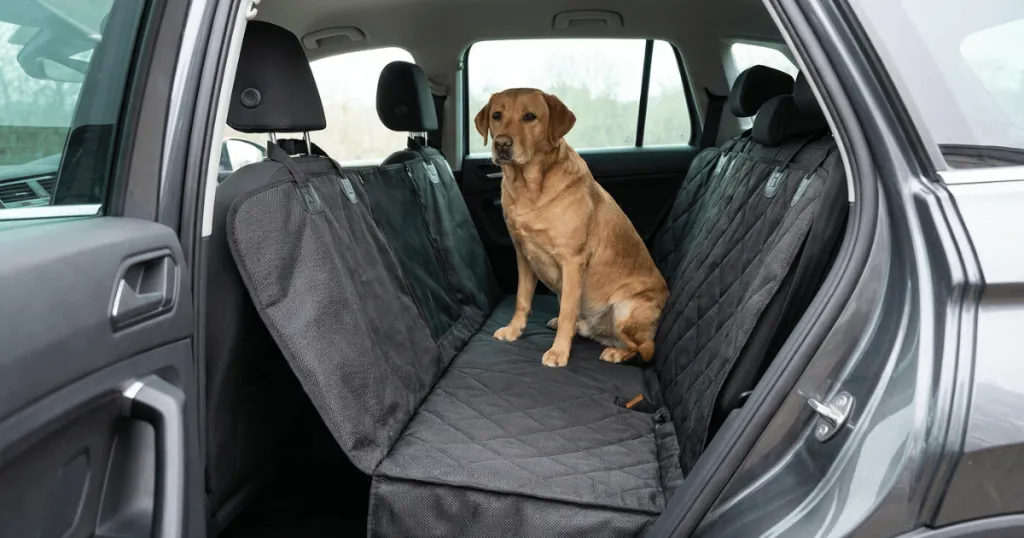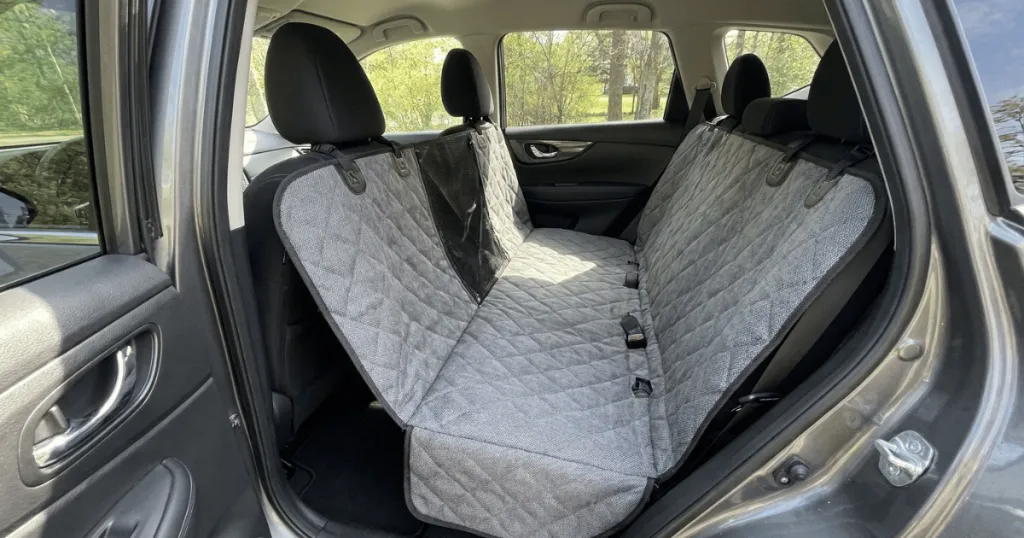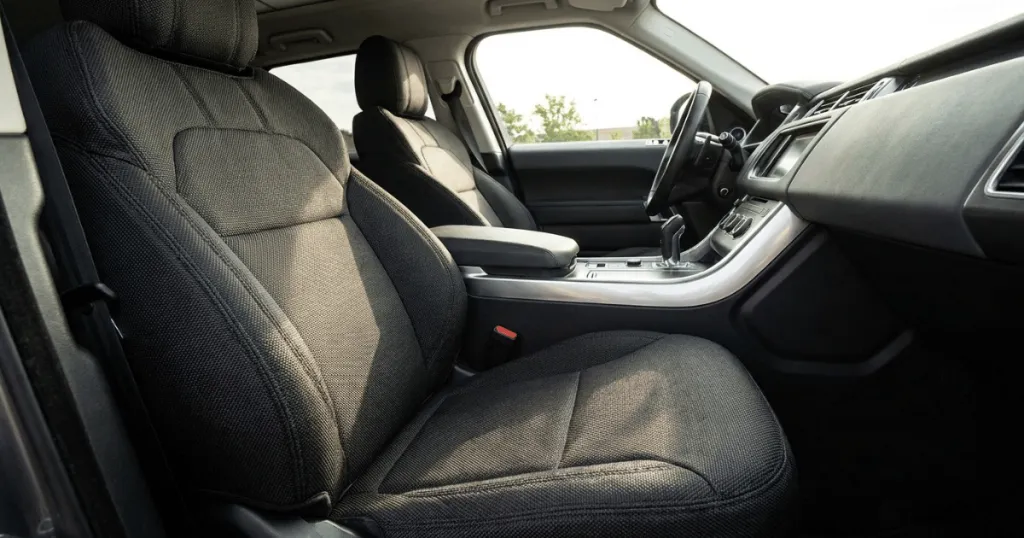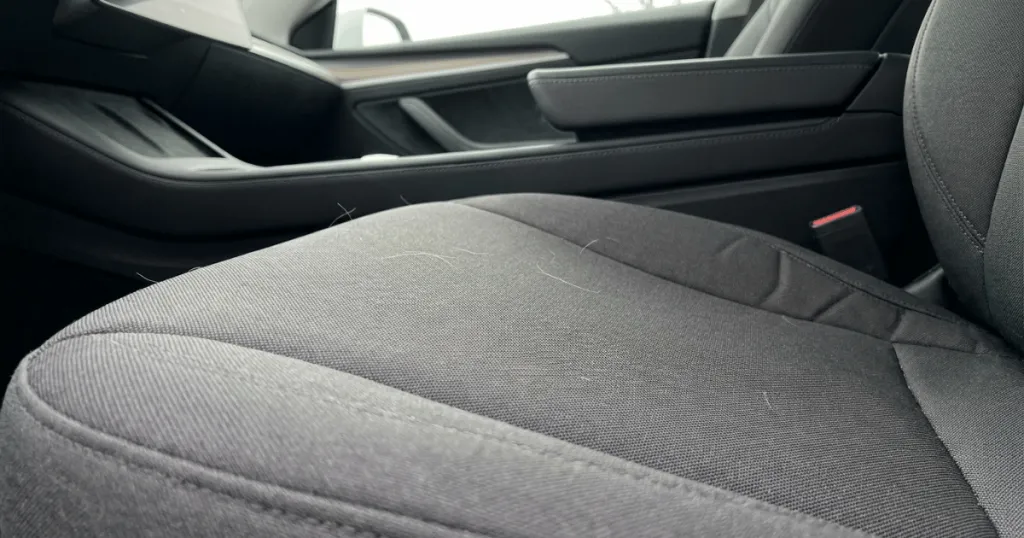
Traveling with pets often introduces unique challenges for vehicle upholstery, particularly when dealing with sharp claws and shedding fur. A cat car seat cover acts as a dedicated barrier between your pet and the factory-installed fabric or leather, effectively preserving the condition of your seats during routine trips to the veterinarian or longer road excursions.
Selecting the right protection involves evaluating how your cat interacts with the vehicle environment. Because cats may feel anxious or restless in a moving car, the ideal cover must balance durability with a texture that does not cause unnecessary stress. By focusing on specific materials and secure attachment methods, you can create a stable, clean space that keeps your vehicle interior in excellent condition regardless of how often your feline companion travels.
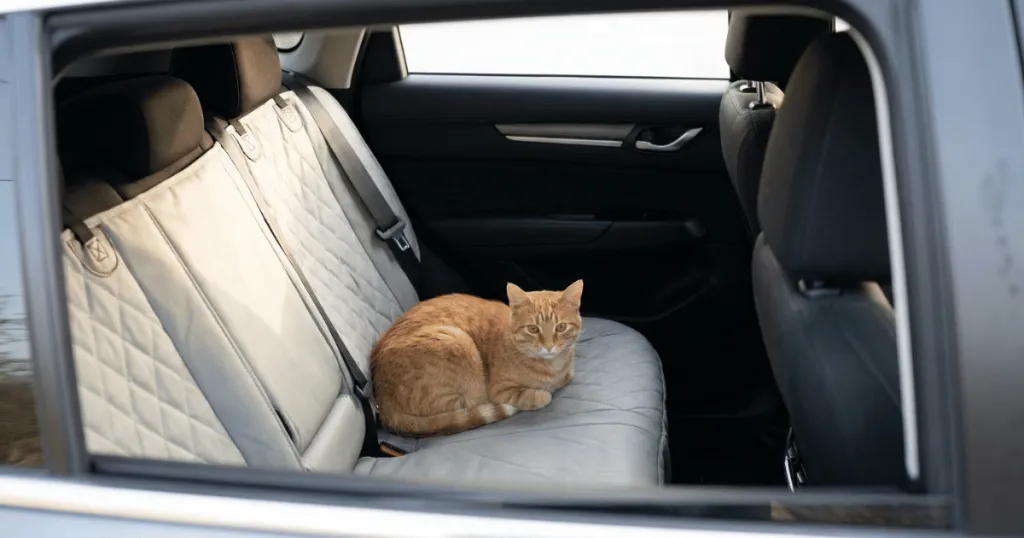
Selecting Materials for Your Cat Car Seat Cover
The material you choose for your cat car seat cover determines both the longevity of the protection and the ease of cleaning after a trip. Since feline claws are naturally sharp, the surface must resist punctures and snagging while remaining comfortable enough for the animal to sit or lay down.
Heavy-Duty Canvas and Polyester
Canvas and high-denier polyester are often the primary choices for pet owners due to their tight weave and resistance to tearing. These materials are generally thick enough to prevent claws from reaching the underlying upholstery, even if the cat attempts to knead the fabric. In practice, these covers are highly effective at trapping fur on the surface, which can then be easily removed with a vacuum or a lint roller.
Water-Resistant Synthetic Blends
Many owners opt for synthetic blends that feature a water-resistant coating. This is particularly useful if your cat is prone to motion sickness or if you are traveling in wet, muddy conditions. These materials do not absorb liquids, meaning that spills or accidents remain on the surface until you can wipe them away. This prevents odors from seeping into the seat foam, which is a common issue with porous, untreated fabric.
Non-Slip Backing and Texture
A critical, often overlooked feature is the underside of the cover. A cat car seat cover should include a non-slip backing, such as rubberized mesh or silicone dots, to prevent the cover from sliding around as the vehicle turns. If the cover shifts, it creates an unstable surface that may cause your cat to dig their claws in for balance, which ironically increases the risk of damage to the seat beneath.
Real-World Scenarios for Pet Travel
The way you use your vehicle dictates the type of coverage required. A quick trip to the clinic requires different considerations than a cross-country move with a cat in a carrier or a harness.
Managing Shedding and Dander
If you travel with your cat frequently, shedding becomes an inevitable part of vehicle maintenance. A cover with a smooth, tightly woven surface is significantly easier to clean than one with a plush or fuzzy texture that traps hair deep within the fibers. For heavy shedding, look for a cover that can be removed and shaken out outside the vehicle, or one that is machine washable, as this saves significant time compared to manual scrubbing.
Protecting Against Sharp Claws
Cats often knead surfaces when they feel nervous, which can quickly ruin standard upholstery. If your cat is a frequent kneader, prioritize a multi-layered cover that includes a quilted or padded middle layer. This extra cushioning provides a buffer that absorbs the pressure of the claws, preventing them from piercing through to the seat material. Avoid loose-fitting covers in these scenarios, as the slack fabric can bunch up and become a target for scratching.
Securing the Space for Carriers
When using a cat carrier, the weight of the crate can create indentations in soft leather or fabric seats over time. A sturdy, flat-surfaced cat car seat cover acts as a protective layer that distributes the weight of the carrier more evenly across the seat base. This simple addition prevents the hard plastic edges of a carrier from leaving permanent marks or tears in your vehicle’s upholstery during transport.
Why Proper Fit and Maintenance Matter
The effectiveness of any protective cover relies heavily on how well it is secured to the seat. A loose cover provides a false sense of security, as it can bunch up and expose the original seat material to dirt, fur, and claw damage. Keeping the fabric pulled tight and utilizing all available attachment points is the most effective way to prevent premature wear on your upholstery.
Beyond installation, regular maintenance of the cover itself is essential. If you allow fur and debris to build up for months, the abrasive nature of trapped dirt can eventually wear down the surface of the cover, potentially allowing particles to migrate through to the seat. A quick inspection and cleaning after each trip ensures that the cover remains a reliable barrier. If you notice a tear or a loose strap, address it immediately rather than waiting for it to widen, as structural integrity is what keeps your vehicle interior safe from pet-related wear.
Perspectives on Pet-Focused Seat Protection
Many owners believe that thicker, heavier materials are always the most durable, but this is not always the case. Extremely stiff, heavy-duty materials can sometimes be difficult to clean and may not conform to the contours of your car seats, leading to gaps where hair and dirt can fall through. A medium-weight, flexible material that fits snugly against the seat contours is often more effective than a heavy, ill-fitting one.
Another common misunderstanding is that a waterproof cover is always the best choice. While waterproof properties are helpful for accidents, they are often less breathable than canvas or cotton-blend options. If you live in a hot climate, a non-breathable, fully waterproof cover can become uncomfortable for your pet during long trips. Selecting a cover that balances protection with airflow ensures that your cat remains calm and comfortable, which in turn reduces the likelihood of them scratching or pacing during the drive.
Ultimately, a cat car seat cover is a practical investment in the longevity of your vehicle’s interior. By choosing a material that resists claw damage, ensuring a secure fit, and maintaining the surface regularly, you can comfortably transport your pet without compromising the condition of your seats.
Strategic Considerations for Long-Distance Feline Transport
When planning extended travel, the environment within the vehicle becomes as important as the seat protection itself. A cat that is stressed is more likely to pace, scratch, or attempt to burrow into the seat crevices. To mitigate this, consider the tactile experience of the cover. While heavy-duty canvas is excellent for durability, it can be somewhat abrasive. Placing a familiar-smelling blanket or a soft, removable topper over the seat cover can provide a sense of security for the cat, reducing the urge to claw at the protective layer.
Furthermore, consider the layout of your vehicle’s rear seating. If you have a bench seat, a full-width cover is generally superior to individual bucket seat covers because it eliminates the gap between the seats where hair and debris inevitably collect. For vehicles with split-folding seats, look for covers that feature zippered sections. This allows you to maintain protection while still having the flexibility to fold down part of the seat for cargo or to accommodate a larger carrier setup.
Evaluating Attachment Mechanisms for Stability
The hardware used to secure the cover is just as vital as the fabric itself. Look for heavy-duty straps that feature reinforced stitching, especially at the connection points. Adjustable headrest straps are standard, but for a truly secure fit, seek out covers that include seat anchors, small, rigid tubes or foam cylinders that you tuck into the crevice between the seat back and the seat bottom.
These anchors prevent the cover from sliding forward when the cat moves or when you apply the brakes, which keeps the protective barrier firmly in place. Additionally, look for models that include side-flaps to cover the exposed seat bolsters, as these areas are prone to wear when a cat jumps in or out of the vehicle.
Environmental Factors and Climate Control
The climate in which you live significantly impacts the performance of your seat cover. In regions with high humidity, a cover that is not breathable can trap moisture against the seat, potentially leading to mildew issues if the vehicle is left parked for long periods. In these cases, look for technical fabrics that offer moisture-wicking properties. Conversely, in colder climates, you may want to avoid materials that become brittle or stiff at low temperatures, as these can crack or tear under the pressure of a cat’s weight.
Always remember that the goal is to create a neutral, protected environment. By treating the seat cover as a functional tool rather than just an accessory, you can extend the life of your vehicle’s interior while ensuring your pet has a stable, comfortable place to ride. Regular, proactive care is the hallmark of a responsible pet owner, and it pays dividends in the form of a cleaner, better-preserved vehicle interior over the long term.
FAQ
Can a cat car seat cover be used with all types of seats?
Most universal cat car seat cover designs are compatible with standard bucket and bench seats, but you should check the dimensions of your specific seat, especially if you have headrests or unique bolsters.
How do I clean a cat car seat cover effectively?
Most covers can be vacuumed or wiped down with a damp cloth. If the material is machine-washable, follow the manufacturer’s care instructions, but avoid harsh chemicals that might irritate your cat’s paws.
Will a seat cover prevent all claw damage?
While a high-quality cat car seat cover provides a significant protective barrier, it is not indestructible. It is most effective when combined with regular nail trimming for your pet and ensuring the cover is installed tightly to prevent bunching.