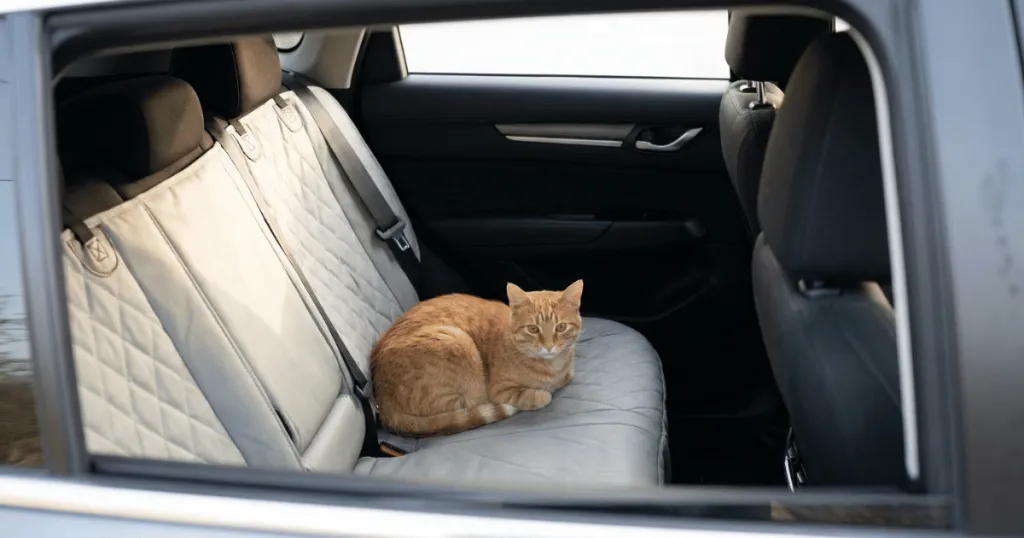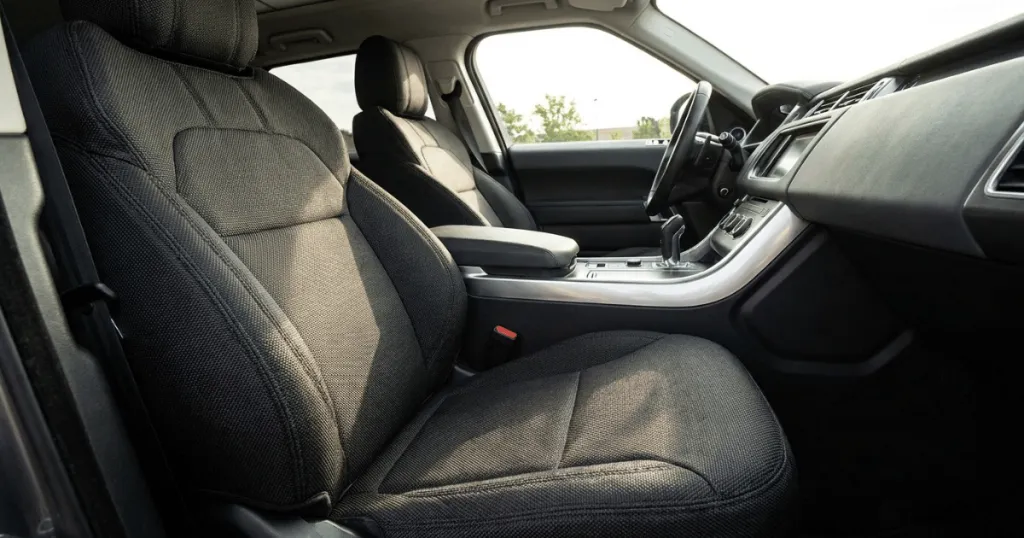
When you pick up a vehicle from a rental agency, the interior condition can vary significantly. For travelers who prioritize cleanliness or are transporting pets, children, or outdoor gear, a rental car seat cover serves as a practical barrier between the vehicle’s upholstery and potential messes. Using a temporary cover allows you to enjoy your trip without worrying about permanent stains, odors, or debris that might lead to unexpected cleaning fees upon return.
Implementing a rental car seat cover requires a balance between protection and ease of installation. Because you are working with a vehicle you do not own, the focus must remain on non-destructive methods that provide adequate coverage while keeping the seating surface comfortable for the duration of your trip. This guide explores the essential considerations for selecting and installing these covers to ensure your travel experience remains stress-free.
Factors Influencing Your Choice of Protection
Selecting the right cover for a temporary vehicle involves assessing the specific risks associated with your trip. Whether you are dealing with sand from a beach excursion or mud from a hiking trail, the material and design of your cover will dictate how well it performs under pressure.
Material Durability and Texture
Neoprene is a popular choice for temporary use because it offers a high degree of water resistance and is relatively easy to fold and pack in luggage. Its rubber-like texture provides excellent grip, which prevents the cover from sliding around on the rental car’s factory upholstery. Conversely, heavy-duty canvas covers offer superior protection against sharp objects like hiking gear or pet claws, though they can be bulky to transport and may feel less comfortable during long drives.
Design and Attachment Mechanisms
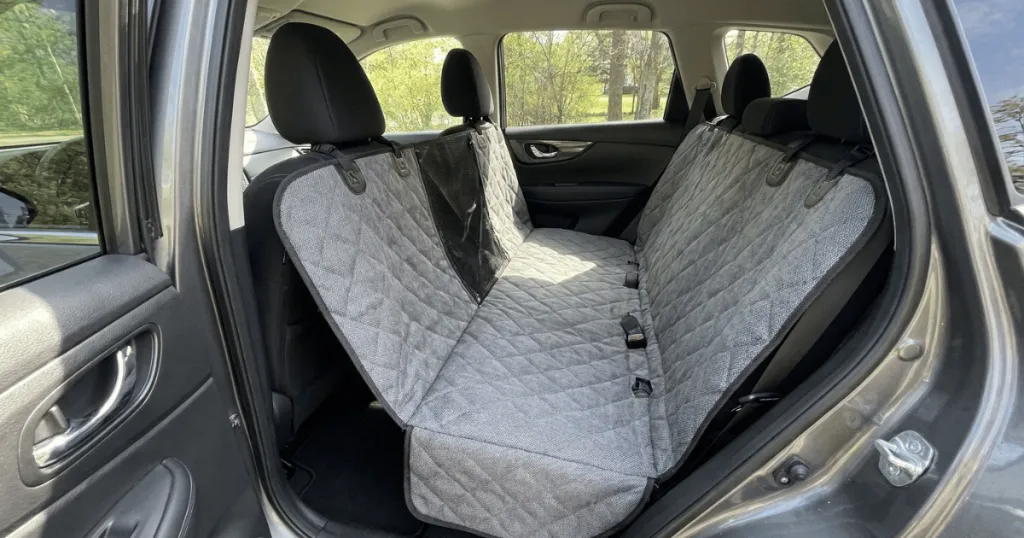
Since you cannot modify the rental car, you must rely on universal-fit designs that utilize straps, hooks, or elastic bands. Look for covers that feature a simple headrest-loop attachment, as these are the easiest to install and remove without needing to access the underside of the seat. Avoid designs that require complex threading through seat crevices, as these can be difficult to manage in a vehicle you aren’t familiar with.
Real-World Scenarios for Temporary Seat Protection
The need for a rental car seat cover often arises from specific travel situations where the risk of interior damage is elevated. Adapting your protective setup to these specific environments helps maintain the vehicle’s interior integrity throughout your rental period.
Managing Pet Travel
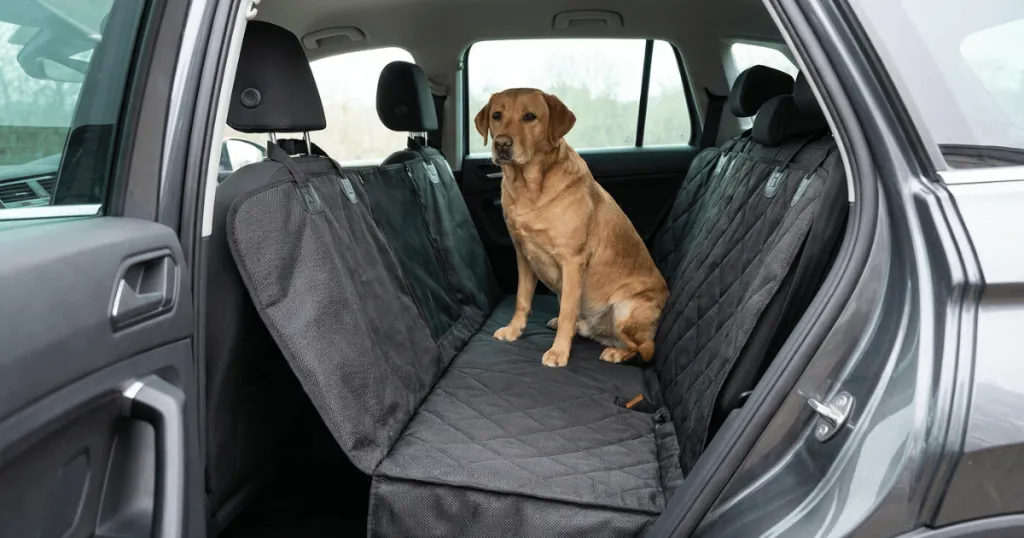
If you are traveling with a pet, a hammock-style cover is often the most effective solution. This design connects to both the front and rear headrests, creating a barrier that prevents your pet from falling into the footwell while also shielding the seat back and bottom from fur and dirt. Ensure the material is machine-washable or easily wiped down, as pet dander and moisture can quickly accumulate during long road trips.
Outdoor and Adventure Trips
For those heading to the beach or mountains, moisture and grit are the primary concerns. Waterproof materials are non-negotiable here, as they prevent saltwater or mud from soaking into the seat foam. A simple seat-bottom cover, often called a “towel-style” or “slip-on” protector, is usually sufficient for these trips because it covers the area where you are most likely to sit while wearing damp or dirty clothing.
Protecting Your Rental Investment
Using a rental car seat cover effectively is about more than just keeping the seats clean; it is about protecting your deposit and avoiding unnecessary charges. Rental agencies often inspect vehicles for signs of excessive wear or staining, and a proactive approach to interior care can save you from disputes at the return counter.
The most important aspect of this practice is ensuring that the cover does not interfere with the seat’s natural function. Always ensure that the cover is centered and that the straps are tightened just enough to hold the material in place without pulling on the seat’s seams. A loose cover can bunch up, which is not only uncomfortable for the driver but can also cause friction against the factory fabric over long periods.
Finally, remember that the best rental car seat cover is one that you can easily remove and shake out before returning the vehicle. Taking five minutes to clean off loose debris from the cover before you pack it away ensures that you aren’t bringing the mess back into your own luggage or home. By treating the rental vehicle with care, you ensure a smooth return process and a more pleasant driving experience throughout your trip.
Evaluating Different Approaches to Temporary Seat Protection
Many travelers assume that any piece of fabric, such as a bedsheet or a standard towel, serves as an adequate substitute for a dedicated rental car seat cover. While these items provide a temporary barrier, they often lack the necessary friction to stay in place, leading to a constant need for readjustment. A dedicated cover is designed with non-slip backing or specific anchor points that keep it stationary, which is a significant advantage when you are focused on driving.
Another common mistake is assuming that all waterproof covers are equally breathable. If you are planning a long-distance drive, a completely non-breathable plastic or heavy rubber cover can lead to discomfort, as it traps body heat and moisture against your back. Choosing a cover that balances water resistance with a degree of breathability or using a fabric-topped waterproof cover can significantly improve your comfort levels during extended time behind the wheel.
Logistics of Using Covers in Rental Fleets
When you are on the road, the logistics of managing a temporary cover can become a chore if you aren’t prepared. Consider the weight and packability of your chosen solution. For air travelers, a bulky, rigid cover might take up too much space in a carry-on. Opting for lightweight, foldable materials allows you to store the cover in your luggage without sacrificing protection. Furthermore, consider the color of the cover. Neutral tones like gray or black tend to blend in better with the standard interiors found in most rental fleets, making the installation less conspicuous.
It is also worth noting that some rental vehicles come equipped with unique seat features, such as integrated seat-mounted armrests or specialized lumbar adjustments. Before purchasing a universal-fit cover, check if it has cutouts or flexible sections that accommodate these features. If a cover forces you to disable or obstruct an armrest, you may find yourself sacrificing comfort for the sake of cleanliness, which defeats the purpose of a pleasant rental experience.
Evaluating Long-Term Utility for Frequent Renters
For those who rent vehicles frequently for business or leisure, investing in a high-quality, reusable cover is a smart move. Unlike disposable plastic covers, which are thin and prone to tearing, a durable, reusable cover can last for years. When evaluating these products, look for reinforced stitching and high-quality buckles. These components are the first to fail under the stress of repeated installation and removal. By choosing a product built for longevity, you reduce the environmental impact of your travel habits and ensure that you always have a reliable solution ready for your next trip.
Addressing Common Concerns: FAQ
Can I use a rental car seat cover in any vehicle?
Most rental car seat covers are designed as universal-fit products, meaning they use adjustable straps and elastic to attach to standard bucket seats. However, they may not fit perfectly on vehicles with unique seat shapes, such as integrated headrests or heavily bolstered sport seats.
Will a seat cover damage the rental car’s upholstery?
When installed correctly, a high-quality rental car seat cover should not damage the factory upholstery. Avoid covers with abrasive undersides or metal hardware that could scratch leather or snag fabric. Always check that the cover is clean before installation to prevent dirt from being ground into the seat.
How do I clean a rental car seat cover after my trip?
Most synthetic and neoprene covers can be wiped down with a damp cloth or mild soap solution. If the cover is machine-washable, follow the manufacturer’s care instructions, but ensure it is completely dry before folding it for storage to prevent mold or odors.