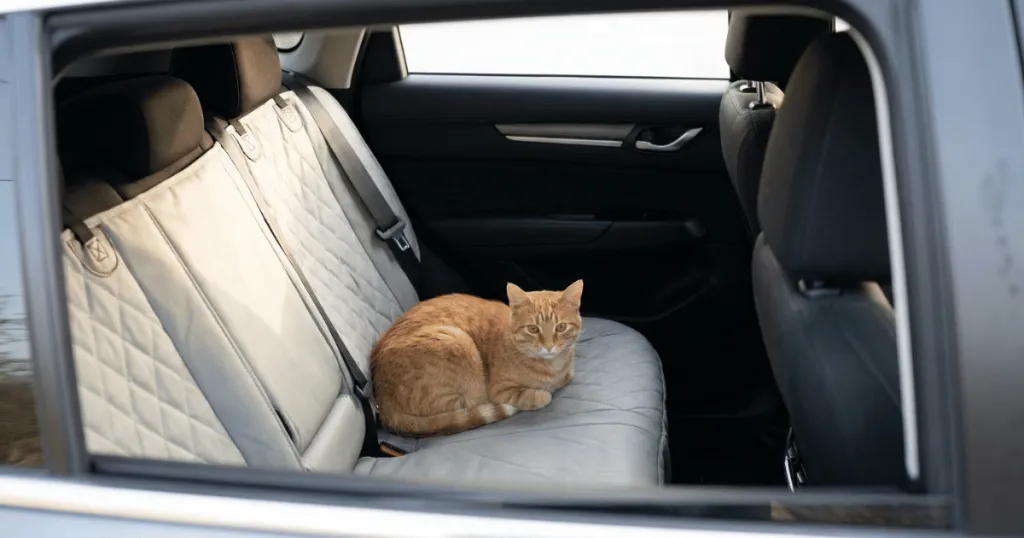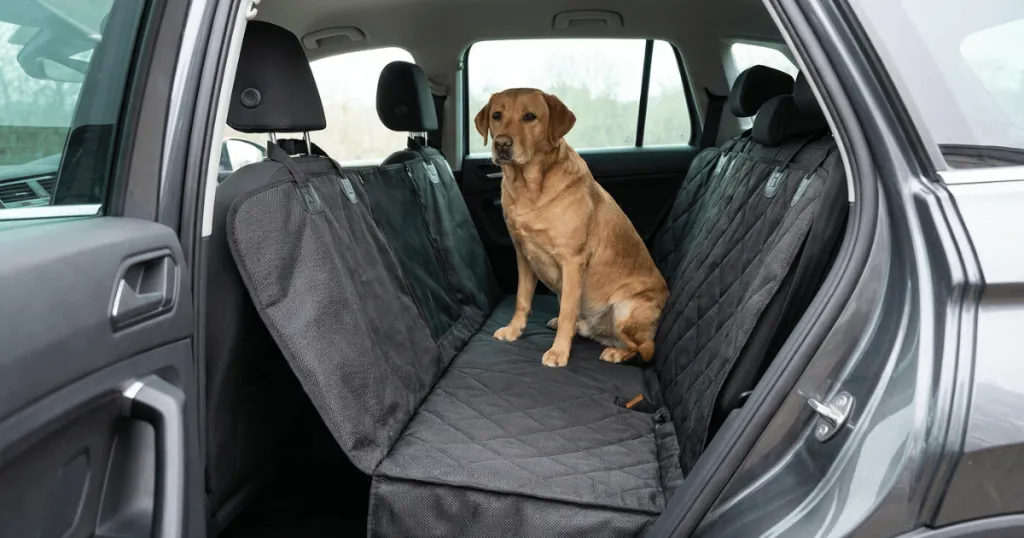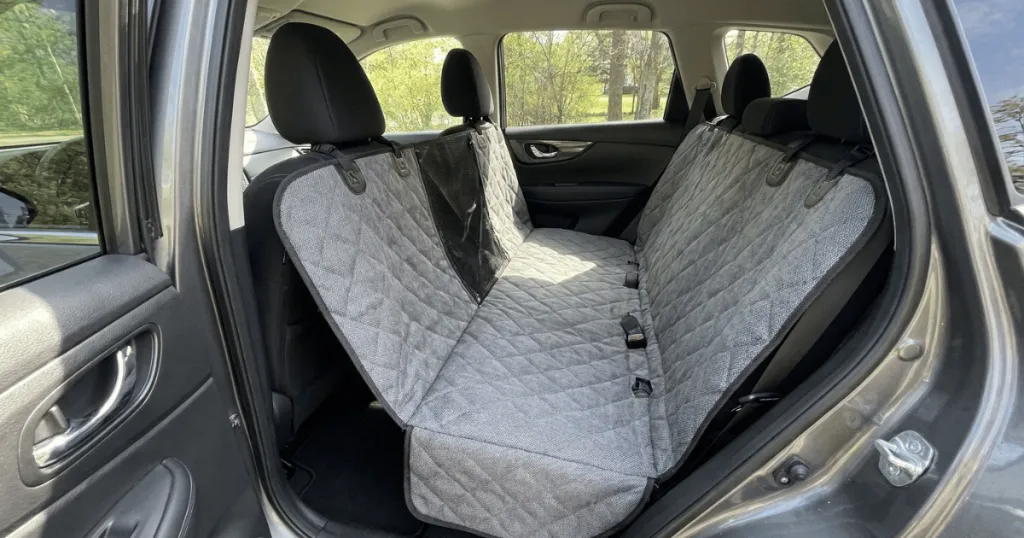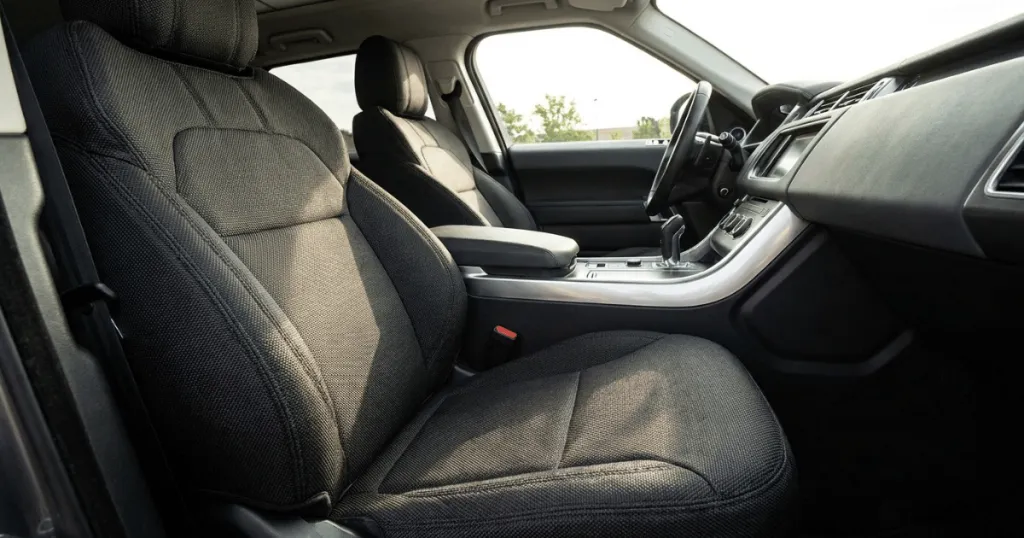
When you head into the wilderness, your vehicle interior often takes the brunt of the journey. Whether you are tracking in mud from a hiking trail, dealing with damp gear, or simply managing the accumulation of dust and pine needles, a camping car seat cover acts as a critical barrier between your factory upholstery and the elements. These covers are designed to handle the specific rigors of outdoor life, prioritizing durability and ease of cleaning over purely aesthetic features.
Choosing the right protection involves understanding how your specific outdoor habits interact with your vehicle’s seating. A setup that works for a dry, desert-based camping trip may not be sufficient for a rainy weekend in the Pacific Northwest. By focusing on material resilience and fit, you can keep your vehicle interior pristine regardless of how much dirt you bring back from the trailhead.
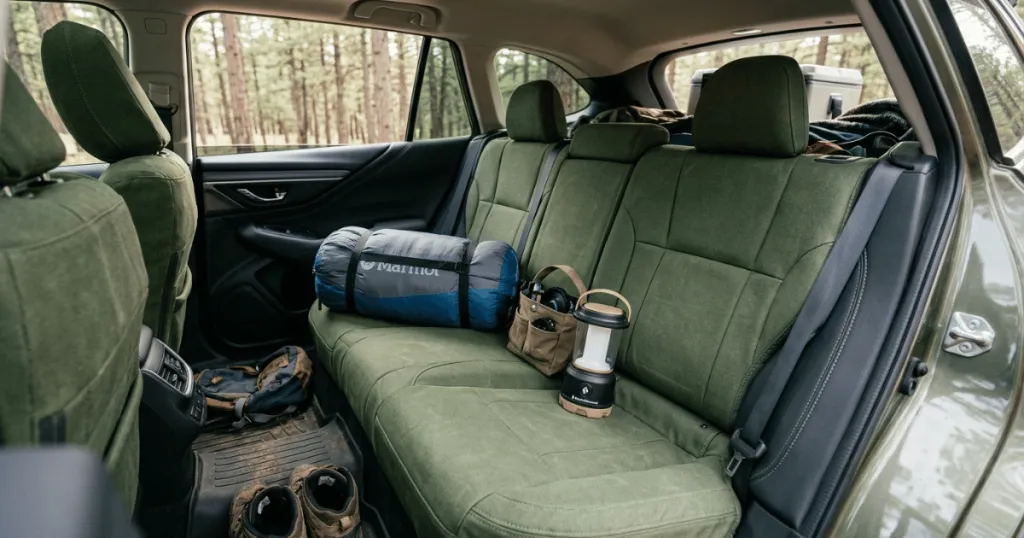
Factors Influencing Your Choice of Protection
The primary function of a camping car seat cover is to prevent permanent damage to your seats. When you spend time outdoors, you are inevitably introducing abrasive particles and moisture into the cabin. The following factors should guide your selection process to ensure the cover actually performs its job.
Material Resilience and Water Resistance
For outdoor use, materials like heavy-duty neoprene or treated canvas are often preferred. Neoprene is naturally water-resistant and provides a cushioned layer that can withstand the weight of heavy gear or sharp equipment. It is particularly useful if you are frequently getting in and out of the car with damp clothing after a rainy hike or a trip to a lake.
Treated canvas, on the other hand, offers superior resistance to tears and punctures, making it an excellent choice for hunters or campers who carry rugged, metal-edged gear. When evaluating these materials, consider the weave density; a tighter weave prevents fine sand and silt from migrating through the fabric and settling into the seat foam, which is a common cause of long-term upholstery degradation.
Ease of Cleaning and Maintenance
Outdoor debris is rarely clean. You will eventually deal with mud, spilled coffee, or organic matter like leaves and twigs. A camping car seat cover should be easy to wipe down or, ideally, removable for a more thorough wash. Look for materials that do not trap fine dust particles in their weave. If the material is too porous, it will hold onto odors and grit, making it difficult to fully clean even after a trip to the laundry. For those who frequent off-road environments, choosing a material with a smooth, non-porous finish allows you to simply shake off dried mud or wipe away spills without needing to remove the entire cover.
Coverage and Fitment
Total coverage is a significant advantage when you are dealing with heavy outdoor use. A cover that only protects the main seating surface may leave the sides or the headrest exposed to mud. Consider covers that extend over the seat back and the lower skirt of the seat. This prevents dirt from migrating into the crevices of the seat mechanism, where it can be nearly impossible to remove without specialized tools.
A tighter fit also prevents the cover from shifting when you slide in and out of the vehicle, which is a common occurrence when wearing bulky outdoor clothing. Snug, secure installation keeps the material anchored, preventing the fabric from sliding against the factory upholstery during long drives on uneven terrain.
Real-World Scenarios for Outdoor Seating Protection
The way you use your vehicle dictates the type of protection you need. Different environments present unique challenges for your upholstery, and recognizing these patterns helps you evaluate whether a specific cover provides the exact level of durability required for your excursions.
Muddy and Wet Environments
If your camping trips frequently involve rain, river crossings, or muddy terrain, moisture management is your top priority. In these scenarios, a waterproof seat cover is essential. If water seeps through the cover, it can create a damp environment against your factory seat, potentially leading to mildew or odors. Ensure that the cover you choose has sealed seams or a backing that prevents liquid from passing through to the seat underneath. In high-humidity climates, you might also look for materials that offer some degree of breathability to prevent the “sticky” feeling often associated with fully waterproof, non-porous synthetic materials.
High-Abrasion Gear and Equipment
Campers who transport heavy equipment, such as climbing gear, firewood, or metal coolers, face a different set of risks. The primary concern here is not just dirt, but physical damage like tears, snags, and compression marks. For these users, a thicker, high-denier fabric is far more effective than a thin, stretchy polyester cover. These heavier fabrics act as a shield, absorbing the impact of gear and preventing sharp edges from digging into the seat foam. This durable seat protection is critical for maintaining the structural integrity of your seats over years of active use.
Protecting Your Vehicle Interior During Extended Trips
Investing in a camping car seat cover is about preserving the long-term value and comfort of your vehicle. When you spend significant time outdoors, the interior of your car is exposed to stressors that don’t exist in a typical commuting environment. By installing a dedicated cover, you are essentially adding a heavy-duty shield that absorbs the daily impact of outdoor debris so your original upholstery remains untouched.
Many owners overlook the fact that dirt and grit act like sandpaper. Every time you sit down, the movement grinds these particles into the fibers of your seat. Over time, this causes the fabric to fray or the leather to crack and lose its finish. A high-quality cover stops this process at the surface. When you return from a trip, you can simply remove the cover or shake it out, ensuring that the abrasive material is removed before it has a chance to grind into the seat fabric. This preventative maintenance is the most effective way to ensure your vehicle remains in top condition despite frequent exposure to the elements.
Furthermore, the psychological benefit of having a protected interior cannot be overstated. When you are not worried about ruining your seats, you can focus more on the experience of your trip. You are less likely to hesitate before loading up muddy boots or damp gear, which makes the entire process of camping more enjoyable and less stressful. This peace of mind is one of the most practical benefits of using a specialized camping car seat cover.
Clarifying Myths About Outdoor Seat Protection
A frequent error is the assumption that any heavy-duty cover is inherently waterproof. Many durable fabrics are designed to resist tears but are not necessarily impervious to liquid. If you are camping in a wet climate, verifying the water-resistance rating or the presence of a waterproof barrier is vital. A cover that absorbs water will eventually soak through, leaving you with a wet seat regardless of the cover’s thickness.
Another misunderstanding involves the idea that thicker materials are always better. While thickness helps with puncture resistance, it can also lead to issues with breathability. If you are camping in a hot, humid environment, a very thick, non-breathable cover can become uncomfortable during long drives. The goal is to find a balance between the durability required for your specific outdoor activities and the comfort needed for the time spent behind the wheel. Always consider the climate of your destination when selecting the material for your camping car seat cover.
Strategic Selection Based on Vehicle Usage
When selecting an off-road seat cover, consider the frequency of your trips. If you are a weekend warrior, a cover that is easy to install and remove might be preferable, allowing you to switch back to your standard interior aesthetic during the work week. Conversely, if your vehicle is primarily used for outdoor excursions, a more permanent, heavy-duty solution that integrates seamlessly with the seat contours will provide better long-term protection.
Pay attention to the seat type, whether you have bucket seats with integrated headrests or standard bench seating, as this dictates the complexity of the installation and the overall effectiveness of the coverage. By matching the cover’s design to your specific vehicle layout, you ensure that the protection remains effective even during the most rugged off-road maneuvers.
FAQ
- Can I leave my camping car seat cover on permanently?
Yes, you can leave a camping car seat cover on permanently, provided it is properly fitted and does not interfere with the seat’s operation. However, it is a good practice to remove and clean it periodically to prevent the buildup of dirt and grit that can eventually work its way through to the seat underneath. - How do I know if a cover is truly waterproof?
Check the manufacturer’s specifications for a waterproof rating or a description of a waterproof backing. Simply being ‘heavy-duty’ or ‘outdoor-ready’ does not guarantee that a material is waterproof; many durable fabrics are only water-resistant and will soak through if exposed to significant moisture. - Will a heavy-duty cover protect against pet claws?
Yes, many high-denier canvas or reinforced synthetic covers are effective at resisting damage from pet claws. If you frequently travel with pets, prioritize materials with high abrasion resistance and a tight weave to prevent claws from snagging the fabric. - Does the color of the seat cover matter for camping?
While color is often a personal preference, darker colors or patterns like camouflage are generally better at hiding dirt, mud, and stains accumulated during outdoor trips. Lighter colors may show debris more readily, requiring more frequent cleaning to maintain a tidy appearance. - How does climate impact my choice of seat cover material?
In hot and dry climates, breathable fabrics are preferable to prevent overheating. In cold, wet, or snowy regions, prioritize waterproof materials with a non-slip backing to ensure the cover stays in place even when you are wearing heavy, damp winter gear.