Short Answer: Seat covers function as a protective, sacrificial barrier that absorbs friction, moisture, and debris, preventing these environmental stressors from reaching and degrading the vehicle’s original factory upholstery.
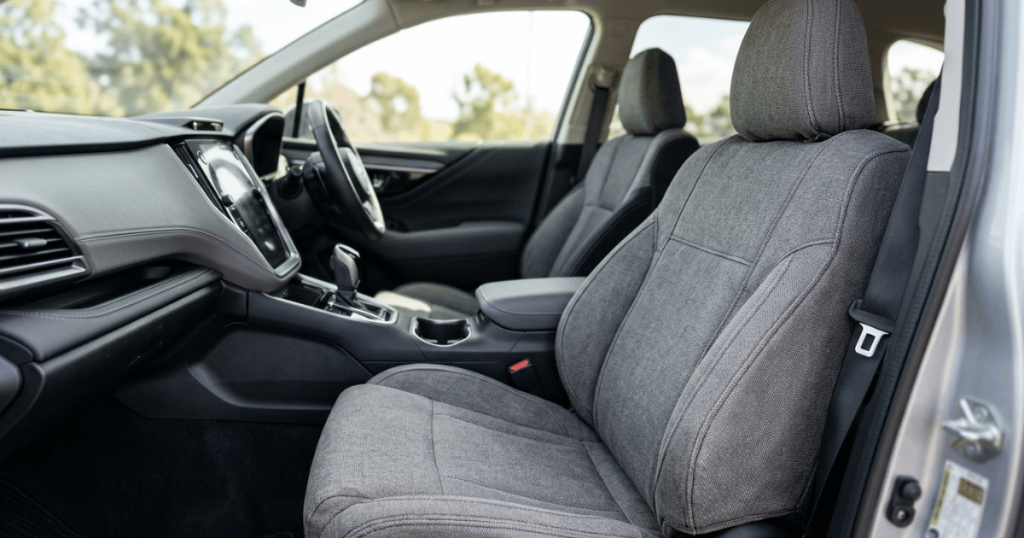
At their most basic level, seat covers are engineered layers of material designed to sit between a vehicle’s original upholstery and the occupants. They function as a durable shield, absorbing the friction, moisture, and debris that would otherwise degrade the factory-installed fabric or leather. By anchoring to the seat frame or wrapping around the cushions, they effectively shift the burden of daily use away from the vehicle’s permanent interior surfaces.
Understanding how seat covers work involves looking at both the physical attachment methods and the material science behind their protective qualities. Whether you are dealing with high-traffic commercial use or simply trying to preserve the condition of a new vehicle, these accessories act as a secondary skin. They do not change the underlying structure of your seat, but they significantly alter the surface-level interaction between the driver and the vehicle.
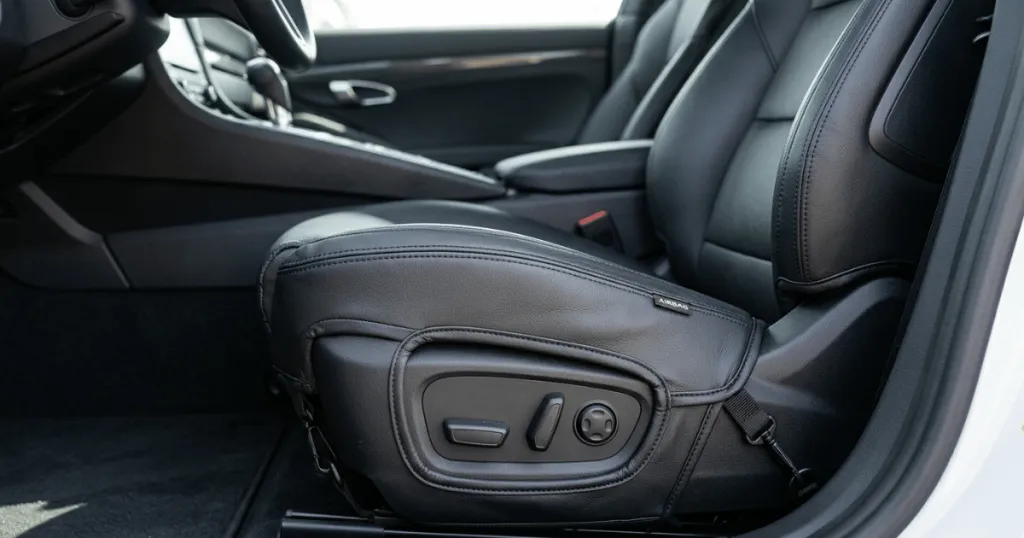
The Core Mechanics of Seat Protection
The primary function of a seat cover is to intercept environmental stressors before they reach the original seat material. This is achieved through a combination of physical coverage and material-specific resistance. When you consider how seat covers work, you are essentially evaluating a system of tension, fit, and surface composition.
Physical Barrier and Friction Management
The most immediate role of a seat cover is to provide a durable surface that handles the constant abrasion of entering and exiting a vehicle. Every time a driver slides across the edge of a seat, the fabric or leather is subjected to shear forces. A well-fitted cover takes this impact, preventing the original upholstery from thinning, fraying, or cracking over time. By distributing the pressure of the occupant’s weight across a larger surface area, high-quality covers also help maintain the integrity of the seat foam underneath, preventing premature sagging or structural fatigue.
Moisture and Contaminant Interception
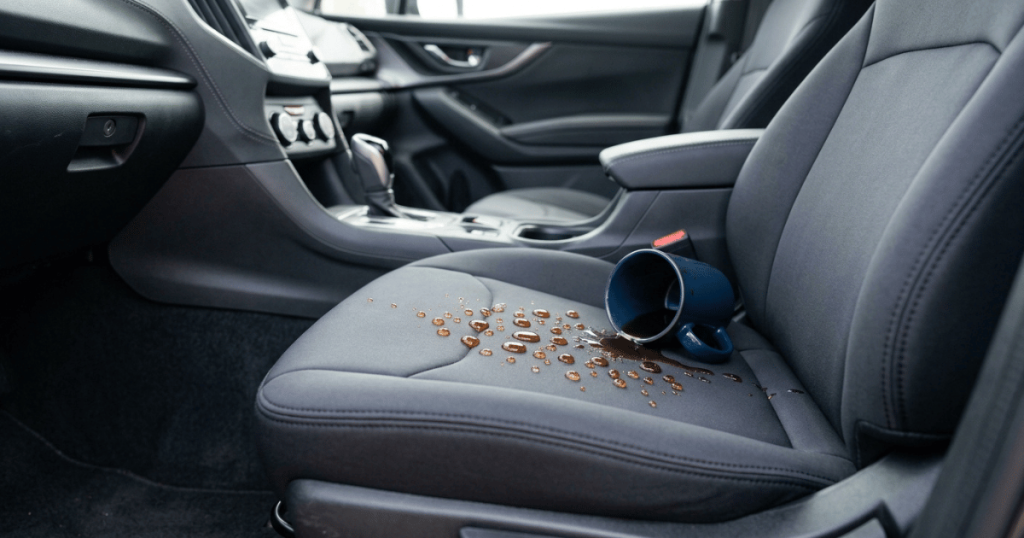
Beyond physical friction, covers act as a shield against liquids and particulate matter. Materials like neoprene or treated synthetic fabrics are designed to be hydrophobic, causing spills to bead up on the surface rather than soaking into the seat’s internal foam padding. This is particularly relevant for families, pet owners, or those who frequently transport outdoor gear, as it keeps the seat’s structural foam dry and free from mold or odors. When contaminants are blocked at the surface, the underlying upholstery remains pristine, effectively halting the chemical degradation that often occurs when organic matter or moisture settles into seat fibers.
Material Science and Performance Factors
The effectiveness of a seat cover is largely dictated by the material chosen. Different fabrics offer distinct advantages depending on the environment and the intended use of the vehicle.
Synthetic Fabrics and Neoprene
Synthetic options, including polyester blends and neoprene, are common because they balance durability with ease of maintenance. Neoprene, originally used in wetsuits, is highly effective at repelling water and providing a cushioned feel. These materials are often chosen for their ability to withstand heavy use while remaining relatively simple to clean, often requiring nothing more than a damp cloth or mild soap solution. Their elasticity allows for a tighter fit, which is crucial for preventing the cover from bunching or sliding during use.
Faux Leather and Vinyl Alternatives
Polyurethane (PU) or vinyl covers are designed to mimic the appearance of luxury upholstery while providing a non-porous surface. These materials are excellent for blocking spills and preventing stains from setting into the seat. Because they are non-absorbent, they are easier to wipe down, though they may require more attention in extreme temperature fluctuations to maintain their flexibility and prevent surface cracking. These materials act as a complete seal, which is highly effective for heavy-duty protection in vehicles exposed to harsh environments.
The Mechanics of Fit and Tension
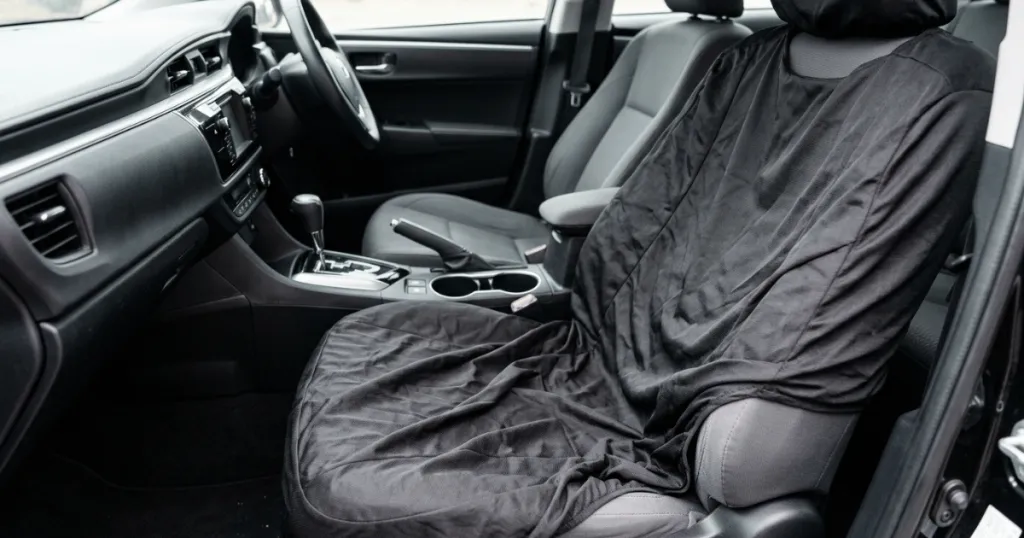
A critical aspect of how seat covers work is the tensioning system. Unlike factory upholstery, which is stapled or hog-ringed directly to the seat frame, aftermarket covers rely on a combination of straps, hooks, and weighted flaps. The goal of this hardware is to maintain a taut surface. If a cover is loose, it creates “micro-movements” every time the occupant shifts. These micro-movements act like sandpaper, slowly wearing down the original fabric underneath. Therefore, the installation process serves a vital structural purpose; it is a mechanical requirement for effective protection. Proper tension ensures that the cover moves in unison with the seat, rather than against it.
Real-World Context for Vehicle Owners
The utility of seat covers changes based on how you use your vehicle. A daily commuter has different needs than someone who uses their truck for off-road excursions or commercial rideshare services.
Daily Commuting and Interior Preservation
For the average commuter, the goal is often long-term preservation. By installing covers shortly after purchasing a vehicle, owners can ensure that the original upholstery remains in showroom condition. This is a common strategy for maintaining the resale value of a car, as the condition of the interior is a major factor in how a vehicle is appraised later. By shielding the factory fabric from UV rays and daily friction, the covers essentially freeze the interior in its original state.
Commercial and High-Frequency Use
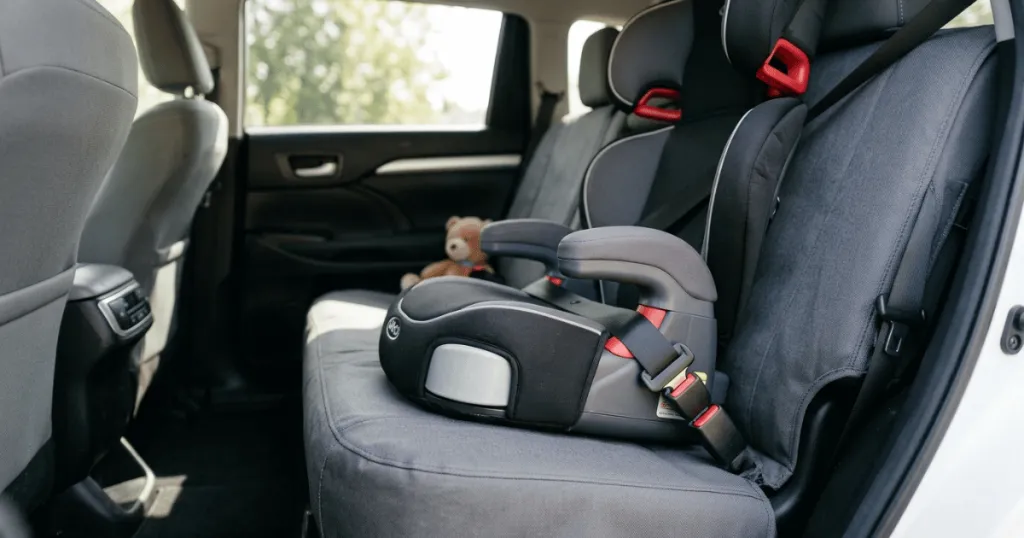
In commercial or rideshare scenarios, the frequency of seat use is significantly higher than in personal vehicles. Here, the focus shifts to durability and ease of cleaning. Covers in these vehicles are subjected to constant movement and a higher likelihood of accidental spills. Choosing a material that can be quickly wiped down or even removed for deep cleaning is essential for maintaining a professional environment for passengers. In these cases, the cover acts as a replaceable work surface that can be swapped out if it becomes too worn, protecting the underlying asset from the high-turnover nature of the business.
Preserving Interior Condition Over Time
The decision to use seat covers is fundamentally about managing the depreciation of your vehicle’s interior. Factory upholstery is difficult and expensive to replace, often requiring professional labor and specialized parts. By using a protective layer, you are effectively outsourcing the wear and tear to a replaceable component. This is a practical approach to vehicle maintenance that keeps the underlying seat structure intact for years longer than it would last under normal, unprotected conditions.
Furthermore, seat covers allow for a level of customization that doesn’t permanently alter the vehicle. If you decide to change the aesthetic of your interior, you can swap the covers without affecting the original upholstery. This flexibility makes them a useful tool for owners who want to adapt their vehicle to changing needs, such as adding extra cushioning for long road trips or switching to a more rugged material for seasonal activities.
Clarifying Common Assumptions About Seat Cover Utility
One frequent misunderstanding is that thicker materials always provide better protection. While density can contribute to durability, the fit and the quality of the material’s finish are often more important. A very thick cover that does not fit snugly can actually cause more wear by shifting against the original seat, creating friction that leads to premature degradation of the factory material.
Another common belief is that seat covers are entirely maintenance-free. While they are designed to protect the seat, they still collect dust, oils from skin, and debris over time. Even the most durable covers require regular vacuuming and periodic cleaning to prevent dirt from working its way through the seams or the material itself. Recognizing how seat covers work requires treating them as a component that needs periodic cleaning to remain effective.
The Role of Design in Functional Protection
It is worth noting that design features such as diamond-stitching or quilted patterns are not merely decorative. In many cases, these patterns are created through a lamination process that adds a layer of padding between the outer material and the backing. This extra layer provides additional comfort and acts as a secondary buffer against sharp objects or heavy items placed on the seat. The depth of the stitching can also help channel moisture away from the occupant, improving breathability in materials that might otherwise feel “sticky” during hot weather. When evaluating how a cover works, consider how these structural design elements contribute to both the longevity of the cover and the comfort of the user.
Ultimately, the effectiveness of your covers relies on proper installation and consistent care. When you treat them as an active part of your vehicle’s maintenance routine, you maximize the protection they offer. Whether you choose synthetic fabrics for their resilience or specialized finishes for comfort, the core purpose remains the same: preserving the integrity of your vehicle’s interior for the long haul.
FAQ
Do seat covers require special tools for installation?
Most seat covers are designed for a straightforward installation using elastic straps, hooks, or buckles that secure the cover to the seat frame. While some custom-fit options may require more precise positioning, they generally do not require specialized automotive tools to install.
Can I wash my seat covers in a standard washing machine?
Whether a cover is machine washable depends entirely on the material. While many fabric-based covers can be laundered, others like faux leather or neoprene usually require surface cleaning with a damp cloth. Always check the manufacturer’s care instructions for your specific set.
How do I know if a seat cover will fit my specific seat type?
Fit is determined by the seat’s configuration, such as whether it is a bucket seat, a bench seat, or includes integrated headrests. When researching how seat covers work for your vehicle, prioritize checking the dimensions and seat style compatibility provided by the manufacturer to ensure a secure, non-shifting fit.