Enhancing Interior Aesthetics and Airflow with a Perforated Seat Cover
Discover how a perforated seat cover improves vehicle interior aesthetics and airflow while balancing daily...
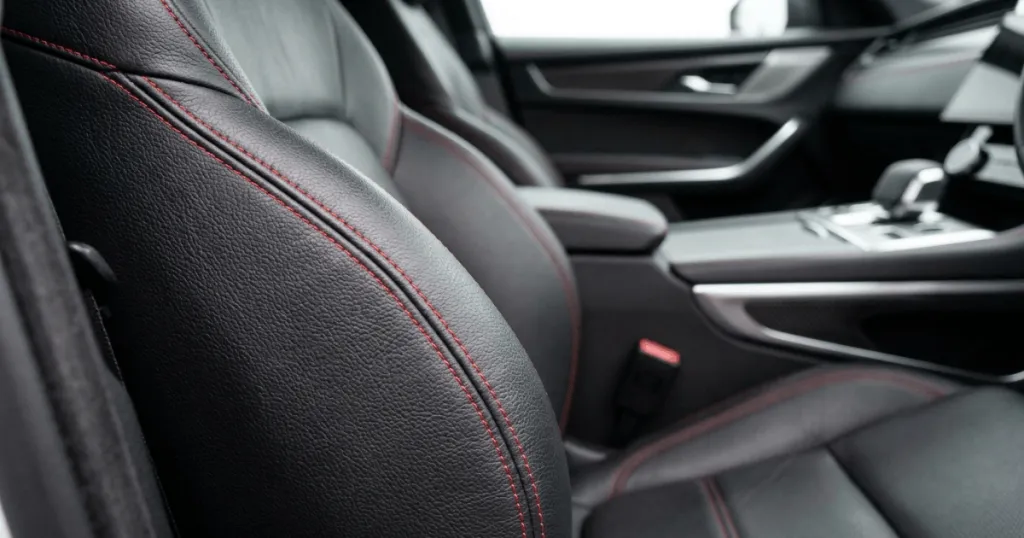
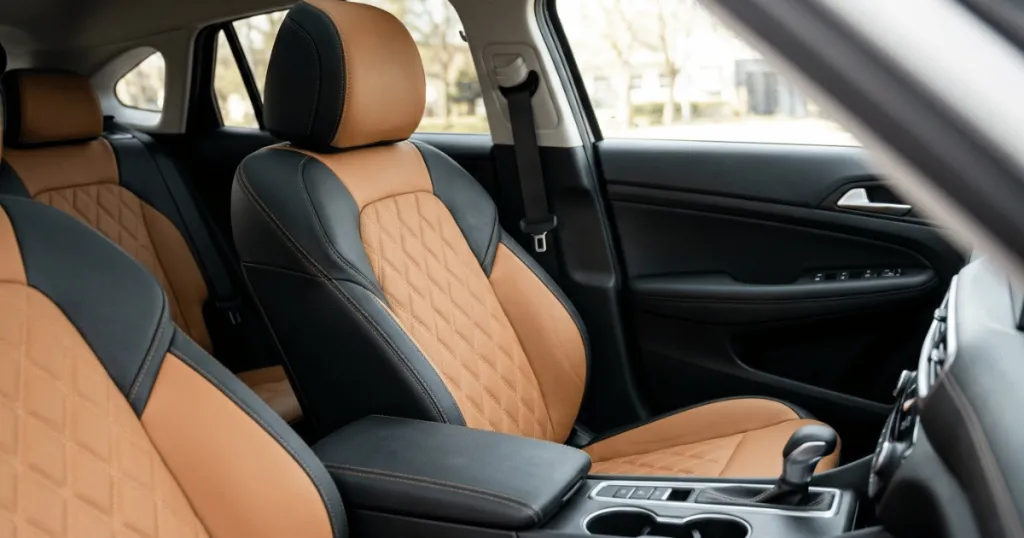
Not every seat cover pattern ages the same way in every garage, parking lot, or driveway. A quilted leatherette finish that looks showroom-sharp in a temperate Pacific Northwest commute can crack and peel within a single Arizona summer, while a breathable mesh weave built for desert heat may feel clammy and cold through a Minnesota winter. Choosing the right car seat cover design and finish starts with an honest look at where and how you actually drive.
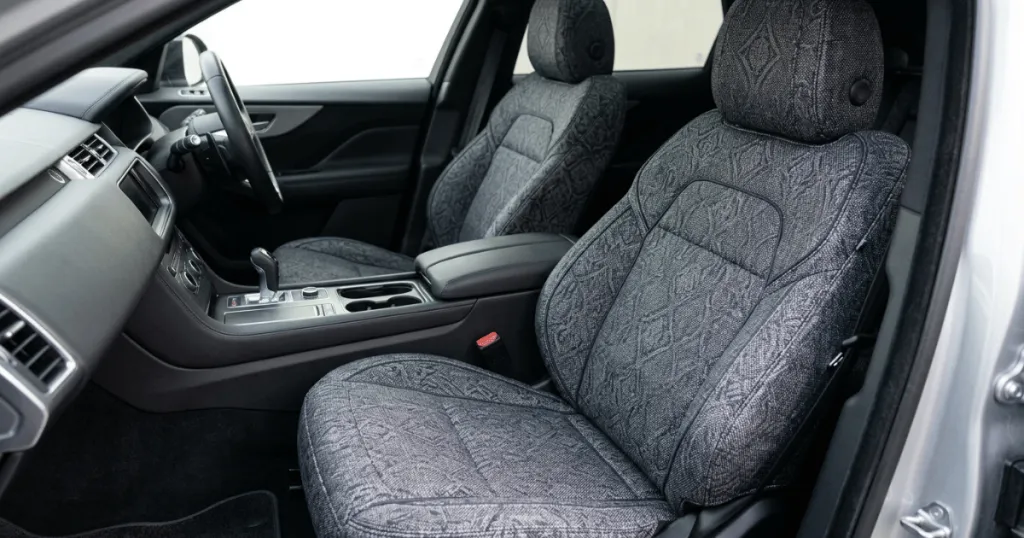
Climate puts constant, invisible pressure on interior surfaces. Prolonged UV exposure bleaches dyed fabrics, warps vinyl textures, and dries out stitched accents faster than most owners expect. In humid coastal regions, moisture trapped beneath a non-ventilated seat cover promotes mildew and odor, turning a sharp-looking jacquard pattern into a maintenance headache. On the other end of the spectrum, arid climates accelerate material fatigue in finishes that lack flexible coatings or UV-resistant treatments. The surface you choose is not just a style decision. It is a durability decision shaped by your zip code.
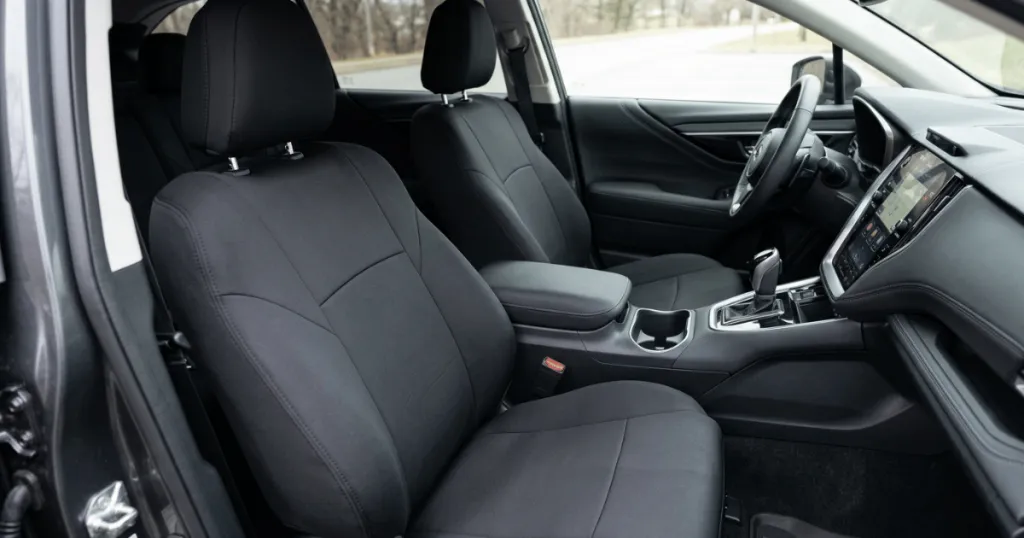
Use case matters just as much as the weather. A family SUV ferrying kids to practice, hauling muddy cleats, and absorbing spilled drinks demands a seat cover finish that conceals everyday wear, something with a textured or patterned surface rather than a flat, light-colored upholstery that broadcasts every stain. Truck owners who split time between job sites and weekend road trips often lean toward rugged canvas or ballistic nylon finishes with reinforced seams, prioritizing scuff resistance over ornamental detail. Commuters, by contrast, might favor a smooth neoprene or suede-touch finish that balances comfort with a polished cabin aesthetic, especially when long hours behind the wheel make tactile quality a daily concern.
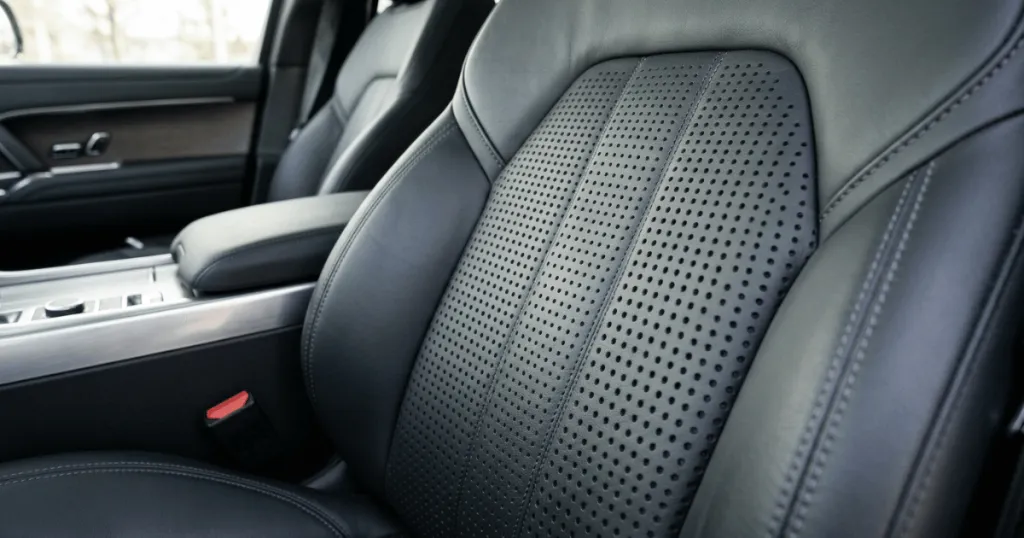
Car seat cover design and finish also intersects with seasonal flexibility. Some owners in four-season climates rotate covers, pairing a lighter, perforated design for summer airflow with a heavier, insulated finish for cold months. Others prefer a single year-round option and look for materials with broad thermal tolerance and fade-resistant color. Either approach works, but it requires matching the surface characteristics of the cover to realistic expectations about temperature swings, sun intensity, and the kind of messes your particular vehicle sees most often.
When you understand how climate and use case interact with specific textures, patterns, and surface treatments, the design and finish of a seat cover stops being a purely cosmetic choice and becomes a practical one rooted in longevity.