High Back Seat Cover Selection: Matching Your Interior and Usage Needs
Learn how a high back seat cover impacts your vehicle's interior comfort and protection. Discover...
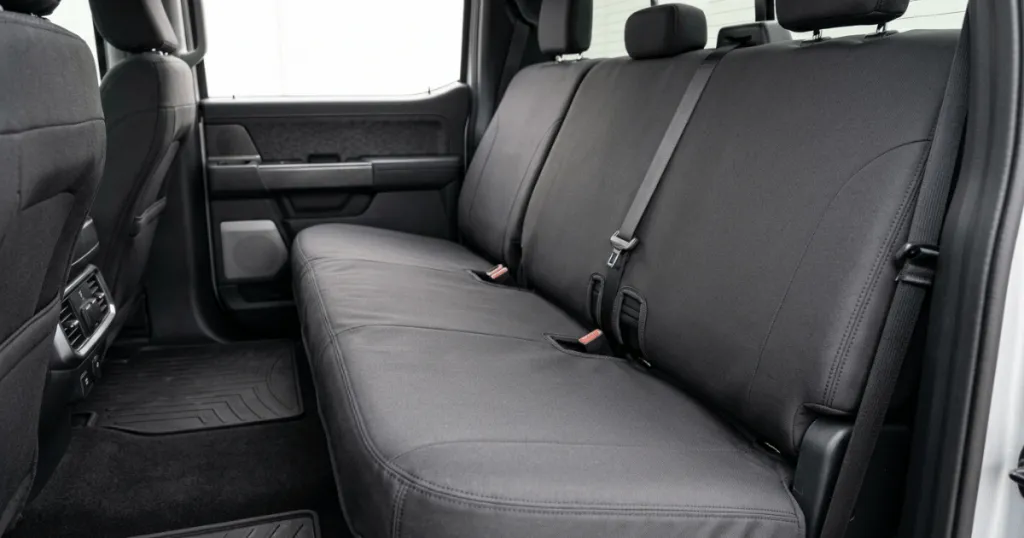
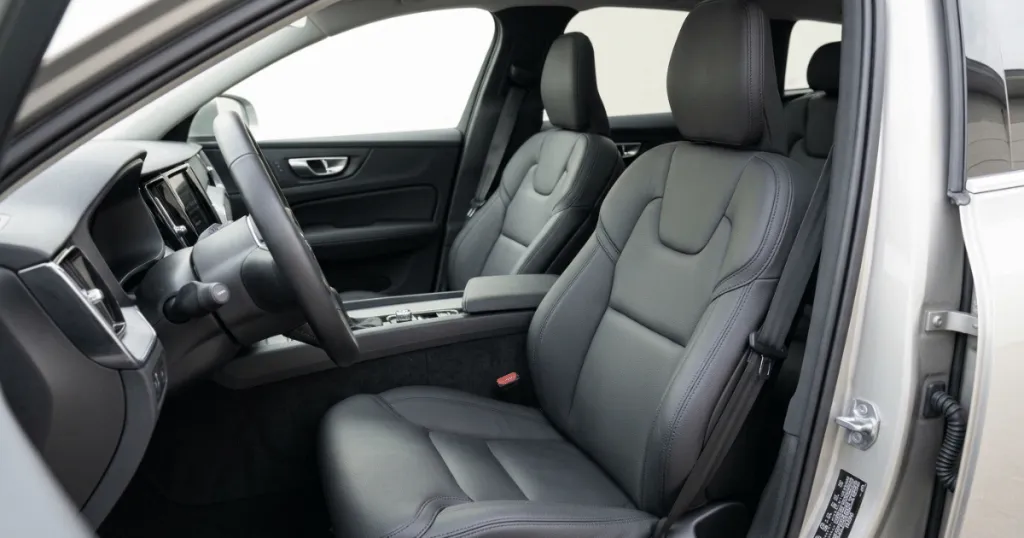
A weekend trail driver in Arizona and a daily commuter in Seattle need very different things from their seat covers, but the conversation almost always starts in the same place: what type of seat are you actually covering? That single detail, whether you are working with a low-profile bucket seat, a flat rear bench, a 60/40 split-fold, or a pair of captain's chairs, shapes every decision that follows. And when you layer climate and daily use patterns on top of seat geometry, the right car seat cover types become obvious while the wrong ones reveal themselves fast.
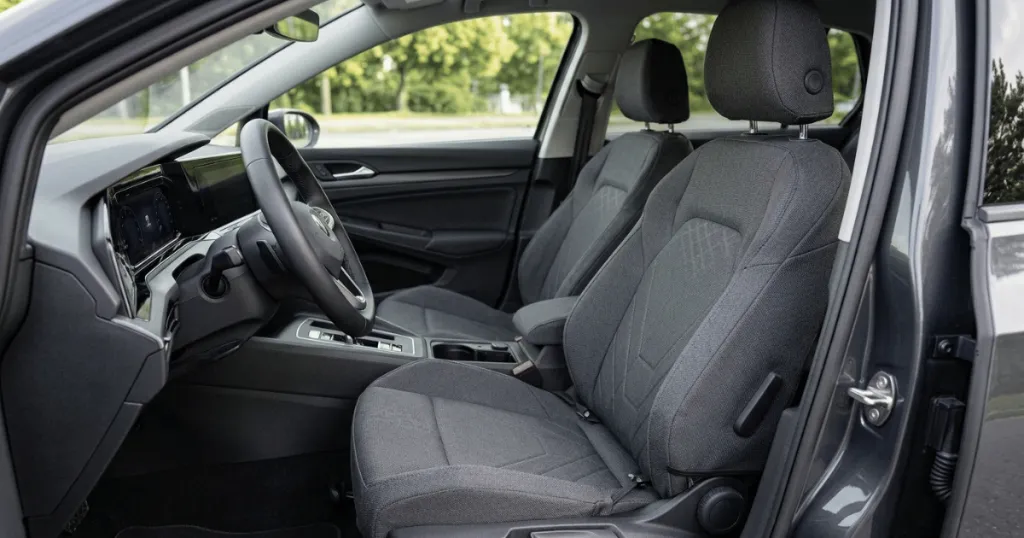
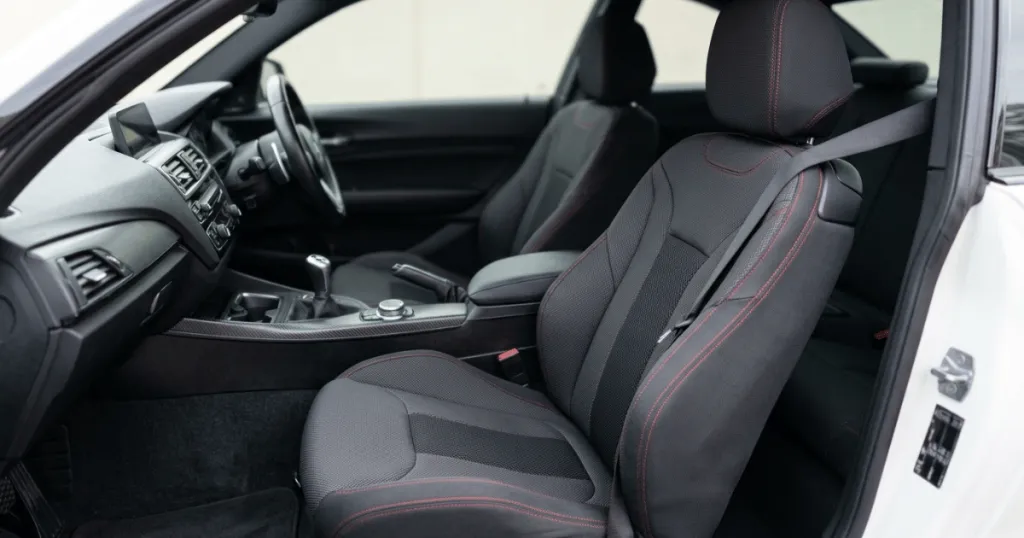
Consider how differently a contoured sport bucket seat behaves compared to a flat bench in a work truck. The bucket seat has pronounced side bolsters, a narrow base, and often an integrated headrest that limits how a cover can wrap around the top edge. A cover designed for a bench seat will bunch at the bolsters, shift during entry and exit, and lose tension within days. In hot, humid climates, that bunching traps moisture against the original upholstery, creating exactly the kind of environment you were trying to protect against. In cold regions where drivers wear bulky coats, a poorly matched cover on a bucket seat adds friction in all the wrong spots, making every slide into the driver's seat a small wrestling match.
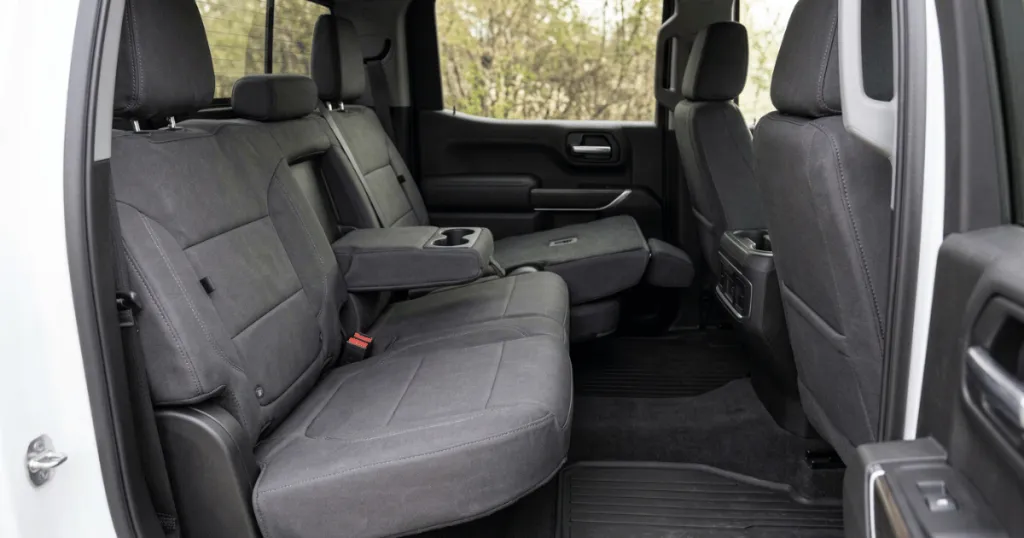
Split-fold rear seats add another variable. Families folding down one section for cargo while keeping the other upright for a child's booster need covers that accommodate that movement without pulling apart at the seam or requiring reinstallation every time the configuration changes. For SUV owners in rainy climates who frequently transition between hauling gear and carrying passengers, a split-fold compatible cover in a water-resistant fabric can handle both roles without compromise. A single-piece rear bench cover on that same seat creates constant frustration.
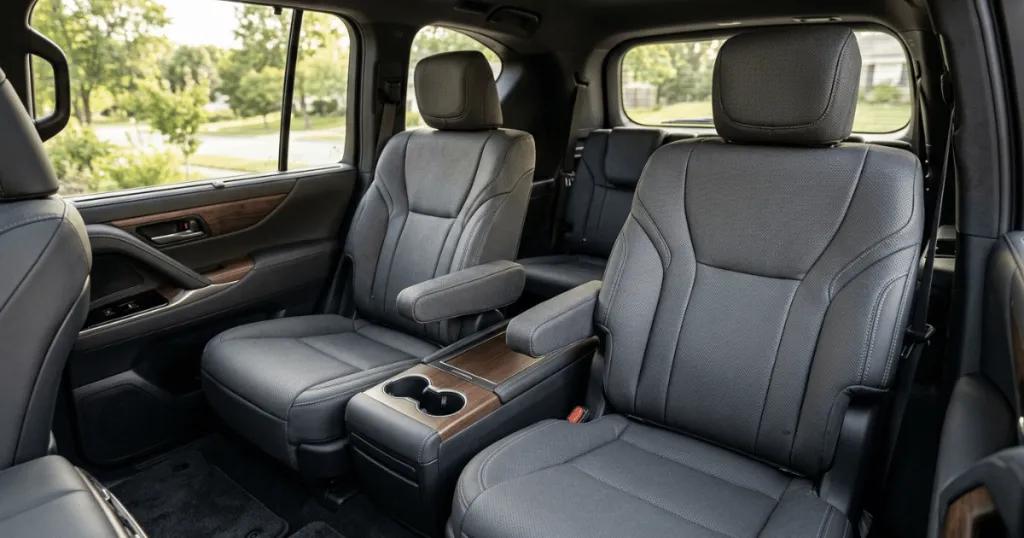
Captain's chairs, common in minivans and full-size SUVs, sit as individual units with open space between them. They require dedicated single-seat covers rather than bench-style wraps, and in vehicles used for family road trips across varied climates, breathability and ease of cleaning become priorities that outrank pure aesthetics.
The point is that car seat cover types are not interchangeable labels. Each one reflects a specific seat geometry, and the best choice within each type shifts depending on whether your priorities lean toward heat management in a sun-drenched cabin, moisture resistance for outdoor lifestyles, pet hair control for animal owners, or long-haul comfort for daily highway commuters. This sub-category breaks all of that down so you can match the right cover type to the way you actually use your vehicle, in the climate where you actually drive.