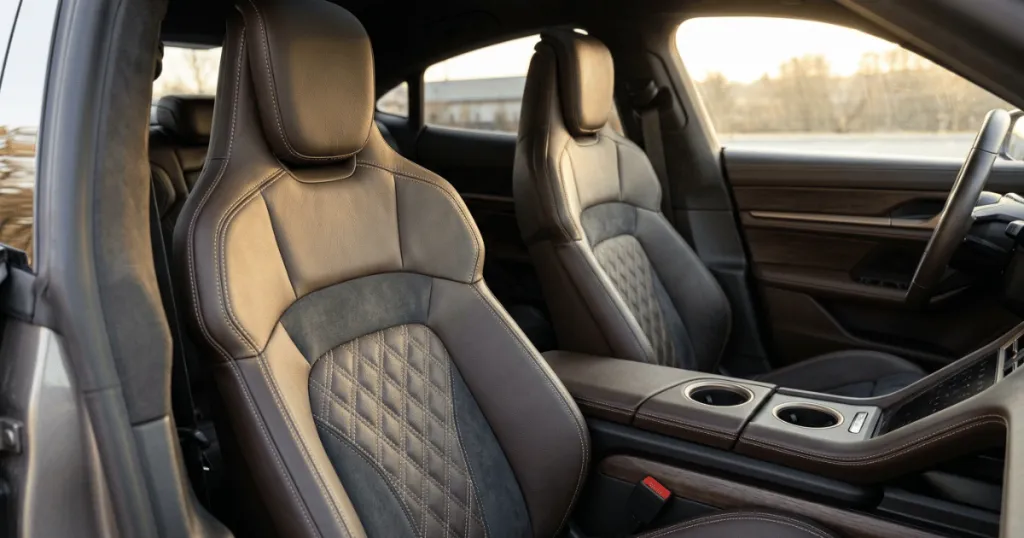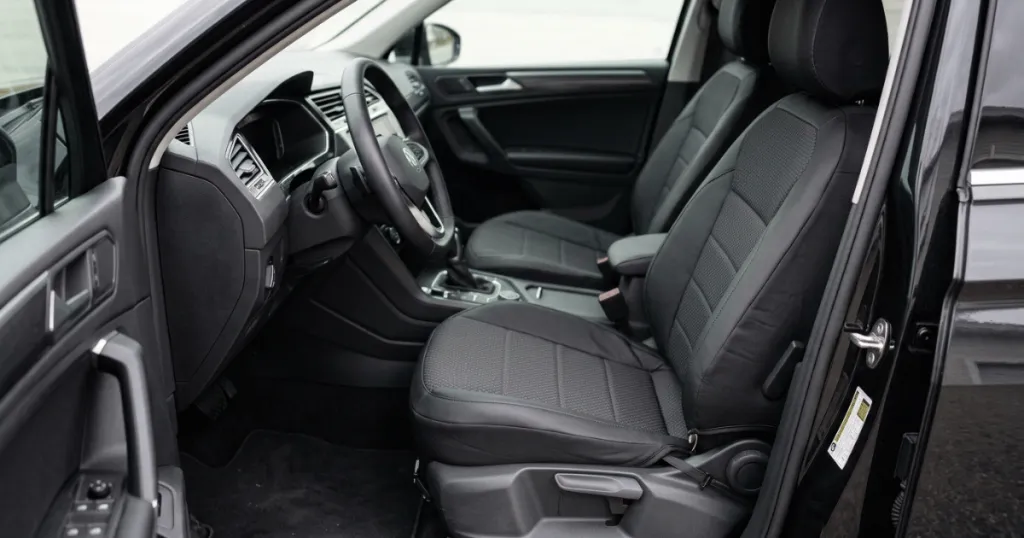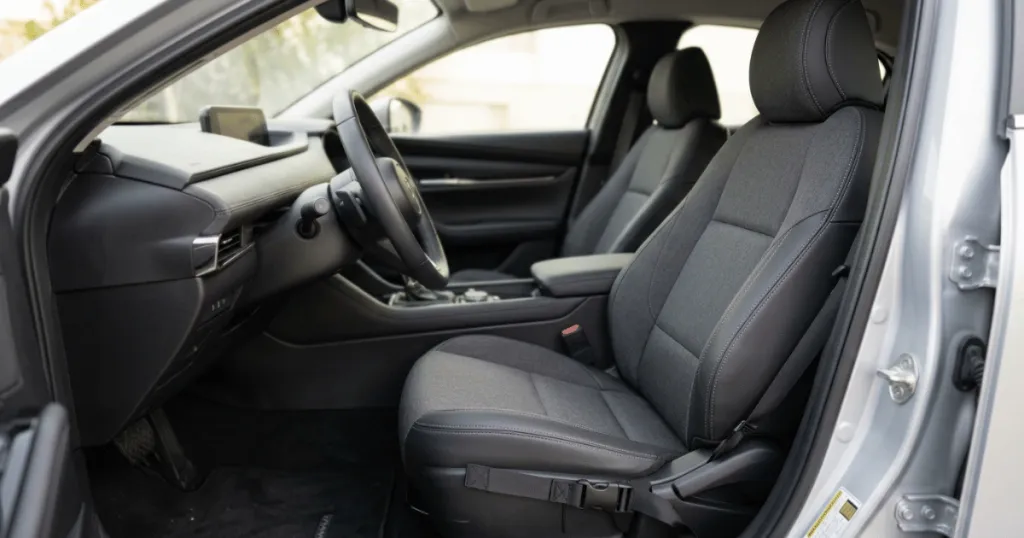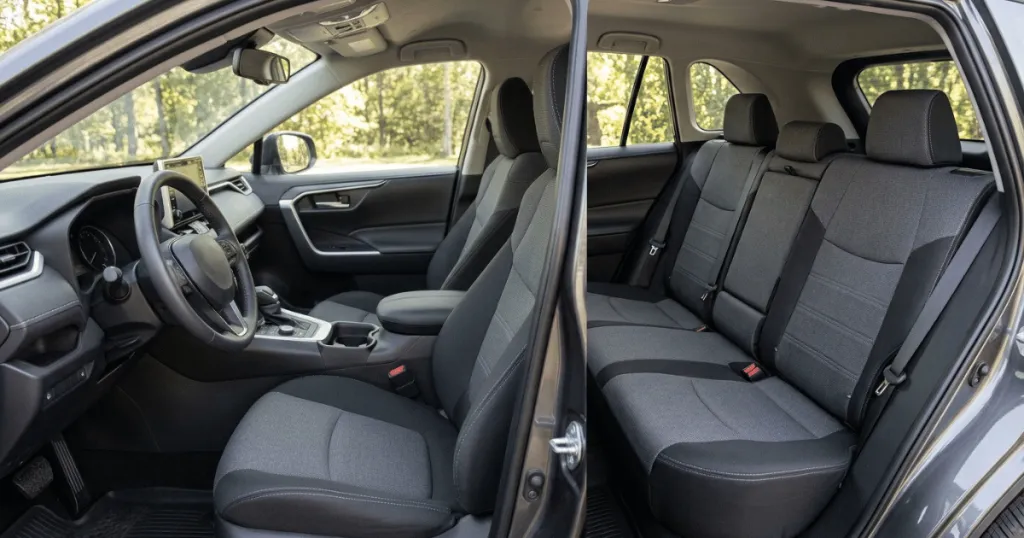
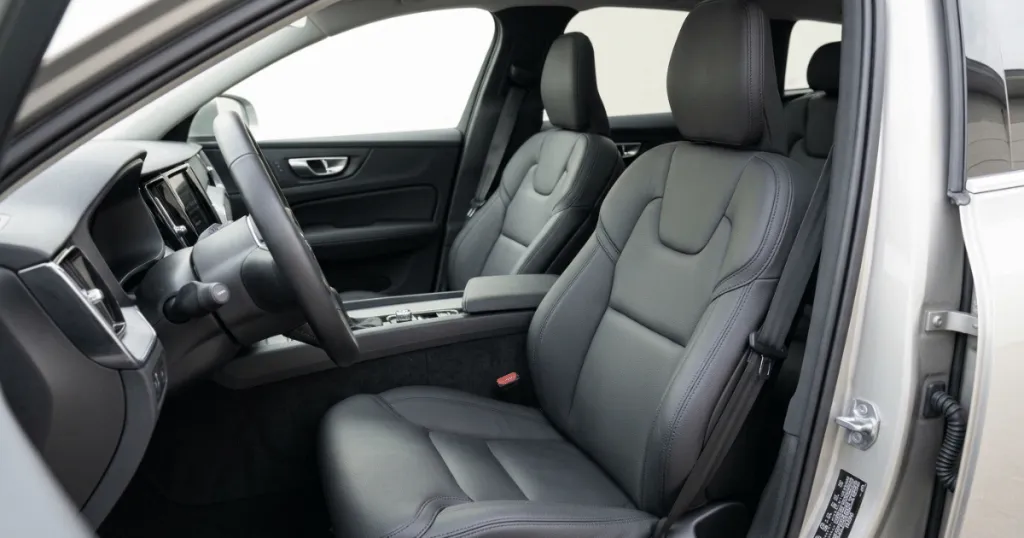
A high back seat cover is specifically engineered for bucket seats that feature an integrated headrest or a tall, continuous backrest design. Unlike standard covers that stop at the shoulder line, these units extend upward to fully encapsulate the upper portion of the seat. This design is common in many modern vehicles, particularly those with sport-style or performance-oriented seating configurations where the headrest is not a separate, adjustable component.
Selecting the ideal high back seat cover requires a thorough assessment of your seat’s specific dimensions and structural layout. Because these seats lack the traditional gap between the headrest and the backrest, the cover must be shaped to maintain a smooth, taut fit without bunching at the neck area. When you prioritize a proper fit, you ensure the material stays in place during daily entry and exit, which is the primary stress point for any upholstery protection.
Key Factors Influencing Your Choice of High Back Seat Covers
Material Durability and Texture
The material you select for a high back seat cover determines how well it handles daily friction. Neoprene is a frequent choice for those who need water resistance, as its dense, synthetic rubber construction repels moisture and provides a cushioned feel. It is particularly effective in high-traffic vehicles where spills or damp clothing are common concerns.
Faux leather or PU leather offers a different aesthetic, often mimicking the look of factory upholstery. These materials are generally easier to wipe clean than fabric, making them a practical choice for owners who prioritize low-maintenance surfaces. However, they can trap heat more than breathable fabrics, so consider your local climate and how much time you spend in the vehicle during warmer months.
Integration with Seat Contours
The success of a high back seat cover depends on how well it accommodates the specific curves of your seat. High-back designs often feature pronounced side bolsters that provide lateral support. A cover that is too loose will shift over these bolsters, leading to premature wear and an untidy appearance. Look for designs that utilize tension straps or elasticized edges to pull the material snugly against these contours.
Some covers include integrated foam padding or quilted stitching, which can alter the feel of the seat. While this adds a layer of comfort, it also changes the thickness of the seat profile. Ensure that the added bulk does not interfere with your preferred driving position or the way your back rests against the seat structure.
Real-World Usage Scenarios
Daily Commuting and Interior Preservation
For the daily commuter, the primary goal is protecting the original upholstery from the friction of clothing and the occasional coffee spill. A high back seat cover acts as a sacrificial layer, absorbing the wear that would otherwise degrade the factory fabric or leather. In these scenarios, a durable, breathable fabric often strikes the best balance between comfort and longevity.
Pet and Active Lifestyle Needs
If your vehicle frequently transports pets or gear, the demands on your seat covers shift toward heavy-duty protection. High back seats are particularly vulnerable to claw marks and dirt accumulation in the upper regions where a dog might rest its head. A heavy-duty canvas or high-denier synthetic fabric is often necessary here to prevent tears and keep hair from embedding into the seat fibers.
Commercial and Rideshare Usage
Vehicles used for rideshare or commercial purposes face significantly higher turnover in passengers. In these cases, the ease of cleaning is the most critical factor. A high back seat cover that can be quickly wiped down with a damp cloth allows you to maintain a professional interior appearance without needing to remove and wash the covers every few days.
Achieving Precise Seat Coverage
The most common mistake owners make is assuming that any cover designed for a bucket seat will work on a high-back model. Because these seats lack the physical separation between the headrest and the back, a standard seat cover will often hang loosely or fail to secure properly at the top. This results in a “baggy” look that can be distracting and uncomfortable during long drives.
A properly fitted high back seat cover stays tight against the seat’s surface, which prevents the material from sliding or bunching. When the cover moves with you rather than against you, it remains comfortable for longer periods. Furthermore, a secure fit prevents the edges of the cover from catching on your clothing as you enter or exit the vehicle, which is a frequent cause of premature damage to the cover’s seams.
Debunking Myths About Seat Cover Performance
Thicker Padding Does Not Equal Better Protection
Many shoppers believe that a thicker, more cushioned high back seat cover provides better protection for the underlying seat. In reality, the thickness of the cover has little to do with its ability to stop spills or prevent wear. Protection is determined by the density and weave of the material, not the amount of foam backing. Focus on the quality of the outer layer rather than the perceived luxury of the padding.
Waterproof Versus Water-Resistant
There is a significant difference between a cover that is waterproof and one that is merely water-resistant. A waterproof high back seat cover typically uses a non-porous backing that prevents any liquid from reaching the seat. While this is excellent for spills, it can also trap moisture against the seat if you live in a humid climate. If you do not have a specific need for heavy liquid protection, a water-resistant fabric that allows for some airflow is often the more comfortable choice for year-round use.
Installation Dynamics and Structural Integrity
Installing a high back seat cover requires careful attention to the seat’s geometry. Unlike standard seats, high-back models often have specific anchor points or recessed areas where the headrest meets the backrest. When installing, ensure that the tension straps are routed correctly to avoid interfering with any mechanical seat adjustments. If your seat has manual levers for recline or height, the cover must be positioned to allow full range of motion without binding. Over-tightening straps can cause the material to warp, while under-tightening leads to shifting. Aim for a balanced tension that keeps the cover flush against the seat surface throughout the entire backrest area.
Long-Term Maintenance and Material Longevity
Extending the service life of your high back seat cover requires consistent upkeep. Routine maintenance involves more than just cleaning; it includes periodic inspection of the attachment points. Over time, vibrations from driving can cause straps to loosen. Checking these every few months ensures the cover remains secure. For fabric covers, vacuuming regularly prevents grit and sand from working their way into the weave, which acts like sandpaper against the fibers.
For synthetic leather or vinyl, using a mild, non-abrasive cleaner preserves the finish and prevents cracking. Avoid harsh chemicals that can strip the protective coating or cause the material to become brittle in extreme heat. By treating the cover as a functional component of your vehicle interior, you ensure it continues to provide effective seat upholstery protection for years.
Final Considerations for Your Interior
Selecting a high back seat cover involves matching your daily driving habits with the physical design of your vehicle’s seating. By focusing on materials that match your climate and usage patterns, and verifying that the dimensions align with the specific contours of your high-back seats, you can effectively protect your interior while maintaining a clean, professional look. Always prioritize a snug, secure installation to maximize both the comfort and the lifespan of your chosen covers.
FAQ
Can I use a standard bucket seat cover on a high back seat?
No, a standard bucket seat cover is typically designed for seats with a separate headrest. Using one on a high back seat cover setup will result in a poor fit, as the cover will not be able to accommodate the integrated headrest area, leading to bunching and potential movement.
How do I clean a high back seat cover?
Cleaning methods depend on the material. Synthetic fabrics can often be spot-cleaned with a mild detergent and water, while faux leather high back seat cover options usually only require a damp cloth and a gentle wipe-down. Always check the manufacturer’s specific care instructions.
Will a high back seat cover affect the comfort of my seat?
A well-fitted high back seat cover should not negatively impact comfort. However, if you choose a cover with thick padding or a material that lacks breathability, it may change the feel of the seat or cause you to feel warmer during extended periods of driving.