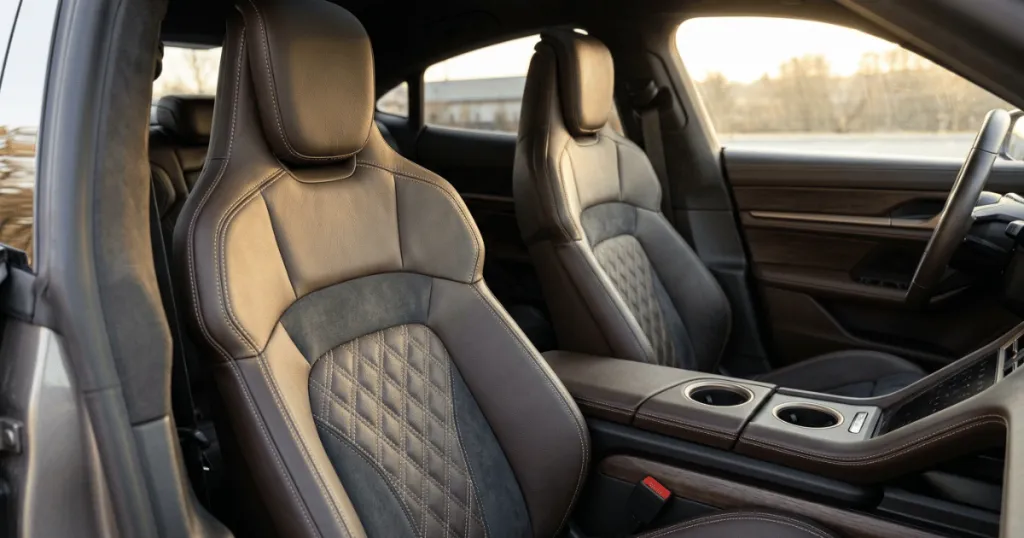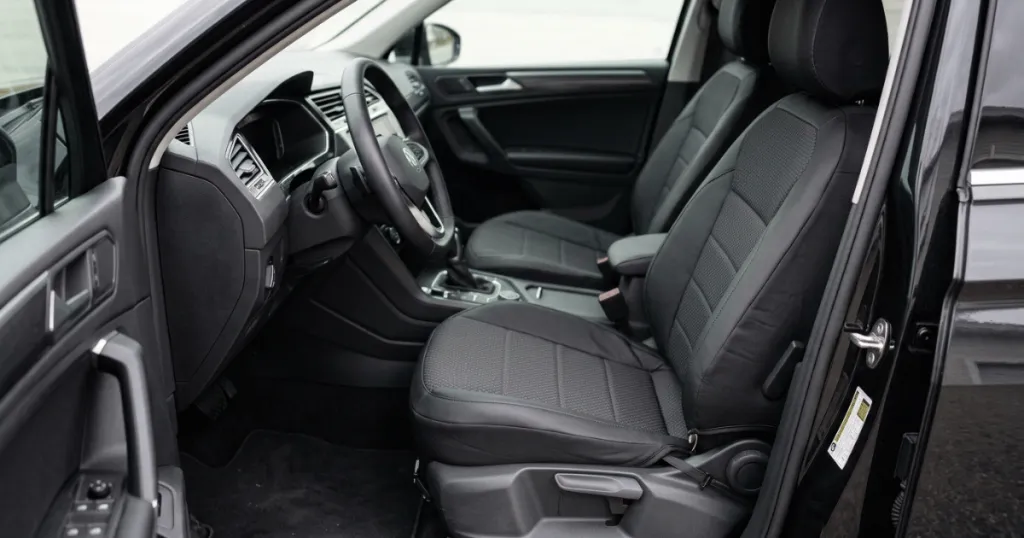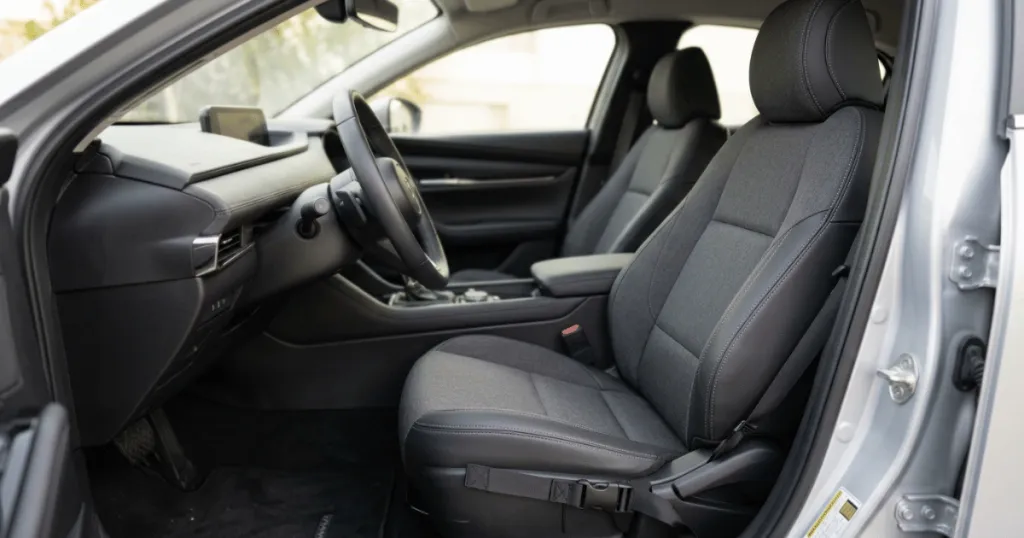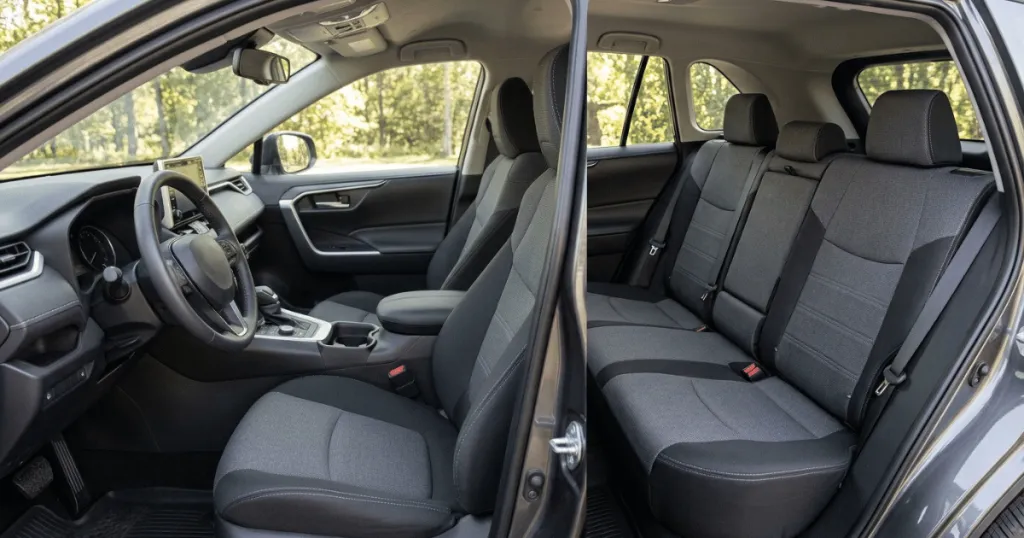
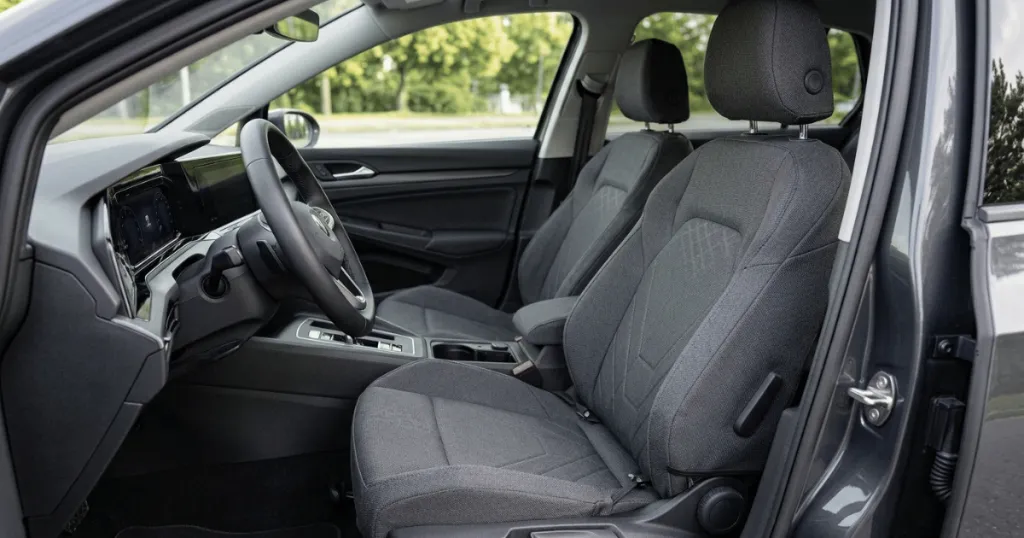
A low back seat cover is specifically designed for bucket seats that feature a separate headrest or a seat back that terminates below the shoulder line. Unlike high-back or full-back designs that wrap over the top of the seat, these covers focus on the primary seating surface and the backrest area, leaving the headrest exposed or requiring a separate, dedicated headrest cover. This design is common in many older vehicle models, as well as specific sport-oriented or compact seating configurations found in modern cars.
When you are looking to protect your interior, identifying whether your seat requires this specific style is the first step. If you attempt to install a high-back cover on a seat that clearly separates the headrest, you will often find that the material bunches up or creates an awkward fit around the neck area. By selecting a low back seat cover, you ensure a cleaner, more tailored look that respects the original geometry of your vehicle’s interior.
Factors Influencing Your Selection of Low Back Seat Covers
Material Durability and Texture
The material you choose for your low back seat cover dictates how the cover handles daily friction. Neoprene is a frequent choice for those who prioritize water resistance and a cushioned feel, as it mimics the properties of wetsuit material. It is particularly effective at blocking moisture from spills or damp clothing, which helps keep the underlying foam padding of your seat dry. However, it can trap heat, making it less ideal for extremely hot climates.
Faux leather or PU synthetic options offer a more refined, professional aesthetic that can mimic the look of premium upholstery. These materials are generally easier to wipe clean, which is a significant advantage for daily commuters or those who use their vehicle for rideshare services. While they provide a sleek finish, they may lack the breathability of fabric-based covers, potentially leading to discomfort during extended drives in warmer weather.
The Role of Seat Geometry
The specific shape of your bucket seat plays a major role in how well a cover stays in place. Seats with deep side bolsters require a cover that is cut specifically to accommodate those curves without causing the fabric to pull tight or tear at the seams. A low back seat cover that is too generic may struggle to contour to these bolsters, leading to shifting every time you enter or exit the vehicle.
Check the attachment points on your seat before settling on a design. Most covers utilize straps, hooks, or elastic bands that must pass between the seat back and the seat cushion. If your seat has a very tight gap or a motorized mechanism that blocks this path, you may need a cover with a more flexible attachment system or a design that uses a different tensioning method to stay secure.
Real-World Usage Scenarios
Daily Commuting and Interior Preservation
For the average daily driver, the primary goal of a low back seat cover is to prevent premature wear on the high-contact areas of the seat. The fabric on the outer bolster is usually the first to show signs of fraying because of the friction caused by sliding in and out of the car. A durable, abrasion-resistant material serves as a protective shield, absorbing this daily friction so that the original upholstery underneath remains in factory condition.
In practice, this means checking the tension of your cover every few months. As you sit and shift, the material will naturally stretch or settle. If you notice the cover beginning to slide or bunch, re-tightening the straps or adjusting the anchor points is a simple maintenance task that prevents the cover from becoming a nuisance. A well-fitted cover should feel like a second skin, not a loose blanket draped over the seat.
Climate-Specific Considerations
If you live in an area with extreme temperature fluctuations, the material of your low back seat cover becomes a critical comfort factor. In hot, sunny climates, dark-colored synthetic covers can absorb significant heat, making them uncomfortable to touch after the vehicle has been parked. Opting for lighter colors or breathable mesh-backed fabrics can mitigate this issue, allowing for better airflow between your back and the seat.
Conversely, in colder regions, materials like heavy-duty canvas or thick neoprene can provide a slightly warmer surface than cold, cracked leather or vinyl. If you frequently deal with snow or rain, prioritize a non-porous material that prevents water from soaking into the seat foam. A low back seat cover that is waterproof is an effective barrier against the moisture that often accumulates on clothing after a rainy walk to the car.
Ensuring Precise Fitment for Long-Term Use
The longevity of your seat cover is directly tied to how well it fits the specific dimensions of your seat. A cover that is too small will place constant tension on the stitching, eventually leading to seam failure or tears. On the other hand, a cover that is too large will shift excessively, causing the fabric to rub against itself and the seat, which accelerates wear on both the cover and the original upholstery.
When installing, take the time to ensure the cover is centered and that all attachment points are secured firmly. Many people make the mistake of leaving the bottom straps loose, thinking that the weight of the occupant will keep the cover in place. This is rarely the case, as the lateral movement of getting in and out will quickly displace a loose cover. A secure installation is the most effective way to ensure your low back seat cover provides years of reliable service.
Addressing Common Misconceptions
A frequent error is the belief that a thicker, heavier cover is always more durable. While heavy-duty materials can withstand more direct impact, they are often less flexible and harder to secure properly on contoured bucket seats. A thinner, high-quality synthetic material that is cut precisely to your seat’s shape will often outlast a heavy, ill-fitting cover because it moves with the seat rather than fighting against it.
Another common misunderstanding is that seat covers are maintenance-free once installed. Even the most durable low back seat cover requires periodic cleaning to remove dust, grit, and oils that accumulate from daily use. Over time, these particles act like sandpaper, wearing down the fibers of the cover. Simple spot cleaning or vacuuming during your regular car wash routine can significantly extend the life of your covers and keep your interior looking fresh.
Technical Considerations for Installation
Installing a low back seat cover effectively requires attention to the seat’s mechanical features. Many modern vehicles include seat-back pockets, lumbar support dials, or manual recline levers. When selecting a cover, ensure that the design does not obstruct these functional elements. A well-designed cover will either have cutouts or use a flexible material that allows you to reach these controls without having to lift or shift the cover constantly.
Furthermore, consider the tensioning system. Some covers use S-hooks that attach to the underside of the seat frame. If your vehicle has a complex seat track system with many wires or plastic shrouds, finding a clear anchor point can be challenging. In such cases, look for covers that utilize a disc-anchor system, which pushes a small plastic disc through the gap between the seat back and bottom cushion to lock the cover in place. This method is often more reliable than hooks for modern, tightly-packed seat frames.
Evaluating Material Performance Over Time
Beyond initial aesthetics, the long-term performance of your seat cover depends on how the material interacts with the original seat upholstery. Some synthetic materials can cause “sweating” or moisture buildup if they are completely non-breathable. If you notice dampness between the cover and the seat after a long drive, it may be time to switch to a more breathable fabric or a mesh-backed option. This is particularly important for leather seats, which can be sensitive to trapped moisture and heat, potentially leading to premature cracking or discoloration of the original hide.
Additionally, consider the UV resistance of the material. If your vehicle is frequently parked in direct sunlight, the top of the seat back, the area most exposed to the sun through the window, is prone to fading. High-quality covers often feature UV-treated fabrics that resist bleaching. Selecting textiles engineered to withstand solar exposure helps maintain the original color and structural integrity of the fabric over time.
Maintenance and Care Best Practices
To maintain the integrity of your low back seat cover, adopt a consistent cleaning schedule. For fabric-based covers, light vacuuming once a month removes abrasive particles that can work their way into the weave. If you spill liquids, blot the area immediately rather than rubbing, as rubbing can push the liquid deeper into the seat foam. For faux leather or vinyl, a damp microfiber cloth is usually sufficient to remove surface grime. Avoid harsh chemical cleaners, as they can strip the protective finish of the cover, making it brittle and prone to cracking over time.
If your covers are machine washable, always follow the manufacturer’s instructions regarding water temperature and drying methods. High heat in a dryer can shrink synthetic fabrics, rendering them useless for your specific seat geometry. Air drying is almost always the safer choice, even if it takes longer. By treating your seat covers with the same care you would give your vehicle’s exterior paint, you ensure that they continue to provide both protection and comfort for the duration of their lifespan.
FAQ
Can I use a low back seat cover on a seat with an integrated headrest?
No, a low back seat cover is specifically designed for seats where the headrest is a separate, adjustable unit. If you attempt to use it on a seat with an integrated headrest, the cover will not fit correctly and may interfere with the seat’s design.
How do I know if my seat requires a low back seat cover?
Check if your headrest is a separate piece that can be removed or adjusted independently of the seat back. If there is a clear gap or a distinct transition point between the top of the seat back and the headrest, you likely need a low back seat cover.
Will a low back seat cover affect the comfort of my seat?
A well-fitted cover should not negatively impact comfort. In fact, some materials can add a layer of cushioning or breathability, though it is important to ensure the cover is installed tightly so it does not bunch up or create pressure points.