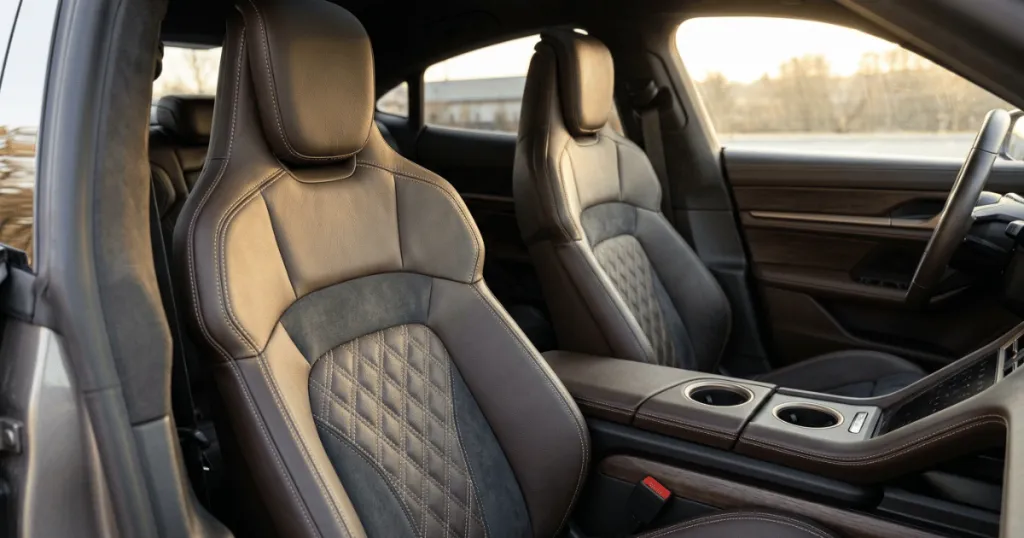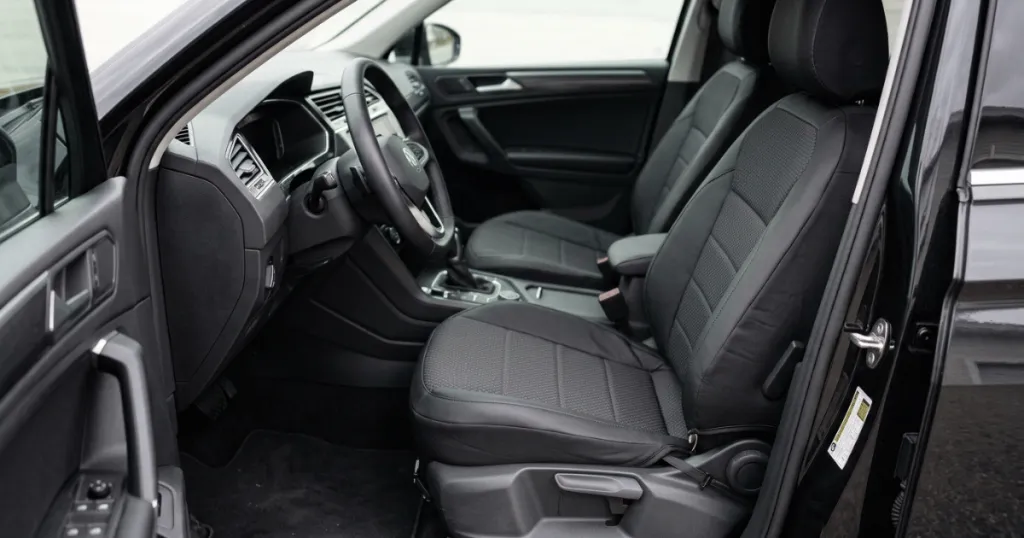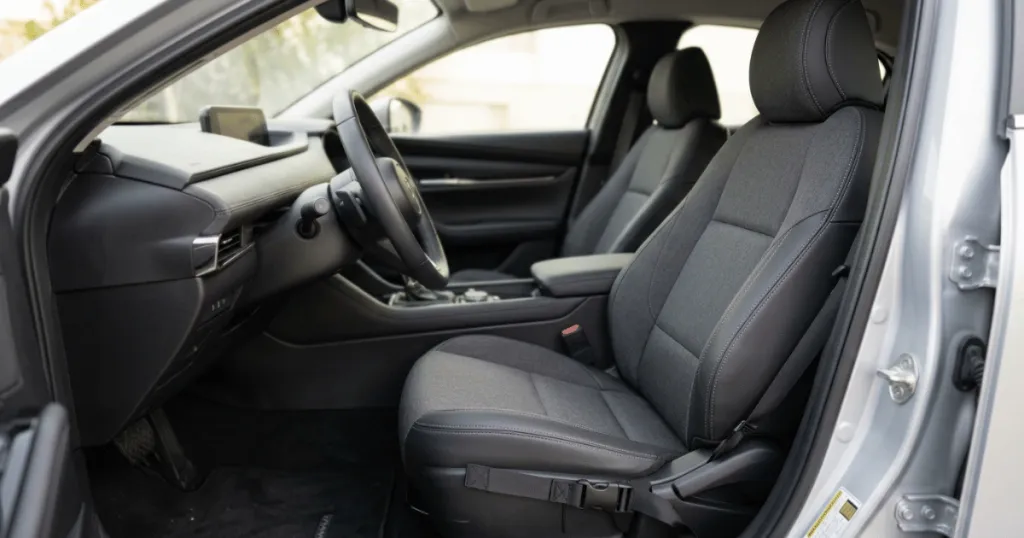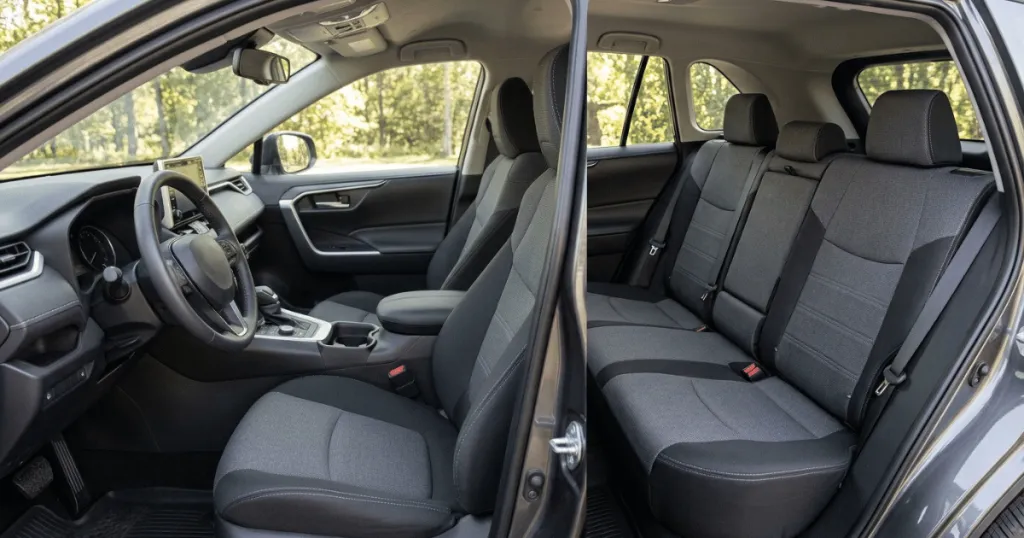
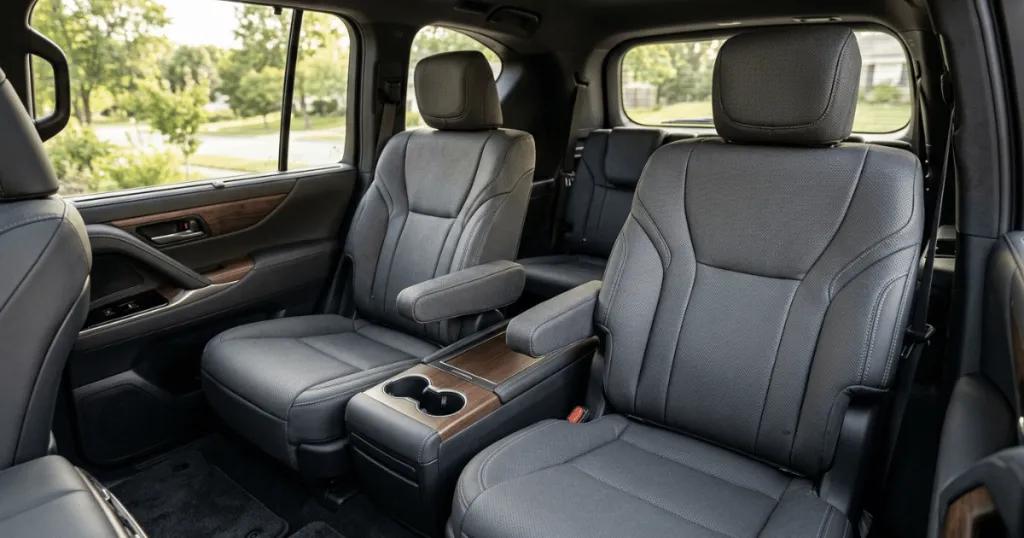
A captain seat cover is designed specifically for the individual, standalone chairs often found in the front row of SUVs, trucks, and vans, or in the second row of luxury passenger vehicles. Unlike a bench seat, which spans the width of the cabin, captain seats are distinct, separate units that typically feature their own armrests and independent adjustment controls. Because these seats are isolated from one another, they require covers that accommodate their unique shape, including the gaps between the seat base and the center console or door panel.
Selecting the right cover for this configuration involves more than just matching dimensions. It requires an understanding of how the seat functions within the cabin space, particularly how the cover interacts with integrated armrests and the specific contours of the seat back. When you are looking for a captain seat cover, the focus should be on achieving a snug fit that does not interfere with the seat’s natural movement or the comfort features already built into the chair.
Factors Influencing Your Choice of Captain Seat Cover
Seat Geometry and Armrest Integration
A primary consideration when choosing a captain seat cover is the presence of armrests. Many captain chairs feature either one or two integrated armrests that fold up or down. A standard bucket seat cover will often fail here, as it may lack the necessary cutouts or modular pieces to allow the armrest to move freely. You must determine if your seat has a console-mounted armrest or a seat-mounted one, as this dictates whether you need a cover with a specific opening or a separate sleeve for the armrest itself. Proper fitment ensures that the armrest cover does not bind against the seat back when the armrest is lowered, which is a common point of failure for generic covers.
Material Performance in Daily Use
The material you choose for your captain seat cover should reflect how the vehicle is used. For high-traffic scenarios like rideshare or frequent family transport, durable synthetic fabrics or heavy-duty neoprene are often preferred because they resist abrasion and are relatively simple to wipe down. If the goal is to maintain a luxury aesthetic, faux leather or high-quality vinyl options can mimic the look of the original upholstery while providing a protective barrier against spills and sun exposure. Consider the breathability of the material as well; in warmer climates, perforated faux leather or moisture-wicking synthetic fabrics prevent the “stickiness” often associated with non-porous surfaces during summer months.
Real-World Context for Captain Seats
The High-Traffic SUV or Van Scenario
In larger vehicles like minivans or full-sized SUVs, captain seats in the second row often serve as the primary seating for passengers. These seats are subject to frequent entry and exit, which puts significant stress on the outer bolsters of the seat. A well-fitted captain seat cover in these vehicles serves as a durable outer shell, absorbing the friction from clothing and preventing the original fabric or leather from wearing thin or cracking over time. Because these seats are often used by children or passengers with gear, the cover also serves to protect the seat foam from being compressed or deformed by heavy items placed on the seat surface.
Off-Road and Utility Applications
For vehicles used in outdoor environments, the primary concern is often debris and moisture. A captain seat cover made from waterproof or water-resistant materials helps prevent mud, sand, or moisture from soaking into the seat foam. Because captain seats are often positioned near sliding doors or rear hatches in vans, they are more exposed to the elements when the vehicle is open, making moisture-wicking or waterproof properties particularly valuable for long-term interior preservation. In these utility-focused scenarios, look for covers with reinforced seams to withstand the extra tension caused by heavy-duty usage.
Protecting Your Interior Investment
Installing a captain seat cover is a proactive measure to preserve the resale value and aesthetic appeal of your vehicle. Over time, sunlight can cause fading, and daily use leads to inevitable wear on the high-contact areas of the seat. By using a cover, you effectively shift the wear and tear from the permanent upholstery to a removable, replaceable component. This is particularly important for vehicles with light-colored interiors, where stains are more visible and harder to remove from original materials.
Beyond protection, a properly installed cover can enhance the comfort of the seat. Some covers include additional padding or breathable mesh panels that can improve airflow during long drives. When you prioritize a cover that fits the specific contours of your captain seat, you ensure that the added comfort does not compromise the support or ergonomic design intended by the vehicle manufacturer. It is a balance of utility and preservation that keeps the cabin looking and feeling well-maintained for years.
Nuances of Seat Compatibility and Performance
Universal Fit Versus Custom-Tailored
A frequent error is assuming that any bucket-style cover will work for a captain seat. While some universal covers are designed with enough flexibility to stretch over various seat shapes, they often struggle with the specific geometry of captain seats, particularly around the headrest and armrest mounting points. A universal cover may bunch up or slide, which not only looks unpolished but can also cause the cover itself to wear out faster due to constant shifting during use. Custom-tailored options, while requiring more precise measurement, offer a seamless integration that mimics the original seat upholstery.
The Limits of Waterproof Materials
Another common misunderstanding is that a waterproof captain seat cover is completely maintenance-free. While these materials are excellent at repelling liquids, they can trap moisture underneath if spills are not cleaned promptly or if the vehicle interior is prone to high humidity. It is important to periodically remove the covers to allow the original seat material to breathe and to inspect for any trapped dust or debris that might have worked its way through the seams. Maintaining the seat requires attention to both the cover and the condition of the upholstery beneath it.
Maintenance and Care Best Practices
To maximize the lifespan of your captain seat covers, establish a routine cleaning schedule. For fabric covers, vacuuming regularly prevents grit from grinding into the fibers. For faux leather or vinyl, a damp cloth with a mild, non-abrasive cleaner is usually sufficient. Avoid harsh chemicals that can strip the protective finish or cause the material to become brittle. If you notice the cover shifting, check the attachment points, straps, hooks, or clips, to ensure they remain taut. A loose cover is more susceptible to tearing and provides less protection for the seat bolsters.
Concluding Considerations for Your Vehicle
When you are ready to select a captain seat cover, focus on the specific features of your seat, namely the armrest configuration and the seat back shape. By choosing a cover that respects these design elements, you ensure a cleaner look and a longer lifespan for both the cover and the seat underneath. Remember that the goal is to provide a protective layer that integrates seamlessly with your vehicle’s existing interior. Taking the time to verify your seat type before choosing a cover will save you from the frustration of a poor fit and ensure that your captain seat cover serves its purpose effectively for the life of your vehicle.
FAQ
Can I use a standard bucket seat cover on a captain seat?
While some universal bucket covers may physically fit, they often lack the necessary cutouts for integrated armrests and may not accommodate the specific contours of a captain seat, leading to a loose or bunching fit.
How do I account for armrests when choosing a captain seat cover?
You should identify whether your armrests are seat-mounted or console-mounted. Many dedicated captain seat cover sets include specific, separate covers for the armrests to ensure they remain functional and fully protected.
Are there specific materials recommended for high-use captain seats?
For high-use areas, durable synthetic fabrics, neoprene, or high-quality faux leather are recommended because they offer a balance of abrasion resistance, ease of cleaning, and longevity.