At a Glance: Choose full-coverage seat covers if you need a permanent interior refresh, want to hide existing damage, or require total protection from daily wear. Choose seat protectors if you need a temporary, removable solution for specific high-traffic areas or want to maintain the original factory feel of your seats.
When upgrading your vehicle’s interior, the debate between seat covers vs seat protectors often comes down to the level of coverage and permanence you require. Seat covers are designed to fully encapsulate the original upholstery, offering a complete aesthetic transformation and comprehensive protection. In contrast, seat protectors are typically minimalist, targeted solutions meant to shield specific high-wear areas from immediate threats like mud, pet claws, or spills.
If you are looking for a long-term interior refresh or need to hide existing damage, a full seat cover set is the superior choice. However, if your primary goal is to maintain the factory look while adding a removable layer for occasional messy activities, a seat protector is often more practical and easier to manage. Deciding which path to take requires evaluating your daily driving habits, the specific risks to your upholstery, and how much time you are willing to invest in installation.
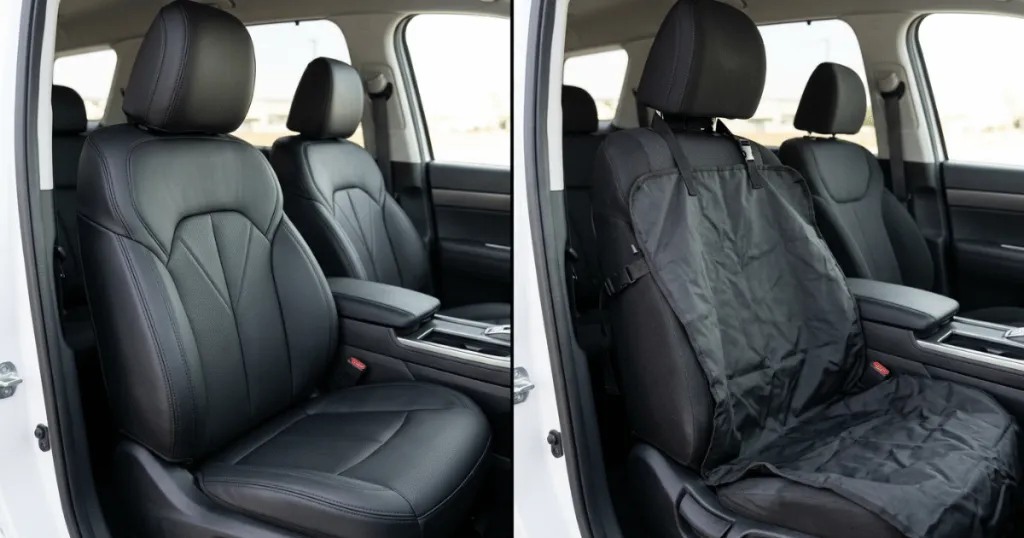
| Feature | Seat Covers | Seat Protectors |
|---|---|---|
| Coverage | Full (Back, Bottom, Headrest) | Partial (Bottom or Back only) |
| Installation | Complex (Straps, Hooks, Tucking) | Simple (Buckles, Weighted flaps) |
| Aesthetic Impact | High (Changes interior look) | Low (Minimal visual change) |
| Durability | High (Daily use) | Moderate (Occasional use) |
| Fit | Custom or Universal | Universal |
Understanding Full-Coverage Seat Covers
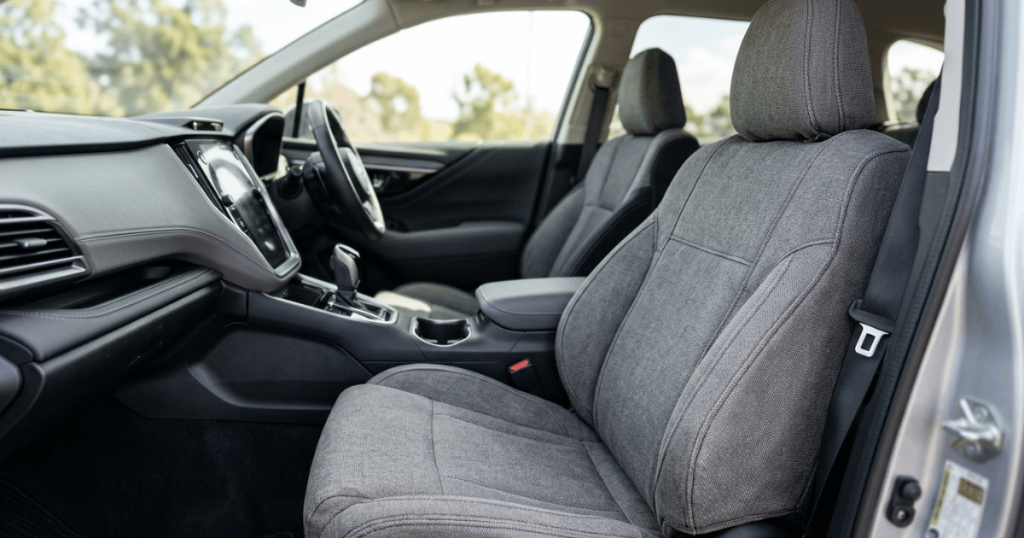
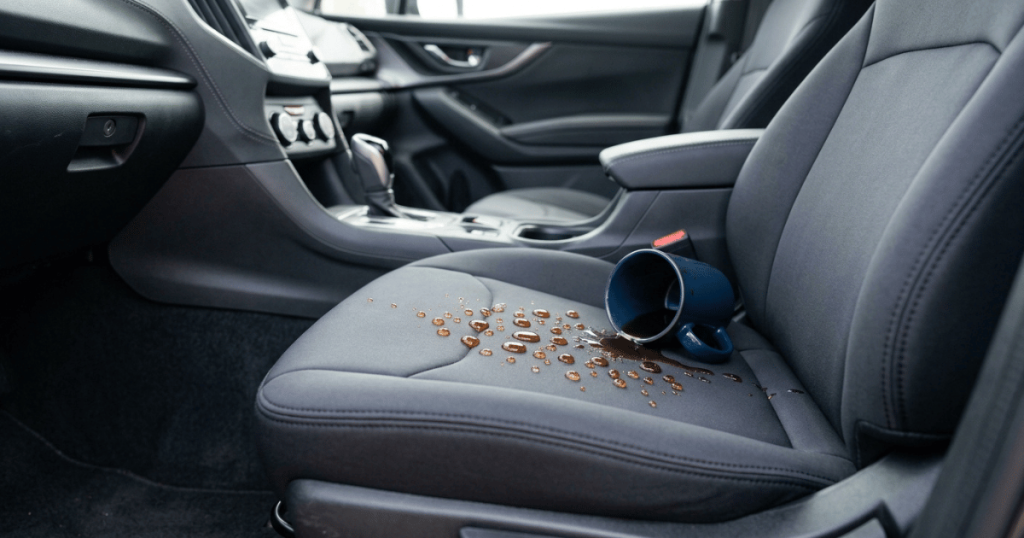
Full-coverage seat covers serve as a secondary skin for your vehicle’s interior. They are engineered to cover the entire seating surface, including the backrest, the cushion, and often the headrest. Because they wrap around the seat, they provide a barrier against UV rays, liquid spills, and general friction from daily ingress and egress.
Custom-Fit Seat Covers
Custom-fit options are manufactured to match the exact contours, seat-belt cutouts, and levers of your specific vehicle. These provide the most seamless look, often mimicking the appearance of factory leather or high-end fabric. Because they are tailored to the seat’s dimensions, they are less likely to shift or bunch during use, which helps prevent premature wear on the original upholstery underneath.
Universal-Fit Seat Covers
Universal-fit covers offer a more accessible entry point for vehicle owners. While they do not provide the tight, factory-like fit of custom versions, they are designed with adjustable straps and elastic panels to accommodate a wide variety of seat shapes. These are ideal for older vehicles or secondary cars where the primary goal is functional protection rather than a showroom-quality aesthetic.
Evaluating Targeted Seat Protectors
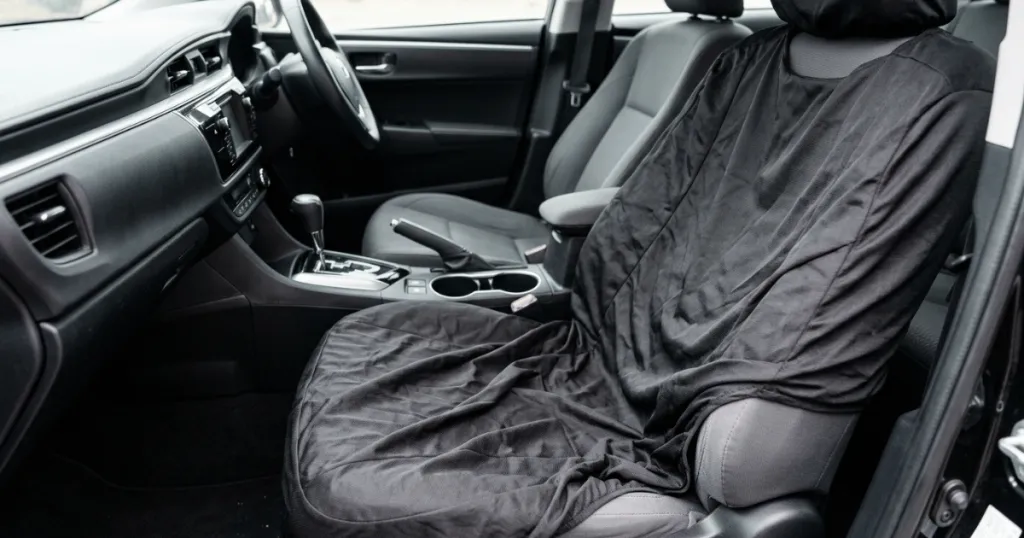
Seat protectors are essentially specialized mats or shields that focus on high-traffic zones. Unlike full covers, these products do not attempt to hide the entire seat. Instead, they sit on top of the cushion or hang over the backrest to intercept dirt and debris before it reaches the fabric or leather.
Bottom-Cushion Protectors
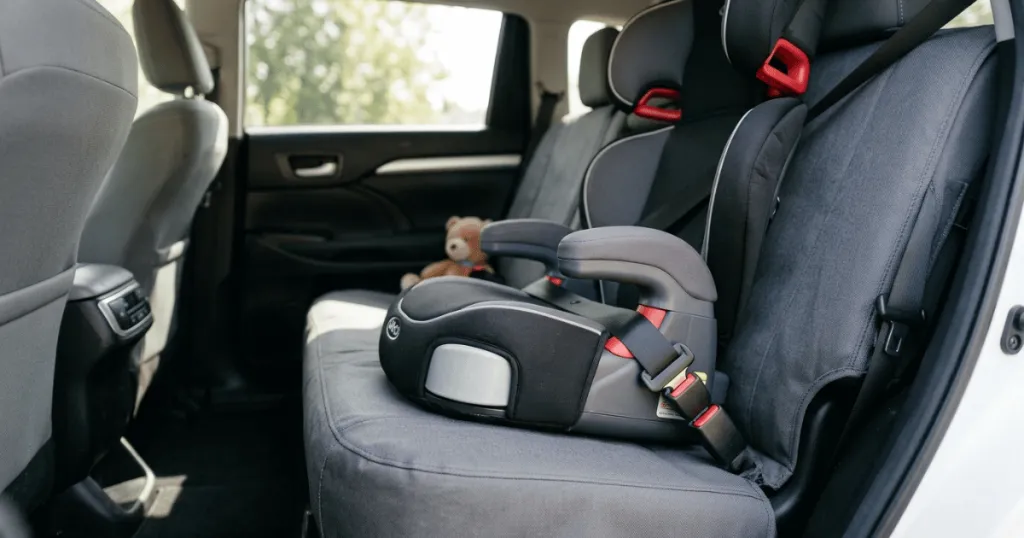
These are common for parents using child seats or pet owners who want to prevent claws from puncturing the seat base. They are usually made of heavy-duty, non-slip materials that provide a rigid barrier. Because they only cover the bottom, they are incredibly quick to install and remove, making them perfect for temporary use.
Backrest and Kick-Mat Protectors
Often used in the rear seating area, these protectors hang from the headrest to shield the seat back from muddy shoes or gear. They are particularly useful for active families or outdoor enthusiasts who frequently transport equipment. These protectors are lightweight and can be folded away in seconds when not needed, keeping the interior clean without altering the seating experience for passengers.
Key Differences and Practical Trade-offs
The decision between these two options involves balancing convenience with the level of protection required. A common mistake is assuming that a simple protector will guard against all types of damage, when in reality, it only covers a specific footprint.
Installation and Maintenance Differences
Installing a full set of seat covers is a significant project that can take anywhere from thirty minutes to several hours, depending on the complexity of the seat design. Once installed, they are typically left in place for years. Seat protectors, however, are designed for rapid deployment. You can move them from vehicle to vehicle or stash them in the trunk when you have guests who prefer the feel of the original upholstery.
Aesthetic and Comfort Impacts
Seat covers change the tactile experience of your vehicle. If you choose a thick, quilted, or neoprene material, the seat will feel softer and potentially warmer or cooler than the original. Protectors have a much smaller footprint, meaning the majority of your seat’s original comfort features, such as lumbar support or seat heating, remain unobstructed. If you enjoy the feel of your factory seats, a protector is the less intrusive option.
Choosing the Right Solution for Your Lifestyle
Your choice should be dictated by your primary use case. If you are dealing with a high-stakes environment, such as a commercial work vehicle or a car used for daily pet transport, the comprehensive nature of seat covers is almost always worth the installation effort.
For Daily Commuters and Families
If you are a daily commuter, you likely want the comfort and aesthetic upgrade that seat covers provide. They hide worn-out bolsters and protect the seat from the daily friction of getting in and out. For families with children, a combination approach often works best: use a full cover for the base to protect against spills, and add a removable protector underneath the child seat for extra padding and impact resistance.
For Occasional Use and Outdoor Hobbies
If you only need protection during specific activities, such as driving home from the gym or heading to the beach, seat protectors are the more sensible choice. They do not require a permanent commitment to a new look and can be cleaned in a standard washing machine or wiped down with a damp cloth in seconds. This flexibility is ideal for owners who want to keep their factory interior pristine for resale value while still being able to use their vehicle for rugged hobbies.
Comparing Seat Covers vs Seat Protectors for Long-Term Value
When weighing seat covers vs seat protectors, consider the long-term impact on your vehicle’s interior. Seat covers function as a durable outer shell that takes on the wear and tear of daily use, keeping the underlying factory upholstery in its original condition. If you plan to keep your vehicle for many years, this can be a significant benefit, as you can remove the covers before selling to reveal factory-fresh seats.
Protectors offer a different kind of value. They are cost-effective and low-maintenance, allowing you to protect specific trouble spots without the expense of a full set of covers. While they won’t stop a spill from hitting the seat back or sides, they are excellent for preventing the most common types of damage, such as indentations from heavy gear or surface-level dirt. Ultimately, the right choice depends on whether you prioritize a total interior overhaul or a targeted, flexible defense system.
Material Considerations for Both Options
Material selection is critical regardless of whether you choose a full cover or a protector. For seat covers, materials like neoprene or heavy-duty canvas are popular for their durability and water resistance. These materials are designed to withstand the constant friction of daily use. In contrast, seat protectors often utilize high-density foam or reinforced vinyl, which are specifically chosen for their ability to distribute weight and resist punctures from heavy objects like car seats or sports equipment.
Addressing Common Misconceptions
A frequent misconception is that seat covers are strictly for aesthetic purposes. While they do change the look of the cabin, their primary function is to serve as a durable barrier. Conversely, some owners believe that seat protectors are less effective because they are smaller. However, in scenarios where the goal is to protect against specific, localized damage, a high-quality protector can be more effective than a poorly fitted or thin seat cover. The key is matching the product to the specific threat your upholstery faces.
Installation Nuances and Vehicle Compatibility
When considering seat covers vs seat protectors, think about your vehicle’s specific seat configuration. Vehicles with complex seat adjustments, integrated armrests, or unique headrest shapes may present challenges for universal seat covers. In these cases, custom-fit covers are the only way to achieve a professional look. Seat protectors, being less structured, are generally more forgiving and can be used across a wider range of vehicle types without requiring specialized modifications or complex installation steps.
FAQ
Can I use seat protectors and seat covers at the same time?
Yes, many owners use both. A full seat cover provides a base layer of protection and style, while a removable seat protector can be placed on top to handle extreme messes like mud or heavy cargo.
Do seat protectors affect the comfort of my car seats?
Generally, no. Because seat protectors only cover a portion of the seat, they do not interfere with the overall ergonomics or comfort of your factory seats, unlike some thicker seat covers.
Which option is better for protecting against pet claws?
For pet claws, seat covers are usually better because they provide full coverage of the seat back and sides. A seat protector might leave the bolsters or upper backrest exposed to damage.