A universal seat cover is designed to provide a broad-spectrum solution for vehicle interior protection, aiming to accommodate a wide variety of seat shapes and sizes through adjustable attachment systems. Unlike custom-fit options that are precision-engineered for a specific make and model, these covers rely on elasticized edges, straps, and hooks to bridge the gap between different seat dimensions. They are essentially a one-size-fits-most approach to upholstery maintenance.
Because these covers are intended to be versatile, they often prioritize ease of installation and broad compatibility over a glove-like fit. For many vehicle owners, this trade-off is a practical choice when looking to shield original upholstery from daily wear, pet hair, or spills without the cost or lead time associated with vehicle-specific manufacturing. Recognizing how these covers interact with your specific seat architecture helps in managing your expectations regarding their visual finish and long-term durability within your cabin.
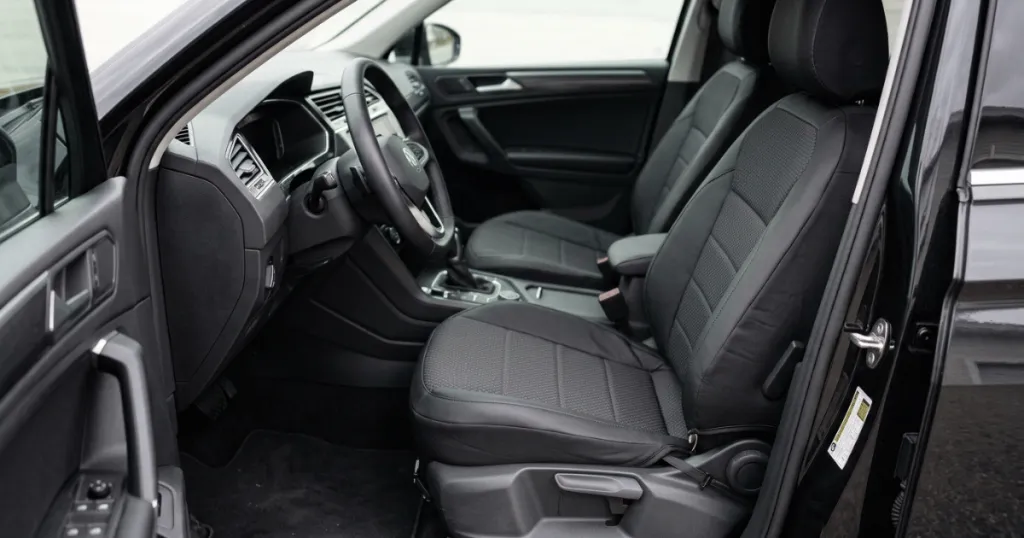
The Core Mechanics of a Universal Seat Cover
The primary appeal of a universal seat cover lies in its adaptability. Manufacturers achieve this by utilizing flexible materials and modular attachment points that allow the fabric to stretch or cinch around the contours of a standard bucket or bench seat. This design philosophy assumes that most automotive seats share a similar basic geometry, even if the exact bolsters, headrest widths, and seat-back angles vary significantly between brands.
The Role of Elasticity and Tension
Most universal covers incorporate significant amounts of spandex or high-stretch polyester blends. This elasticity is what allows the cover to pull taut over the seat bottom and backrest. In practice, this means the cover can accommodate variations in cushion thickness or seat-back height. However, the tension provided by these materials must be balanced; too much stretch can lead to premature sagging, while too little can result in excessive bunching or shifting during entry and exit.
Attachment Systems and Hardware
To keep the material in place, these covers utilize a combination of integrated straps, S-hooks, and tension cords. These components are designed to be threaded through the gap between the seat cushion and the backrest, known as the seat bight, and anchored to the metal frame underneath the seat. The effectiveness of a universal seat cover often depends entirely on how securely these anchors can be fastened to the seat frame, which varies wildly depending on the vehicle’s under-seat clearance and wiring harness layout.
Real-World Context for Universal Fitment
When you install a universal seat cover, the final result is rarely identical to the factory upholstery. The nature of a non-specific design means there will almost always be areas where the fabric does not perfectly conform to the seat’s curves. Recognizing these limitations is part of the process of choosing the right accessory for your specific vehicle.
Variations in Seat Geometry
Modern vehicle seats often feature aggressive bolsters or integrated headrests that can complicate the installation of a universal cover. If your vehicle has high-back bucket seats with non-removable headrests, for example, a standard low-back cover will simply not fit. Conversely, if your seats have very wide side bolsters, the cover may pull tight across the center while leaving gaps on the sides, which can lead to the cover shifting when you sit down.
The Impact of Seat Features
Many vehicles include features like manual or power seat adjustments, lumbar support knobs, and seat-mounted controls. A universal seat cover is rarely pre-cut for these specific locations. Owners often find themselves having to tuck the cover carefully around these controls or, in some cases, modify the cover slightly to ensure that the controls remain accessible. This is a common reality for those who prioritize the protective benefit of the cover over a seamless, factory-look finish.
Why Fitment and Material Choice Matter
Choosing the right cover involves balancing the need for protection against the realities of your vehicle’s interior layout. A poorly fitted cover can actually accelerate wear on the original upholstery if it constantly shifts against the seat fabric, creating friction that leads to pilling or surface abrasion. This is why the material you choose is just as important as the fit itself.
Balancing Protection and Breathability
If you live in a climate with extreme temperature swings, the material of your universal seat cover will dictate your comfort level. Synthetic materials like neoprene or heavy-duty faux leather offer excellent protection against liquids and dirt, but they can become quite hot in direct sunlight or cold during the winter. Breathable fabrics, such as heavy-duty canvas or woven polyester, are often more comfortable for long drives but may not provide the same level of moisture resistance if you are frequently transporting pets or gear.
Managing Expectations for Longevity
Because universal seat covers are subjected to more stress and movement than custom-fit versions, their lifespan is generally shorter. The constant tension on the elastic straps and the friction caused by the cover shifting during daily use will eventually lead to material fatigue. To maximize the life of your cover, it is helpful to periodically check the attachment points and re-tighten any straps that have loosened over time. This simple maintenance step prevents the cover from becoming a nuisance and ensures it continues to provide the intended protection for your factory seats.
Realities of Universal Fitment
One of the most frequent misunderstandings is the belief that a universal seat cover will look exactly like a professional reupholstery job. In reality, the goal of these covers is utility and protection, not aesthetic perfection. Expecting a universal product to hide all the contours of a complex seat design often leads to disappointment. It is more accurate to view these covers as a functional layer that preserves the underlying seat condition.
Another common mistake is assuming that all universal covers are compatible with every vehicle. While they are designed for broad application, they are not truly universal in the literal sense. Vehicles with unique seat shapes, such as those found in some sports cars or older vintage models, may simply be incompatible with the standard patterns used for these covers. Always verify the basic dimensions of your seats against the manufacturer’s suggested fitment range before proceeding with an installation.
Finally, there is the assumption that a thicker material is always better. While thicker materials provide more padding and resistance to tears, they are also harder to install and more difficult to conform to the seat’s shape. A thinner, more flexible material is often easier to secure firmly, which ultimately leads to a better-looking and more stable fit than a heavy, rigid material that refuses to sit flush against the seat surface.
Strategic Considerations for Long-Term Use
Beyond the initial installation, the ongoing utility of a universal seat cover depends on how well it interacts with your daily routine. For those using their vehicle for rideshare or commercial purposes, the frequency of entry and exit places significant strain on the seat bolsters. In these scenarios, a universal cover with reinforced stitching or a multi-panel construction is preferable, as it distributes the tension across more seams rather than relying on a single large piece of fabric that may tear under repetitive stress.
Furthermore, consider the interaction between the cover and your vehicle’s existing seat features. If your seats have integrated heating or cooling elements, a thick, non-porous universal cover can act as an insulator, significantly reducing the effectiveness of these systems. If you rely on heated seats during the winter, look for materials that are rated for thermal conductivity or opt for a thinner, more breathable fabric that allows the heat to transfer through to the occupant.
Maintenance is another critical factor. Because universal covers are often removed and reinstalled for cleaning, the durability of the attachment hardware, the hooks, buckles, and elastic loops, becomes a primary point of failure. Over time, plastic buckles can become brittle, and elastic cords may lose their memory. Periodically inspecting these components ensures that the cover remains securely anchored, preventing the dangerous situation where a loose cover interferes with your ability to operate the vehicle pedals or controls.
Ultimately, a universal seat cover is a tool for preservation. By choosing a design that aligns with your vehicle’s seat geometry and your specific usage patterns, you can effectively shield your interior from the rigors of daily life. While it may not offer the precision of a custom-fit alternative, the flexibility and accessibility of universal options make them a cornerstone of practical vehicle interior maintenance.
FAQ
Can a universal seat cover be used on seats with built-in armrests?
Most universal seat covers are designed for standard bucket or bench seats and do not include openings for built-in armrests. If your vehicle has armrests, you would typically need to either leave the armrests up or modify the cover to accommodate them, which may affect the fit and overall durability of the universal seat cover.
How do I know if a universal seat cover will fit my specific vehicle?
To determine if a universal seat cover will work for you, measure the width of your seat cushion, the height of the seat back, and check for the presence of headrests. Compare these dimensions against the manufacturer’s provided size range. It is also important to ensure your seat design does not have unique features like integrated seat belts or non-removable headrests that would prevent the cover from sliding on.
Will a universal seat cover shift during daily driving?
Yes, some shifting is common with universal seat covers because they are not molded to the specific contours of your seat. To minimize this, ensure that all straps and hooks are pulled as tight as possible and anchored securely to the seat frame. Regularly checking these attachment points can help keep the cover in place.