When you own a vehicle with a rear bench that offers independent folding or reclining capabilities, finding the right interior protection requires more than just picking a standard sheet of fabric. A split bench seat cover is specifically engineered to accommodate these mechanical hinges, allowing you to fold down one section of the seat while keeping the other upright. This functionality is common in many SUVs, trucks, and sedans, and it remains a critical factor in maintaining both the aesthetics and the utility of your vehicle’s interior.
Choosing the correct design ensures that you do not lose the versatility your vehicle was built for. Many owners find that standard, one-piece covers restrict the movement of their rear seats, effectively locking them into a single position. By focusing on the specific configuration of your split bench, you can ensure that your upholstery remains protected without compromising the ability to transport larger cargo or adjust passenger comfort on the fly.
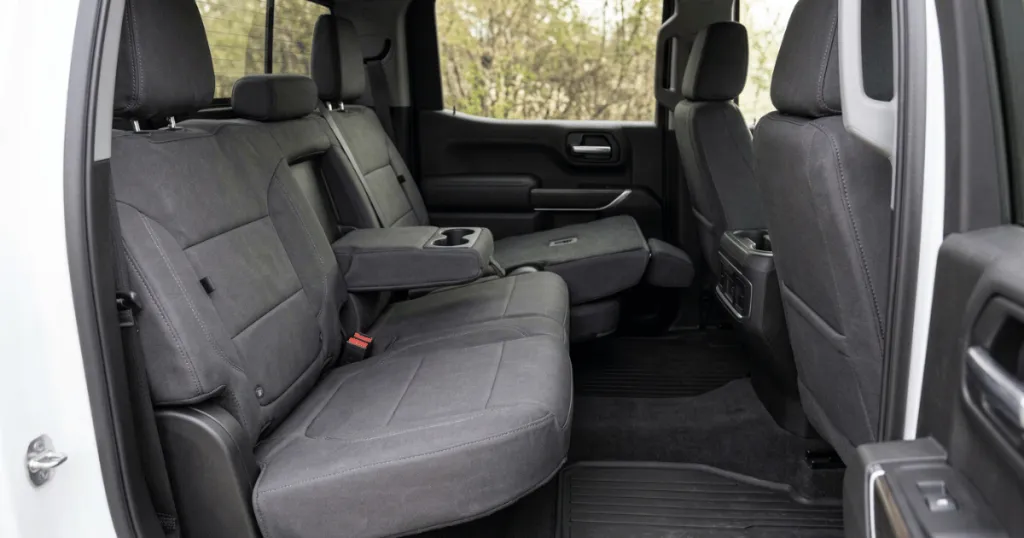
Factors Influencing Your Choice of Split Bench Seat Cover
The primary challenge with these seats is the gap between the sections. Because the seats are designed to move independently, the cover must account for the pivot points and the latch mechanisms that allow for this movement. A poorly fitted cover will bunch up near the hinges, potentially interfering with the locking mechanism or creating unsightly folds that wear out prematurely.
The Importance of Independent Sectioning
When you look for a split bench seat cover, the most vital feature is the presence of separate panels for each seat section. These covers typically arrive as a set, with individual pieces for the backrest and the seat base of each side of the split. This modular approach allows the cover to move in tandem with the seat, maintaining a clean, wrinkle-free appearance even when the seat is folded down. If you select a cover that lacks these segmented panels, you essentially forfeit the utility of your split-folding rear bench.
Accounting for Seat Hardware and Hinges
Beyond the fabric panels, you must consider how the cover interacts with the seat hardware. Many modern vehicles include built-in seatbelt receivers or child restraint anchors that protrude from the seat surface. A high-quality split bench seat cover will feature reinforced openings or strategic cutouts that allow these components to remain accessible. When the cover is installed correctly, these openings should align perfectly with the hardware, preventing the fabric from fraying or tearing under the pressure of daily use.
Real-World Scenarios for Split Bench Configurations
Different vehicles utilize different split ratios, such as 60/40 or 50/50. Identifying the exact folding pattern of your rear row is the essential first step in ensuring a successful installation. A 60/40 split means one section is wider than the other, and the cover must reflect this asymmetry to function correctly. If you attempt to install a 50/50 cover on a 60/40 seat, the seams will never align, and the cover will likely shift or slide during normal operation.
The 60/40 Split Configuration
This is perhaps the most common layout in modern SUVs and crossover vehicles. The larger section typically sits behind the driver or passenger side, providing a wider area for passengers while the smaller section can be folded down for extra cargo space. When selecting a cover for this layout, verify that the manufacturer has clearly labeled the panels for the larger and smaller sections. Installing these incorrectly is a common mistake that leads to poor fitment and premature tension on the seams.
The 50/50 Split Configuration
Often found in smaller sedans or specific truck models, the 50/50 split offers a symmetrical folding pattern. While this might seem easier to install, the challenge lies in the center seam. Because both sides move independently, the center point where the two covers meet must be secured firmly to prevent gaps. Some designs use hook-and-loop fasteners or elastic tensioners to bridge the transition between sections, keeping the upholstery underneath fully protected regardless of the seat’s position.
Why Dedicated Design Enhances Interior Longevity
The primary reason to prioritize a dedicated split bench seat cover over a generic bench cover is the preservation of the seat’s mechanical integrity. When a cover is too tight or incorrectly aligned, it puts unnecessary stress on the seat’s hinges and latches. Over time, this tension can lead to mechanical failure or, at the very least, make it difficult to operate the folding mechanism. A well-fitted cover acts as a second skin, moving with the seat rather than fighting against it.
Furthermore, a precise fit prevents the accumulation of debris in the crevices between the seat sections. The gap in a split bench is a magnet for crumbs, dust, and pet hair. If your cover does not adequately seal this area, these particles will work their way into the hinges and the internal foam of the seat. By choosing a design that accounts for the specific geometry of your bench, you are not just covering the surface; you are creating a barrier that keeps the seat’s internal components clean and functional.
Material Selection and Environmental Considerations
The choice of material for a split bench seat cover should be dictated by your specific usage scenario. For owners who frequently transport pets, a heavy-duty canvas or high-denier polyester is often preferred due to its resistance to claw punctures and its ability to be wiped down easily. These materials are generally robust but can be stiffer, so ensure the design includes adequate articulation points at the seat hinges to prevent the cover from bunching during folding.
Conversely, if your primary goal is passenger comfort in a daily commuter vehicle, breathable fabrics or synthetic blends that mimic the feel of factory upholstery may be more appropriate. These materials offer better temperature regulation, which is vital if your vehicle is parked in direct sunlight for extended periods. When selecting these softer materials, pay close attention to the backing; a non-slip backing is essential for split bench configurations to ensure that the individual panels do not slide out of place when passengers get in and out of the vehicle.
Installation Nuances and Tension Management
Installing a split bench seat cover is a multi-step process that requires patience. Unlike a single-piece cover, you are managing multiple independent panels that must be anchored to the seat frame. Start by identifying the orientation of each panel, most manufacturers include tags indicating the driver-side or passenger-side placement. Once positioned, the tensioning system is the most critical component. Whether using straps, hooks, or elastic cords, ensure that the tension is distributed evenly across the panel.
Uneven tension is the leading cause of premature seam failure. If one side of the cover is pulled tighter than the other, the fabric will eventually migrate toward the tighter side, creating gaps and exposing the original upholstery. Periodically checking the tension after the first few weeks of use is a recommended maintenance practice. As the material settles and conforms to the shape of the seat, you may find that you need to tighten the straps slightly to maintain a snug, factory-like appearance.
Addressing Myths About One-Size-Fits-All Solutions
A frequent error is the belief that a “universal” bench seat cover can be adapted for a split bench by simply cutting the fabric. While this might seem like a quick fix, it almost always results in a compromised product. Cutting the material destroys the hemmed edges, which are essential for preventing fraying. Once the structural integrity of the fabric is breached, the cover will begin to unravel, eventually leaving your seats exposed and the cover looking ragged.
Another misunderstanding is that thicker materials are always better for split benches. While durability is important, a material that is too stiff or heavy will actually hinder the folding process. The cover needs to be flexible enough to bend with the seat. If the material is too rigid, it will create large, bulky folds that prevent the seat from locking back into its upright position. Always look for materials that offer a balance between abrasion resistance and pliability, ensuring that the cover remains functional for the life of the vehicle.
Long-Term Care and Maintenance
To maximize the lifespan of your split bench seat cover, regular maintenance is required. Because these covers are exposed to high-traffic areas, they are susceptible to surface dirt and spills. Vacuuming the seams and the areas near the hinges is particularly important, as this is where debris tends to accumulate. If the cover is machine-washable, follow the manufacturer’s instructions carefully, as high-heat drying can cause synthetic materials to shrink, which will permanently alter the fitment and make it difficult to re-install the cover over your seat’s hinges.
If you notice the cover starting to shift, do not simply pull on the fabric. Inspect the anchor points underneath the seat to ensure that the elastic or straps have not come loose. Over time, the constant vibration of the vehicle can cause these fasteners to loosen. A quick adjustment of the tensioning system is usually all that is needed to restore the cover to its original position. By treating the cover as an integrated part of your vehicle’s seating system rather than a temporary accessory, you ensure that both the cover and the underlying upholstery remain in excellent condition for years to come.
FAQ
Can I use a one-piece bench seat cover on a split bench seat?
Using a one-piece cover on a split bench seat is generally not recommended. It will prevent you from folding the seats independently, effectively disabling the split-folding feature of your vehicle.
How do I determine if my vehicle has a 60/40 or 50/50 split?
You can determine your split by folding the seats down and observing the width of each section. If one section is noticeably wider than the other, you have a 60/40 split. If both sections are equal in width, you have a 50/50 split.
Will a split bench seat cover interfere with my seatbelts?
A properly designed split bench seat cover should include cutouts or openings that allow your seatbelts and buckles to remain fully accessible and functional.