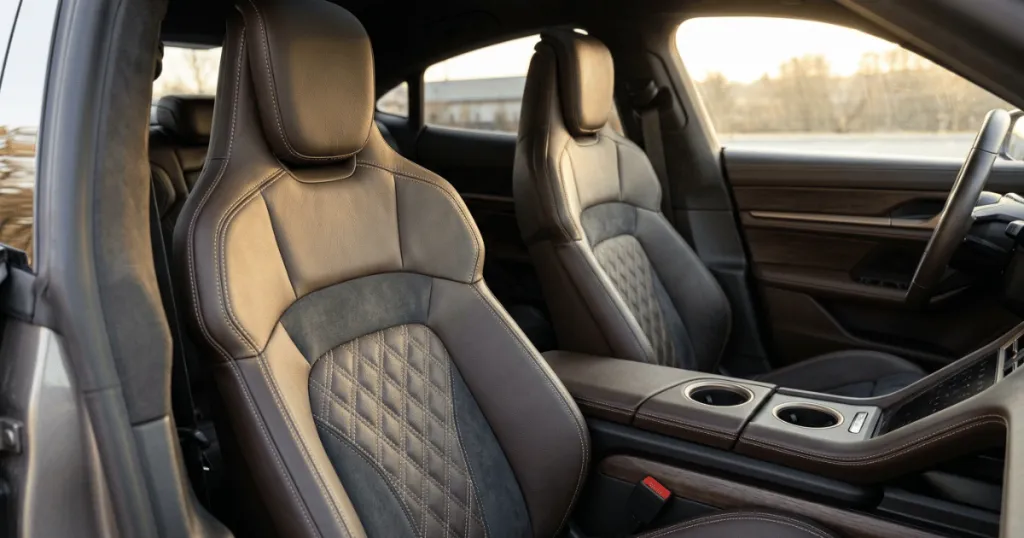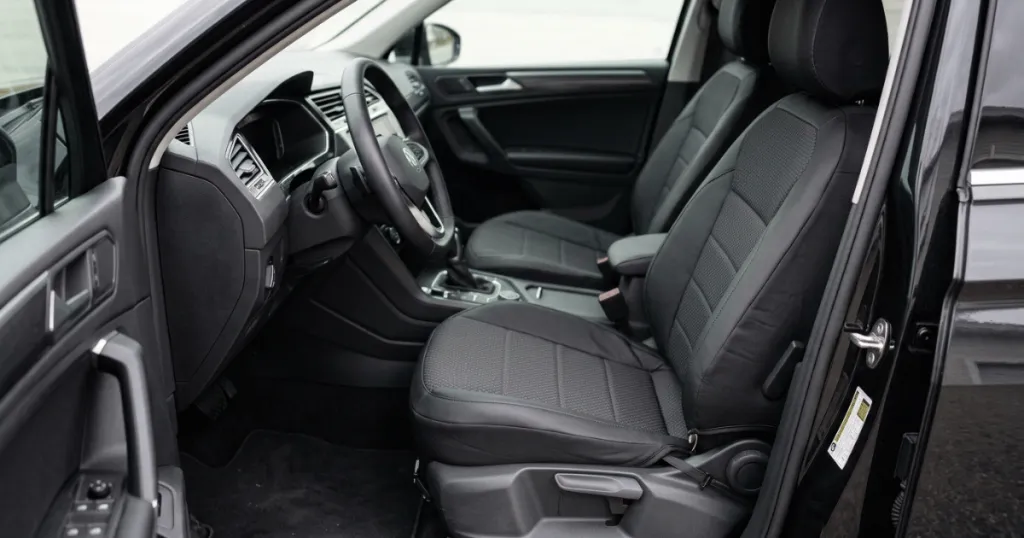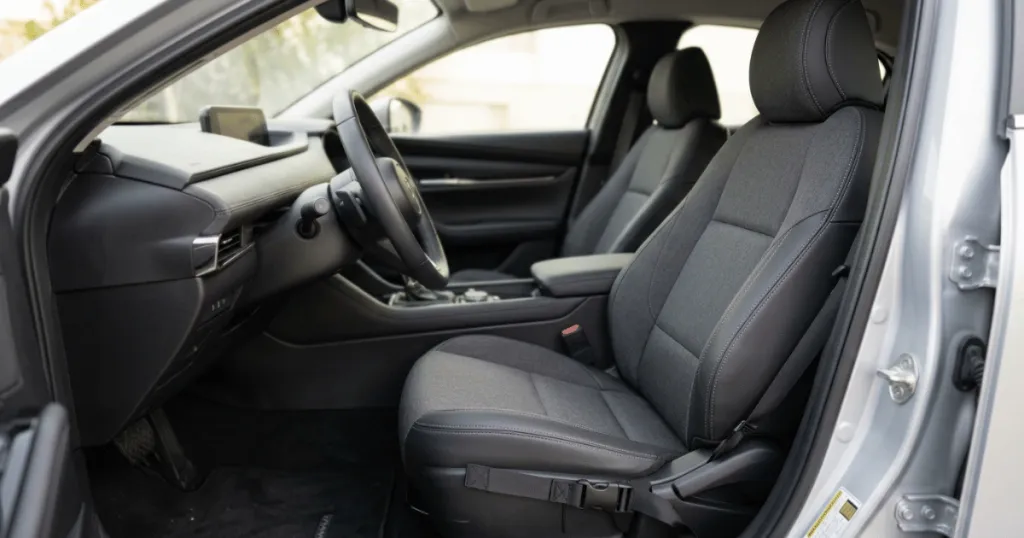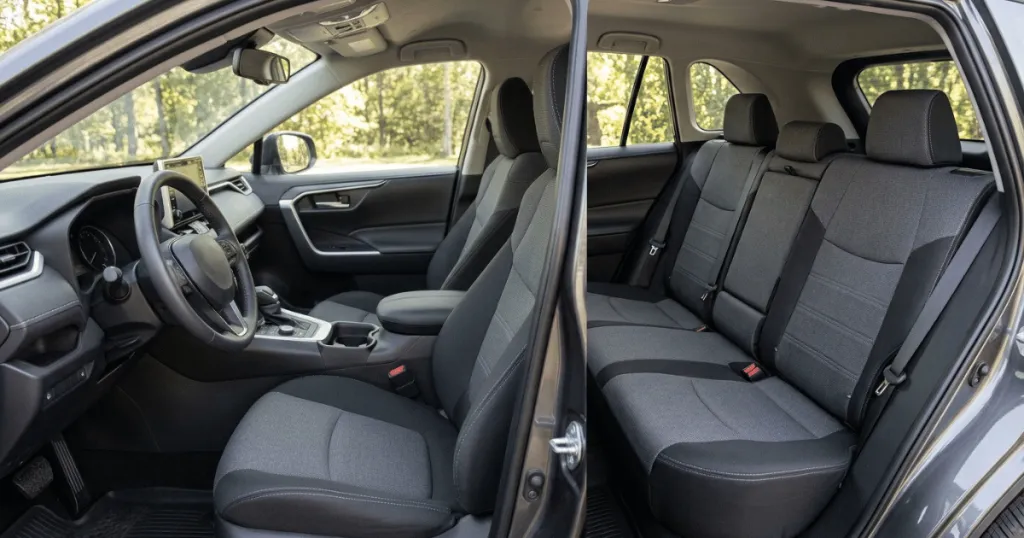
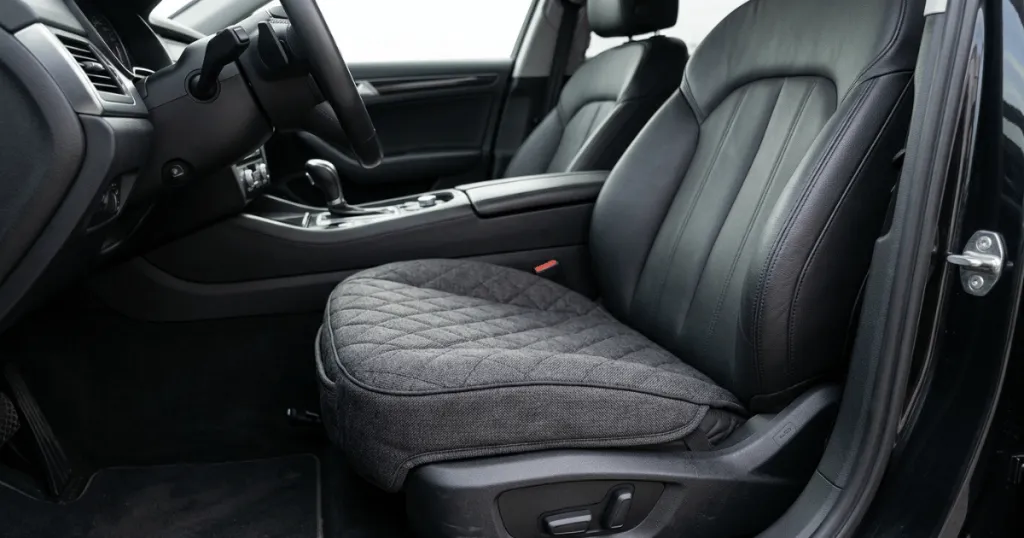
A seat cushion cover is a targeted upholstery solution designed to protect the most frequently used portion of your vehicle’s seating. Unlike full-seat covers that drape over the entire backrest and headrest, these focused pieces specifically target the bottom section where weight, friction, and spills occur most often. By isolating the area that endures the highest amount of daily wear, they provide a strategic barrier that preserves the underlying factory material without requiring a complete interior overhaul.
For many drivers, the decision to install a seat cushion cover stems from a desire to maintain resale value or simply to address localized damage. Whether you are dealing with a worn-out driver-side bolster or trying to shield your upholstery from the daily rigors of a commute, these covers offer a practical, modular approach to interior care. They allow you to address specific high-traffic zones while leaving the rest of your vehicle’s aesthetic untouched.
Factors Influencing Your Choice of Seat Cushion Covers
Selecting the right material for your seat cushion cover depends heavily on how you use your vehicle. The material dictates not only the level of protection but also the comfort and breathability you experience during long drives. Understanding the trade-offs between various options ensures the cover performs as expected in your specific environment.
Synthetic Fabrics for Daily Commuting
Synthetic fabrics, such as polyester blends or heavy-duty canvas, are often chosen for their resilience and ease of cleaning. These materials are typically engineered to resist snagging and fading, making them ideal for vehicles used in daily urban driving. They provide a sturdy layer that handles the friction of getting in and out of the car repeatedly, which is the primary cause of fabric thinning on factory cushions.
Neoprene and Water-Resistant Options
Neoprene is a popular choice for those who frequently transport pets, sports gear, or work in environments where moisture is a concern. Because it is inherently water-resistant, it prevents liquids from soaking into the foam padding of your seat, which can cause odors and mold growth over time. This material is particularly effective for outdoor enthusiasts or those living in climates with frequent rain, as it provides a reliable shield against damp clothing.
Faux Leather and Vinyl Finishes
Faux leather or high-quality vinyl covers offer a more polished look that mimics the appearance of luxury upholstery. These materials are non-porous, meaning they wipe clean instantly if a drink spills or dirt is tracked onto the seat. While they provide excellent protection against stains, they may retain heat more than fabric options, so they are often paired with perforated designs to improve airflow and overall comfort.
Practical Scenarios and Vehicle Context
The effectiveness of a seat cushion cover is often determined by the specific seat type it is meant to fit. Not all vehicle interiors are identical, and the shape of your seat plays a significant role in how well a cover will stay in place and provide the intended protection.
Adapting to Bucket Seats
Bucket seats, common in most modern sedans and SUVs, feature defined side bolsters that provide support during cornering. A seat cushion cover for this type of seat must be contoured correctly to avoid bunching up in the corners. Look for designs that feature elasticized edges or strap systems that secure the cover deep into the seat crevice, ensuring it remains taut even when you shift your weight.
Addressing Bench and Split-Bench Configurations
In trucks and larger SUVs, bench seats present a different set of challenges. If you have a split-bench configuration, you need to ensure the cover does not interfere with the folding mechanism or the seatbelt buckles. Individual cushion covers are often better than a single long piece here, as they allow for independent movement of each seat section, maintaining full functionality of the vehicle’s interior layout.
Preserving Your Vehicle’s Long-Term Interior Value
The primary reason to use a seat cushion cover is to prevent the permanent degradation of your vehicle’s factory upholstery. Over time, the constant pressure from sitting, combined with exposure to sunlight and abrasive particles like sand, causes the original fabric or leather to fray, crack, or lose its color. By installing a protective layer, you essentially sacrifice the cover to save the seat beneath it, which is far more expensive to repair or replace.
Beyond physical protection, these covers also help maintain a cleaner cabin environment. Factory seat materials often trap dust, dander, and allergens deep within their fibers. A removable cover acts as a filter, catching these particles on the surface where they can be easily vacuumed or laundered. This is particularly important for owners who suffer from allergies or those who frequently travel with pets, as it significantly reduces the accumulation of dander in the vehicle’s upholstery.
Ultimately, a seat cushion cover is an investment in the longevity of your interior. By proactively covering the high-wear areas, you avoid the need for professional deep cleaning or upholstery repair down the road. It is a simple, effective strategy for keeping your car’s interior looking fresh and well-maintained regardless of how many miles you drive.
Common Misconceptions Regarding Installation and Fitment
One frequent mistake is assuming that a universal seat cushion cover will provide a perfect, factory-like fit for every vehicle. While many are designed with adjustable straps to accommodate a wide range of seat sizes, the reality is that the contour of your specific seat will dictate how well the cover stays put. A cover that is too large may slide around, creating a distraction, while one that is too small may put excessive tension on the stitching, leading to premature failure.
Another common misunderstanding is the belief that a thicker, more padded cover is always better. While extra cushioning can certainly improve comfort on long trips, an overly thick cover can change your seating position, potentially making it difficult to reach the pedals comfortably or affecting your line of sight. It is important to balance the desire for added softness with the need to maintain your natural, safe driving posture. Always check that the cover does not interfere with your ability to operate the vehicle controls effectively.
Ergonomic Considerations and Comfort Enhancements
Beyond protection, many owners seek out seat cushion covers to augment the ergonomic profile of their factory seating. If your vehicle’s seat has lost its original firmness or if you find the factory padding insufficient for long-distance travel, a cushion cover with integrated high-density foam or gel inserts can provide much-needed support. These additions can help distribute body weight more evenly across the seat surface, reducing pressure points that often lead to fatigue during extended periods behind the wheel. When evaluating these options, consider the density of the padding; a firmer insert generally provides better long-term support than a soft, plush material that may compress completely under your weight.
Climate-Specific Usage and Material Performance
The interior temperature of your vehicle varies significantly based on your geographic location and the season. In hot, humid climates, breathable materials like mesh or perforated fabrics are essential for preventing moisture buildup between your body and the seat. Conversely, in colder regions, materials that do not become excessively cold to the touch or that offer a slight insulating property can make the initial minutes of a drive much more comfortable. Regardless of the material, ensure that the cover’s backing is designed to be heat-stable, as extreme interior temperatures during summer months can cause low-quality adhesives or rubberized backings to degrade or leave residue on your factory upholstery.
Strategic Maintenance for Longevity
To maximize the utility of your seat cushion cover, establish a routine maintenance schedule that aligns with your vehicle usage. For those who drive in dusty or off-road conditions, regular vacuuming of the cover’s surface is critical to prevent abrasive particles from working their way through the fabric and into the seat foam. If your cover is machine-washable, follow the manufacturer’s instructions carefully regarding water temperature and drying methods; high heat can often shrink synthetic fabrics or damage the non-slip backing, rendering the cover ineffective. For non-removable or spot-clean-only materials, using a mild upholstery cleaner and a soft-bristled brush can effectively remove surface grime without compromising the integrity of the material.
FAQ
Can a seat cushion cover be used on heated seats?
Yes, most seat cushion cover options are compatible with heated seats. However, thicker materials may slightly delay the time it takes for the heat to penetrate through to the surface. It is best to choose breathable fabrics if you use your seat heaters frequently.
How often should I remove and clean my seat cushion cover?
The frequency depends on your usage. For daily commuters, a monthly shake-out or vacuuming is usually sufficient. If you use your vehicle for off-road trips or transport pets, you may want to remove and wash the cover every few weeks to prevent dirt and dander from working through to the seat beneath.
Will a seat cushion cover move around while I am driving?
Quality covers include anchor systems like straps, hooks, or non-slip backing to prevent shifting. If you find your cover is sliding, ensure the retention straps are tightened securely into the seat crease. A properly installed seat cushion cover should remain stable during normal driving conditions.