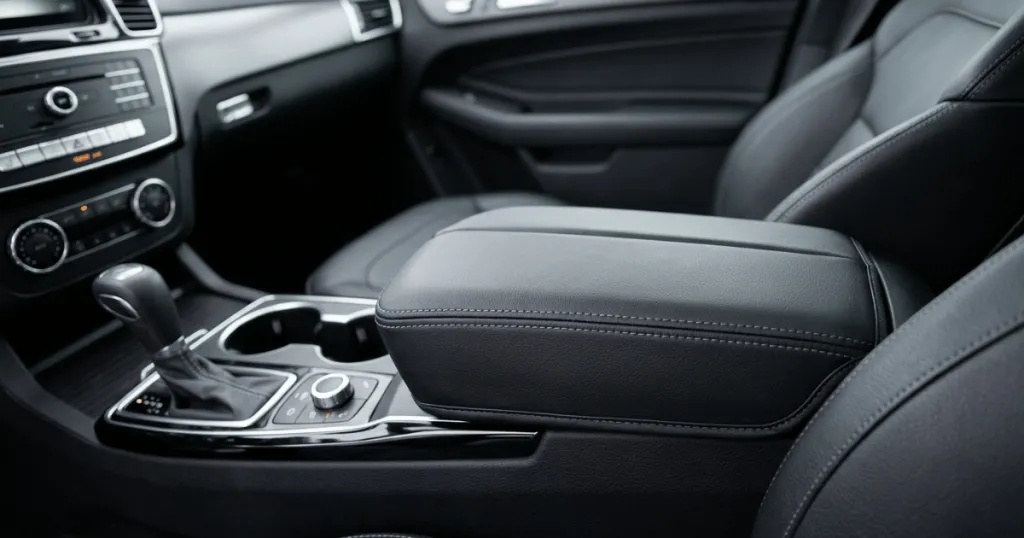
An armrest cover serves as a protective layer for the center console lid, which is often one of the most frequently touched surfaces in a vehicle. Because this area is subject to constant contact from elbows, keys, and everyday items, the original upholstery can quickly show signs of thinning, cracking, or permanent staining. Installing a cover creates a durable shield that preserves the underlying material while offering a simple way to refresh the look of your cabin.
Beyond basic protection, these covers often introduce additional comfort features, such as extra padding or moisture-wicking fabrics. Whether you are dealing with a worn-out factory finish or simply want to prevent future damage in a new vehicle, selecting a cover that matches your console’s dimensions is vital for long-term interior maintenance. Integrating an armrest cover into your routine care helps maintain the resale value of your vehicle by keeping high-traffic touchpoints in pristine condition.
Factors Influencing Material and Fitment
Selecting the right cover requires an understanding of how different materials interact with your specific vehicle usage. High-traffic environments, such as rideshare vehicles or cars used by families with pets, demand materials that prioritize durability and ease of cleaning over purely aesthetic choices.
Synthetic Leather and Faux Leather Options
Synthetic leather is a popular choice for those seeking a balance between a premium look and practical maintenance. These materials are generally non-porous, meaning they resist liquid spills and are easy to wipe down with a damp cloth. In practice, faux leather provides a consistent texture that mimics natural hides without the need for specialized conditioning treatments. This material is particularly effective at resisting the oils from skin that typically cause discoloration on factory-installed consoles over time.
Neoprene and Fabric Alternatives
Neoprene is frequently selected for its water-resistant properties and slight cushioning effect, making it a favorite for outdoor-oriented vehicle owners. Because it is a closed-cell rubber, it does not absorb sweat or spilled drinks, which prevents odors from setting into the console lid. Fabric covers, conversely, offer a softer touch and better breathability, which can be more comfortable during long drives in hot climates. While fabric may require more frequent vacuuming to remove dust, it provides a tactile comfort that synthetic alternatives cannot match.
Real-World Usage Scenarios of Armrest Covers
The way you use your vehicle dictates the type of cover that will provide the most benefit. Different environments place unique stresses on the center console, and matching your choice to these conditions prevents premature material failure.
Daily Commuting and High-Traffic Wear
For the daily commuter, the primary concern is the repetitive friction caused by resting an elbow on the console. Over time, this constant pressure can lead to “shiny” spots on leather or thinning fabric in specific areas. A durable, abrasion-resistant cover acts as a buffer, taking the brunt of this friction. If your daily route involves long hours behind the wheel, look for options that include memory foam or high-density padding to improve ergonomic comfort and reduce fatigue.
Family and Pet-Friendly Interior Needs
Vehicles used for family transport or pet travel face different risks, such as claw marks, food crumbs, and accidental spills. In these scenarios, a waterproof or highly stain-resistant material is the most practical solution. A snug-fitting cover that wraps securely around the console lid ensures that debris does not work its way into the seams of the original upholstery. When selecting a cover for these conditions, prioritize options with reinforced stitching to ensure the cover stays in place even when pets or children are moving around the cabin.
The Importance of Console Preservation
The center console lid is more than just a storage box; it is a central feature of your vehicle’s interior design. Once the original material on the lid begins to peel or crack, it becomes a focal point of wear that can make an otherwise well-maintained interior look neglected. Replacing a factory console lid is often an expensive process that involves sourcing specific parts from the manufacturer, whereas an armrest cover offers a cost-effective, easily replaceable solution that keeps the interior looking uniform.
Furthermore, UV exposure through the windshield can accelerate the degradation of console materials, leading to brittleness and fading. A high-quality cover provides a shield against these harmful rays, extending the lifespan of the underlying factory upholstery. By treating the armrest cover as a proactive maintenance tool rather than just an accessory, you ensure that your vehicle’s interior remains comfortable and visually appealing for years to come.
Addressing Common Myths About Console Protection
A frequent error is the assumption that a thicker cover always provides better protection. While padding is beneficial for comfort, an excessively thick cover can interfere with the latch mechanism of the console, making it difficult to close securely. Always verify that the thickness of the cover does not impede the functionality of the console lid or the comfort of the driver’s arm position.
Another common misunderstanding is that all covers are universally compatible. Because console lids vary significantly in shape, ranging from flat, rectangular designs to contoured, ergonomic shapes, a generic cover may bunch up or slide, which can be distracting while driving. A well-fitted armrest cover should be designed to accommodate the specific geometry of your console lid to ensure it stays taut and does not shift during use. Prioritizing a secure fit over a universal, one-size-fits-all approach is the best way to ensure long-term satisfaction with your interior protection strategy.
Installation Dynamics and Securement Methods
Achieving a clean, stable fit is the key to ensuring your cover stays in place during daily use. Most armrest covers utilize elasticized edges, hook-and-loop fasteners, or strap-based systems to remain anchored. Elasticized edges are generally the easiest to install, functioning similarly to a fitted sheet, but they may lose tension over time depending on the quality of the elastic. Strap-based systems, which often tuck into the underside of the console lid, offer a more permanent, “factory-installed” appearance. When evaluating these methods, consider how frequently you access the storage compartment beneath the lid. If you use the console for frequent storage, ensure the cover does not interfere with the hinge or the latching mechanism during repeated opening and closing cycles.
Climate Considerations for Interior Materials
The local climate significantly influences how an armrest cover performs over time. In regions with intense, direct sunlight, materials like vinyl or cheap faux leather may become hot to the touch or prone to cracking. In these environments, breathable fabrics or perforated synthetic leathers are superior choices as they allow for better heat dissipation. Conversely, in colder climates, materials that do not become brittle at low temperatures are essential. Neoprene remains flexible in cold weather, making it a reliable choice for year-round utility. Understanding the thermal properties of your chosen material ensures that your console remains comfortable regardless of the season, preventing the “shock” of touching a freezing or scorching surface after the vehicle has been parked.
Assessing Aesthetic Integration
Beyond utility, an armrest cover serves as a design element. Many owners use these covers to introduce contrast stitching or textures that match other interior accents, such as steering wheel covers or seat piping. When selecting a finish, consider the existing color palette of your vehicle interior. A neutral-toned cover can blend seamlessly with dark interiors, while a textured or patterned cover can act as a subtle focal point. The goal is to enhance the cabin’s visual flow rather than creating a jarring contrast. By carefully selecting the grain, color, and stitching style, you can elevate the perceived quality of your vehicle’s interior, making it feel more personalized and well-cared for.
FAQ
Can an armrest cover be installed on any vehicle?
Most armrest covers are designed for specific vehicle makes and models to ensure a proper fit. While some universal options exist, they may not provide the same level of security or aesthetic finish as a custom-fit armrest cover.
Will a thick armrest cover affect the console latch?
Yes, if the material is too thick, it can prevent the console lid from latching correctly. It is important to choose a cover that accounts for the clearance required by your specific console’s locking mechanism.
How do I clean an armrest cover?
Cleaning depends on the material. Synthetic leather can usually be wiped down with a damp cloth, while fabric or neoprene covers may require spot cleaning or, in some cases, gentle hand washing. Always check the manufacturer’s care instructions for your specific cover.