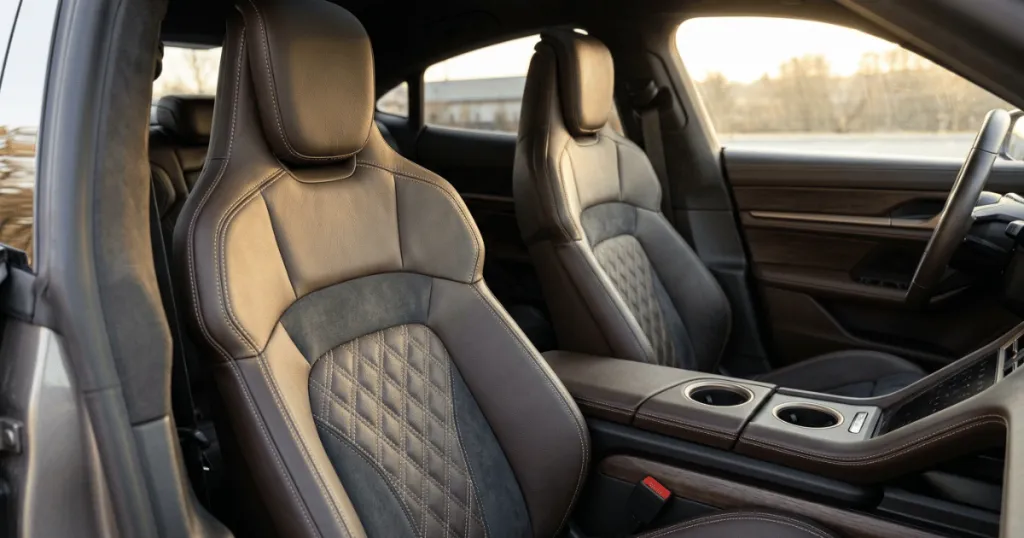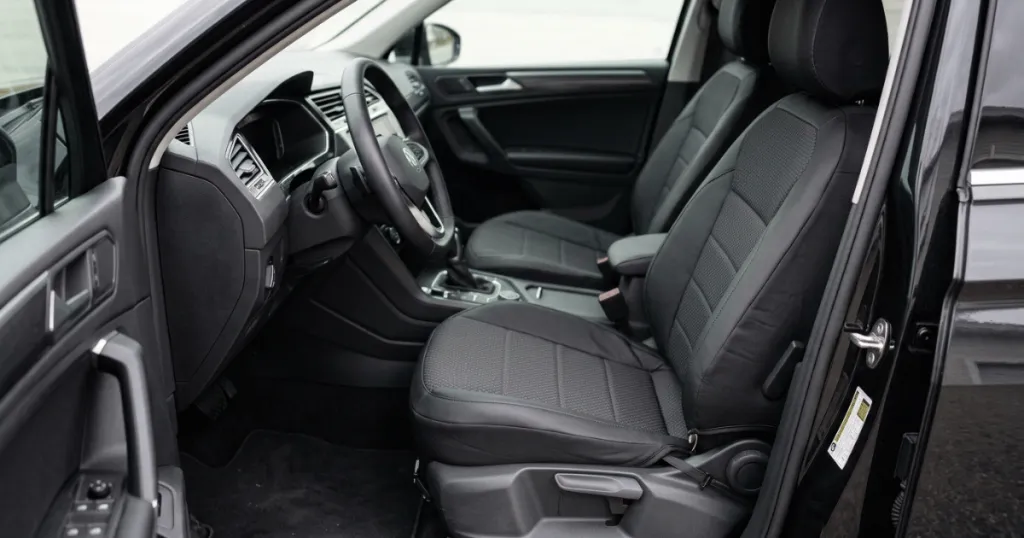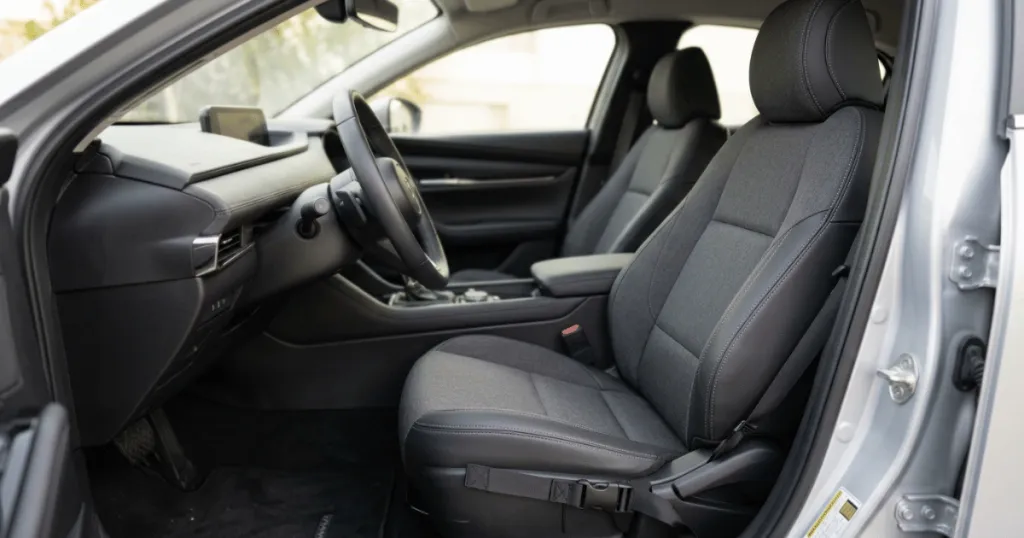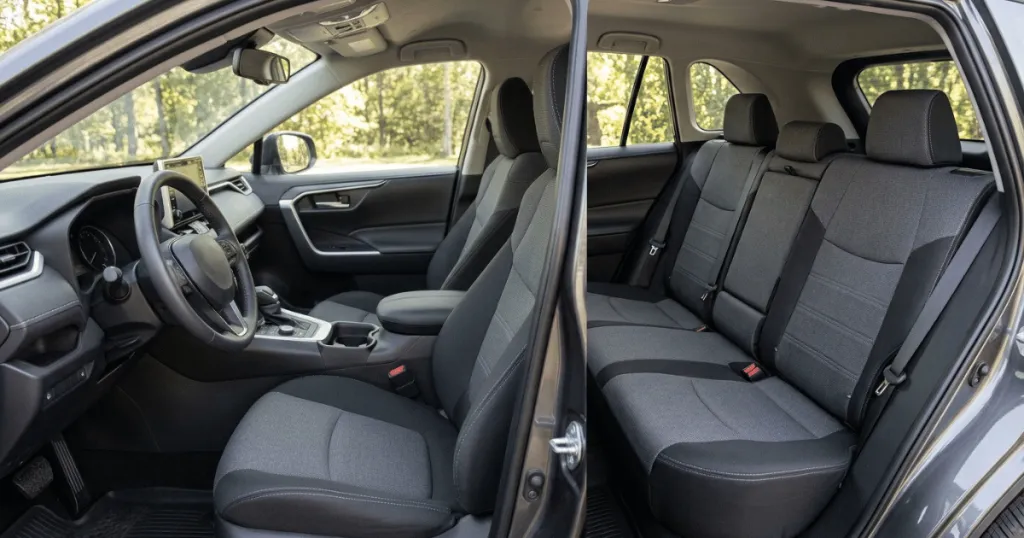
A console cover acts as a dedicated protective layer for the center armrest in your vehicle. Because this specific area experiences constant contact from elbows, keys, and everyday items, it is often one of the first surfaces to show signs of cracking, peeling, or staining. Installing a protective layer here prevents the underlying factory upholstery from degrading prematurely, keeping the cabin looking well-maintained for longer.
Beyond simple protection, these covers provide a way to customize the tactile feel of your driving environment. Whether you are looking to add extra cushioning for long-distance comfort or simply want to hide existing cosmetic damage on an aging center console, this accessory offers a direct, practical solution. It is a targeted upgrade that focuses entirely on the high-traffic center point of your vehicle interior.
Factors Influencing Your Choice of Console Covers
Material Durability and Texture
The material you choose for a console cover dictates both its lifespan and how it feels under your arm. Neoprene is a popular choice for those who want a soft, water-resistant surface that handles sweat and spills effectively. It provides a slight amount of padding, which can be a significant upgrade if your factory console feels thin or hard.
Faux leather or PU synthetic materials offer a more refined, OEM-style appearance that blends seamlessly with existing leather or vinyl seats. These materials are generally easier to wipe clean but may not offer the same level of impact absorption as fabric-based options. Your final selection should balance the need for heavy-duty resilience against the desire for a specific interior look.
Fitment and Attachment Methods
The effectiveness of any console cover relies heavily on how snugly it fits the specific shape of your armrest. Most covers utilize elasticized edges or hook-and-loop straps to secure themselves around the console lid. A cover that fits too loosely will shift during use, which can be distracting and may lead to premature wear of the cover itself.
Before selecting a cover, consider the geometry of your armrest. Some vehicles feature sliding consoles or complex latch mechanisms that can be obstructed by a poorly designed cover. Ensure that the design you are considering accounts for these mechanical features so that you do not lose functionality in exchange for protection.
Real-World Usage Scenarios
Daily Commuting and Wear
In a daily driver, the center armrest is subjected to repetitive friction from clothing and constant pressure from your elbow. Over time, this friction can wear down the texture of the factory material, leading to a shiny or bald spot that stands out against the rest of the seat. A console cover absorbs this friction, serving as a replaceable shield that takes the brunt of daily use so the original upholstery remains untouched.
Protecting Against Pets and Cargo
For owners who travel with pets, the center console is often a focal point for claw marks and fur accumulation. A durable, heavy-duty cover can shield the armrest from these hazards, preventing permanent damage to the underlying foam or stitching. Similarly, if you frequently transport items that might scratch or stain or scratch, a cover provides a protective layer that keeps the vehicle interior pristine.
Preserving Your Vehicle Interior Value
The primary reason to use a console cover is to extend the life of your vehicle’s interior components. Factory armrests are often made of materials that are difficult to repair once they crack or tear. By installing a cover early, you effectively freeze the condition of the original upholstery. This is particularly relevant for vehicle owners who want to maintain the resale value of their car, as a clean, undamaged center console is a significant detail during a potential sale.
In practice, this means you are treating the console as a high-wear zone rather than a static piece of trim. Many owners find that replacing a worn-out cover is significantly more cost-effective and less time-consuming than attempting to source a replacement armrest lid or having the original piece professionally recovered. It is a proactive measure that addresses a specific, high-frequency contact point before damage becomes irreversible.
Addressing Common Misconceptions
The Myth of Universal Compatibility
A common mistake is assuming that a console cover labeled as universal will fit every vehicle perfectly. While some designs are flexible, center consoles vary wildly in width, length, and curvature between different vehicle makes and models. A cover that is too small will pull at the seams, while one that is too large will bunch up and look unkempt. Always verify that the dimensions of the cover align with your specific armrest shape rather than relying on a one-size-fits-all claim.
Maintenance Expectations
Another misconception is that a console cover is a set-it-and-forget-it solution. While these covers are designed to be durable, they still require periodic cleaning to remove oils and debris that accumulate from daily use. If left uncleaned, these substances can eventually soak through or cause the cover’s surface to degrade. Treating the cover as part of your regular interior cleaning routine ensures it continues to provide the protection and comfort you expect from a console cover installation.
Deep Dive: Anatomy of Armrest Protection
Familiarizing yourself with the specific layout and mechanical movement of your armrest is vital for a clean, functional installation. Most modern vehicles utilize a hinged lid that houses a storage compartment beneath. The hinge mechanism and the latch are the two most critical points of interference. When selecting a cover, you must ensure that the material does not bunch up near the hinge, which could prevent the lid from closing flush. Furthermore, if your vehicle has a push-button latch, ensure the cover is cut or shaped to allow your finger to reach the release mechanism without obstruction.
Beyond the mechanical aspects, consider the climate in which you drive. In high-heat environments, dark-colored synthetic materials can absorb significant solar energy, potentially becoming uncomfortable to touch after the vehicle has been parked in the sun. In these scenarios, breathable fabrics or lighter-colored materials may offer a more comfortable experience. Conversely, in colder climates, a plush or padded cover can provide a warmer, more inviting contact point compared to the cold, hard plastic or vinyl often found on factory armrests.
Strategic Integration with Interior Aesthetics
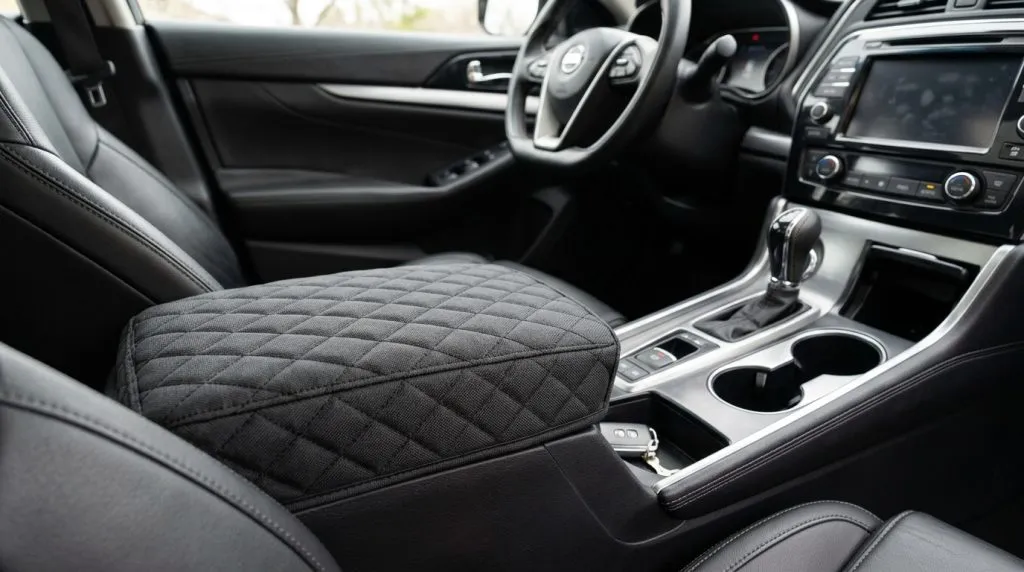
A console cover does not have to look like an afterthought. Many owners choose to coordinate their cover with other interior elements, such as seat covers or steering wheel wraps. By selecting a material or color that complements your existing interior upholstery, you can create a cohesive look that feels like an intentional design choice. Diamond-stitch patterns, for instance, can add a touch of luxury to an otherwise utilitarian cabin, while simple, matte-black fabrics can maintain a stealthy, factory-original appearance.
When evaluating the visual impact, consider the texture of the cover. A high-gloss vinyl may stand out too much against a matte interior, whereas a textured fabric or a high-quality faux leather with a subtle grain can blend in more naturally. The goal is to enhance the cabin’s visual appeal while providing the necessary protection against frictional wear. If your vehicle features contrast stitching on the seats, finding a console cover that mirrors that stitching color can tie the entire interior together, making the cover appear as a factory-installed feature rather than an aftermarket addition.
Long-Term Care and Material Longevity
To maximize the lifespan of your console cover, consistent care is paramount. Because this area is in constant contact with your skin, it naturally accumulates oils, sweat, and dead skin cells. These substances can break down the surface of the cover over time, leading to discoloration or a sticky texture. A simple wipe-down with a damp, microfiber cloth every few weeks can prevent this buildup. For deeper cleaning, follow the manufacturer’s recommendations, most fabric covers can be spot-cleaned with a mild detergent, while synthetic leather covers benefit from specialized cleaners that do not strip the material of its protective finish.
It is also worth noting that UV exposure through the windshield can accelerate the degradation of materials. If you frequently park in direct sunlight, consider using a sunshade in addition to your console cover. This dual-layer approach protects not only the cover but also the underlying console lid and the rest of your dashboard, preventing the cracking and fading that often plague vehicle interiors over time. By viewing the console cover as a component of your broader interior maintenance strategy, you ensure that your vehicle remains in top condition for years to come.
FAQ
Can a console cover interfere with the latch mechanism of my armrest?
Yes, if the cover is too thick or improperly secured, it can prevent the latch from engaging correctly. When choosing a console cover, look for designs that specifically account for the latch area to ensure full functionality.
How do I clean a console cover?
Cleaning depends on the material. Neoprene covers can often be hand-washed with mild soap and water, while faux leather or vinyl covers generally only require a damp cloth and a gentle interior cleaner. Always check the manufacturer’s specific care instructions.
Will a console cover stay in place during heavy use?
A high-quality console cover with a secure attachment system, such as elasticized edges or adjustable straps, should remain stable. If you find the cover shifting, ensure the straps are tightened correctly and that the cover is properly centered on the lid.