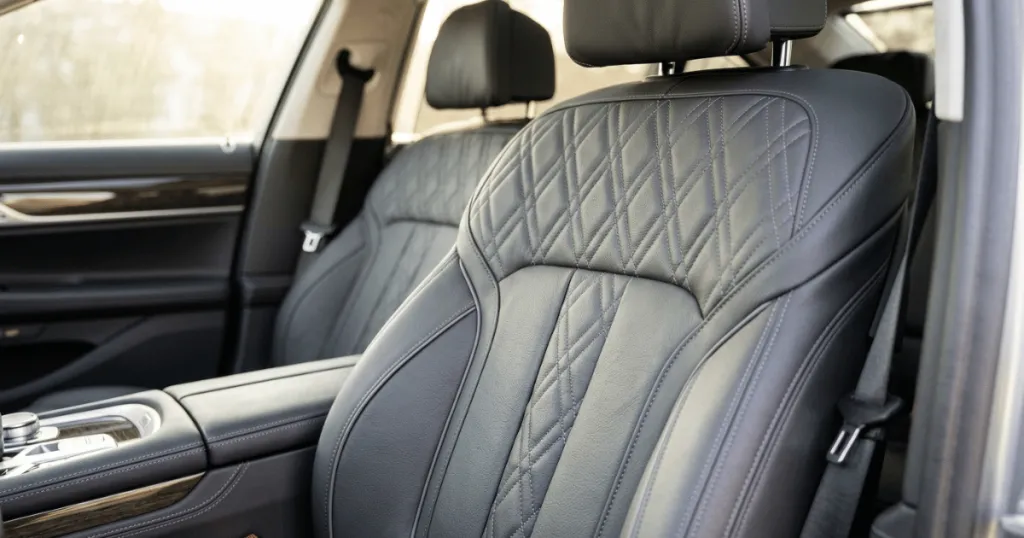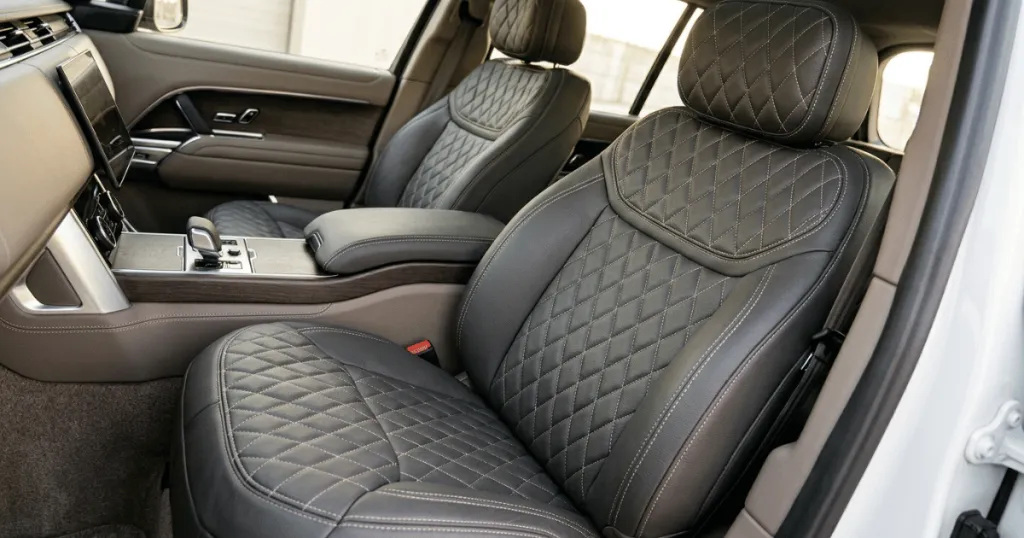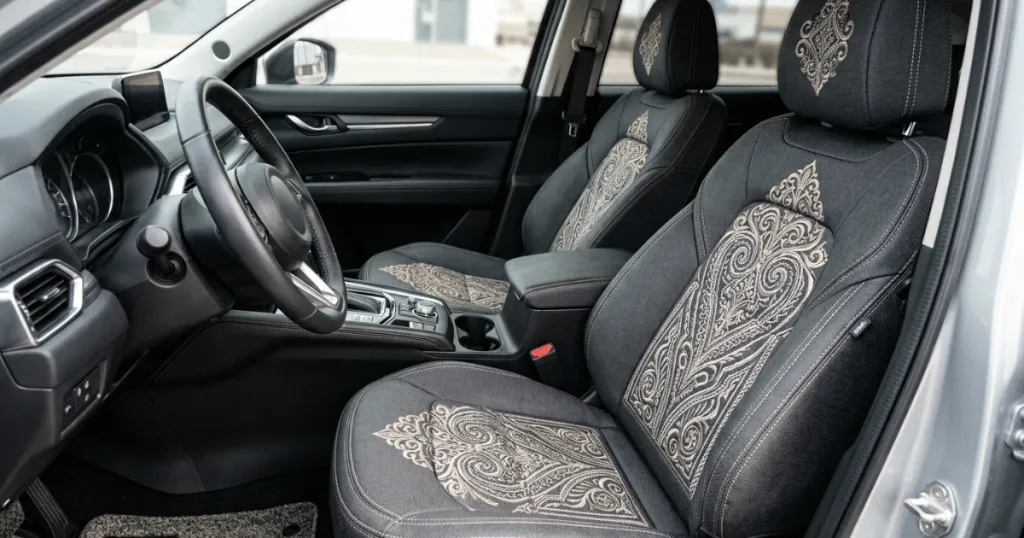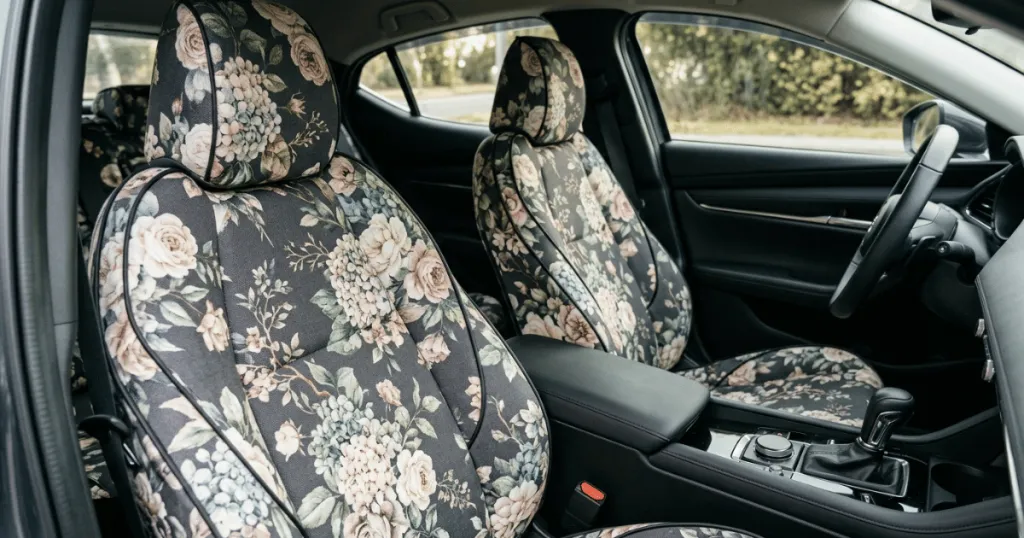
When selecting upholstery protection, the texture of the material often dictates the overall feel of your vehicle’s cabin. A smooth seat cover provides a distinct alternative to textured, quilted, or high-pile fabrics, offering a streamlined look that mimics factory-installed leather or high-end vinyl. For many owners, this choice centers on balancing a clean, minimalist aesthetic with the practical need to protect original upholstery from daily wear.
Choosing a smooth seat cover is often about prioritizing ease of maintenance and a consistent visual flow. Unlike complex patterns or deep-stitched designs that can trap dust and debris, a flat, uniform surface allows for quick cleaning and a modern, uncluttered appearance. This design choice works particularly well in vehicles where you want to maintain a professional or understated interior vibe without sacrificing the functional benefits of a protective layer.
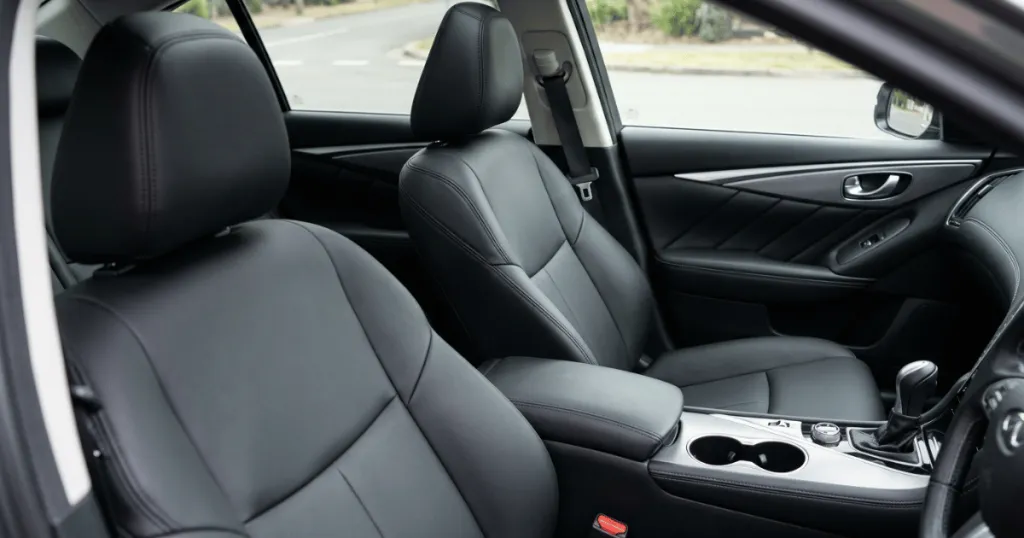
Factors Influencing Your Choice of Surface Texture
The decision to install a smooth car seat cover involves more than just visual preference; it requires considering how the material interacts with your daily routine. The primary factors include material composition, climate performance, and the specific demands of your vehicle’s usage, such as pet transport or frequent commuting.
Material Composition and Tactile Feel
Smooth surfaces are typically associated with synthetic leather, polyurethane (PU), or high-density vinyl. These materials are engineered to be non-porous, which prevents liquid spills from soaking into the seat foam. Because these materials lack the deep grooves found in diamond-stitched or perforated designs, they offer a consistent tactile experience that some drivers find more comfortable for long-distance travel. The absence of heavy texture also means there are fewer points where friction can cause premature wear on clothing or the cover itself.
Climate and Temperature Regulation
In hot climates, a smooth seat cover can sometimes feel warmer against the skin than breathable fabric alternatives. Because the surface is continuous, airflow is limited compared to mesh or perforated options. However, many modern smooth-finish covers use advanced polymers designed to dissipate heat more effectively than traditional vinyl. If you live in an area with extreme seasonal temperature shifts, you might find that a smooth, non-perforated surface holds heat in the summer and remains cooler in the winter, provided the material is high-quality and properly fitted.
Impact of Usage Scenarios
Your daily driving habits significantly influence how a smooth surface performs. For families with children or pet owners, the lack of deep crevices in a smooth seat cover is a major advantage. Crumbs, pet hair, and dirt tend to sit on the surface rather than becoming embedded in the material. This makes a quick wipe-down with a damp cloth sufficient for most messes, whereas textured covers often require vacuuming or specialized brushes to reach hidden debris.
Real-World Context for Interior Maintenance
Applying a smooth seat cover changes how you approach routine interior detailing. Because these covers are designed to be flat and uniform, they are generally easier to maintain than their complex counterparts, but they do require specific care to keep them looking their best over time.
Daily Cleaning Routines
Keeping a smooth car seat cover in top condition is a simple process. A mild soap and water solution is usually the most effective way to remove surface grime. Because there are no deep seams or stitching patterns to trap moisture, you can clean the entire surface in one motion. This efficiency is why many commercial drivers and rideshare operators prefer this style; it allows for rapid sanitization between passengers without needing specialized equipment or heavy scrubbing.
Managing Surface Scuffs and Wear
While smooth materials are durable, they can show scuffs more readily than heavily textured fabrics. A sharp object or a heavy buckle can leave a visible mark on a flat, uniform surface. To mitigate this, look for materials with a high-grade protective coating. If you notice minor surface scratches, many automotive-grade vinyl cleaners contain conditioners that can help hide these marks by restoring the material’s natural luster and flexibility.
How Surface Consistency Enhances Your Cabin
The choice of a smooth seat cover is fundamentally about achieving a cohesive interior look. In many vehicles, the factory seats have a specific contour that can be lost if you install a cover with bulky padding or aggressive stitching. A smooth, low-profile cover follows the natural lines of the seat, preserving the original silhouette of the interior. This is particularly important for owners who want to protect their seats while keeping the cabin looking as close to stock as possible.
Beyond aesthetics, the lack of texture reduces the accumulation of allergens. Dust, pollen, and dander often settle into the fibers of cloth seats or the deep stitching of patterned covers. A smooth seat cover acts as a durable shield that keeps these particles on the surface, where they can be easily wiped away during your regular cleaning routine. This simple design feature can make a noticeable difference for passengers who are sensitive to airborne irritants, providing a cleaner, more controlled environment inside the vehicle.
Addressing Common Misconceptions About Surface Texture
A frequent assumption is that smooth seat covers are inherently slippery. While some lower-quality vinyl covers can feel slick, modern manufacturing has introduced anti-slip backings and textured finishes that are visually smooth but provide enough grip to keep the driver and passengers stable during turns. The “slipperiness” is usually a function of the material’s finish and the quality of the fit rather than the lack of a pattern.
Another common belief is that smooth surfaces are less durable than quilted or reinforced covers. In reality, the durability of a seat cover is determined by the thickness of the material and the quality of the seams, not the surface pattern. A high-quality, smooth synthetic leather can often outlast a cheaper, heavily textured fabric cover because it has fewer weak points where the material can tear or fray. When evaluating options, focus on the material density and the construction of the seams rather than the presence or absence of a decorative pattern.
Strategic Selection: Matching Material to Your Driving Environment
When selecting a smooth seat cover, the specific environment of your vehicle interior plays a critical role in long-term satisfaction. For example, if your vehicle is frequently exposed to direct sunlight, a smooth, high-quality synthetic leather with UV-resistant properties is essential. Unlike fabric, which may fade or trap heat, a smooth, UV-treated synthetic surface reflects a portion of the solar energy, helping to maintain a more stable cabin temperature. Furthermore, the absence of deep textures means there are fewer surface areas for UV rays to degrade the material unevenly.
For those who prioritize a minimalist interior design, the smooth finish is the gold standard. It creates a clean, architectural look that complements modern vehicle dashboards and consoles. When selecting these covers, consider the color palette of your vehicle. A smooth, matte finish in a neutral tone can make an older vehicle interior appear refreshed and contemporary. Conversely, a high-gloss smooth finish might feel out of place in a rugged, off-road-oriented vehicle, highlighting the importance of matching the finish to the overall aesthetic intent of your cabin environment.
Installation Nuances for Smooth Surfaces
Installing a smooth seat cover requires a slightly different approach than installing textured or padded covers. Because the surface is uniform, any underlying lumps, wrinkles, or improper tensioning will be immediately visible. Achieving a professional, factory-installed look requires patience during the securing process. Ensure that the seat cover is centered perfectly before tightening any straps. Use the provided anchors to tuck the material deep into the seat crevices, which helps create that taut, smooth appearance that defines this category of upholstery protection.
If you encounter minor wrinkles after installation, allow the material to settle in a warm environment for a few hours. Many synthetic materials used in smooth covers are temperature-sensitive and will naturally relax and conform to the seat’s shape once they reach cabin temperature. Avoid using heat guns or hair dryers, as these can damage the surface finish or cause the material to stretch unevenly. Instead, rely on the natural tension of the straps and the weight of the occupants to smooth out the cover over time.
Long-Term Care and Preservation
To keep your smooth seat cover looking pristine, adopt a proactive care strategy. Avoid using harsh chemical cleaners that contain bleach or ammonia, as these can strip the protective finish and lead to cracking or discoloration. Instead, use a dedicated automotive interior cleaner formulated for synthetic leather or vinyl. These products are designed to clean without leaving a greasy residue, which is crucial for maintaining the non-slip properties of the cover.
Periodically inspect the seams and attachment points. Even though the surface is smooth and durable, the stress of daily entry and exit can put pressure on the stitching. If you notice a loose thread or a strap that has lost its tension, address it immediately to prevent the cover from shifting. A well-maintained, smooth seat cover can significantly extend the life of your original upholstery, serving as a reliable guard that withstands the daily friction and environmental exposure of your driving life.
FAQ
Are smooth seat covers difficult to install?
Installation difficulty depends on the design of the cover rather than the texture. A smooth seat cover typically installs similarly to other types, requiring you to secure straps and anchors to ensure a snug fit. The main difference is that a smooth surface makes it easier to spot and correct wrinkles during the installation process.
Do smooth seat covers trap heat more than fabric covers?
Generally, yes. Because they are often made from non-porous materials like synthetic leather, they do not breathe as well as woven fabrics. However, choosing a high-quality smooth seat cover with a moisture-wicking backing can help mitigate this, making them comfortable for most driving conditions.
Can I use a smooth seat cover if I have pets?
Yes, a smooth seat cover is an excellent choice for pet owners. The flat surface prevents pet hair and dirt from getting trapped in deep stitching or fabric weaves, allowing you to wipe the seat clean quickly.