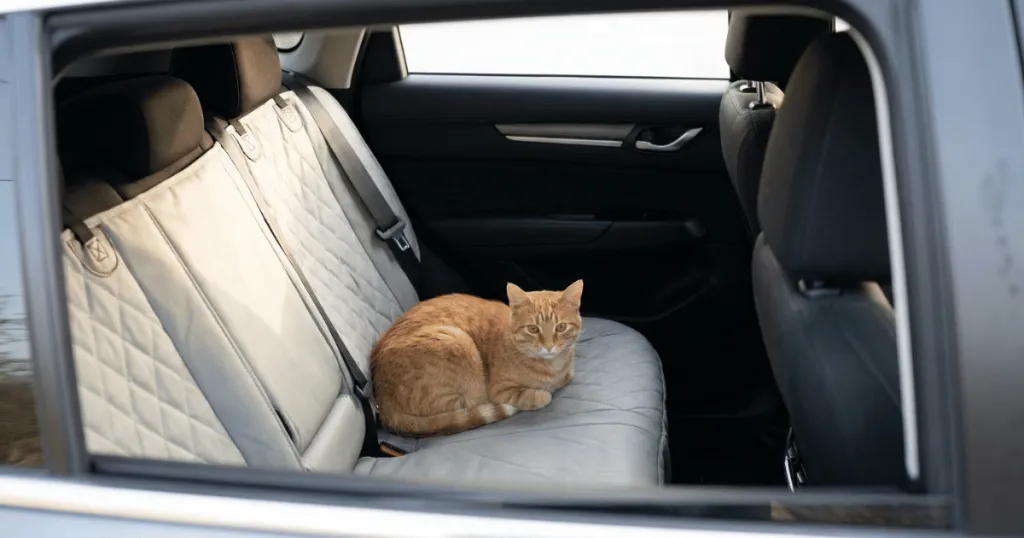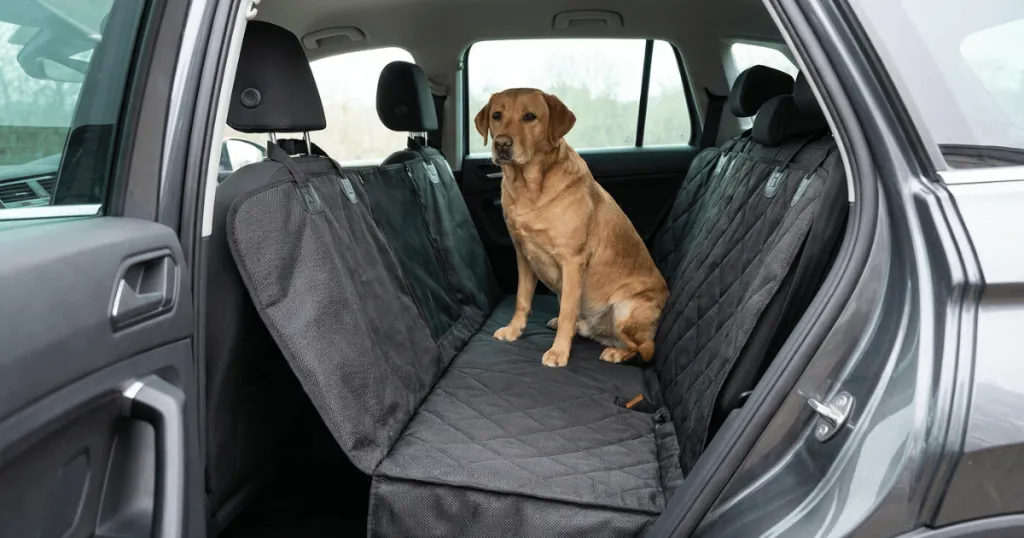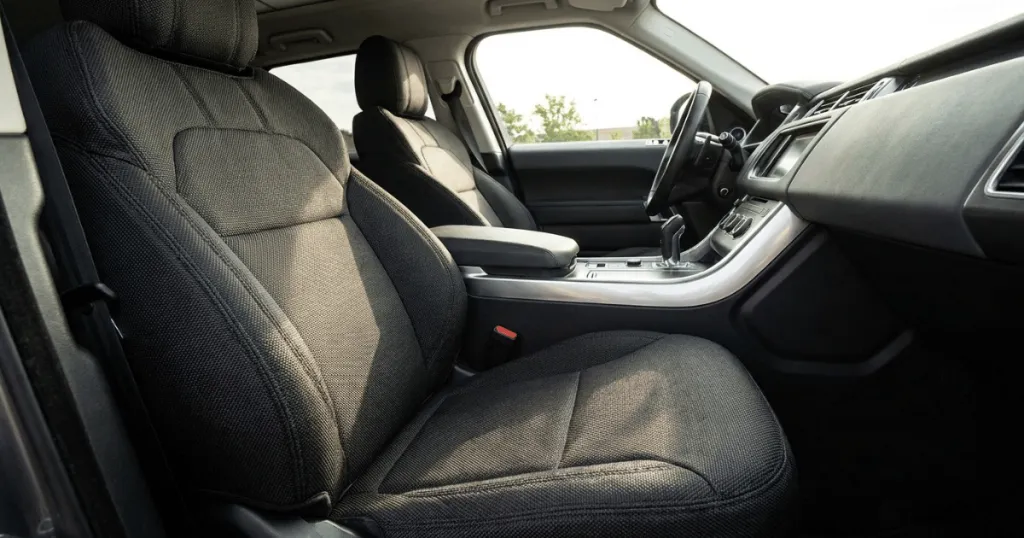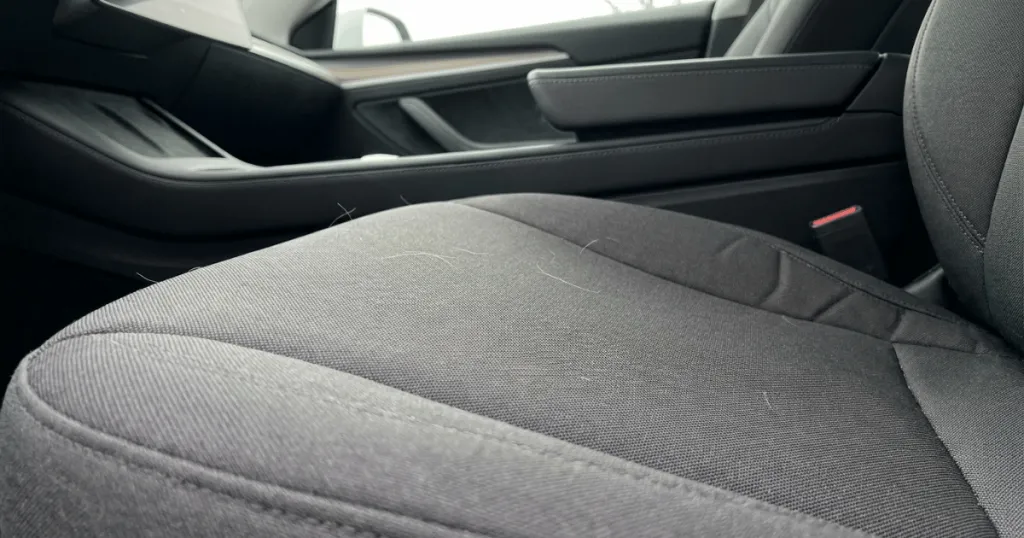
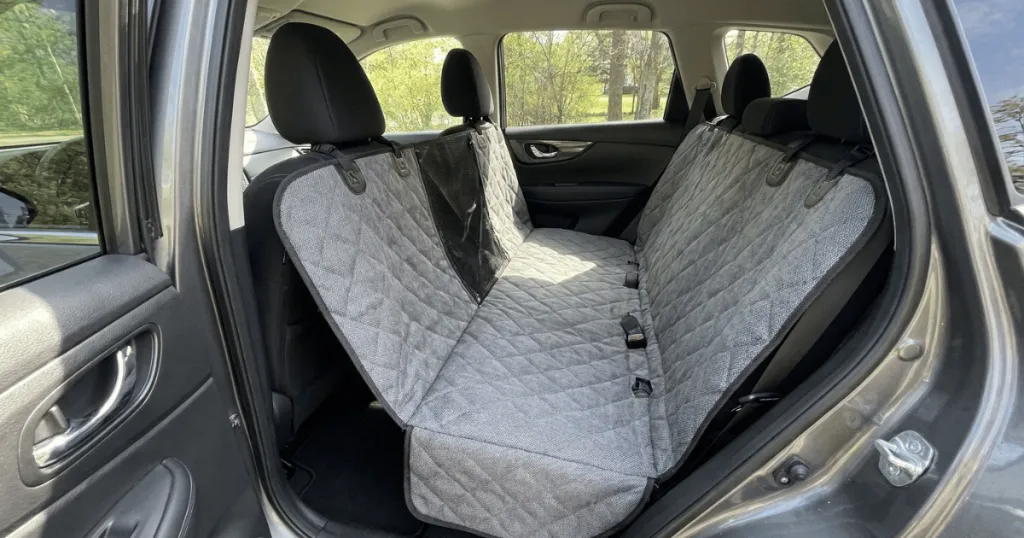
For many vehicle owners, the challenge of transporting pets often centers on balancing animal comfort with the preservation of the interior upholstery. A pet hammock car seat cover serves as a specialized barrier designed to bridge the gap between the front and rear seats, effectively creating a contained zone for your pet. Unlike standard flat seat covers, this design suspends from the headrests, preventing your pet from slipping into the footwell while simultaneously shielding the seat back and floor area from debris.
When you utilize a pet hammock car seat cover, you are essentially creating a protective cradle that keeps fur, moisture, and dirt localized. This setup is particularly effective for active dogs that move frequently during transit, as it limits their range of motion and prevents them from scratching the upholstery or digging into the seat cushions. By covering the entire rear seating area and the back of the front seats, these covers provide a comprehensive defense against the common wear associated with regular pet travel.
Key Factors Influencing Your Choice
Material Durability and Texture
The material composition of your cover determines how well it stands up to claws and heavy use. Heavy-duty polyester or reinforced canvas are common choices because they resist tearing and are generally easy to wipe down. Some owners prefer a quilted finish for added comfort, though it is important to ensure the stitching is tight enough to prevent claws from catching. Look for materials that offer a degree of slip resistance, as a slick surface can make it difficult for a pet to maintain their footing during turns.
Attachment Points and Structural Integrity
The effectiveness of the hammock relies heavily on how it secures to the vehicle. Most models use adjustable straps that loop around the front and rear headrests. It is essential to ensure these straps are tightened correctly to maintain the hammock shape. If the attachment points are weak or the straps are too long, the hammock may sag, allowing your pet to slide into the floor area, which defeats the primary purpose of the design. Always inspect the buckles and webbing for signs of fraying, as these are the points under the most tension.
Waterproofing and Liquid Containment
Many pet owners prioritize waterproof or water-resistant layers to protect against muddy paws or accidental spills. A high-quality cover will feature a non-porous backing that prevents liquids from seeping through to the vehicle’s original upholstery. While this is a major benefit, it also means that moisture can pool on the surface of the cover. In practice, this requires you to occasionally wipe down the hammock after a rainy outing to prevent odors from developing, rather than assuming the cover is entirely maintenance-free.
Real-World Scenarios for Daily Use
Managing Mud and Outdoor Debris
If you frequently visit parks, hiking trails, or beaches, the amount of debris a pet brings into the vehicle can be significant. A pet hammock car seat cover acts as a primary collection point for sand, dried mud, and loose fur. Instead of vacuuming the entire rear seat, you can often unhook the cover and shake it out outside the vehicle. This saves considerable time and prevents abrasive particles from grinding into the seat fibers over time, which is a common cause of premature upholstery degradation.
Long-Distance Travel and Comfort
During extended road trips, the comfort of your pet becomes a priority. The hammock design provides a stable, level surface that can reduce anxiety by preventing the pet from falling into the footwell when you brake. Some designs include mesh windows in the center panel, which allow for better airflow from the front cabin to the back. This is particularly useful in vehicles with limited rear-seat ventilation, as it helps keep the pet cooler and more relaxed throughout the journey.
Rideshare and Occasional Passenger Use
While primarily designed for pets, these covers are often used by those who need to transport dirty gear or equipment. If you occasionally use your vehicle for outdoor activities, the hammock can protect the seats from sharp edges or heavy items. However, remember that these covers are not intended to support heavy, unsecured cargo. When you need to switch back to carrying human passengers, the quick-release buckles allow for rapid removal, making it a versatile tool for those who use their vehicle for both work and play.
Why Proper Installation and Maintenance Matter
The longevity of your vehicle’s interior depends on how consistently you maintain the protective barrier. A common mistake is installing the cover loosely, which allows it to shift and rub against the leather or fabric underneath. Over time, this friction can cause more damage than the pet itself. By keeping the material tensioned and securing all anchor points firmly, you prevent the cover from abrading the seat surface during vehicle movement. Regularly checking the underside of the cover for trapped debris is also a simple step that prevents grit from acting like sandpaper on your seats.
Ultimately, a pet hammock car seat cover is an investment in the resale value and cleanliness of your vehicle. By keeping the mess contained and the upholstery shielded, you avoid the intensive cleaning sessions that often follow a trip with a pet. Focusing on a secure fit and choosing a material that matches your specific climate and pet’s activity level will ensure that the cover remains a functional, long-term solution for your daily driving needs.
Clarifying Realities Regarding Pet Hammock Car Seat Cover Utility
A frequent error is assuming that all covers are universally compatible with every vehicle interior. While many are adjustable, the width of your rear seat and the position of the headrests can significantly impact how well the hammock sits. Always measure your seat width before selecting a cover, as a cover that is too narrow will leave the edges of your seats exposed to claws.
Another misconception is that these covers are completely scratch-proof; while they are durable, they are still fabric-based and can be punctured by very sharp or long nails. Regular nail trimming for your pet remains a necessary part of the overall protection strategy.
Strategic Considerations for Different Vehicle Layouts
The architecture of your vehicle’s rear cabin dictates how effectively a hammock functions. In compact sedans, the limited space means the hammock may sit at a steeper angle, which can be beneficial for keeping a pet centered but might reduce the overall floor-to-seat coverage. Conversely, in large SUVs or trucks with expansive rear rows, you must ensure the hammock has enough width to cover the entire bench without leaving gaps at the door panels. Some advanced models feature side flaps that zip up to protect the door cards from scratches, a feature highly recommended for dogs that enjoy looking out the window.
Consider the placement of seat belt receptacles. A well-designed hammock includes precise cutouts or velcro-secured slots that allow the belt to pass through without compromising the waterproof barrier. If you find yourself needing to use these frequently, look for models with reinforced stitching around these openings, as they are high-stress areas that can fray over time. Furthermore, if your vehicle features rear-seat climate controls or USB ports, ensure the hammock does not inadvertently block these features, as this can lead to frustration during long trips.
Optimizing for Climate and Seasonal Changes
Your choice of material should reflect the local climate. In hot, humid regions, a breathable, moisture-wicking fabric is superior to heavy rubberized materials that can trap heat and make the rear cabin uncomfortable for your pet. Conversely, in colder climates or areas prone to heavy rain and snow, a heavy-duty, multi-layer waterproof fabric is essential.
These thicker materials often provide better insulation against the cold seat surface, keeping your pet warmer during winter travel. Always evaluate the ease of cleaning versus the level of protection; a thicker, more rugged cover may be harder to machine wash but will offer superior defense against heavy, wet mud.
Long-Term Care and Preservation of the Cover
Just as you maintain your vehicle’s interior, the hammock itself requires periodic attention to remain effective. Over time, the waterproof coating on the underside can degrade due to exposure to sunlight and temperature fluctuations. To extend the life of your cover, avoid leaving it in the vehicle during extreme heat waves if possible, as high temperatures can cause the backing to become brittle or sticky. When cleaning, avoid harsh chemical cleaners that can strip the water-resistant treatment.
Instead, use a mild detergent and a soft brush to remove stubborn dirt. Always allow the cover to air dry completely before folding it for storage; trapping moisture in a folded cover is the fastest way to encourage mold and mildew growth, which can then transfer to your vehicle’s upholstery.
FAQ
Can a pet hammock car seat cover be used in a vehicle with bucket seats?
Most pet hammock car seat covers are designed for bench-style rear seating. While they can sometimes be adapted for captain’s chairs or bucket seats, the fit may be compromised, and the hammock shape might not form correctly. It is best to look for models specifically designed for split-bench or individual seating if your vehicle does not have a standard rear bench.
How do I clean a pet hammock car seat cover effectively?
Most covers can be spot-cleaned with a damp cloth and mild soap. For a deeper clean, check the manufacturer’s instructions to see if the cover is machine washable. If it is, use a gentle cycle and air dry it, as high heat from a dryer can damage the waterproof backing.
Does the hammock design interfere with seat belt access?
Many high-quality pet hammock car seat cover designs include velcro-sealed slits or openings that allow you to access the seat belt buckles. This is important if you need to use a pet harness tether for added stability or if you occasionally need to carry a human passenger in the back seat.