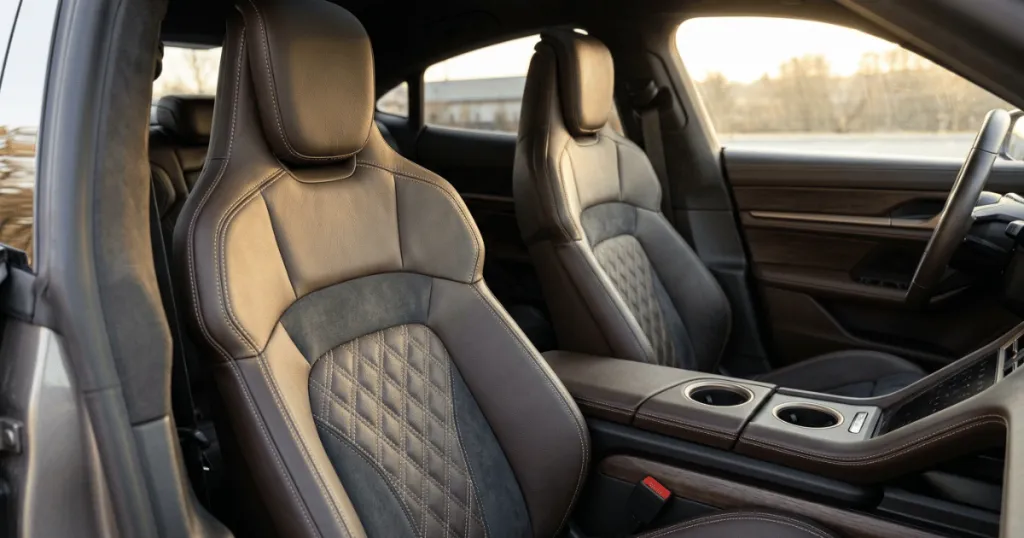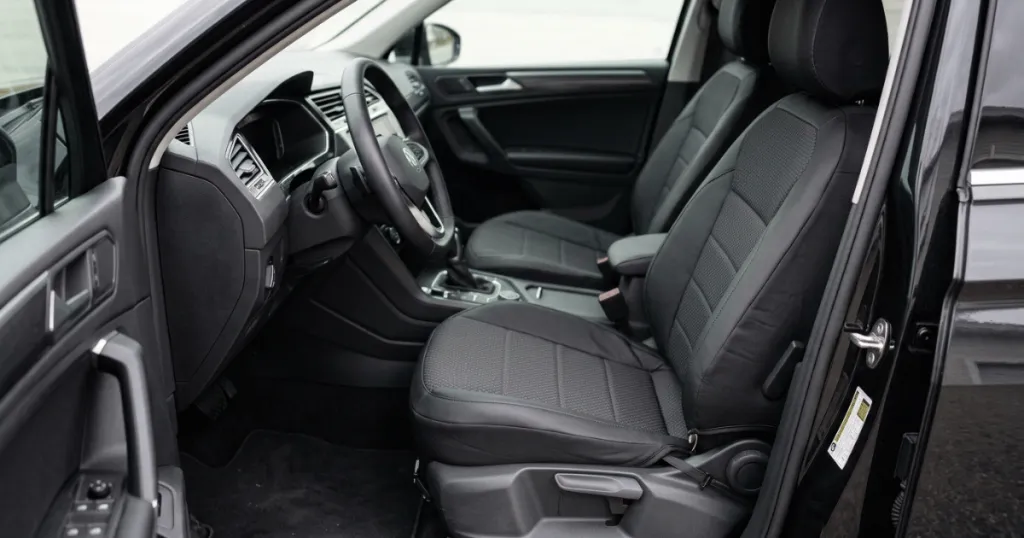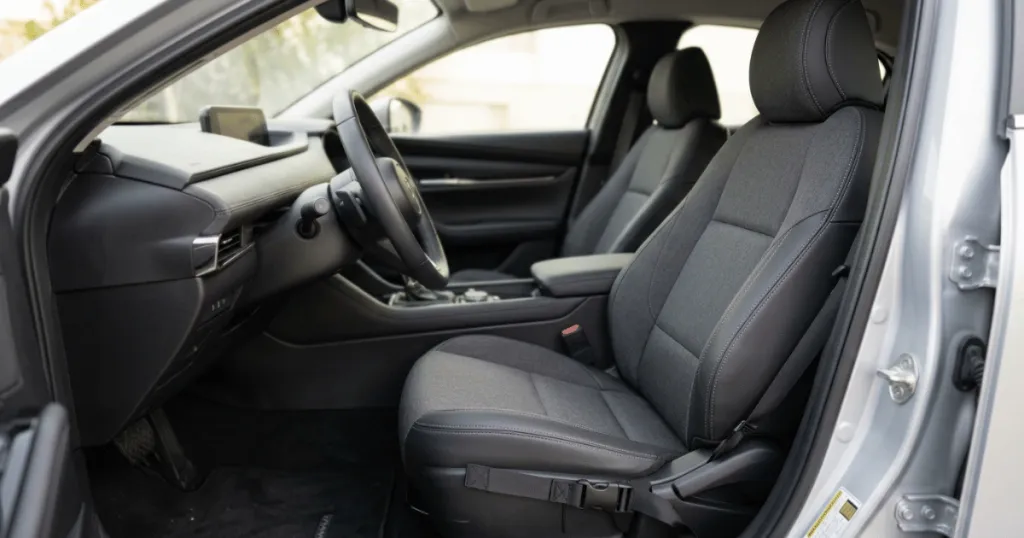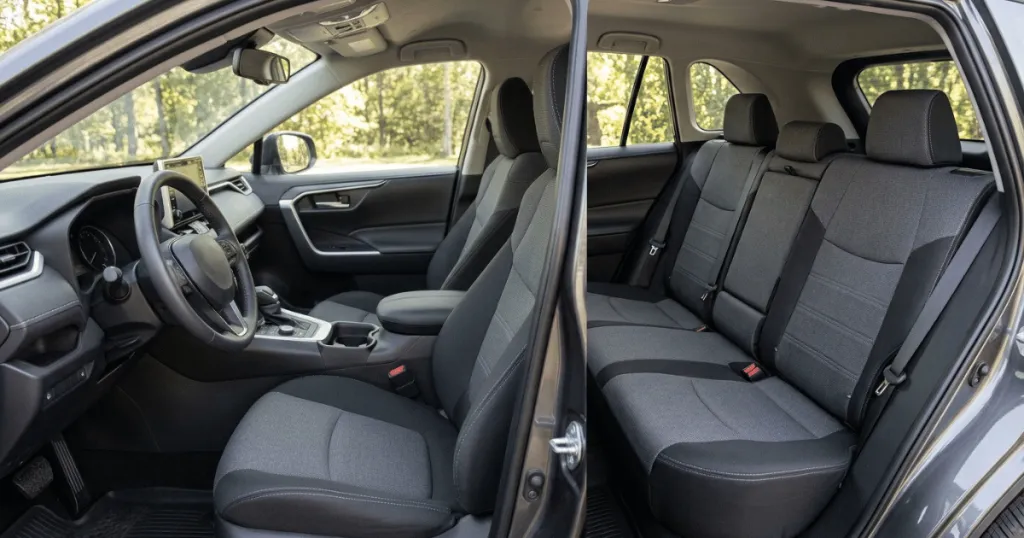
A complete seat cover set is designed to provide comprehensive upholstery coverage for every seating position within a vehicle. Unlike individual pieces meant for a single captain’s chair or a specific bench, these sets are engineered to maintain a consistent aesthetic and protective standard across the entire cabin. For many vehicle owners, this is the primary solution for refreshing a worn interior or protecting factory upholstery from the rigors of daily use.
When you opt for a full-cabin solution, you are essentially committing to a unified look and feel. This approach ensures that the front bucket seats, rear bench, and often the headrests share the same material, texture, and color profile. Achieving this level of uniformity requires careful attention to the specific dimensions of your vehicle’s interior layout, as factory seat configurations vary significantly between sedans, SUVs, and trucks.
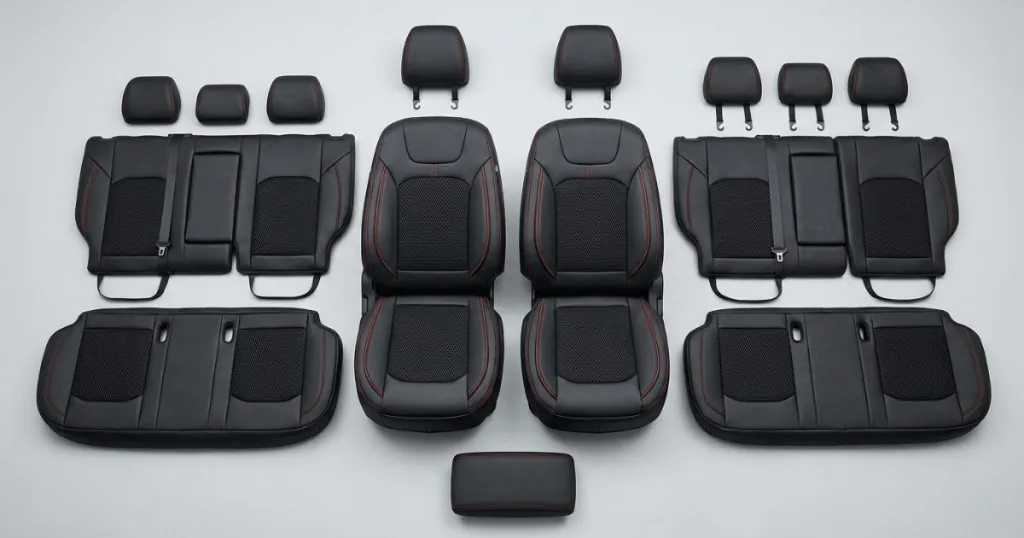
Factors Influencing Your Selection of Complete Seat Cover Sets
Selecting the right materials and design for your vehicle depends heavily on how you use your interior. A complete seat cover set should be evaluated based on the specific demands of your lifestyle, whether that involves frequent passenger turnover, pet travel, or long-distance commuting.
Material Durability and Texture
The choice of material dictates both the longevity and the tactile experience of your seating. Synthetic leather, often referred to as PU or faux leather, is frequently chosen for its ability to mimic the upscale appearance of genuine hide while offering a non-porous surface that resists spills. For those prioritizing breathability and a softer touch, high-quality woven fabrics or canvas-style materials are often preferred, as they do not trap heat in the same way synthetic polymers might during warmer months.
Design and Fitment Precision
Fitment is the most critical factor in how a complete seat cover set performs over time. A set that is designed specifically for a general vehicle class, such as a standard sedan or a full-size truck, must still account for the nuances of your specific seat geometry. Look for designs that prioritize secure anchoring points, as these prevent the covers from shifting or bunching during ingress and egress. A well-fitted set should mirror the contours of your seats, including the bolsters and lumbar support areas, rather than simply draping over them.
Real-World Usage Scenarios
The daily environment of your vehicle dictates the type of coverage that will be most effective. A complete seat cover set acts as a barrier, but the nature of that barrier should shift based on your primary use case.
High-Traffic and Commercial Use
For vehicles used in rideshare or frequent family transport, the priority is ease of maintenance. Materials that can be wiped down quickly without requiring specialized cleaners are essential. In these scenarios, a complete seat cover set with a smooth, water-resistant finish is often the most practical choice, as it prevents liquids and debris from settling into the seat seams or foam padding.
Off-Road and Outdoor Activity
If your vehicle is frequently used for outdoor excursions, the focus should be on heavy-duty fabrics that can withstand abrasive contact with gear or outdoor clothing. Canvas or high-denier polyester blends are common in these applications because they provide a robust shield against dirt, mud, and moisture. These materials are generally less concerned with aesthetic “luxury” and more focused on providing a durable, heavy-duty exterior that prevents the underlying factory upholstery from sustaining permanent damage.
The Impact of Uniform Coverage on Interior Longevity
Investing in a complete seat cover set is primarily about preserving the underlying value of your vehicle’s interior. When you cover every seat, you eliminate the “patchwork” look that occurs when only high-wear areas are protected. This uniformity is not just a visual benefit; it ensures that the sun exposure and friction are distributed evenly across the protective layer rather than concentrating wear on the factory fabric.
In practice, this means that your original seat foam and upholstery remain shielded from UV degradation, which is a common cause of fading and brittleness in older vehicles. By covering the entire set, you prevent the uneven aging that often makes a vehicle interior look dated. When it comes time to clean or maintain the cabin, having a consistent material across all surfaces simplifies your routine, as you can use a single cleaning method for the entire interior rather than juggling different care requirements for different seat sections.
Avoiding Common Pitfalls in Seat Cover Selection
Many owners make the mistake of prioritizing price over the specific configuration of their seat layout. A common error is assuming that a “universal” set will fit perfectly regardless of the seat’s shape. In reality, the difference between a bucket seat with integrated headrests and one with adjustable headrests is significant. Failing to verify these details can lead to a loose, ill-fitting set that creates more frustration than protection.
Another frequent oversight involves neglecting the importance of the rear bench configuration. Many vehicles feature split-folding rear seats, which require specific cutouts or fastening points to remain functional. A complete seat cover set that does not account for these split mechanisms will effectively disable your vehicle’s versatility, preventing you from folding the seats down when needed. Always confirm that the set you are considering accommodates your specific rear seat split and armrest pass-throughs.
Maintaining Your Complete Seat Cover Set
The longevity of your investment relies on consistent, light maintenance rather than occasional deep cleaning. For most synthetic materials, a simple wipe-down with a damp cloth is sufficient to remove surface dust and prevent debris from grinding into the fibers. Avoid harsh chemicals that could strip the finish or cause the material to crack over time. If your set is fabric-based, regular vacuuming is the most effective way to keep the material looking fresh and preventing grit from damaging the weave. By integrating these simple habits into your routine, you ensure that your complete seat cover set continues to provide effective protection for years to come.
Understanding Seat Geometry and Attachment Mechanisms
When you select a complete seat cover set, you are essentially choosing a secondary skin for your vehicle’s interior. The complexity of modern seat geometry, which includes complex curves for lumbar support, side-bolster depth, and integrated headrest shapes, means that the attachment system is just as important as the fabric itself. High-quality sets utilize a combination of elasticized hems, heavy-duty buckles, and hidden tension straps that tuck deep into the seat crevices.
These mechanisms are designed to keep the cover taut against the seat surface, preventing the “baggy” look that often plagues lower-quality, loose-fitting alternatives. When evaluating a set, look for descriptions of how the covers anchor; the more points of contact, the more likely the cover will remain stable during the frequent shifting that occurs during daily driving.
The Role of Breathability and Comfort
While protection is the primary goal, comfort should not be sacrificed. In climates with high humidity or extreme heat, the choice of material in your complete seat cover set becomes a major factor in your daily driving experience. Non-breathable materials, such as certain types of thick, unperforated vinyl, can trap body heat and moisture, leading to discomfort during long commutes.
Conversely, breathable fabrics or perforated faux leather allow for better airflow, keeping the surface temperature more regulated. If you live in a region with significant seasonal temperature swings, consider materials that offer a balance between moisture-wicking properties and durability. This ensures that your seat cover set remains comfortable year-round, regardless of the ambient cabin temperature.
Strategic Considerations for Rear Seat Functionality
The rear of the vehicle often presents the greatest challenge for complete seat cover sets. Because rear seats are frequently designed to fold, recline, or slide to accommodate cargo, the covers must be engineered to respect these mechanical functions. A common issue is the obstruction of seatbelt buckles or the inability to access the latch release for folding the seats.
When researching a set, verify that the design includes dedicated openings for seatbelt receptacles and that the rear bench cover is segmented correctly to match your vehicle’s specific split-folding ratio (e.g., 60/40 or 50/50). Ignoring these details can turn a simple protective upgrade into a significant inconvenience, forcing you to remove the covers every time you need to utilize your vehicle’s cargo-carrying capacity.
Evaluating Long-Term Aesthetic Cohesion
A complete seat cover set is a significant visual commitment. Because it covers every visible inch of your seating, the color and pattern you choose will define the character of your cabin. Neutral tones like charcoal, slate, or tan are popular because they tend to blend seamlessly with existing interior plastics and door panels, creating a factory-like appearance.
More adventurous patterns or high-contrast stitching can serve as a design statement, but they require a more careful eye to ensure they do not clash with the vehicle’s dashboard or headliner. When choosing, consider how the material will age; textures that hide dust and lint well, such as heathered fabrics or textured faux leathers, will maintain a cleaner appearance over time compared to high-gloss or solid-black surfaces that highlight every speck of debris.
FAQ
Does a complete seat cover set include covers for the headrests and armrests?
Most high-quality complete seat cover set options include matching covers for headrests and, depending on the specific vehicle model, may also include covers for center armrests and consoles to ensure a uniform appearance.
Can I install a complete seat cover set by myself?
Yes, most sets are designed for DIY installation, though the process requires patience. It involves securing straps, hooks, and anchors beneath the seats to ensure the covers remain taut and in place during daily use.
Will a complete seat cover set interfere with seat adjustment levers?
Properly designed sets are engineered with openings or flexible panels to allow full access to manual or power seat adjustment controls, ensuring that your ability to position the seat remains unaffected.