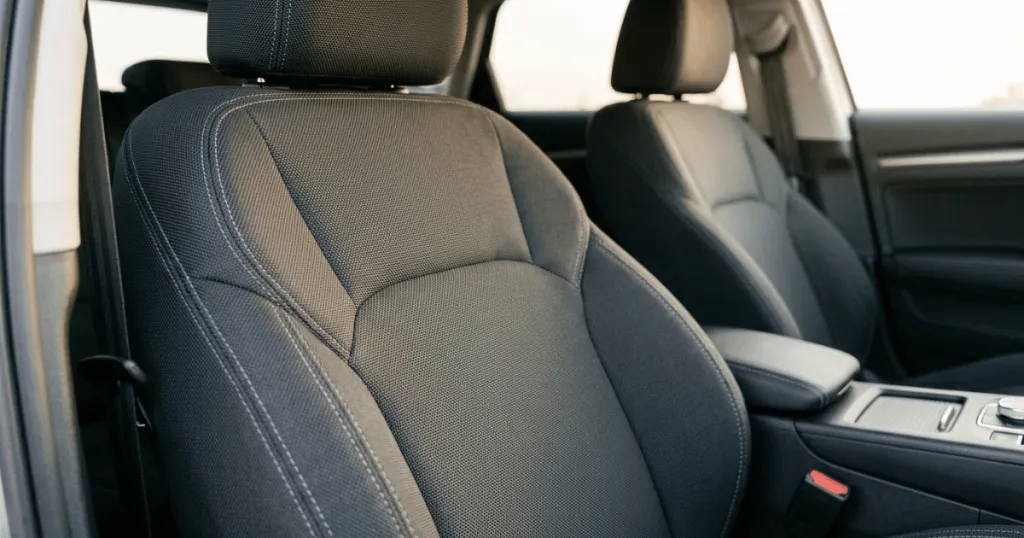
An oxford fabric car seat cover is a popular choice for vehicle owners who prioritize long-term durability and resistance to heavy daily use. Unlike standard woven textiles, oxford fabric is created using a basket-weave construction, which gives it a distinct, slightly textured appearance and significant structural integrity. This weave pattern involves two warp threads woven over two weft threads, resulting in a robust material that resists tearing and fraying even in high-traffic seating areas.
When you encounter an oxford fabric car seat cover, you are likely looking at a synthetic blend, usually polyester or nylon, designed to withstand the rigors of frequent entry and exit. This material is widely recognized for its ability to maintain its shape over time, preventing the sagging or bunching often seen with thinner, less dense fabrics. For many drivers, this material represents a practical middle ground between the high cost of premium leather and the fragility of basic cotton or velour covers.
Factors Contributing to Material Performance
The performance of these covers is largely dictated by the specific density of the weave and any additional coatings applied during manufacturing. Because the basket-weave structure is inherently tight, it naturally creates a barrier against dust and debris that might otherwise filter down into the seat foam.
Weave Density and Structural Integrity
The primary advantage of the basket-weave design is its resistance to mechanical stress. Because the threads are interlaced in pairs, the fabric experiences less tension at any single point of contact. This makes an oxford fabric car seat cover particularly effective in vehicles used for work, transport, or family activities where passengers are constantly shifting weight. The tighter the weave, the less likely the fabric is to snag on zippers, buttons, or pet claws, which are common culprits for seat upholstery damage.
Moisture Resistance and Coating Treatments
While the base material is often synthetic, most oxford fabric car seat covers undergo a treatment process to enhance their water-repellent properties. This is not the same as being fully waterproof, but it does mean the fabric will resist absorbing liquid spills long enough for you to wipe them away. In practice, this provides a critical layer of protection against coffee spills, rain tracked in on clothing, or accidental moisture from athletic gear. The coating also helps prevent stains from setting deep into the fibers, which simplifies the cleaning process significantly.
Real-World Scenarios for Daily Use
Choosing the right material depends heavily on how you interact with your vehicle on a daily basis. Oxford fabric excels in environments where utility is the priority, but it behaves differently depending on the climate and the specific usage patterns of the driver.
High-Traffic and Commercial Applications
For individuals who use their vehicles for rideshare services or frequent commuting, the durability of an oxford fabric car seat cover is a major benefit. These seats see hundreds of cycles of compression and friction every week. The basket-weave structure excels here because it does not easily lose its tension or develop “shiny” patches from repeated contact. It remains consistent in texture and appearance, which helps the vehicle interior look well-maintained even after years of heavy use.
Outdoor and Pet-Friendly Environments
If your vehicle frequently carries pets or outdoor equipment, you need a material that can handle abrasive contact. Oxford fabric is often favored for these scenarios because it is less prone to trapping pet hair compared to plush or knit fabrics. While it is not immune to sharp objects, the basket-weave is significantly more resistant to punctures than standard polyester or canvas. Furthermore, because the fabric is generally breathable, it does not trap heat as aggressively as vinyl or faux leather, making it more comfortable for passengers during long trips in warmer climates.
Why This Material Choice Affects Long-Term Interior Health
The decision to install an oxford fabric car seat cover is often about protecting the underlying factory upholstery from permanent degradation. Factory seats are susceptible to UV fading, liquid penetration, and surface abrasion. By placing a durable, woven layer over the top, you effectively reset the wear-and-tear cycle. The fabric serves as a protective shield that takes on the brunt of daily friction, allowing the original seat material to remain in near-pristine condition for the life of the vehicle.
Beyond protection, the aesthetic consistency of this material is a factor for many owners. Because it is a synthetic, color-fast material, it does not suffer from the same rapid fading as natural fibers when exposed to direct sunlight through the windshield. This means that if you need to replace a single section or add a matching headrest cover later, you are more likely to find a color match that has not drifted significantly due to UV exposure. In practice, this makes long-term maintenance of your interior appearance much easier to manage.
Best Practices for Maintaining Fabric Integrity
A frequent error is the assumption that a durable material like an oxford fabric car seat cover is essentially maintenance-free. While it is highly resilient, it is not immune to the accumulation of fine particulates. Over time, grit and sand can work their way into the weave, acting like sandpaper against the fibers if not removed. Regular vacuuming is necessary to pull these particles out of the basket-weave structure, which helps preserve the material’s inherent tensile strength and prevents premature fiber thinning.
Another common misunderstanding is that all oxford covers are equally breathable. While the fabric itself allows for some airflow, the performance depends on the backing material used to help the cover grip the seat. Some covers include a thick foam or rubberized backing to improve fit and prevent sliding. While this improves comfort and stability, it can reduce the overall breathability of the seat. If you live in an extremely hot climate, look for covers that prioritize a thinner, high-density weave without excessive heavy-duty backing, as this will allow for better air circulation against your back and legs.
Evaluating Texture and Tactile Comfort
The tactile experience of oxford fabric is distinct from other synthetic options. Unlike the smooth, often slick surface of vinyl or the soft, fuzzy nature of velour, oxford fabric offers a structured, slightly tactile feel. This texture is beneficial for drivers who prefer a seat surface that provides a bit of grip, preventing the sensation of sliding during cornering or sudden stops. The weave creates microscopic channels that allow for minimal air movement, which can prevent the “sticking” sensation often associated with non-porous materials during humid summer months.
However, users with sensitive skin or those who prefer a plush, luxurious seating experience may find the texture of a heavy-duty oxford fabric to be slightly abrasive if wearing shorts or thin clothing. This is a trade-off inherent in materials designed for high-abrasion resistance. To mitigate this, many manufacturers incorporate a soft-touch finish or a light brushed treatment on the surface of the oxford weave, which softens the hand-feel without sacrificing the structural integrity of the basket-weave construction.
Installation Considerations and Fitment Dynamics
Because oxford fabric is a woven textile, it possesses a specific degree of mechanical stretch. This is an important distinction from non-stretch materials like heavy-duty canvas or rigid vinyl. When installing an oxford fabric car seat cover, the fabric’s ability to conform to the contours of bucket or bench seats is generally superior, allowing for a tighter, more custom-looking fit. The material can be pulled taut during installation to eliminate wrinkles, and it tends to hold that tension well over time.
When fitting these covers, it is essential to pay attention to the seams and anchor points. Because the material is durable, it can handle the tension required to secure the cover firmly to the seat frame. Using the provided straps and hooks correctly is vital to ensuring that the cover does not shift during use. A properly installed cover should feel like a second skin over the factory upholstery. If the cover is loose or bunches up, it not only looks unappealing but can also accelerate wear on the fabric itself, as the constant friction of shifting material will eventually compromise the weave.
Material Longevity and Environmental Exposure
The longevity of an oxford fabric car seat cover is largely tied to its resistance to environmental stressors. In the US market, where vehicles are often subjected to extreme temperature fluctuations, from freezing winters to scorching summers, the material’s thermal stability is a key advantage. Unlike some faux leathers that may crack or peel when exposed to repeated freeze-thaw cycles, high-quality polyester-based oxford fabric remains flexible and intact.
UV radiation is another significant factor in interior degradation. High-quality oxford covers are often treated with UV-stabilizing agents during the fiber production phase. This ensures that the color remains vibrant and the structural integrity of the threads is not compromised by prolonged exposure to sunlight. For owners who frequently park outdoors, this UV resistance is a critical feature that prevents the seat cover from becoming brittle or discolored over time. When evaluating potential options, look for indicators of colorfastness, as this is a reliable proxy for the quality of the synthetic fibers used in the weave.
FAQ
Is an oxford fabric car seat cover waterproof?
Most oxford fabric car seat covers are treated for water resistance, meaning they will repel liquid spills for a short time, but they are not fully waterproof. It is best to wipe away any moisture immediately to prevent it from soaking through to the original upholstery.
How does oxford fabric compare to neoprene for seat covers?
Oxford fabric is generally more breathable and has a more traditional textile feel, whereas neoprene is a rubber-based material that is completely waterproof but can trap heat and moisture against the body.
Does this material trap pet hair?
Because of its tight, smooth basket-weave construction, an oxford fabric car seat cover is generally much easier to clean and less prone to trapping pet hair than plush, velour, or standard knit fabrics.