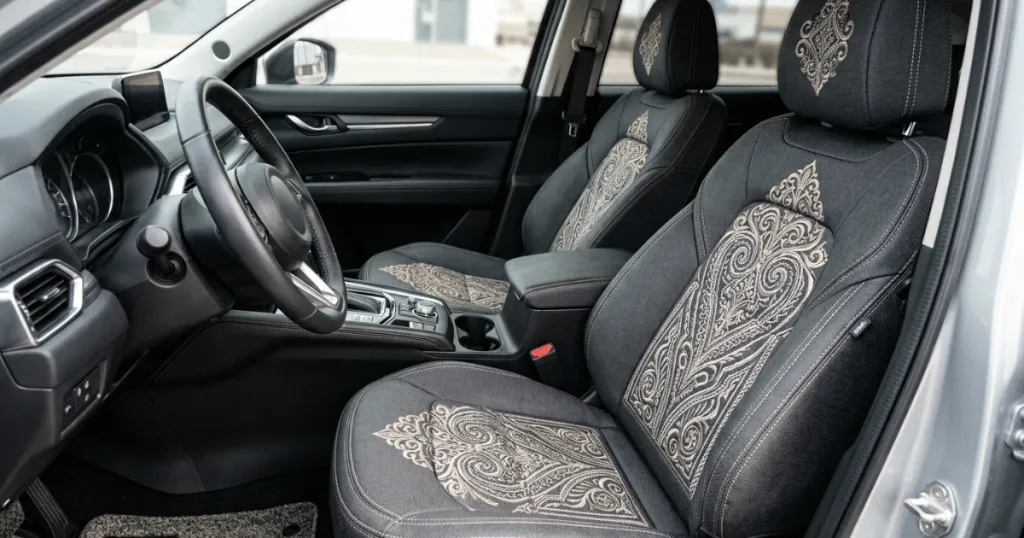
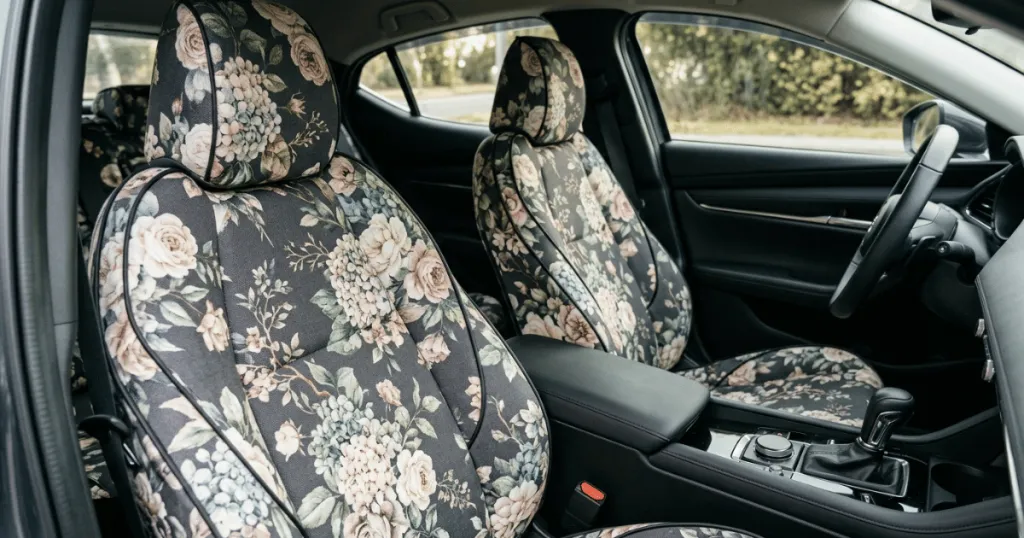
When you want to move away from standard factory upholstery, a printed seat cover offers a straightforward way to inject personality into your vehicle. Unlike solid-colored options that prioritize a neutral or factory-like appearance, these covers use patterns, textures, and designs to create a distinct visual focal point within the cabin. Whether you are looking to hide existing wear or simply want a change in scenery, the design you choose impacts both the look of your car and how you interact with the seating surface daily.
Selecting the right design is not just about the initial visual appeal. You must consider how the printing process interacts with the material, as some fabrics hold ink and detail better than others. A well-chosen cover balances your aesthetic preferences with the practical realities of daily driving, ensuring that the design remains sharp and vibrant despite the constant physical contact and exposure to sunlight.
Ultimately, the decision to install a printed seat cover should be guided by your specific use case. Are you looking to protect your original upholstery from the rigors of daily commuting, or are you trying to mask existing damage in an older vehicle? Understanding the relationship between print technology and material performance is the first step toward a successful interior upgrade that stands the test of time.
Factors Influencing Pattern Longevity and Visual Appeal
The durability of a printed car seat cover depends heavily on the printing technology used during manufacturing. Not all patterns are created equal, and understanding the difference between surface-level prints and fiber-integrated designs helps you manage expectations regarding how long the pattern will stay vibrant.
Surface-Printed vs. Sublimated Patterns
Surface-printed covers often feature designs applied directly to the top layer of the fabric. While these can look sharp initially, the ink sits on the fibers and may show signs of wear in high-friction areas like the seat bolsters or the center of the cushion. Over time, constant sliding in and out of the vehicle can cause the print to fade or crack, especially on stiffer materials like heavy-duty vinyl or certain synthetic blends.
Sublimation, on the other hand, involves heat-transferring the ink directly into the fibers of the material. This process is common for polyester and neoprene fabrics. Because the design becomes part of the fabric rather than a coating on top, it is significantly more resistant to fading, rubbing, and general surface abrasion. If you prioritize long-term visual consistency, look for materials that utilize this deeper integration method.
Material Texture and Pattern Clarity
The texture of the base material dictates how the pattern appears to the eye. A smooth, flat-weave fabric acts like a canvas, allowing for high-definition, complex prints with fine lines and intricate details. If you select a heavily textured material, such as a thick canvas or a quilted synthetic, the pattern may appear slightly distorted or muted because the fabric’s physical structure interrupts the visual flow of the print.
Consider the scale of the pattern in relation to your seat geometry. Large, bold prints can look fragmented on seats with complex contours, headrests, and integrated armrests. Smaller, repetitive patterns or subtle textures often work better on contoured bucket seats, as they maintain a consistent look even when the fabric is stretched or pulled during installation.
Real-World Scenarios for Patterned Seating
Different driving environments demand different approaches to interior design. A printed seat cover performs differently depending on whether you are using your vehicle for daily commuting, weekend off-roading, or managing a household with active pets and children.
Daily Commuting and Interior Refresh
For a daily driver, the goal is often to modernize an aging interior. Neutral geometric patterns or subtle, tonal prints can hide minor stains and scuffs that accumulate over time. These designs provide a clean, updated look without being distracting, which is important for maintaining focus while driving. Choosing a matte finish for the print can also reduce glare from sunlight hitting your seats, which is a common annoyance with glossy, synthetic materials.
High-Traffic and Active Use
If your vehicle frequently carries pets, sports gear, or children, the print serves a functional purpose beyond style: camouflage. Busy, multi-colored patterns are excellent at masking pet hair, dirt, and minor spills that would be immediately visible on a solid black or light gray seat. In these scenarios, opt for a dark-based print with varied color tones. This approach allows the cover to look cleaner for longer periods between deep cleanings, as the pattern naturally breaks up the visual impact of debris.
Why Pattern Choice Impacts Your Daily Experience
The visual environment of your car interior directly influences your comfort and mood during long drives. A printed seat cover that feels too busy or chaotic can contribute to visual fatigue, especially during extended road trips. Conversely, a design that feels cohesive with your vehicle’s existing dashboard and door panels creates a sense of intentionality, making the cabin feel like a custom-tailored space rather than an aftermarket addition.
Beyond the psychological impact, there is the practical matter of maintenance. A common mistake is choosing a light-colored, high-contrast print for a vehicle that sees heavy use. While these look striking in photos, they require frequent cleaning to maintain their intended effect. If you prefer a lighter aesthetic, ensure the material is rated for stain resistance and can withstand frequent wiping or machine washing. Prioritizing materials that are colorfast ensures that your printed seat cover remains a design asset rather than a source of frustration as the pattern begins to bleed or wash out.
Evaluating Patterned Upholstery Realities
Many drivers assume that a printed seat cover is inherently less durable than a solid-colored one. This is largely a holdover from older, lower-quality printing techniques where the design would peel or flake away. Modern manufacturing has largely solved this, provided you select the right material. A high-quality, sublimated print on a durable polyester or neoprene base is often just as resilient as a solid-colored version of the same material.
Another frequent misunderstanding involves the idea that patterns are only for aesthetic flair. In practice, the right print is a highly effective tool for managing the appearance of a well-used interior. By selecting a pattern that aligns with your specific usage, such as a dark, mottled print for a pet-friendly vehicle, you can actually extend the time between deep cleanings. The pattern does not just change the look; it changes the maintenance cycle of your vehicle’s interior. When you choose a printed seat cover with both material durability and visual utility in mind, you create a more functional and enjoyable driving space.
Installation Considerations for Patterned Designs
When installing a printed seat cover, the alignment of the pattern is paramount. Unlike solid colors, where slight shifts during installation are invisible, a misaligned pattern can be immediately noticeable. When pulling the cover over the seat bolsters and headrests, take extra care to ensure the pattern remains symmetrical across the seat surface. If the cover features a geometric grid or a repeating motif, uneven tension during the fastening process can cause the pattern to warp, which detracts from the professional, custom-tailored look you are aiming for.
Furthermore, consider the interaction between the cover and your vehicle’s specific seat features. If your seats have adjustable lumbar support or manual recline levers, ensure that the printed design does not obscure these controls or create bunching that interferes with their operation. A well-fitted cover should follow the contours of the seat, allowing the pattern to wrap naturally around the curves rather than fighting against the seat’s physical geometry.
Evaluating Long-Term Material Performance
Beyond the print itself, the substrate material plays a critical role in the overall lifespan of your interior upgrade. Neoprene seat covers, for instance, are popular for their water resistance and cushioning, but they have a distinct texture that can affect how a print is perceived. Because neoprene is slightly porous, prints may appear softer or more muted compared to those on a tight-weave polyester. Recognizing how different fabrics interact with ink allows you to choose a combination that aligns with your visual goals.
For those prioritizing upholstery protection, consider the weight and density of the fabric. Heavier fabrics often provide better protection against sharp objects or heavy loads, but they may be more difficult to install and can sometimes feel stiffer. Balancing the weight of the material with the desired pattern clarity is a key trade-off. If your primary goal is to protect the underlying seats from wear, prioritize the durability of the base material first, then evaluate the print quality to ensure it meets your aesthetic standards.
Maintenance and Care for Printed Surfaces
Maintaining a printed seat cover requires a gentle touch to preserve the integrity of the design. Avoid harsh chemical cleaners or abrasive brushes, as these can strip the ink or damage the fibers, leading to a patchy or faded appearance. Instead, use a mild soap solution and a soft cloth for spot cleaning. If the cover is machine washable, always follow the manufacturer’s temperature and cycle recommendations to prevent the print from bleeding or the material from shrinking.
Regular maintenance, such as vacuuming or light dusting, prevents abrasive grit from becoming embedded in the fabric, which can accelerate wear on the printed surface. By treating your printed seat cover with the same care as you would a high-quality garment, you ensure that the aesthetic impact remains consistent throughout the life of the product. Remember that your goal is to balance interior protection with a refreshed cabin look, and consistent, careful cleaning is the best way to achieve both.
FAQ
Do printed seat covers fade faster than solid ones?
Not necessarily. Fading depends more on the printing method than the color. Sublimated prints, where the ink is bonded to the fiber, are highly resistant to fading. Surface-printed covers, however, may show wear in high-friction areas over time.
Are printed seat covers harder to clean?
Cleaning difficulty depends on the base material, not the print itself. A printed seat cover made of machine-washable polyester is just as easy to maintain as a solid-colored polyester cover, provided you follow the manufacturer’s care instructions.
Can a printed seat cover help hide stains?
Yes, busy or multi-colored patterns are excellent at camouflaging minor stains, pet hair, and dirt, making them a practical choice for vehicles used by families or pet owners.