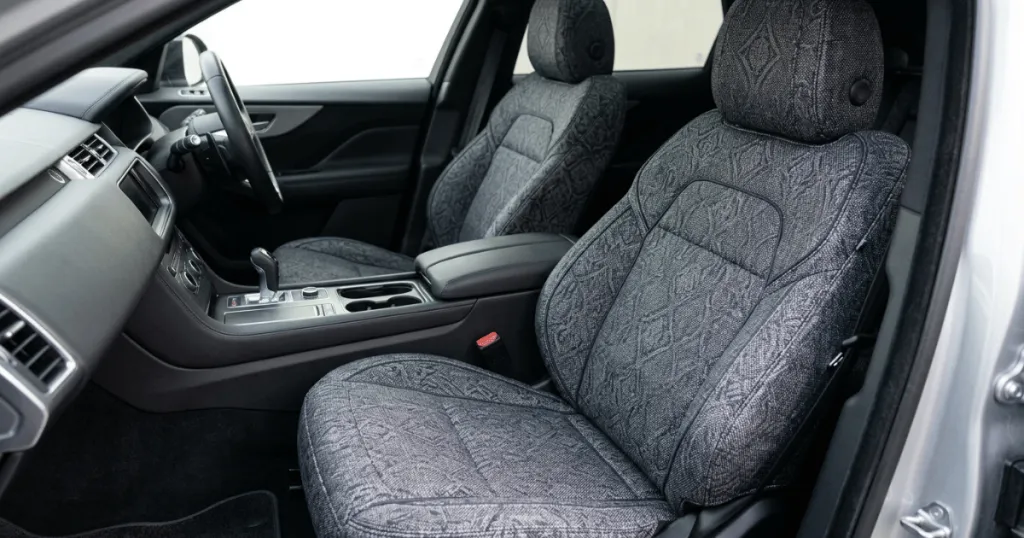
Integrating a patterned seat cover into your vehicle is a deliberate design choice that transforms the cabin’s atmosphere. Unlike solid colors, which often blend into the existing factory upholstery, a patterned option introduces texture, visual depth, and a personal touch to the driving environment. Whether you are looking to mask signs of wear on aging seats or simply want to refresh the interior aesthetic, these covers serve as a focal point for the cabin.
Selecting the right design involves more than just picking a color palette that matches your dashboard or floor mats. It requires considering how the scale of the pattern interacts with the physical dimensions of your seats, the frequency of use, and the overall lighting conditions inside the vehicle. A well-chosen design can make a compact interior feel more expansive or add a sense of luxury to a utilitarian workspace.
Factors Influencing Your Choice of Patterned Seat Cover
When you begin evaluating options, the interplay between visual design and material composition is the most significant factor. A pattern printed on thin, synthetic fabric will behave differently under daily stress than a woven, heavy-duty textile. You must prioritize how the material handles friction, sunlight exposure, and moisture before finalizing your decision based on the print itself.
Scale and Proportion of the Design
The scale of the pattern should correspond to the size of your vehicle’s seats. In smaller passenger cars, large, bold geometric prints can overwhelm the space, making the cabin feel cluttered or claustrophobic. Conversely, in larger SUVs or trucks with expansive seating surfaces, tiny, intricate patterns might appear muddy or indistinct from a distance. Aim for a scale that feels proportional to the seat back and bottom cushions, as this helps the motif remain clear and visually cohesive across the upholstery surface.
Material Durability and Print Longevity
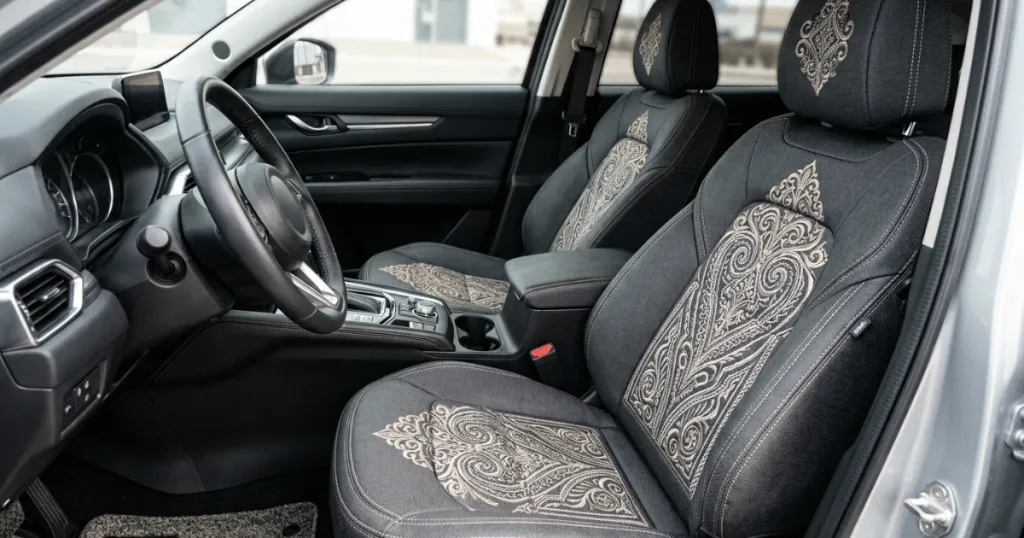
Not all materials hold patterns equally well. Synthetic blends like polyester or neoprene often allow for high-resolution, vibrant printing that resists fading from UV exposure. However, these materials can sometimes feel less breathable than natural-fiber weaves. If you choose a woven patterned fabric, ensure the pattern is integrated into the weave rather than just printed on the surface, as surface prints on high-friction areas like the seat bolsters will inevitably wear away over time.
Real-World Context for Interior Styling
Applying a patterned car seat cover in a real-world setting requires balancing form with function. Your vehicle’s specific usage scenario, whether it serves as a daily commuter, a family transport, or a work vehicle, will dictate the practical limits of your design choices.
High-Traffic and Family Environments
If your vehicle frequently carries children or pets, high-contrast, light-colored patterns may prove difficult to maintain. Darker, multi-colored, or busy patterns are generally more forgiving, as they effectively camouflage minor stains, pet hair, and dust between cleanings. In these scenarios, prioritize materials that offer a smooth, wipeable surface, as textured fabrics can trap debris within the pattern’s weave, making deep cleaning a significant challenge.
Professional and Commuter Applications
For vehicles used in professional settings or long-distance commuting, comfort and visual subtlety take precedence. Opt for low-contrast patterns, such as subtle houndstooth or muted plaid, which provide visual interest without causing eye fatigue during long drives. These patterns often pair well with neutral-toned interiors, adding a touch of sophistication that feels integrated rather than like an aftermarket addition. Ensure the material chosen for these environments is breathable to prevent moisture buildup during extended periods of sitting.
The Impact of Design Choices on Interior Comfort
Selecting a patterned car seat cover influences your daily interaction with the vehicle, as the material’s texture and print density change how the seat feels against your clothing. A heavily embossed or deeply textured pattern may provide extra grip, which is beneficial for off-road or sport-style driving, but it might feel abrasive during long, stationary periods. Conversely, a smooth, printed surface is generally more comfortable for daily errands but may offer less stability during cornering. Always consider the tactile experience of the material, as the most visually appealing cover will quickly become a nuisance if it feels uncomfortable or causes excessive heat retention in warmer climates.
Addressing Common Misconceptions About Patterned Upholstery
A frequent mistake is assuming that a patterned seat cover is inherently more difficult to keep clean than a solid-colored one. In reality, the opposite is often true. Solid black or light beige covers highlight every speck of lint, crumb, or water spot, whereas a well-chosen pattern provides a visual distraction that masks minor imperfections. Another common oversight is ignoring the installation process; a complex pattern can look distorted if the cover is not pulled taut and aligned correctly during installation.
Achieving even tension across the seat surface is vital to keep the pattern aligned and looking sharp. Furthermore, remember that a patterned seat cover is not a permanent fixture; it is a flexible design element that can be swapped out based on the season or your evolving preferences for the vehicle’s interior.
Strategic Considerations for Pattern Selection
Beyond the immediate visual appeal, the selection of a patterned seat cover involves understanding the relationship between the pattern’s geometry and the vehicle’s interior architecture. Many vehicle owners overlook the fact that seat covers are three-dimensional objects draped over complex, contoured surfaces. A pattern that looks perfectly symmetrical on a flat piece of fabric may appear skewed once it is stretched over a bucket seat with pronounced side bolsters. When evaluating a design, look for patterns that are forgiving of distortion, such as organic, non-directional prints or small-scale repeating motifs, which tend to maintain their visual integrity even when the fabric is pulled taut during the installation process.
Furthermore, consider the lighting conditions within your vehicle. A cabin with a large panoramic sunroof will experience significant natural light, which can wash out delicate patterns or highlight the texture of a woven fabric. In such environments, higher-contrast patterns often perform better, maintaining their definition throughout the day. Conversely, if your vehicle has dark interior trim and tinted windows, a subtle, low-contrast pattern can add a layer of depth that feels intentional and high-end, rather than overwhelming the space.
Maintenance Strategies for Patterned Fabrics
To keep your upholstery looking its best, you should adopt a consistent cleaning routine that addresses the specific needs of the fabric and print. Because patterns can sometimes hide the early stages of dirt accumulation, it is important to establish a routine cleaning schedule rather than waiting for visible signs of soiling. For woven patterns, a soft-bristled brush can be used to gently dislodge debris from the crevices of the weave, preventing it from becoming embedded over time. For printed synthetic materials, a damp microfiber cloth is usually sufficient to remove surface dust and light spills.
When dealing with more stubborn stains, always test your cleaning solution on an inconspicuous area of the seat cover first. This is particularly critical for printed patterns, as harsh chemicals can cause the ink to bleed or fade, permanently altering the design. If the cover is removable, check the manufacturer’s care instructions regarding machine washing. While many modern covers are designed for durability, high-heat drying can cause shrinkage, which will inevitably distort the pattern and make the cover difficult to reinstall properly.
The Role of Texture in Patterned Design
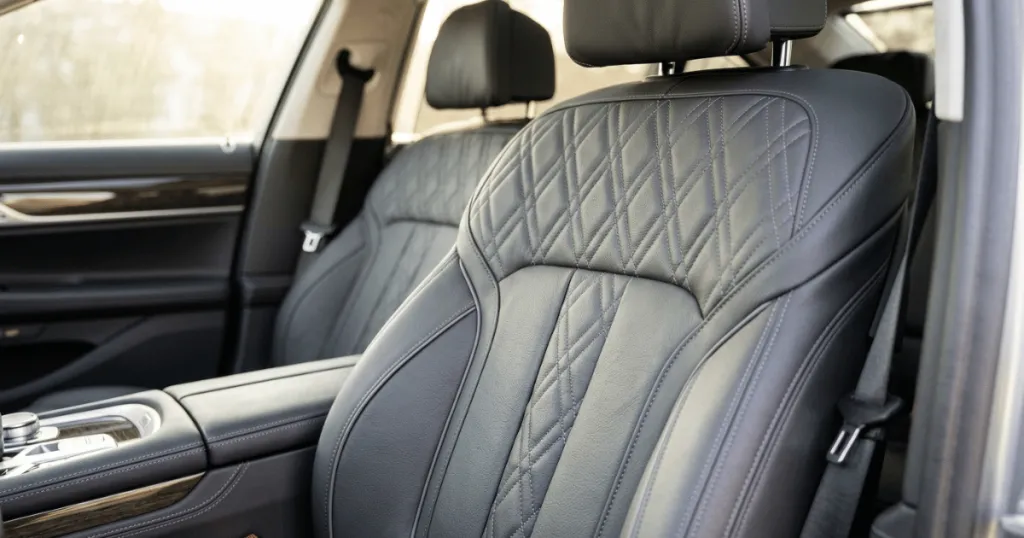
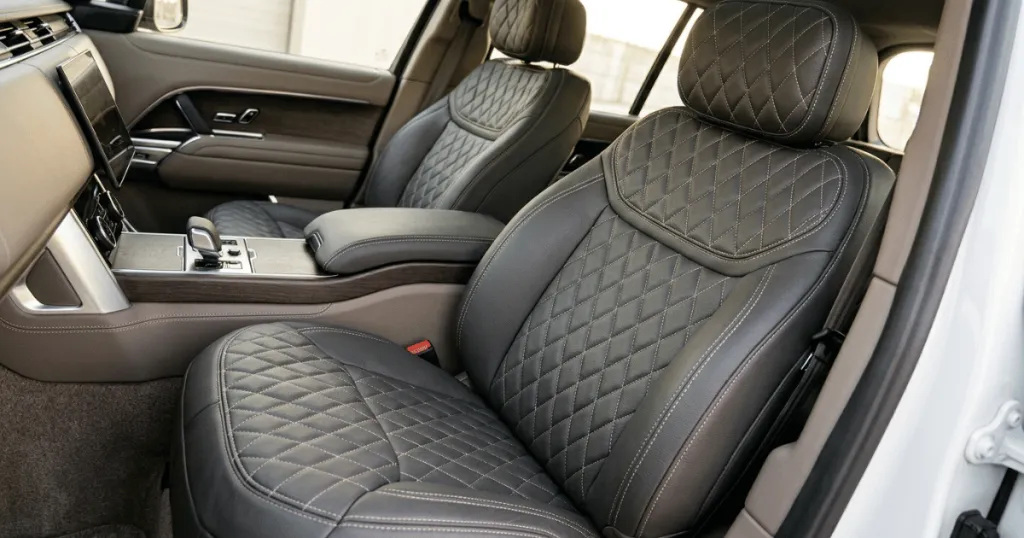
It is impossible to discuss patterns without addressing the tactile element of the material. A pattern is rarely just a visual print; it is often part of the fabric’s construction. For example, a diamond-stitch pattern is frequently achieved through quilting, which adds a layer of padding and creates a distinct, luxurious feel. This type of pattern serves a dual purpose: it enhances the aesthetic of the seat while providing a slight increase in cushioning. This added comfort is a significant benefit for long-distance drivers who may find standard factory upholstery lacking in support.
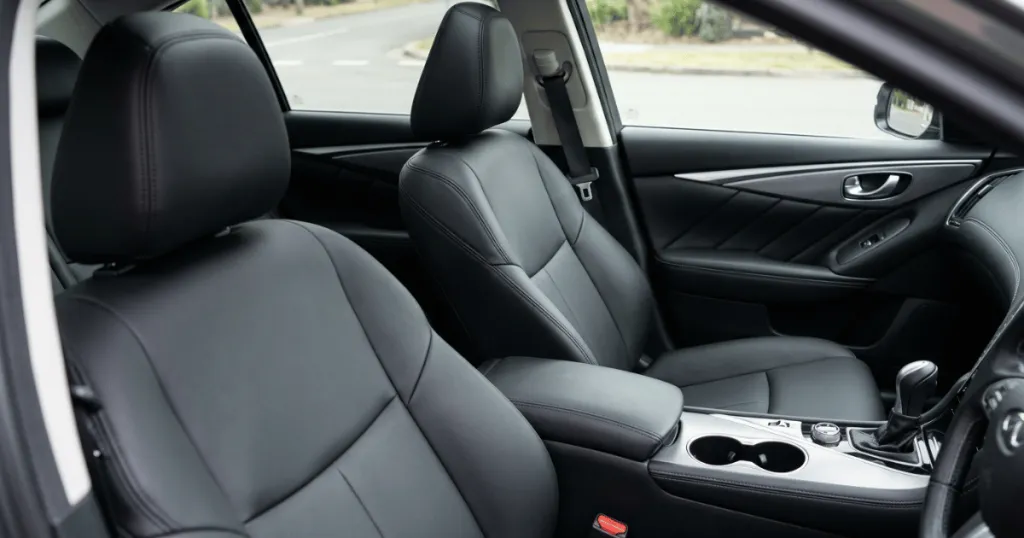
On the other hand, a flat-printed pattern on a smooth, synthetic material offers a different experience. It is often easier to slide in and out of the vehicle, which is a practical advantage for those who frequently enter and exit their car throughout the day. When choosing between these options, consider your primary use case. If you prioritize comfort and a premium look, a quilted or textured pattern is an excellent choice. If you prioritize ease of use and low-maintenance, a smooth, printed surface will likely serve you better.
FAQ
Will a patterned seat cover fade faster than a solid color?
Fading is primarily determined by the material’s UV resistance and the quality of the dye or print process, not the pattern itself. A high-quality patterned seat cover made with UV-stabilized materials will hold its color just as well as a high-quality solid cover.
How do I ensure the pattern aligns correctly during installation?
Start by centering the cover on the seat bottom and backrest before securing any straps. Use the seams of the original seat as a guide to ensure the pattern remains straight. If the cover has adjustable tension cords, tighten them evenly from both sides to prevent the fabric from shifting or pulling the pattern out of alignment.
Are patterned covers suitable for vehicles with pet traffic?
Yes, but choose a pattern with enough visual complexity to hide pet hair and a material that is easy to wipe down. Avoid delicate, loose-weave fabrics where claws could snag the pattern, as this will quickly ruin the aesthetic and the integrity of the material.