Many vehicle owners search for a waterproof car seat cover under the assumption that these products provide an impenetrable barrier against all liquids. While manufacturers often market these covers as total solutions for spills, mud, and pet accidents, the reality is more nuanced. A truly waterproof barrier is rarely achieved through the material alone; it often depends on the integrity of the seams, the method of attachment, and the specific chemical treatments applied to the fabric.
Evaluating how these covers perform in daily driving conditions helps set realistic expectations. Rather than viewing them as a permanent seal for your upholstery, it is more accurate to treat them as a first line of defense that buys you time to clean up messes before they reach the seat foam. This article examines the actual performance of these covers, the limitations of common materials, and how to determine if they are the right choice for your specific driving habits.
How Moisture Resistance Actually Functions in Vehicle Interiors
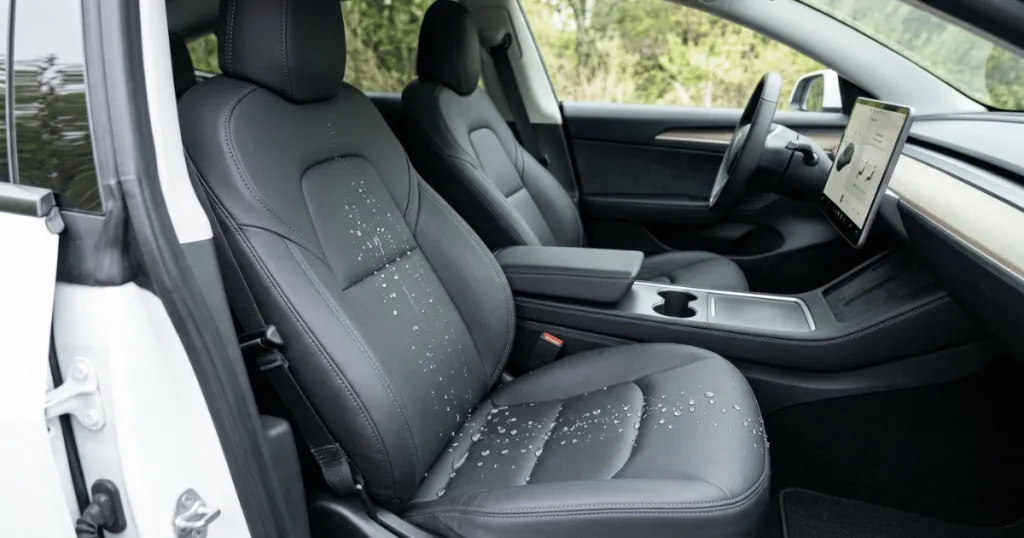
The term “waterproof” in the context of automotive accessories often refers to a spectrum of moisture resistance rather than a literal, absolute seal. Most covers rely on either synthetic material density or a chemical coating to repel water. Recognizing these technical nuances is essential for gauging the actual level of protection provided.
Synthetic Material Density
Materials like neoprene and heavy-duty vinyl are popular because their molecular structure is naturally less porous than traditional woven fabrics. Neoprene, for instance, is a closed-cell rubber material that does not absorb water into its core. When liquid hits the surface, it beads up rather than soaking through, which provides a significant window of time for the owner to wipe the surface dry. This is highly effective for short-term exposure, such as rain from an open window or a small spilled drink.
Chemical Barrier Treatments
Many fabric-based covers use a DWR (Durable Water Repellent) coating to achieve their protective status. These treatments are applied to the outer surface to lower the surface tension of the fabric, forcing liquids to roll off. While this works well initially, these coatings are not permanent. Friction from passengers sliding in and out of the seat, combined with regular cleaning, eventually wears the chemical layer down. Once the coating degrades, the underlying fabric becomes susceptible to moisture absorption, meaning the “waterproof” label may no longer apply after a year or two of heavy use.
Evidence Strength and Limitations of Moisture Protection
When assessing the claims surrounding a waterproof car seat cover, it is important to distinguish between the material’s face and the construction of the product. Even if the fabric itself is impervious to water, the finished product often has vulnerabilities that limit its overall effectiveness.
The Seam Vulnerability
The most common point of failure for any protective seat cover is the stitching. Because needles must pierce the material to create the shape of the seat cover, they create thousands of tiny holes. Unless these seams are heat-sealed or taped from the underside, water will eventually seep through the needle holes if a spill is left to sit. Manufacturers rarely advertise this, but it is a physical reality of textile assembly that significantly impacts how much protection you actually receive.
The Role of Under-Padding
Many covers include a foam backing for comfort. If the outer layer fails or if liquid manages to bypass the seams, this foam layer acts like a sponge. Once the foam becomes saturated, it can actually hold moisture against the original seat upholstery for a longer period than if the cover were not there at all. This creates a risk of mildew or odor development if the seat is not allowed to dry thoroughly. In practice, this means that a waterproof cover requires more diligent monitoring than a standard fabric cover, as you must ensure no moisture has migrated to the underside.
Who Benefits Most from Moisture-Resistant Seating
Selecting a waterproof car seat cover is a decision driven by specific usage scenarios rather than a universal need. For many, the added bulk and texture of these materials are unnecessary, but for others, they serve a clear, practical purpose in maintaining the vehicle’s interior condition.
Pet Owners and Active Lifestyles
If your vehicle frequently transports pets, particularly dogs that enjoy swimming or playing in mud, the benefit of a moisture-resistant barrier is clear. These covers prevent the transfer of damp fur and muddy paws directly into the seat fabric, which is notoriously difficult to deep-clean. For these users, the primary goal is containment, and the cover acts as a sacrificial layer that can be easily removed and washed.
Commercial and Rideshare Usage
Drivers who operate their vehicles for commercial purposes often face higher risks of spills from passengers. In these environments, the ability to quickly wipe down a seat between trips is a significant operational advantage. A waterproof cover allows for rapid sanitation, which keeps the interior looking professional and prevents long-term staining from accidental beverage spills or wet clothing.
Climate-Related Considerations
In regions with high humidity or frequent rainfall, these covers can prevent the “soggy seat” feeling that occurs when damp clothing makes contact with standard cloth upholstery. However, it is worth noting that non-breathable waterproof materials can lead to increased perspiration during warmer months. If you live in a hot climate, you may find that the trade-off for moisture protection is a reduction in overall seating comfort, as these materials do not allow air to circulate between the passenger and the seat.
Evaluating Material Longevity and Performance
A frequent error in judgment involves equating thickness with performance. Many shoppers assume that a thicker, heavier-duty material will always provide better protection than a thinner one. In reality, the material’s composition is far more important than its weight. A thin, high-quality synthetic polymer can often outperform a thick, porous fabric that has simply been sprayed with a temporary water-repellent finish.
Another common misunderstanding is the idea that a waterproof car seat cover is maintenance-free. While they are easier to clean than factory upholstery, they still require regular care to maintain their protective properties. Dirt, dust, and body oils can accumulate on the surface and eventually compromise the water-repellent coating. If you fail to wipe down the cover periodically, the dirt acts as an abrasive, wearing down the surface finish and trapping moisture against the seat. True protection requires a cycle of use, inspection, and cleaning to ensure the material remains in its intended state.
Evaluating Material Trade-offs for Daily Use
When selecting a waterproof car seat cover, you are essentially balancing liquid containment against passenger comfort. Neoprene, while highly effective at repelling water, is a synthetic rubber that retains body heat. In contrast, treated polyester or nylon fabrics may offer better breathability but often require more frequent re-application of water-repellent sprays to maintain their efficacy. Weighing these functional trade-offs is vital for long-term satisfaction.
Consider the texture of the material as well. Some waterproof surfaces are smooth and slick, which can make it difficult to slide into the seat, while others are textured to mimic the feel of traditional upholstery. If you prioritize ease of entry and exit, look for materials that balance a moisture-resistant backing with a more tactile, fabric-like top layer. This hybrid construction often provides the best of both worlds: the comfort of fabric and the security of a moisture barrier.
Installation and Fitment as a Protective Factor
The effectiveness of a waterproof car seat cover is heavily influenced by how well it fits the specific seat geometry. A loose-fitting cover creates pockets where liquid can pool, increasing the likelihood that moisture will eventually find its way to the seams or the original upholstery. A snug, form-fitting cover, by contrast, encourages liquid to run off the sides of the seat rather than settling into the crevices.
Proper installation involves securing the cover tightly against the seat base and backrest. Many covers use straps, hooks, or elastic tensioners to maintain this fit. Periodically checking these attachment points is part of a responsible maintenance cycle. If the cover shifts, it exposes the original seat to potential spills and creates friction points that can wear down the factory fabric over time. Always ensure the cover is pulled taut and that all fasteners are securely anchored to the seat frame or underside, avoiding any obstruction of the seat’s mechanical functions.
Final Considerations for Your Interior Protection Strategy
Selecting the right protection for your vehicle requires an honest assessment of your daily routine. If you are looking for a waterproof car seat cover to solve a specific problem, such as protecting against pet messes or frequent spills, the benefits are substantial. However, you must be prepared for the realities of these materials, including the potential for reduced breathability and the need for consistent maintenance to keep the protective layers intact. By focusing on high-quality materials and understanding the limitations of seams and coatings, you can make a choice that effectively preserves your vehicle’s interior without overestimating what a simple cover can achieve.
FAQ
Do all waterproof car seat covers prevent liquid from reaching the seat?
Not necessarily. While the material itself may be water-resistant, the seams created during manufacturing can allow liquid to pass through. For maximum protection, look for covers with heat-sealed or taped seams.
How often should I clean a waterproof car seat cover?
To maintain the water-repellent coating, you should wipe the surface with a damp cloth whenever it gets dirty. Avoid harsh chemicals that can strip the protective finish and lead to premature wear.
Are these covers breathable?
Generally, no. Most materials designed to be waterproof are non-porous, which means they do not allow air to circulate. This can make the seats feel warmer during hot weather compared to standard fabric covers.