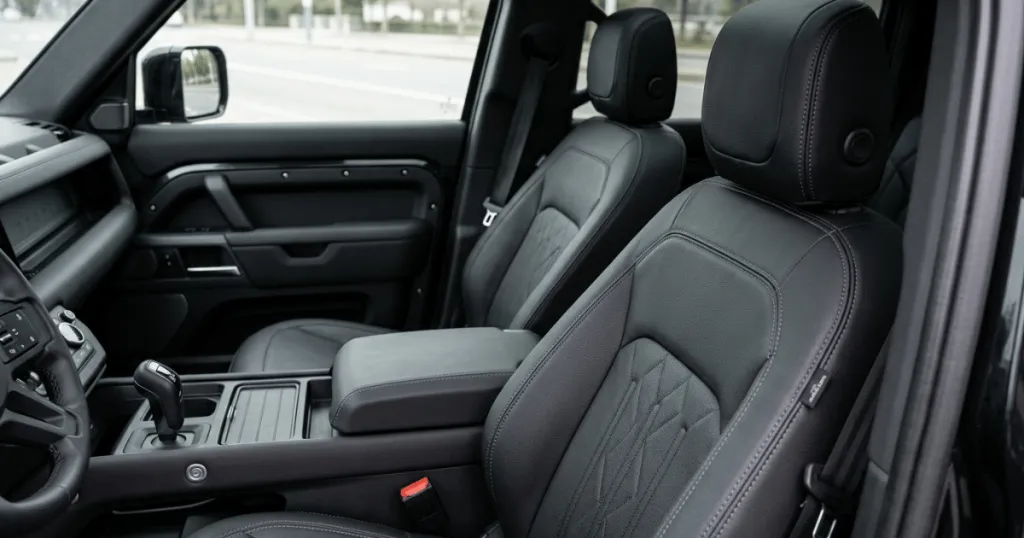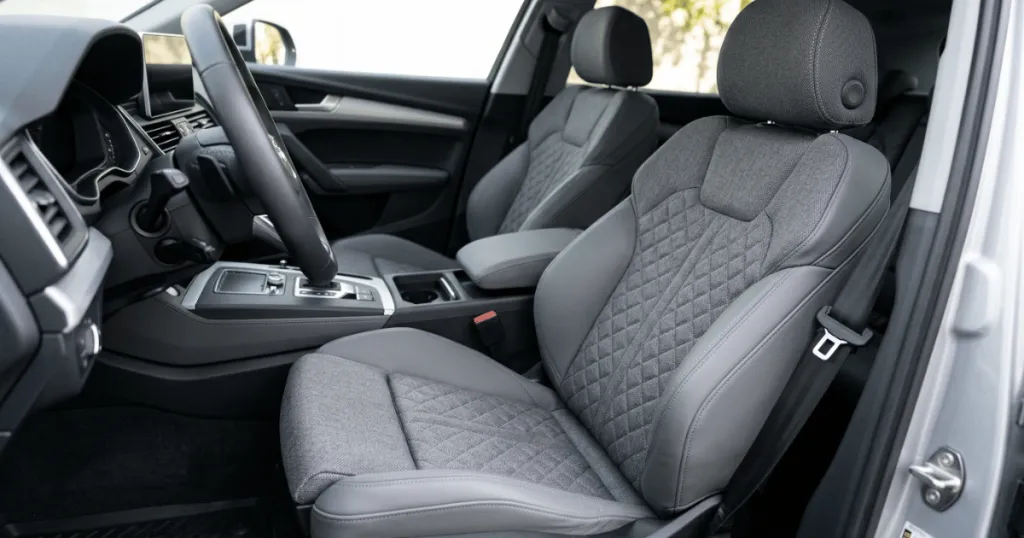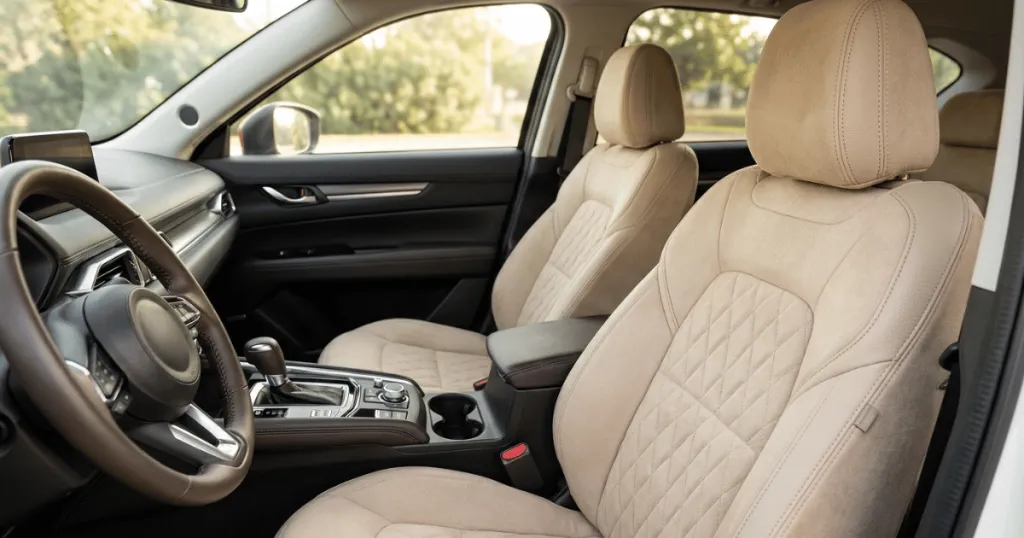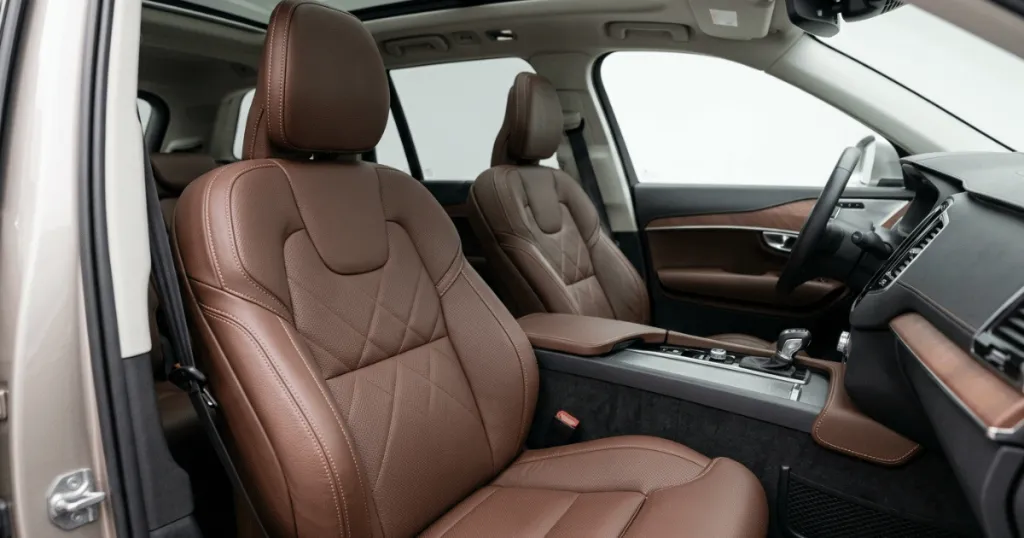
Integrating a custom color car seat cover provides vehicle owners with a direct method to tailor their cabin aesthetic beyond the limitations of factory-standard upholstery. Whether the goal is to harmonize with existing interior trim, introduce a bold visual accent, or simply revitalize aged seating, the color selection process acts as the primary driver for your vehicle’s interior personality. A well-chosen palette can transform a utilitarian space into a cohesive, intentional design environment.
Beyond visual appeal, the integration of a custom color car seat cover requires balancing aesthetic preferences with the practical realities of daily vehicle use. Factors such as interior lighting, existing dashboard materials, and the frequency of cabin use play a significant role in how specific colors perform over time. Understanding how to navigate these variables ensures your design choices remain functional and visually satisfying for years.
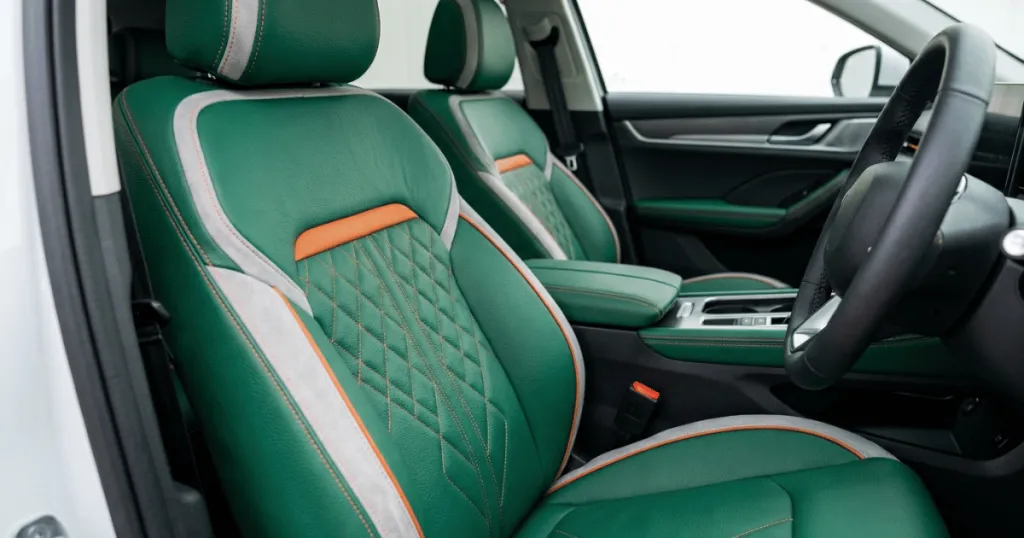
Factors Influencing Color Selection and Visual Cohesion
Achieving a professional look inside your vehicle involves more than picking a favorite shade. You must consider how the new color interacts with the fixed elements of your car, such as the door panels, headliner, and dashboard.
Matching or Contrasting with Factory Trim
Most vehicle interiors feature a neutral base, such as charcoal, tan, or gray. When selecting a custom color car seat cover, you can either lean into this neutrality or create a deliberate contrast. Matching the seat cover to the existing carpet or headliner creates a seamless, factory-installed appearance. Conversely, choosing a shade that contrasts with the primary interior color, such as a deep navy cover in a light gray cabin, creates a focal point that draws the eye and elevates the interior design.
The Role of Lighting and Cabin Size
Vehicle interiors are often smaller than residential spaces, which means colors can appear more intense than they do on a digital screen or a small fabric swatch. Light colors, while visually expanding a cramped cabin, are more susceptible to showing dirt and dye transfer from clothing. Darker colors provide a grounded, luxurious feel but can make a small vehicle feel enclosed. Consider the natural light levels in your vehicle; if you have a large sunroof or light-colored interior plastics, you have more flexibility with high-contrast color choices.
Real-World Context for Color and Material Performance
The material you choose for your custom color car seat cover significantly influences how the color is perceived and how it holds up to daily wear. Different textures reflect light differently, which can change the perceived hue of the cover once it is installed.
Leather and Faux Leather Aesthetics
Synthetic and genuine leather options often offer the widest range of custom color car seat cover possibilities. These materials tend to have a slight sheen, which makes colors appear more vibrant and saturated. If you choose a bold color like red or royal blue in a faux leather, the material’s finish will emphasize that vibrancy. However, keep in mind that lighter shades of faux leather are prone to showing scuffs and surface wear more readily than darker, matte-finish materials.
Fabric and Neoprene Textures
Textured fabrics and neoprene provide a matte finish that absorbs light rather than reflecting it. This makes colors appear slightly more muted and subtle. If you are looking for a custom color car seat cover that feels understated or matches a rugged, off-road aesthetic, these materials are excellent choices. Because they are porous, they may hold onto dust or debris, which can dull the appearance of lighter colors over time. Regular vacuuming is necessary to keep the intended color profile looking fresh.
The Impact of Color Choice on Daily Vehicle Use
Selecting a color involves both aesthetic preferences and practical maintenance requirements that dictate how much effort you will spend on upkeep. A custom color car seat cover in a high-traffic vehicle requires a different approach than one in a weekend cruiser.
High-Traffic and Family Usage Scenarios
If your vehicle is used for daily commuting, pet transport, or family activities, avoid extremely light colors that show every speck of dust or mud. Mid-tone colors like slate gray, forest green, or deep brown are more forgiving and hide minor debris better than stark white or bright yellow. These colors maintain a clean look even between deep cleanings, allowing you to enjoy the aesthetic without constant maintenance anxiety.
Commercial and Rideshare Considerations
For those using their vehicles for commercial purposes, a custom color car seat cover should project professionalism. Neutral, sophisticated tones like charcoal, black, or deep tan are generally preferred by passengers and offer a timeless look. Avoid overly bright or neon colors, as they can be distracting and may not align with the professional image you want to convey. A consistent, muted color palette helps the interior feel like a premium, well-maintained space.
Addressing Common Misconceptions About Custom Colors
Some owners mistakenly assume that opting for a custom color car seat cover necessitates a compromise regarding material longevity or the ability to keep the seats clean. This is often a misunderstanding of how modern materials are treated during production.
Durability Across the Color Spectrum
There is a common belief that lighter colors are inherently less durable than darker ones. In reality, the durability of a seat cover is determined by the material composition, such as the denier of the fabric or the quality of the synthetic leather, rather than the pigment. A high-quality, light-colored neoprene cover will often outlast a low-quality, black polyester cover. Focus on the material specifications and the manufacturer’s intended use rather than assuming darker colors are always tougher.
The Reality of Color Fading
Another misconception is that custom colors will inevitably fade within a few months. While all materials are subject to UV degradation, modern automotive-grade materials are treated with stabilizers to resist sun damage. If you park your vehicle outside for extended periods, the intensity of the color may shift slightly over several years. This is a natural process for any textile, but it does not mean the material is failing. Using a sunshade in your windshield can significantly slow this process, protecting both your dashboard and your seat covers.
Strategic Color Coordination for Interior Customization
Beyond simple matching, consider the “color temperature” of your cabin. Warm tones like tan, beige, or saddle brown create an inviting, classic atmosphere, often pairing well with wood-grain trim or traditional interior layouts. Cool tones, such as slate, navy, or silver, lean toward a modern, tech-forward aesthetic that complements brushed aluminum or carbon-fiber accents. When selecting a custom color car seat cover, look at the undertones of your existing dashboard plastics. A mismatch in undertones, such as a cool-toned gray cover against a warm-toned beige dashboard, can create visual friction that makes the interior feel disjointed.
Maintenance Strategies for Vibrant Custom Colors
To keep a custom color car seat cover looking its best, you must commit to a consistent cleaning schedule that addresses spills and debris immediately. For vibrant or light-colored materials, spot cleaning should be performed as soon as a spill occurs to prevent staining. Avoid harsh chemical cleaners that can strip the dye or damage the protective coatings on synthetic leathers. Instead, use mild, pH-balanced cleaners designed for automotive textiles. For textured fabrics, regular vacuuming is essential to prevent dirt from settling into the weave, which can cause the color to look dull or dingy over time. By incorporating these maintenance steps into your routine, you preserve the original color integrity and keep your cabin interior looking intentional and well-cared-for.
Finalizing Your Interior Design Strategy
When you decide to install a custom color car seat cover, the goal is to create a space that feels personal yet integrated. Start by evaluating your vehicle’s current interior palette and determining whether you want a subtle enhancement or a bold transformation. By prioritizing material quality alongside your color choice, you ensure that your investment provides both the visual impact and the practical utility you need. Whether you opt for a classic neutral or a vibrant accent, a thoughtful approach to your custom color car seat cover will result in a cabin that feels uniquely yours for years to come.
FAQ
Can I match a custom color car seat cover to my vehicle’s existing interior trim?
Yes, many manufacturers offer a wide spectrum of colors designed to complement or match common factory interior shades like charcoal, tan, and gray. It is helpful to request fabric swatches if available to compare them against your vehicle’s current upholstery in natural light.
Do lighter colors for seat covers require more maintenance?
Generally, yes. Lighter colors show dirt, dust, and dye transfer from clothing more readily than darker or mid-tone colors. If you choose a light custom color car seat cover, be prepared for more frequent spot cleaning to maintain its appearance.
Does the material type affect how a custom color looks?
Yes, material texture significantly impacts color perception. Glossy materials like faux leather reflect light, making colors appear more vibrant and saturated, while matte materials like fabric or neoprene absorb light, resulting in a more muted, subtle look.