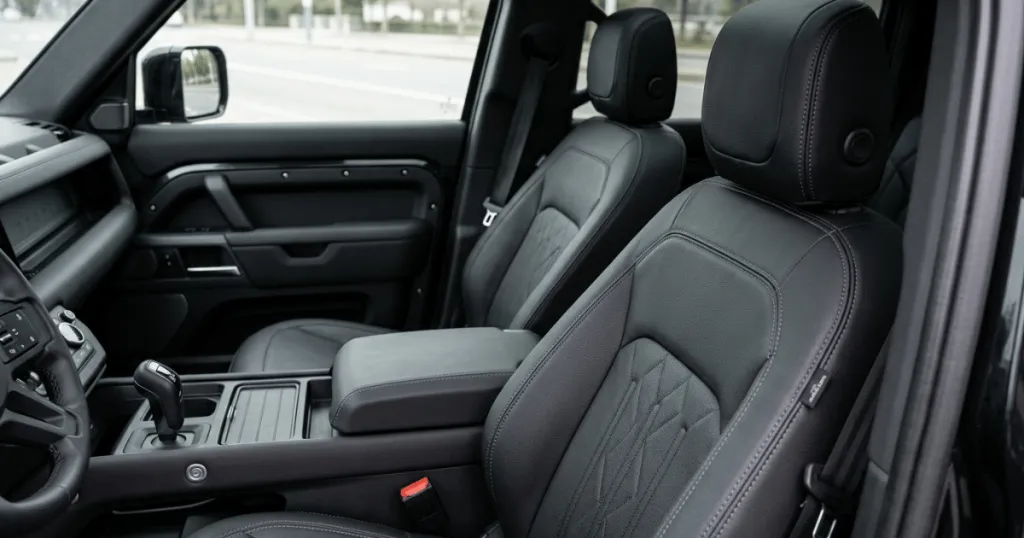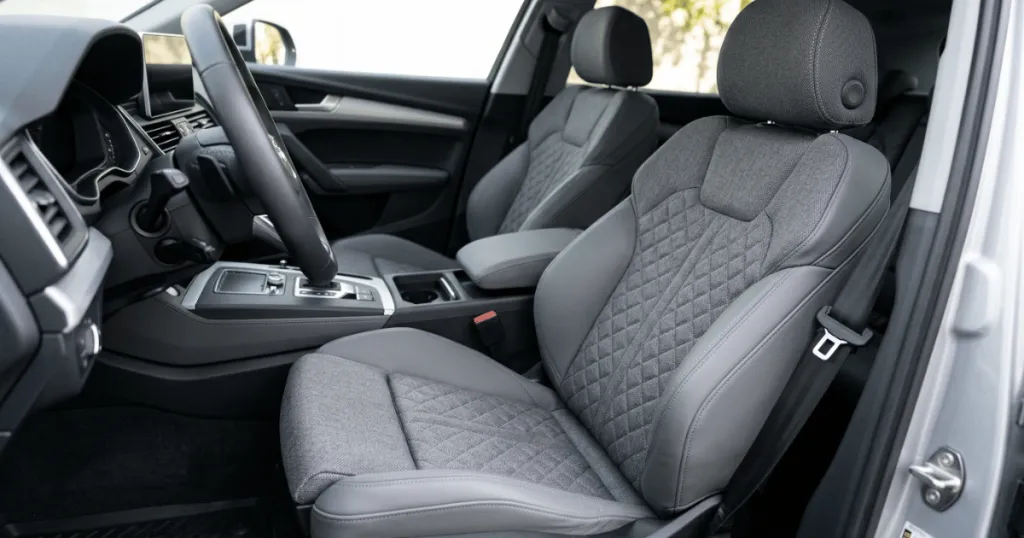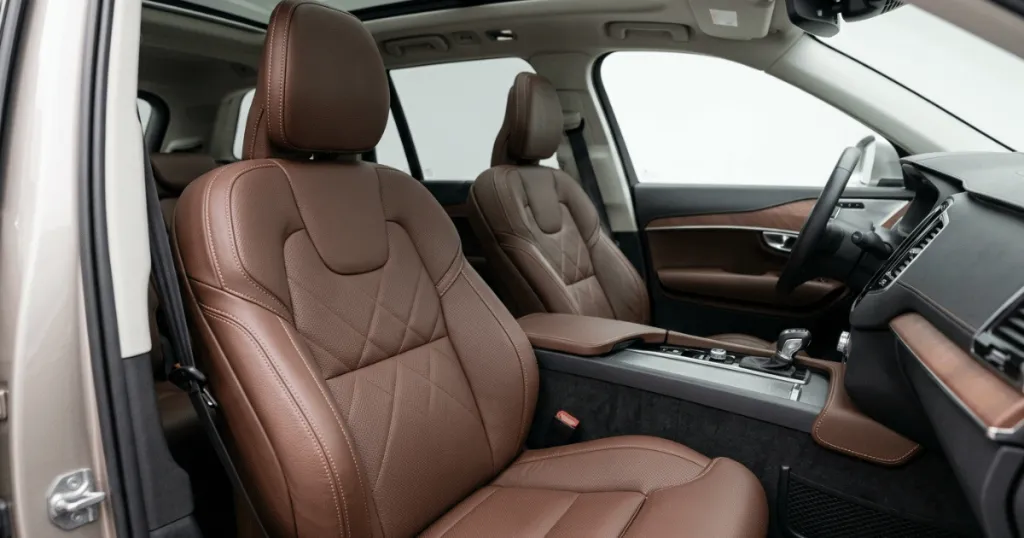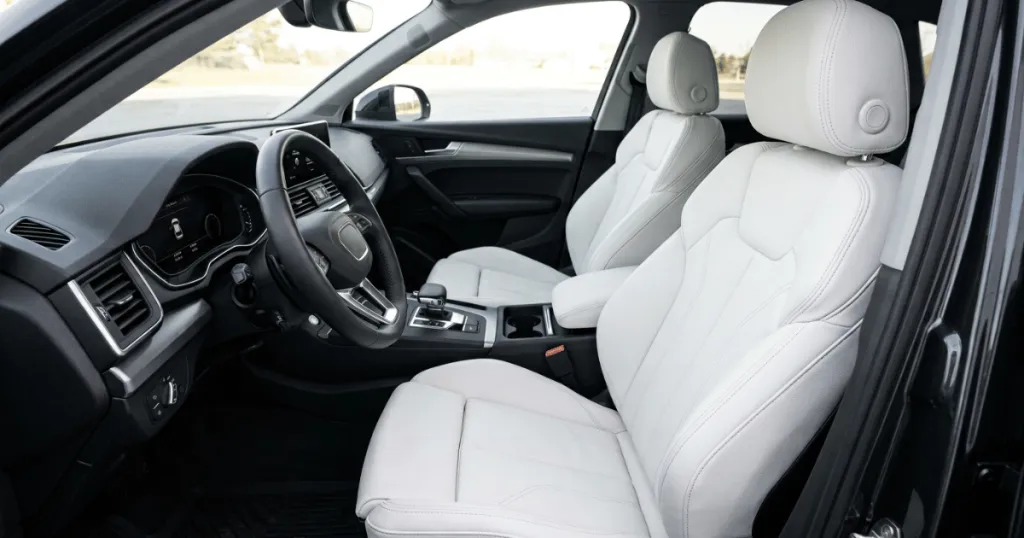
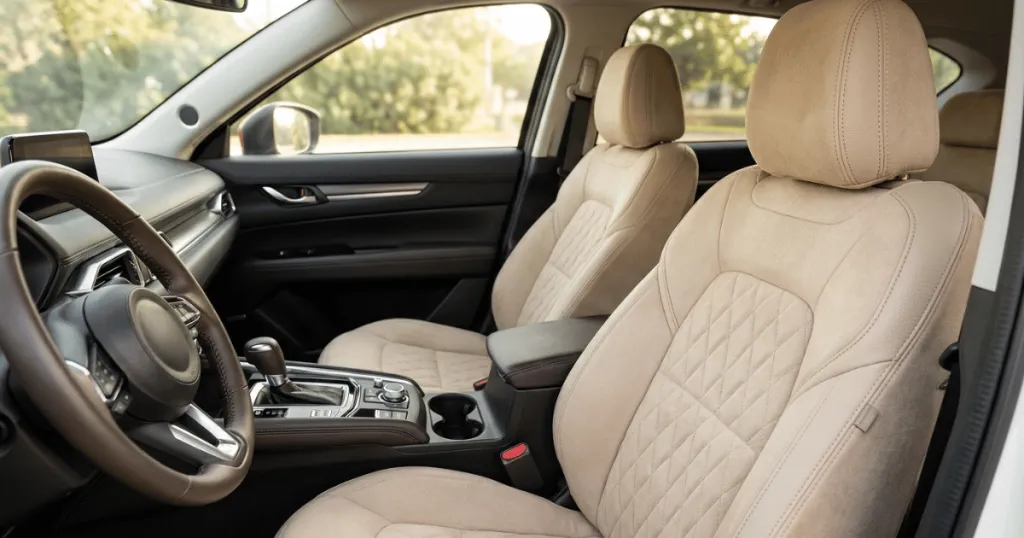
Selecting a light-colored interior accessory often comes down to a balance between visual appeal and the realities of daily use. A beige car seat cover offers a classic, neutral look that can brighten a dark vehicle cabin, making the interior feel more spacious and inviting. Unlike bold colors or dark tones that might absorb heat or show dust, beige provides a clean, sophisticated backdrop that complements almost any dashboard or door panel color.
However, the decision to install a lighter shade requires a realistic look at your driving habits. Because light colors are more prone to showing dirt, oil, and dye transfer from clothing, the choice of material and your cleaning routine become just as important as the color itself. When you opt for a beige car seat cover, you are intentionally selecting a refined interior aesthetic that demands a more consistent and attentive cleaning schedule than darker, more forgiving options.
Factors Influencing Your Choice of Light-Toned Upholstery
Choosing the right tone and material for your interior upgrade involves several variables. While the color itself is the primary focus, how that color interacts with your vehicle’s specific environment will determine your long-term satisfaction.
Material Texture and Stain Resistance
Not all light-colored materials handle daily wear the same way. Synthetic leather or high-quality vinyl in beige often provides a non-porous surface that resists liquid spills, making them easier to wipe down. Conversely, woven fabrics or canvas in a light shade may have a more textured surface that can trap fine dust or lint, which becomes more visible against the lighter background. If you prioritize ease of cleaning, look for materials with a smooth finish that prevents debris from settling deep into the fibers.
Light Reflection and Cabin Temperature
One often overlooked advantage of a lighter shade is its heat management properties. Darker fabrics tend to absorb more solar energy, which can lead to warmer seating surfaces during summer months. A beige car seat cover reflects more light, keeping the surface temperature slightly lower when the vehicle is parked in direct sunlight. This can be a significant comfort factor for drivers in warmer climates who want to avoid the intense heat retention common with black or dark grey upholstery.
The Impact of Dye Transfer
A common challenge with lighter interiors is dye transfer, particularly from denim jeans or dark-colored clothing. Over time, the pigments from these garments can migrate onto the seat cover surface. This is more noticeable on beige than on other colors. Selecting a material engineered with high-performance stain-repellent finishes or one that allows for vigorous surface cleaning without compromising the material integrity is a practical way to manage this issue. If you frequently wear dark denim, you may need to clean the seat cover more often to maintain its original appearance.
Real-World Scenarios for Light-Colored Interiors
The suitability of a light-colored interior accessory depends heavily on how you use your vehicle. Evaluating your specific driving environment and passenger habits will clarify whether a beige car seat cover is a practical fit for your daily routine.
Family and Commuter Usage
For families with children, light-colored seats are often viewed with caution. If your daily routine involves car seats, snacks, or muddy shoes, a beige cover will likely require frequent spot cleaning. However, if you have a dedicated cleaning kit and a habit of addressing spills immediately, the light color can actually help you spot dirt early, preventing it from becoming a permanent stain. In a commuter vehicle where the interior is primarily used by adults, the risk of heavy soiling is significantly lower, making the aesthetic benefits of a lighter interior much easier to maintain.
Pet Owners and Off-Road Enthusiasts
If your vehicle is frequently used for transporting pets or off-road excursions, the color choice becomes a major factor. Pet hair, especially from darker-coated animals, will show up clearly against a beige background. Furthermore, mud and trail debris are notoriously difficult to remove from lighter fabrics once they have set. In these high-impact scenarios, you might consider a heavy-duty, waterproof material in a beige tone that can be removed and machine-washed or hosed down, rather than a delicate fabric that requires professional cleaning.
Maintaining the Appearance of Your Interior
Keeping a light-colored interior looking fresh does not have to be an overwhelming task. It simply requires a shift in how you view routine maintenance. Instead of waiting for visible stains to appear, adopt a preventative approach that keeps the material in top condition.
Routine Cleaning Schedules
Establish a regular cleaning schedule that involves a quick wipe-down with a damp, microfiber cloth. This removes surface dust before it has a chance to settle into the weave or pores of the material. For synthetic leather, a mild soap solution is usually sufficient to maintain the color and finish. Avoid harsh chemical cleaners or bleach, which can discolor the beige pigment or damage the protective coating of the material.
Addressing Spills and Stains
When a spill occurs, the most important rule is to act quickly. Blot the liquid rather than rubbing it, as rubbing can push the substance deeper into the material. If you are using a specialized cleaner, test it on a small, inconspicuous area of the seat cover first to ensure it does not cause any color fading or spotting. Being prepared with a dedicated automotive interior cleaner and a soft brush can make the difference between a minor cleanup and a permanent mark.
Why Color Choice Impacts Your Daily Driving Experience
The interior of your vehicle is a space you occupy every day, and the color of your seating has a surprising impact on your mood and comfort. A dark interior can sometimes feel confined or claustrophobic, especially in smaller vehicles. By introducing a beige car seat cover, you effectively open up the space, creating an airy, calm environment that feels more premium and intentional. This visual change can make your daily commute feel less like a chore and more like a comfortable transition between locations.
Beyond the psychological benefit, there is the practical aspect of visibility. A lighter interior makes it easier to see items that may have fallen between the seats or into the crevices. It also highlights areas that need cleaning, which, while sometimes frustrating, ultimately leads to a more hygienic vehicle cabin. When you choose a beige car seat cover, you are making a commitment to a specific look, but you are also gaining a brighter, more pleasant environment that reflects your personal style and attention to detail.
Clarifying Realities Regarding Light-Colored Upholstery
There is a persistent belief that light-colored seats are impossible to keep clean. While they do show dirt more readily than black or charcoal, they are not inherently more difficult to maintain if you choose the right material. The real issue is often the material quality rather than the color itself. A low-quality, porous fabric will be difficult to clean regardless of its shade, whereas a high-quality, treated material will resist stains effectively.
Another misconception is that beige is a single, uniform color. In reality, there is a wide spectrum of shades, from warm, sandy tones to cool, grey-leaning creams. Choosing a shade that complements your existing interior trim can make the installation look like a factory-fitted upgrade rather than an aftermarket addition.
Strategic Considerations for Long-Term Ownership
When you commit to a beige car seat cover, you are investing in a specific visual identity for your vehicle. Unlike neutral black or grey, which blend into the background, beige acts as a design element. It is important to consider how this color interacts with the existing plastic trim, carpets, and headliner of your car. A mismatched beige can create a jarring visual contrast, whereas a well-matched tone can make the cabin feel cohesive and luxurious. When shopping, always look for color swatches if available, or compare the product photos against your vehicle’s interior under natural daylight rather than artificial garage lighting.
Furthermore, consider the aging process of the material. Over years of exposure to UV rays, some lighter materials may yellow or fade. High-quality covers often include UV-resistant treatments to mitigate this. If you park outdoors frequently, consider using a sunshade for your windshield to protect the seat covers from direct, intense sunlight, which preserves the integrity of the beige pigment and the material’s structural strength. This simple habit extends the life of your covers significantly, ensuring they remain a bright, welcoming feature of your vehicle interior for years to come.
FAQ
Will a beige car seat cover show dirt more than darker colors?
Yes, a beige car seat cover will show dirt, dust, and stains more clearly than darker colors. However, this also makes it easier to identify when cleaning is needed, helping you maintain a more hygienic interior.
Are there specific materials that work best for light-colored seat covers?
Synthetic leather or high-quality vinyl are often recommended for light colors because their non-porous surfaces resist liquid spills and are easier to wipe down compared to woven fabrics.
How can I prevent dye transfer from my jeans onto my seat covers?
To minimize dye transfer, look for seat covers with a protective stain-resistant coating and perform regular, light cleanings to remove any pigment buildup before it sets into the material.