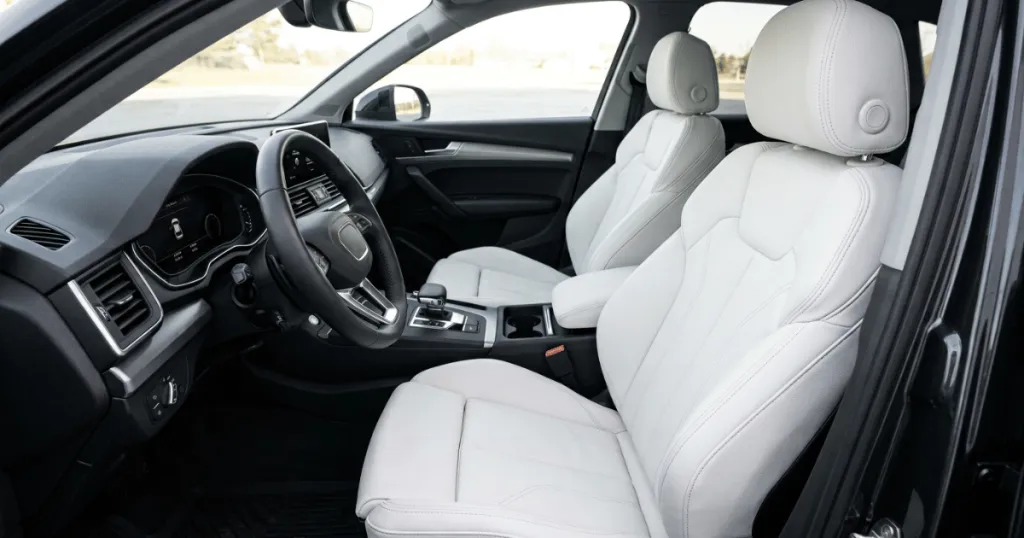
Selecting a white car seat cover is a bold design choice that transforms a vehicle’s cabin, instantly creating a brighter, more expansive, and high-contrast aesthetic. While the visual appeal is undeniable, the decision requires a realistic assessment of your daily habits and the specific environment in which you drive. Unlike darker tones that naturally mask minor dust or debris, a lighter shade demands a more disciplined approach to upkeep to maintain its crisp appearance.
Before committing to this look, consider how the material interacts with your lifestyle. A white car seat cover acts as a canvas for everything it touches, from denim dye transfer to everyday spills. By understanding the specific material characteristics and the maintenance intensity required, you can successfully integrate this aesthetic into your vehicle without creating an unmanageable cleaning burden.
Factors Influencing Your Selection
Material Durability and Stain Resistance
The material you choose is the single most significant factor in how long your white car seat cover will look pristine. Faux leather or polyurethane (PU) options are often the most practical choice for this color. These non-porous surfaces prevent liquids from soaking into the cushion, allowing you to wipe away spills before they settle. Because they do not have the deep, fibrous texture of fabric, they are less likely to trap fine dust and dirt particles that eventually dull the brightness of the material.
Fabric or canvas covers in white offer a softer, more breathable texture, which can be more comfortable in extreme heat. However, their porous nature makes them susceptible to absorbing oils and pigments. If you opt for fabric, look for options treated with a protective coating or those specifically marketed for high-traffic use. These treatments create a barrier that helps repel liquids, though they still require more frequent vacuuming to prevent surface grime from becoming embedded in the weave.
The Impact of Daily Usage Patterns
Your vehicle’s primary use case dictates the feasibility of a light-colored interior. If your car serves as a family transport or a workspace where you frequently enter with outdoor gear, a white car seat cover will show wear much faster. In these scenarios, the focus should be on materials that can be easily removed and machine-washed or wiped down with heavy-duty cleaners. If your vehicle is primarily for commuting or light personal use, the risk of rapid staining is significantly lower, allowing you to prioritize the aesthetic impact over extreme durability.
Integrating Light Tones into Your Vehicle Interior
Matching Your Existing Upholstery
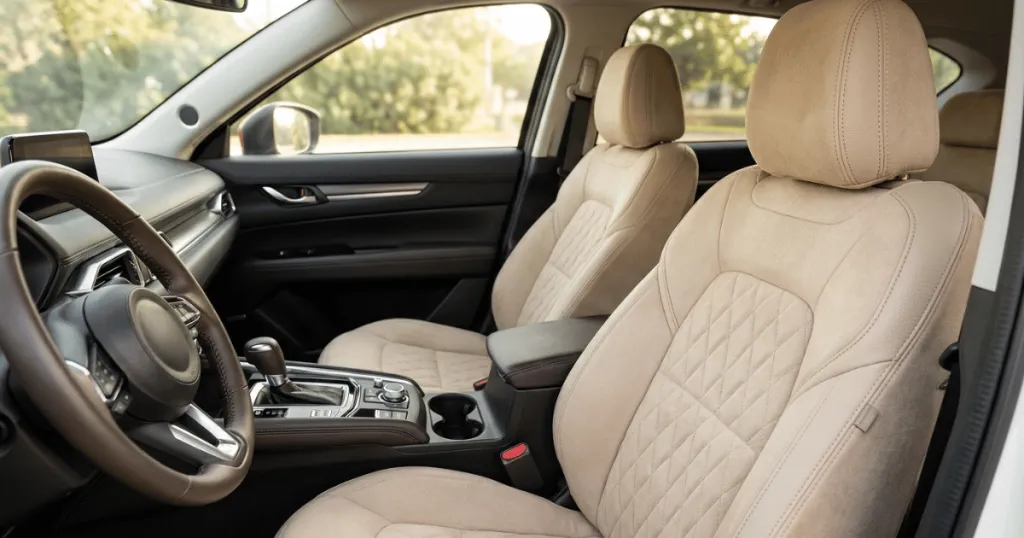
When installing a white car seat cover, consider how it interacts with the rest of your dashboard and door panels. A stark, bright white can look jarring against a dark grey or black interior unless you balance it with other accessories like matching steering wheel covers or floor mats. Many owners find that off-white or cream tones provide a more sophisticated, cohesive look that integrates better with factory-installed plastic trim than a pure, clinical white.
Managing Color Transfer and Environmental Wear
One of the most overlooked challenges is color transfer, particularly from indigo-dyed denim jeans. This is a common issue that can cause a white car seat cover to develop a blue or grey tint over time. To mitigate this, consider using a leather or fabric conditioner that adds a protective layer, making it harder for dyes to bond with the seat cover surface. Additionally, parking in a garage or using window shades helps prevent UV-induced yellowing, which can occur with certain synthetic materials when exposed to intense, direct sunlight for extended periods.
Maintaining the Appearance of Your Interior
Keeping a white car seat cover looking fresh requires a shift from reactive cleaning to a proactive maintenance schedule. Instead of waiting for visible stains to appear, incorporate a quick wipe-down into your weekly vehicle cleaning routine. For faux leather, a simple damp cloth with a mild, non-abrasive cleaner is usually sufficient to remove surface dust and prevent the buildup of oils. Avoid harsh chemicals or bleach-based cleaners, as these can degrade the material finish and lead to cracking or discoloration over time.
For fabric-based covers, regular vacuuming is essential to remove abrasive dirt particles that act like sandpaper on the material. If a spill occurs, address it immediately by blotting rather than rubbing, which only forces the liquid deeper into the fibers. Having a dedicated upholstery cleaner on hand that is safe for your specific material type ensures you can handle accidents before they set. By staying consistent with these small tasks, you prevent the accumulation of grime that makes deep cleaning necessary.
How Your Interior Aesthetic Influences Your Daily Commute
The decision to install a white car seat cover reflects a preference for a cabin environment that feels open, airy, and visually distinct. A lighter interior palette can reduce the sense of confinement often found in smaller vehicles, creating a more relaxed atmosphere during long hours behind the wheel. Furthermore, the thermal properties of lighter materials can be advantageous in sun-drenched regions, as they tend to absorb less solar radiation than darker upholstery, helping the seat surface remain more comfortable after the vehicle has been parked.
However, the psychological benefit of a clean, bright space is balanced by the responsibility of upkeep. If you find the process of maintaining a pristine interior relaxing, the aesthetic payoff is well worth the effort. If you prefer a “set it and forget it” approach to vehicle maintenance, the constant need to address minor marks might become a source of frustration. Aligning your choice with your personal tolerance for maintenance ensures that your white car seat cover remains a source of pride rather than a chore.
Clarifying Realities of Light-Colored Upholstery
A frequent myth is that white car seat cover materials are inherently more fragile than darker alternatives. In reality, the color of the material does not dictate its structural integrity or wear resistance; the base material, such as heavy-duty neoprene or high-grade synthetic leather, determines longevity. The only difference is visibility. A darker cover will hide the same amount of wear and tear that would be immediately apparent on a white surface, meaning the degradation happens regardless of color, you just notice it sooner on a lighter shade.
Another common misunderstanding is that white covers are impossible to keep clean in a real-world environment. While they do require more attention, modern materials are designed with stain-resistant properties that make them much more resilient than they were in the past. By utilizing protective sprays and establishing a consistent cleaning routine, owners can keep a white car seat cover looking sharp for years.
Strategic Considerations for Long-Term Ownership
When committing to a white interior aesthetic, consider the long-term lifecycle of the product. Unlike black or charcoal covers, white materials are unforgiving regarding permanent staining. If you frequently transport pets, children, or work equipment, you must weigh the visual reward against the potential for permanent discoloration. For these high-use scenarios, choosing a removable, machine-washable fabric cover is often superior to a fixed-fit faux leather option, as it allows for a deep-clean cycle that restores the brightness of the material periodically.
Furthermore, consider the texture of the white material. A quilted or diamond-stitched pattern can add visual depth to a white cover, which helps distract the eye from minor imperfections or surface dust that would be glaringly obvious on a smooth, flat surface. This design choice effectively masks the “flatness” of pure white, providing a more luxury-oriented aesthetic while maintaining the desired brightness. When selecting your cover, look for these design nuances to balance the practical challenges of light-colored upholstery.
Environmental Factors and Material Degradation
Beyond daily spills, environmental factors play a significant role in the longevity of white seat covers. In regions with high humidity, fabric covers are prone to mildew if they remain damp for extended periods. Because white fabric shows discoloration from mildew immediately, keeping the cabin dry and using moisture-absorbing packs can help preserve the material. If you live in a damp climate, prioritize materials that are moisture-wicking or quick-drying. Conversely, in arid, sun-drenched environments, the primary enemy is UV degradation. Synthetic leather that is not UV-stabilized will inevitably turn yellow or brittle. Always check for UV-resistant ratings when selecting your covers to ensure the white remains white rather than shifting toward a dull, aged yellow.
FAQ
Do white car seat covers yellow over time?
Some synthetic materials may yellow due to prolonged exposure to UV rays. Choosing high-quality, UV-resistant materials and using window shades can help prevent this discoloration, keeping your white car seat cover looking bright for longer.
How do I prevent blue jeans from staining my white seats?
Color transfer from denim is common. Using a protective fabric or leather sealant can create a barrier that prevents dye from bonding to the surface. Regularly wiping the seat cover with a mild cleaner also helps remove dye particles before they set.
Are white seat covers harder to clean than black ones?
They aren’t necessarily harder to clean, but they show dirt and stains much more easily. Because of this, you will likely need to clean them more frequently to maintain a pristine appearance, whereas darker covers might hide minor debris.