Selecting a red car seat cover is a bold design choice that immediately transforms the aesthetic of any vehicle interior. Whether you are aiming for a high-contrast sporty look, a luxurious leather-inspired finish, or simply want to add a vibrant pop of color to a neutral cabin, the visual impact of red upholstery is undeniable. However, the success of this modification depends heavily on choosing the right shade, material, and texture to complement your existing dashboard and door panels.
Beyond the visual appeal, these covers serve as a functional layer of protection for your factory seating. When you decide to install a red car seat cover, you are balancing personal style with the practical realities of daily vehicle use, including heat retention, material durability, and ease of cleaning. This guide explores how to navigate these choices to ensure your interior upgrade looks intentional and remains comfortable for the long haul.
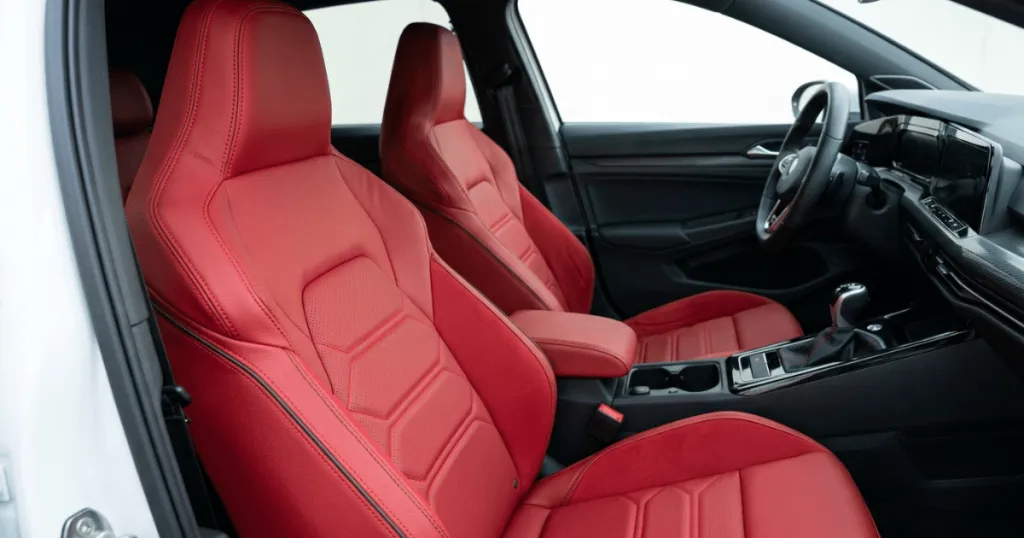
Factors Influencing Your Choice of Red Car Seat Cover
The decision to install a red car seat cover involves more than just picking a color; it requires an understanding of how different materials interact with light and wear. A bright, fire-engine red behaves differently in a cabin than a deep, muted burgundy or a sophisticated crimson. Before finalizing your choice, consider how these variables affect the overall feel of your vehicle.
Material Texture and Light Reflection
The material you choose will dictate how the red color appears under natural and artificial light. Glossy faux leather or vinyl will reflect light, making the red appear brighter and more intense, which can dominate a small cabin. In contrast, matte fabrics like neoprene or canvas absorb light, resulting in a deeper, more subtle red tone. If your goal is a luxury aesthetic, a matte finish often feels more premium, while high-gloss materials lean toward a racing or performance-oriented style.
Color Saturation and Interior Coordination
Not all reds are created equal, and matching a red car seat cover to your vehicle’s existing trim is a common challenge. If your car has black or dark gray plastic trim, a vibrant, primary red creates a striking, high-contrast look. If your interior features wood grain or tan accents, a darker, earth-toned red or maroon is typically more harmonious. Avoid the mistake of assuming all reds will clash; instead, look for undertones, cool, blue-based reds versus warm, orange-based reds, to find the best match for your cabin’s color temperature.
Real-World Context for Bold Interior Upgrades
Integrating a red car seat cover into a daily driver requires thinking about how the color will age and how it handles common spills or debris. Unlike neutral colors, red can show dirt or stains differently, making the choice of material critical for long-term satisfaction.
High-Traffic Usage Scenarios
For vehicles used frequently for commuting, rideshare, or family transport, durability is the priority. In these scenarios, a red car seat cover made from heavy-duty synthetic leather or high-denier fabric is often the best choice. These materials resist the friction caused by sliding in and out of the seat, which is where most color fading or material wear begins. If you have pets, look for materials that are easy to wipe down, as red surfaces can highlight pet hair and dust more visibly than charcoal or tan alternatives.
Climate and Temperature Considerations
The material of your seat cover also plays a significant role in thermal comfort. In hot climates, dark red faux leather can absorb significant heat, making the seat uncomfortable after sitting in the sun. If you live in an area with high temperatures, consider a red car seat cover with breathable inserts, such as perforated fabric or mesh panels. These features allow for airflow, mitigating the heat-trapping nature of synthetic materials while still providing the bold aesthetic you want.
Why Consistent Maintenance Protects Your Investment
A red car seat cover is an investment in your vehicle’s interior, and keeping it looking sharp requires more than an occasional vacuum. Because red is a high-visibility color, any accumulation of grime or fading from UV exposure becomes immediately apparent. Establishing a routine is the most effective way to ensure your interior remains a point of pride rather than a source of frustration.
UV rays are the primary enemy of vibrant colors. Over time, constant sun exposure can cause red pigments to shift toward pink or orange, a process known as photo-degradation. To prevent this, use UV-protectant sprays designed for the specific material of your cover. This simple step acts as a sunscreen for your upholstery, preserving the depth of the color and preventing the material from becoming brittle or cracking under the heat of the sun.
Spill management is another critical aspect of maintenance. Because red covers are often chosen for their visual impact, a stain can ruin the entire look of the cabin. Keep a dedicated upholstery cleaner on hand that is safe for your specific material type. Always test a small, inconspicuous area of the cover before applying any cleaner to the entire surface. By addressing spills immediately, you prevent them from setting into the fibers or pores of the material, which is especially important for lighter or brighter shades of red.
Navigating Aesthetic Expectations for Vibrant Upholstery
One frequent concern is that a red car seat cover will inevitably make a vehicle look cheap or overly aggressive. This often happens when the chosen material lacks a natural grain or the specific shade of red clashes with the existing cabin palette. When you select a high-quality, matte-finish material and a shade that complements your dashboard, the result is often sophisticated rather than loud. Quality of fit is equally important; a loose-fitting cover in any color will look unrefined, whereas a snug, well-fitted cover suggests a professional, custom-installed look.
Another misconception is that red covers are impossible to keep clean. While it is true that red shows dirt differently, it is not inherently harder to clean than black or tan. The perceived difficulty often comes from using the wrong cleaning agents. Using harsh chemicals can strip the dye from the cover or damage the surface texture, making it look worn prematurely. Stick to mild, pH-neutral cleaners and soft microfiber cloths to maintain the finish. With the right approach, a red car seat cover can remain a vibrant and durable part of your vehicle’s interior for years to come.
Strategic Integration: Beyond the Basic Cover
When you decide to commit to a red theme, consider the scope of your project. A full-set installation creates a total transformation, but you might find that partial coverage, such as focusing only on the front bucket seats, offers a more balanced look. This approach allows you to introduce the color without overwhelming the cabin, especially if your rear seats are rarely used or if you prefer a subtle nod to performance styling rather than a full interior overhaul.
Consider the role of stitching and piping as well. A red car seat cover with contrasting black or white stitching can bridge the gap between your new covers and the rest of your vehicle’s interior. This detail adds depth and visual interest, preventing the red from appearing as a flat, singular block of color. It also helps the seat covers feel like a deliberate design choice that respects the existing lines of your vehicle’s seating architecture.
Material Performance and Long-Term Wear
Evaluating how different materials handle daily friction and environmental exposure is vital for ensuring your interior remains in good condition over time. Synthetic leather, or faux leather, is a popular choice for red covers because it mimics the look of high-end automotive upholstery. However, it requires careful attention to avoid cracking. If you choose this route, look for marine-grade vinyl or high-quality polyurethane (PU) that is specifically rated for automotive use. These versions are designed to withstand the temperature fluctuations common in vehicles, which is vital for maintaining the integrity of the red pigment.
If you prefer a fabric-based option, consider the weave density. A tight, heavy-duty weave will hold the red dye more effectively and resist snagging. Neoprene, while often associated with water sports, is an excellent choice for those who prioritize utility. It provides a cushioned feel and is naturally resistant to moisture, which is a significant advantage if you live in a rainy climate or frequently transport gear that might be damp. The trade-off is that neoprene can sometimes feel less breathable than traditional fabric, so look for versions with integrated ventilation channels.
Navigating Installation for a Professional Finish
The visual success of your red interior upgrade is heavily dependent on the installation quality. A poorly installed cover will bunch, slide, and eventually wear out at the stress points. Take the time to properly secure the straps and hooks underneath the seat. If your seats have complex contours, such as deep bolsters or integrated headrests, ensure that the cover you select is designed to accommodate those specific shapes. A universal-fit cover might be more accessible, but it often lacks the precision needed to make a bold color like red look like a factory-installed option.
During installation, ensure that the material is taut across the entire seat surface. Wrinkles and loose fabric not only look unpolished but also create pockets where dust and debris can accumulate, making your maintenance routine more difficult. If you are working with a multi-piece cover, take the time to align the seams with the existing contours of your seat. This attention to detail will pay off in the long run, as it prevents the material from stretching unevenly over time.
Final Considerations for Your Interior Aesthetic
Ultimately, a red car seat cover is a statement piece. It draws the eye and sets the tone for your entire driving experience. By carefully selecting the right shade, material, and finish, you can create an interior that feels both personalized and professional. Remember that the goal is to enhance your vehicle’s existing character, not to fight against it. Whether you are aiming for a subtle, sophisticated accent or a bold, high-energy look, the key is to treat your seat covers as a cohesive part of your vehicle’s overall design language.
FAQ
Will a red car seat cover fade in the sun?
Like any colored material, a red car seat cover can fade if exposed to direct UV rays over long periods. Using UV-protectant sprays specifically formulated for your seat cover’s material can significantly slow this process and keep the color vibrant.
How do I choose the right shade of red for my car interior?
Consider the undertones of your existing interior. If your dashboard has cool, dark tones, a blue-based red (like burgundy) often looks more cohesive. For interiors with warm, tan, or wood-grain accents, a warmer, orange-based red is usually a better match.
Are red seat covers harder to keep clean than neutral colors?
Not necessarily. While red can make certain types of dust or debris more visible, the ease of cleaning depends entirely on the material. Synthetic leathers are generally easier to wipe down than porous fabrics, regardless of the color.