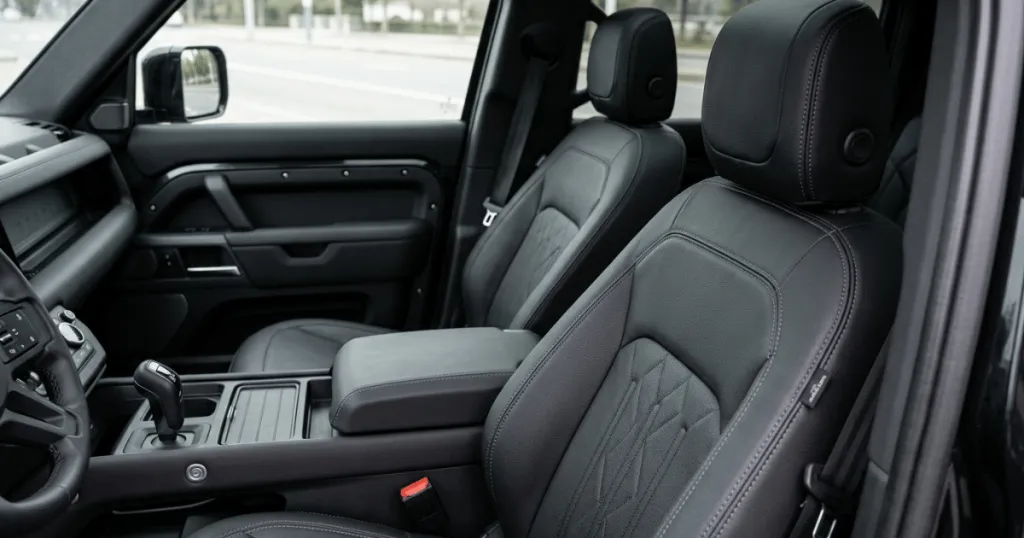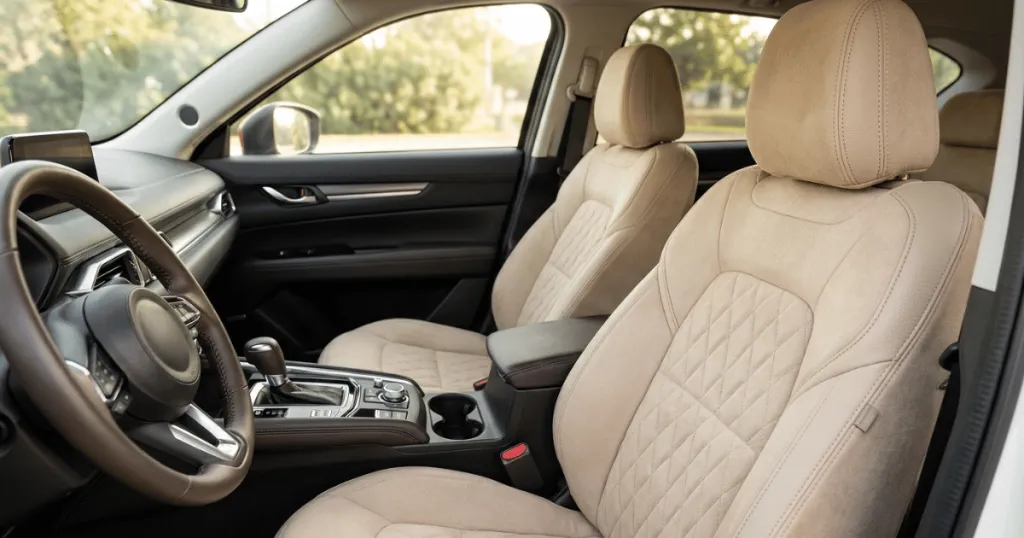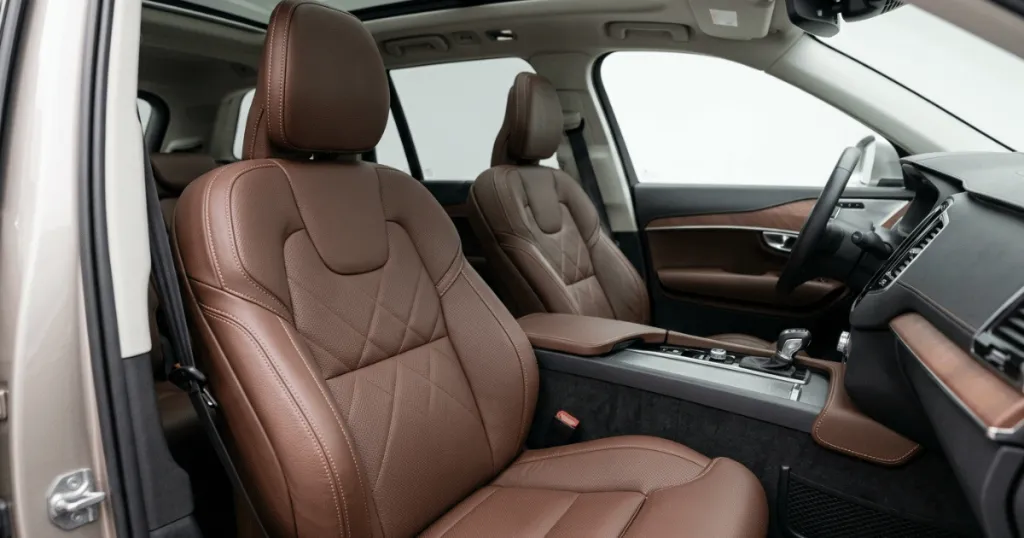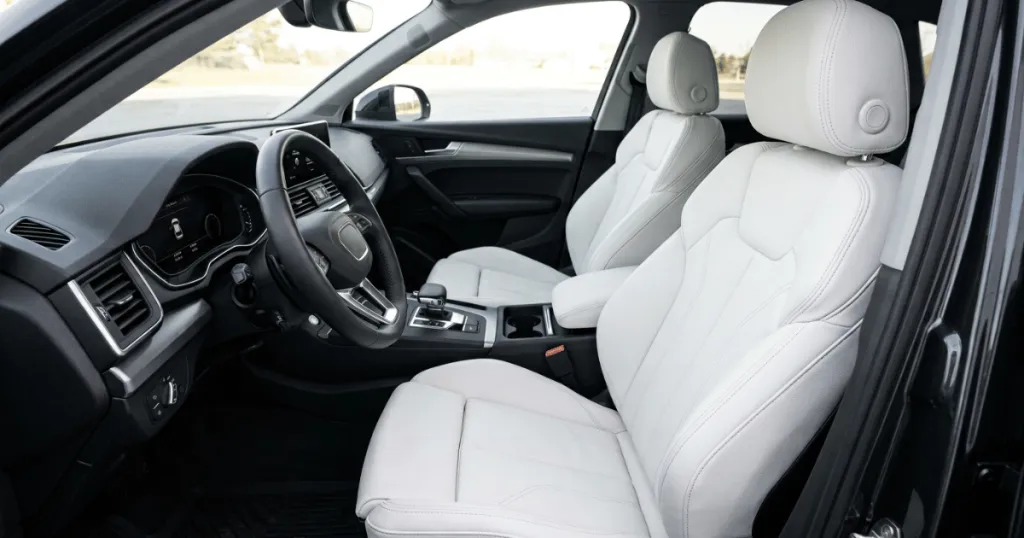
Opting for a gray car seat cover serves as a practical strategy to refresh a vehicle’s cabin without relying on high-contrast or overly vibrant color schemes. Gray functions as a neutral anchor, bridging the gap between stark black and high-maintenance beige or tan interiors. Whether you are looking to mask daily wear on factory upholstery or simply want a cleaner, more cohesive cabin appearance, this color choice offers a high level of versatility across various vehicle makes and models.
Beyond aesthetics, the specific shade of gray you select dictates how well the cover hides dust, pet hair, and minor spills. A light heather gray might show dirt more readily than a deep charcoal or slate, yet it can help keep the cabin feeling airy and cool in direct sunlight. Balancing these visual preferences with your actual usage habits is the first step toward a successful interior upgrade that maintains its appearance over time.
Factors Influencing Your Choice of Gray
Selecting the right shade and texture involves more than just matching the existing dashboard or door panels. You must account for how the interior space is used, the local climate, and the specific material properties that define how a gray car seat cover performs under pressure.
The Impact of Shade on Interior Maintenance
Light gray covers, such as silver or dove tones, often reflect heat better than darker options, which is a significant benefit in hot, sunny climates. However, these lighter shades are unforgiving when it comes to dark-colored debris, such as mud tracked in from the outdoors or dark pet fur. If your primary goal is to minimize the visibility of common contaminants, a medium-to-dark slate or charcoal gray is usually the superior choice. These darker hues effectively camouflage minor stains and dust, reducing the frequency of deep cleaning required to keep the interior looking presentable.
Material Texture and Visual Depth
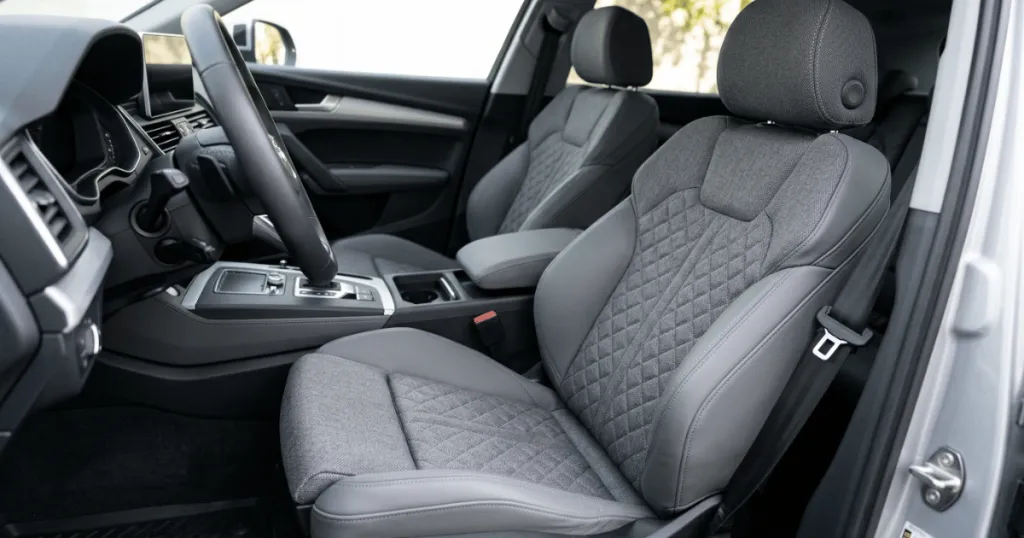
The material chosen for your gray car seat cover significantly alters how the color appears to the eye. A flat, synthetic fabric in gray can sometimes look industrial or sterile, whereas a textured material like neoprene or a diamond-stitched faux leather adds depth. When the material has a weave or a pattern, the gray color gains dimension, making it look less like a uniform block of color and more like a premium upholstery upgrade. Consider how the light hits the seat; matte finishes in gray tend to look more sophisticated and less prone to showing fingerprints or smudges compared to high-gloss vinyl options.
Real-World Usage Scenarios
How you use your vehicle daily should dictate the type of gray cover that best serves your needs. A vehicle used primarily for commuting requires different features than one dedicated to outdoor adventures or family transport.
Daily Commuting and Professional Use
For those using their vehicle for rideshare or daily office commutes, a sleek, charcoal-toned faux leather or high-quality polyester blend works well. These materials maintain a professional, clean aesthetic that feels integrated into the vehicle’s design. A dark gray finish here is particularly advantageous as it resists the transfer of dyes from clothing, such as denim, which can be a persistent issue with lighter-colored seat materials.
Outdoor and High-Activity Environments
If your vehicle frequently encounters sand, water, or mud, prioritize durable, water-resistant materials like neoprene or heavy-duty canvas in a mid-tone gray. These materials are designed to be wiped down or even removed for a more thorough cleaning. A mid-gray is ideal here because it doesn’t show salt stains or dried water spots as aggressively as black, providing a reliable way to maintain a tidy appearance even after a weekend excursion.
Coordinating Gray with Existing Interior Elements
Integrating a gray car seat cover into an existing cabin requires looking at the undertones of your current interior. Not all grays are created equal; some lean toward blue, while others have warmer, brownish undertones. If your vehicle has a black dashboard and door panels, a cool-toned, slate gray cover will likely feel more intentional and cohesive. Conversely, if your interior features tan or beige accents, look for a “greige” or warm-toned gray to prevent the seat covers from clashing with the surrounding trim.
Consider the contrast level you want to achieve. A subtle, monochromatic look is often easier to pull off and tends to age better, as it doesn’t fight for attention with the vehicle’s original design. If you prefer a more custom look, consider covers that utilize two-tone gray panels or contrasting stitching, which can break up the visual mass of the seats and add a sportier feel to the cabin.
Addressing Common Assumptions About Gray Interiors
Many owners assume that a gray car seat cover is inherently boring or will make the interior look “cheap.” This is often a result of choosing the wrong material or a flat, untextured fabric. When you select a high-quality material with a refined finish, gray becomes a sophisticated, timeless choice that complements almost any exterior paint color. It is rarely the color itself that dictates the quality of the look, but rather the fit and the texture of the material chosen.
Another common misconception is that gray is the “safest” color and therefore requires the least amount of maintenance. While gray is excellent at hiding certain types of dirt, it is not immune to staining. Regardless of the color, spills should be addressed promptly to prevent them from setting into the fabric or material. A gray car seat cover still requires regular maintenance, including vacuuming and occasional surface cleaning, to ensure it remains a clean and comfortable space for passengers.
Strategic Selection for Long-Term Cabin Aesthetics
When evaluating a gray car seat cover, consider the long-term interaction between the material and the cabin environment. In vehicles with large glass areas, such as SUVs or hatchbacks, UV exposure can cause fading. High-quality gray covers often feature UV-resistant treatments that prevent the color from shifting toward a washed-out or purple hue over time. This is particularly important for charcoal or dark slate options, which are more susceptible to visible fading than lighter silver tones.
Furthermore, consider the tactile experience. A gray seat cover in a soft-touch polyester or breathable mesh can significantly improve comfort during long drives. If you opt for faux leather, ensure the material has a grain that mimics natural hide; this prevents the “plastic” look that can detract from a premium cabin atmosphere. By focusing on the interplay between color, texture, and material performance, you ensure that your gray seat cover serves as a functional enhancement rather than a temporary fix.
Maintenance Protocols for Gray Upholstery
Maintaining the appearance of your gray car seat cover involves a consistent routine tailored to the specific material. For fabric-based covers, regular vacuuming is essential to remove grit that can wear down fibers over time. If you encounter a spill, blot, do not rub, the area with a damp cloth and a mild, pH-neutral cleaner. Because gray can sometimes show water rings if not dried properly, always ensure the area is blotted dry with a clean towel after spot cleaning.
For faux leather or vinyl gray covers, a simple wipe-down with a damp microfiber cloth is usually sufficient for daily maintenance. Avoid harsh chemical cleaners that can strip the protective coating or cause the material to crack. If you notice the gray color looking dull, a specialized upholstery conditioner can help restore the luster and keep the material supple, preventing the stiffening that often precedes cracking in synthetic materials.
Final Considerations for Your Interior Upgrade
When you decide to install a gray car seat cover, focus on the harmony between the material’s durability and the shade’s ability to mask daily wear. By selecting a tone that aligns with your vehicle’s existing color scheme and a texture that suits your lifestyle, you can significantly enhance the cabin’s atmosphere. Remember that the best choice is one that balances your aesthetic goals with the practical realities of your daily driving routine, ensuring that your investment provides both style and protection for years to come.
FAQ
Do gray car seat covers show dirt more than black ones?
Generally, light gray covers show dirt and stains more easily than black covers, but dark charcoal or slate gray covers are quite effective at hiding dust and minor debris, often performing similarly to black in that regard.
How do I match a gray car seat cover to my existing interior?
Check the undertones of your dashboard and door panels. If your interior has cool, dark tones, opt for a slate or blue-gray. If your interior has warmer, tan, or beige accents, look for a warm-toned gray or ‘greige’ to ensure the colors coordinate well.
Are gray seat covers better for hot climates?
Yes, lighter shades of gray reflect more sunlight than black, which can help keep the seat surface cooler when the vehicle is parked in direct sun. This makes a light gray car seat cover a practical choice for warmer regions.