Many vehicle owners gravitate toward a black car seat cover as their first choice for interior upgrades. This preference often stems from the assumption that a neutral, dark color will naturally hide dirt, stains, and the general wear associated with daily commuting or family transport. While this is largely true, keeping a dark interior looking pristine requires a proactive approach to cleaning rather than relying solely on the color to conceal debris.
Selecting the right cover involves balancing aesthetic preferences with the functional demands of your specific vehicle environment. A black car seat cover can serve as a sleek, factory-style update for worn upholstery or provide a protective layer for new seats, but the material finish and texture play a significant role in how that cover performs over time. Evaluating these material characteristics ensures you select a product that remains both functional and visually appealing for years.
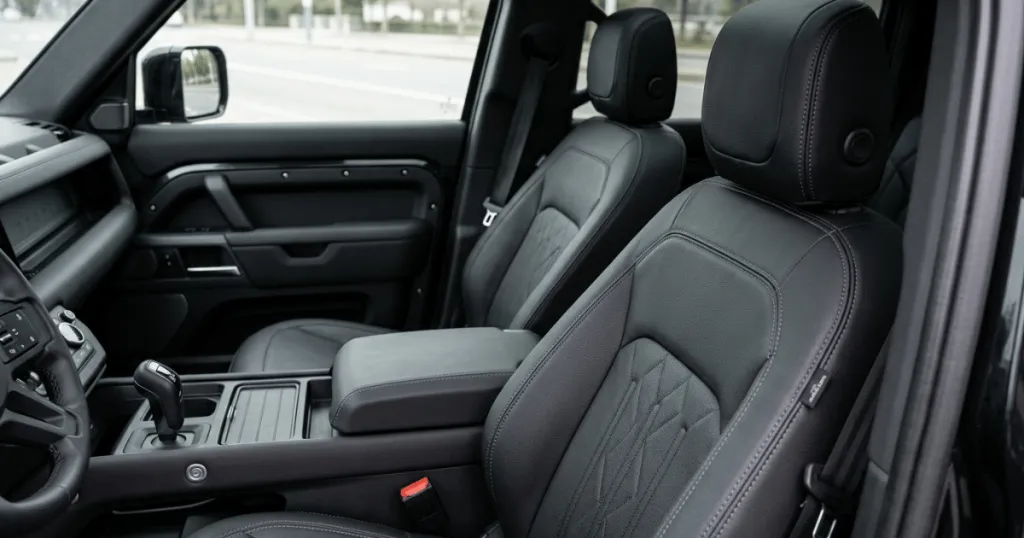
Factors Influencing Material and Finish Selection
The visual impact of a dark interior is heavily dictated by the texture of the material you choose. A matte finish will behave differently than a glossy or textured one, and your choice should reflect your typical usage patterns rather than just the initial look.
Matte Fabric and Canvas Options
Matte-finish fabrics, such as heavy-duty canvas or woven polyester, are excellent for absorbing light and providing a non-slip surface. These materials tend to be more forgiving in bright sunlight, as they do not create the glare often associated with synthetic leather. If your primary goal is a low-profile, rugged look that handles friction well, these fabrics are a reliable choice. They often feature a tighter weave, which helps prevent small particles from embedding deep into the fibers, making them a practical choice for those who prioritize utility over a high-gloss aesthetic.
Synthetic Leather and PU Finishes
Synthetic leather, often referred to as PU or faux leather, provides a smooth, uniform surface that mimics the appearance of premium automotive interiors. Because these materials are non-porous, they are generally easier to wipe down after a spill. However, a black car seat cover in a smooth synthetic finish can show dust and lint more readily than a textured fabric, meaning you may find yourself cleaning it more frequently to maintain that deep, clean look. When selecting these materials, consider the grain pattern; a subtle pebble grain can help diffuse light and hide minor surface imperfections better than a completely smooth, high-shine surface.
Real-World Context for Daily Usage
How you use your vehicle dictates the type of material and fit you should prioritize. A vehicle used primarily for solo commuting faces different stressors than one used for transporting pets or children, and your choice of cover should account for these specific environmental factors.
Managing High-Traffic Interior Environments
In vehicles used for rideshare or frequent family transport, the seats face constant entry and exit friction. A black car seat cover in this scenario needs to be anchored securely to prevent shifting, which can lead to premature material fatigue. Look for options that include robust strap systems or molded anchors that tuck deep into the seat crevice to keep the cover taut against the original upholstery. A loose cover is not just an aesthetic issue; it creates folds that trap debris and accelerate the breakdown of the cover’s backing material.
Climate Considerations for Dark Interiors
Dark colors absorb heat more efficiently than lighter shades, which is a critical consideration for drivers in high-temperature regions. If you live in an area with intense sun exposure, a black car seat cover made of breathable, perforated material or one with moisture-wicking properties can significantly improve comfort. Avoid heavy, non-breathable vinyl in these climates, as it can retain heat and become uncomfortable during the summer months. Breathability is key; look for designs that incorporate mesh panels or specialized backing materials that allow for airflow between the seat cushion and the cover.
Protecting Your Investment Through Proper Maintenance
Maintaining a black car seat cover requires consistent care to prevent the accumulation of visible dust, pet hair, and salt residue. Because the color is dark, light-colored debris stands out, making regular maintenance a necessity rather than an occasional chore.
Routine Cleaning Techniques
For most fabric covers, a simple vacuuming with a soft brush attachment is the most effective way to remove grit that can act as an abrasive over time. If you have a synthetic leather cover, a damp microfiber cloth is usually sufficient to wipe away surface dust. Avoid using harsh chemical cleaners or heavy degreasers, as these can strip the protective finish or cause the material to crack or fade prematurely. For deeper cleaning, a mild soap solution applied sparingly is typically the safest approach for both fabric and synthetic materials.
Addressing Surface Wear and Fading
Over time, exposure to UV rays can cause even the highest-quality materials to lose their deep black intensity. Using a dedicated automotive interior protectant that includes UV inhibitors can help maintain the color and flexibility of the material. When you notice the color beginning to shift toward a dull grey, it is often a sign that the protective coating has worn off and needs to be reapplied to prevent further degradation. Consistent application of these protectants, especially on synthetic leather, helps maintain the suppleness of the material and prevents the cracking that often occurs when the surface dries out.
Strategic Fitment for Long-Term Seat Preservation
The primary reason to invest in a quality cover is to preserve the condition of the underlying seat foam and fabric. A poorly fitted cover that slides around during use can actually accelerate wear on the original seat upholstery by grinding dirt into the fibers. A well-fitted black car seat cover stays in place, effectively acting as a sacrificial layer that absorbs the daily impact of entry and exit.
Beyond protection, the visual consistency of a well-fitted cover can transform the interior aesthetic of an older vehicle. When the cover matches the contours of the seat, it provides a clean, professional look that is difficult to distinguish from an original upholstery job. This level of fit is usually achieved through specific designs that accommodate headrests, armrests, and seat-mounted controls, ensuring that the cover feels like a permanent part of the vehicle rather than an afterthought. Achieving this requires careful attention to the seat configuration, whether you have bucket seats, a split bench, or captain’s chairs, as each requires a specific cut to ensure the cover remains taut and functional.
Nuances of Dark Upholstery Maintenance
One common belief is that a black car seat cover will hide all signs of wear indefinitely. While the dark color is excellent at masking minor staining, it is actually quite poor at hiding light-colored debris like pet hair, lint, or dried mud. If you own pets or frequently transport items that shed, you will find that a black surface requires more frequent attention than a medium-grey or patterned cover. It is a trade-off: you gain a sophisticated, uniform look at the expense of needing to stay on top of surface cleanliness.
Another frequent mistake is assuming that all black materials offer the same level of durability. In reality, the quality of the backing material and the density of the weave are more important than the color itself. A thin, cheap black fabric will show signs of thinning and pilling just as quickly as a light-colored one. Prioritize the thickness and construction quality of the material over the color alone to ensure your black car seat cover provides the longevity you expect. Look for reinforced seams and high-denier fabrics, which are better equipped to handle the physical demands of daily vehicle use.
Integrating Covers into Your Vehicle’s Interior Aesthetic
Choosing a black cover is often about creating a cohesive look. In many vehicles, the dashboard, door panels, and center console feature black plastic or trim. A black seat cover can unify these elements, making the cabin feel more integrated. However, consider the contrast; if your interior is entirely grey or beige, a black cover can provide a striking, modern contrast, but it may also highlight the existing color of the headliner or carpets. Evaluate the entire cabin environment to ensure the addition of a dark seat cover complements rather than clashes with the existing color palette.
Long-Term Durability and Material Resilience
When evaluating the long-term potential of a black car seat cover, consider the material’s resistance to environmental stressors. Beyond UV rays, consider the impact of moisture and spills. If you live in a rainy climate, a water-resistant or waterproof material is essential to prevent moisture from seeping into the seat foam. Once moisture reaches the foam, it can lead to odors and mold, which are difficult to remediate. A high-quality black cover acts as a barrier, and ensuring that the material is not only durable but also capable of handling moisture is a key aspect of long-term vehicle seat protection.
FAQ
Does a black car seat cover get hotter than other colors in the sun?
Yes, darker colors absorb more solar radiation, which can make a black car seat cover feel significantly warmer to the touch after sitting in direct sunlight. Choosing breathable, perforated materials can help mitigate this heat retention.
Are black seat covers harder to keep clean?
They are not necessarily harder to clean, but they do show light-colored debris like dust, lint, and pet hair much more clearly than lighter-colored covers. Regular vacuuming is usually sufficient to keep them looking sharp.
Will a black seat cover fade over time?
Most materials will experience some degree of color shift due to UV exposure. Using a UV-protectant spray designed for automotive interiors can help maintain the deep black color and prevent the material from becoming brittle.