Integrating a dog car seat cover into your vehicle is a practical way to preserve your upholstery from the inevitable wear associated with transporting pets. Whether you drive a compact sedan or a full-size SUV, the goal is to create a durable barrier that manages shedding, mud, and claw marks without interfering with your daily driving experience. Selecting the ideal protective layer requires evaluating your pet’s physical size and energy levels alongside the specific dimensions and layout of your vehicle’s seating.
When you install a dog car seat cover, you are essentially creating a dedicated zone for your pet that keeps the original fabric or leather beneath in pristine condition. This approach prevents permanent stains and fabric degradation that can lower the long-term value of your vehicle. By focusing on material durability and proper coverage, you can ensure that your car remains comfortable for human passengers even after a day at the park with your dog.
Factors Influencing Your Choice of Protection
Material Durability and Texture
The material of your dog car seat cover dictates how well it handles moisture and physical abuse. Heavy-duty canvas or high-denier polyester are often favored for their resistance to tearing and their ability to stay in place. These materials provide a stable surface for a dog to stand or sit on, reducing the amount of sliding that occurs during turns. If your pet is prone to muddy paws, look for materials that feature a water-resistant backing to prevent liquids from soaking through to the seat foam.
Coverage and Fitment
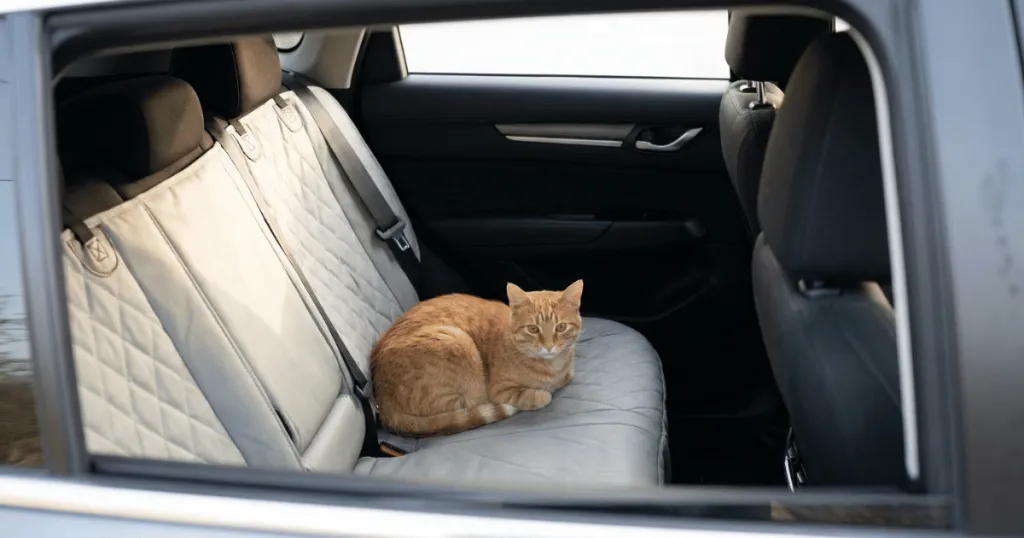
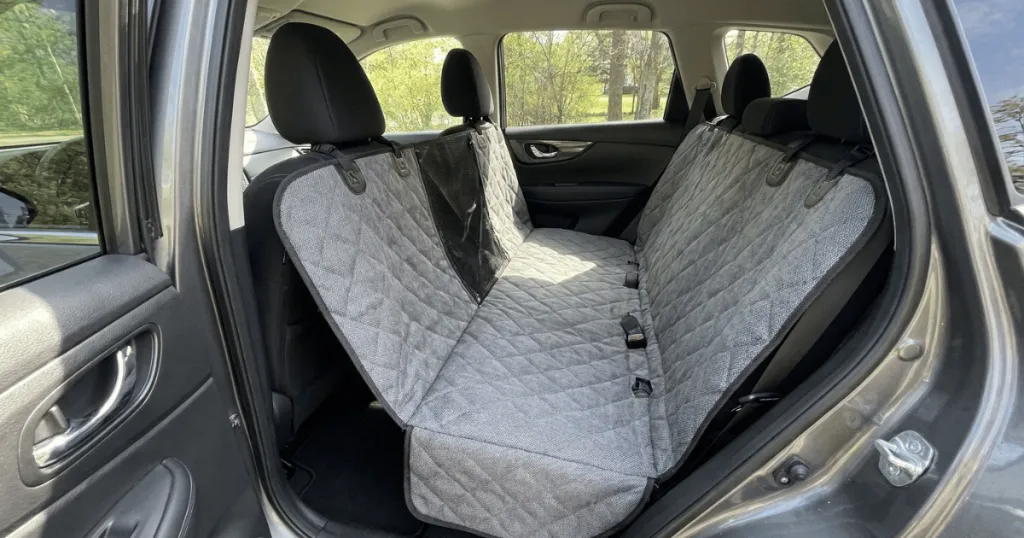
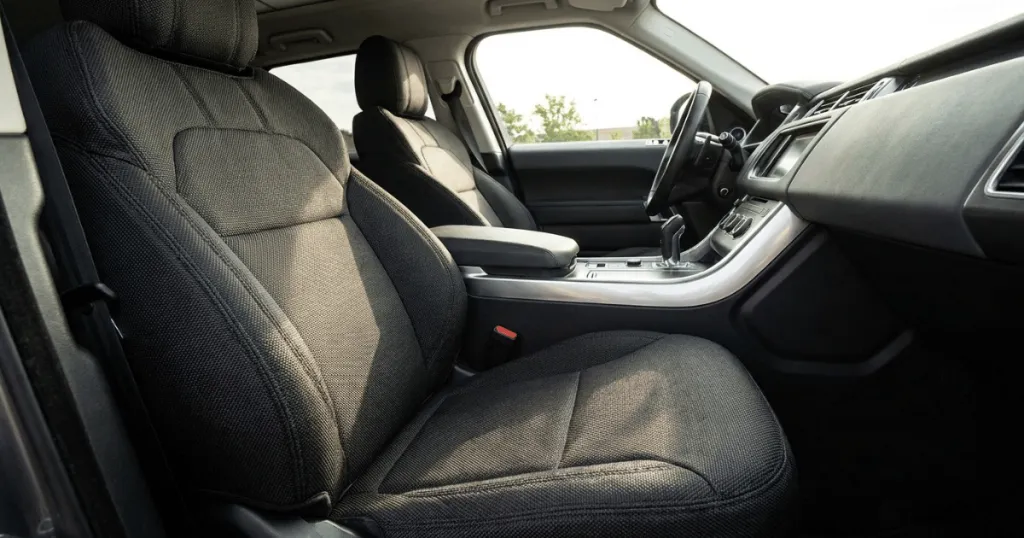
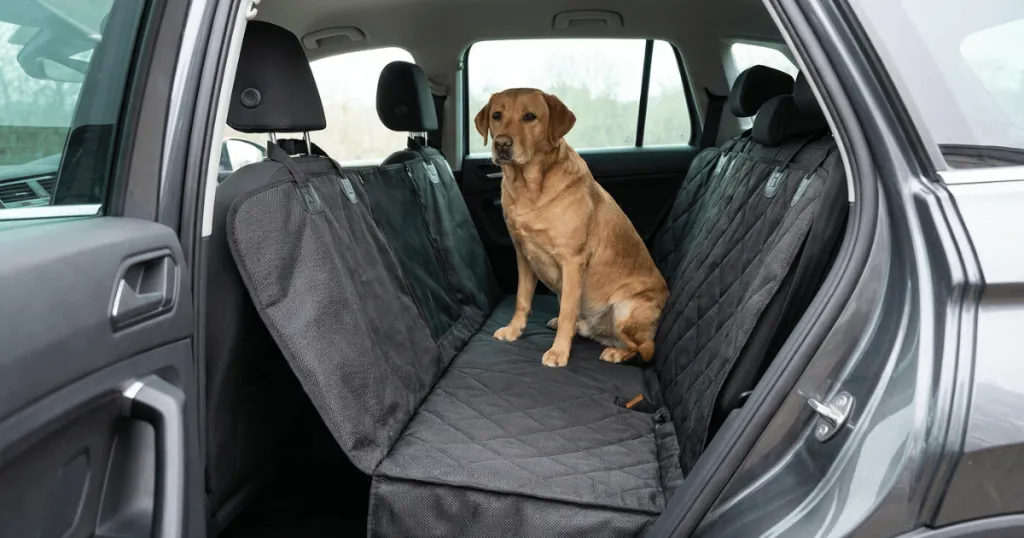
The layout of your vehicle’s seating determines the style of cover you need. For bench seats, a full-width cover that drapes over the backrest and tucks into the seat crevice is standard. If you frequently transport your pet in the front passenger seat, you will need a bucket-style cover that contours to the seat shape and headrest. Ensuring the cover fits snugly prevents it from bunching up, which can be uncomfortable for your pet and distracting for the driver.
Ease of Removal and Cleaning
Frequent cleaning is a reality when using a dog car seat cover, so the installation method matters. Covers that utilize quick-release buckles or simple elastic straps allow for rapid removal when you need to switch from pet transport to passenger use. Consider whether the material is machine washable or if it requires a simple wipe-down with a damp cloth. A cover that is easy to maintain is one that you will actually use consistently, rather than leaving it in the garage.
Real-World Scenarios for Pet Owners
Managing Mud and Outdoor Debris
If your dog enjoys hiking or off-road adventures, mud is your primary concern. A heavy-duty, waterproof dog car seat cover acts as a catchment basin, preventing grit from grinding into the seat fibers. In these scenarios, the ability to shake off loose dirt before folding the cover is a significant advantage. Some owners prefer a hammock-style design that connects to the front headrests, effectively containing debris within the rear seat area and preventing it from falling onto the floorboards.
Handling Shedding and Dander
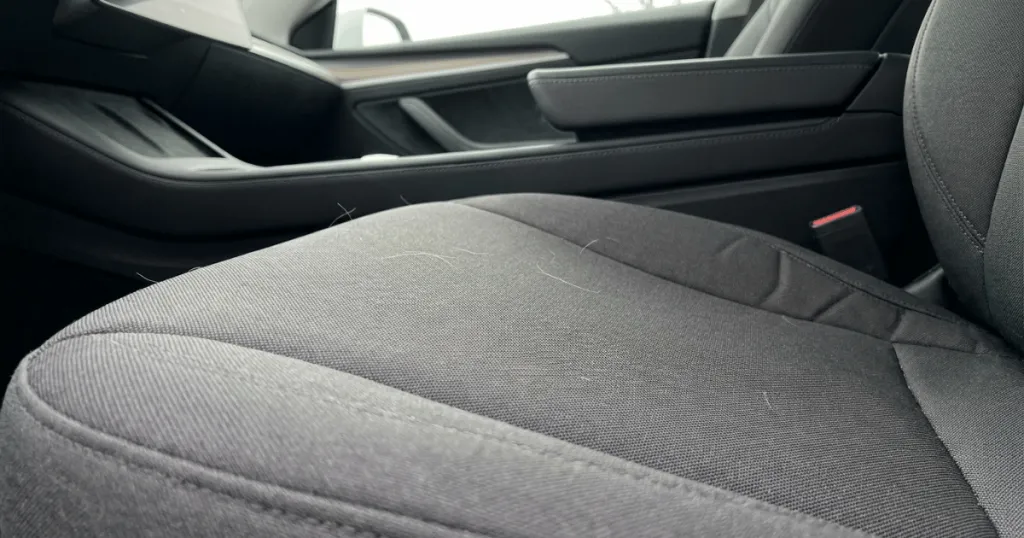
For breeds that shed heavily, the texture of the cover surface is critical. Smooth, tightly woven fabrics are generally easier to vacuum or brush clean than plush or fuzzy materials that trap hair deep within the fibers. A cover that covers the entire backrest and seat base ensures that hair does not migrate into the gaps between the seat cushions, which is often the hardest area to clean in a vehicle interior. Keeping hair contained on the cover makes routine interior detailing much faster.
Preserving Vehicle Value Through Consistent Use
Using a dog car seat cover is a proactive measure to maintain the aesthetic and functional condition of your car’s interior. Over time, constant exposure to pet claws and moisture can lead to permanent damage, such as torn leather or compressed foam cushions. By installing a protective layer, you prevent these issues before they start. This is particularly important for those who plan to sell or trade in their vehicle, as a well-preserved interior significantly impacts resale value.
Beyond physical protection, a clean interior contributes to a more pleasant driving environment. Removing pet odors and allergens is much easier when you can simply pull out a cover and wash it, rather than attempting to deep-clean the upholstery itself. This habit keeps your vehicle smelling fresh and looking professional, regardless of how often your pet travels with you. A dog car seat cover effectively bridges the gap between pet ownership and maintaining a tidy, well-kept vehicle.
Clarifying Common Myths About Seat Protection
One common mistake is assuming that a thicker, heavily padded cover is always superior. While padding adds comfort, it can also make the cover bulky and difficult to fold or store when not in use. A thinner, high-tenacity fabric often provides better protection against claws and moisture without adding unnecessary weight or complexity to the installation. Prioritize the quality of the weave and the water-resistance of the backing over sheer thickness.
Another misconception is that a universal-fit dog car seat cover will work perfectly in every vehicle. While many covers are designed to be adjustable, they may not account for specific seat features like integrated seatbelt buckles or unique armrest configurations. Taking a moment to measure your seat width and checking the placement of your headrests before selecting a cover ensures a much better fit. A properly secured cover is safer and more effective than one that is loosely draped over the seat.
Strategic Installation for Maximum Utility
Achieving a secure fit is the most important step in effective pet interior protection. Many users fail to utilize the anchor tubes, the cylindrical foam or plastic inserts designed to be pushed deep into the seat crevice. These anchors are essential for preventing the cover from sliding forward when your dog shifts weight. Without them, even the most expensive cover will eventually bunch up, exposing the original upholstery to potential damage. Always take the time to tuck these anchors firmly into the fold between the backrest and the seat base.
Furthermore, consider the headrest straps. These are the primary support for the upper portion of the cover. If your vehicle has non-adjustable or fixed headrests, ensure the cover you select has flexible or adjustable loops that can accommodate that specific design. A loose top section allows the cover to sag, which can lead to hair and dirt falling behind the cover and onto the seat back. By pulling these straps taut, you create a smooth, taut surface that is far more effective at repelling debris.
Material Selection Based on Climate and Usage
Your local climate plays a significant role in which material will serve you best. In hotter regions, breathable fabrics like heavy-duty cotton blends or specialized mesh-backed polyesters are preferable. These materials prevent the seat from becoming overly hot, which is a common complaint with synthetic leather or thick, rubberized covers. Conversely, in colder or wetter climates, a waterproof dog car seat cover with a non-slip backing is essential to prevent moisture from seeping into the seat foam during snowy or rainy months.
Consider also the frequency of use. If the cover remains in the vehicle year-round, look for UV-resistant materials. Constant sun exposure through vehicle windows can cause cheaper fabrics to fade or become brittle over time. A high-quality, UV-treated polyester or nylon blend will maintain its structural integrity and color much longer, ensuring that your investment continues to provide reliable protection for years to come.
Routine Maintenance for Long-Term Performance
Even the most durable cover requires regular maintenance to remain effective. Vacuuming the cover weekly is a simple habit that prevents hair and dander from working their way into the fabric weave. If you notice a buildup of mud or salt, remove the cover entirely and shake it out away from the vehicle. For machine-washable options, follow the manufacturer’s instructions carefully, usually, this means using a gentle cycle and air-drying to preserve the waterproof backing. Avoid harsh detergents that might strip away the water-resistant coating.
If you have a non-washable cover, spot cleaning with a mild soap solution is usually sufficient. Avoid using heavy chemicals or abrasive brushes, as these can damage the protective finish. By treating the cover as a piece of equipment rather than a permanent fixture, you can extend its lifespan significantly. Remember that the cover is the first line of defense; keeping it clean is the best way to ensure it continues to protect your vehicle’s interior effectively.
FAQ
Can I use a dog car seat cover with heated seats?
Yes, most standard covers are compatible with heated seats. However, if you use a very thick or insulated cover, it may take longer for the heat to penetrate through to the surface, potentially reducing the effectiveness of the feature.
How do I keep the cover from sliding around on leather seats?
Look for covers that feature a non-slip rubberized backing or include anchor tubes that tuck firmly into the seat crevice. These features help keep the dog car seat cover securely in place even when your pet moves around.
Is it better to have a hammock-style or a flat-style cover?
The choice depends on your pet’s behavior. A hammock-style cover is better for pets that tend to jump around or try to climb into the front seat, while a flat-style cover is simpler to install and better if you need to carry a human passenger alongside your pet.