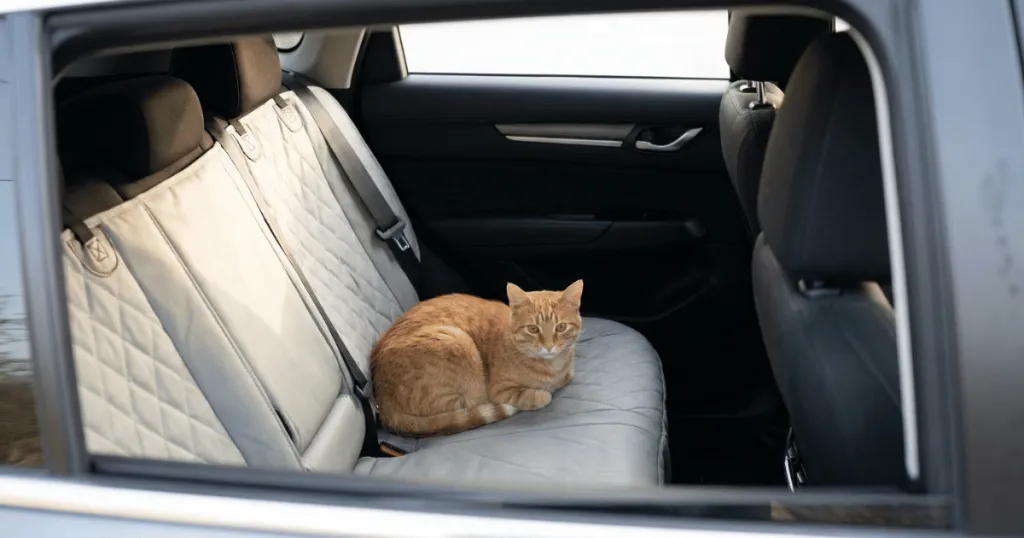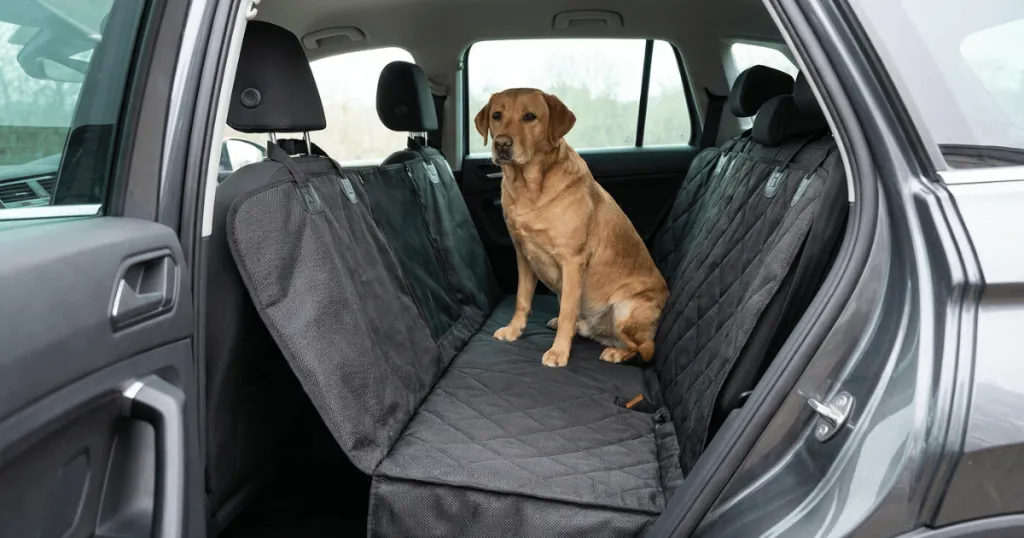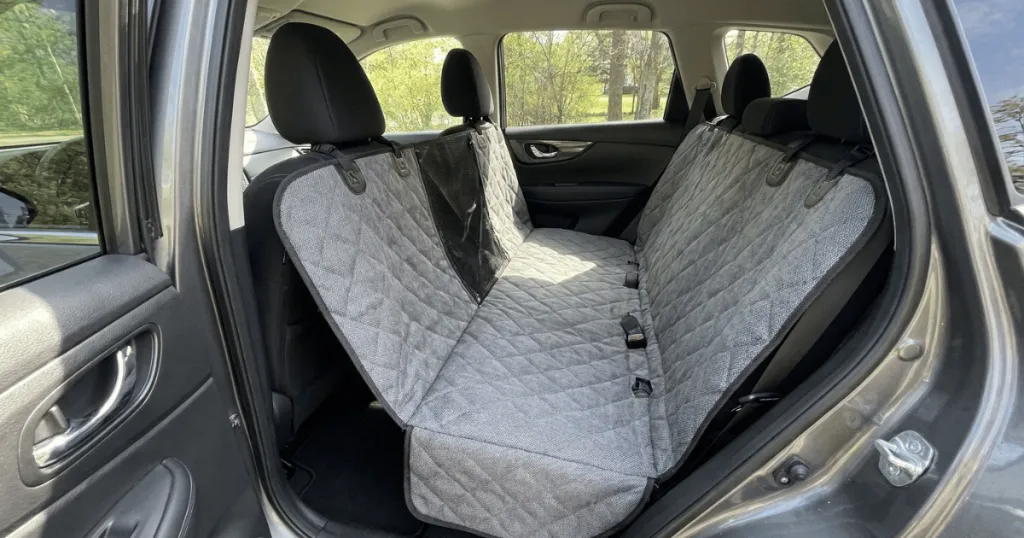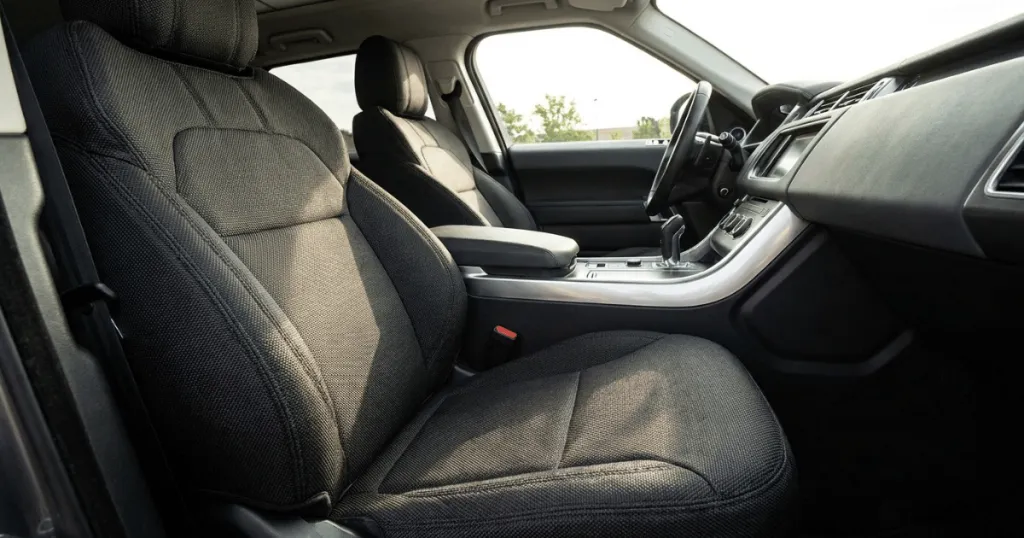
For pet owners and frequent travelers, the accumulation of fur on vehicle upholstery is a persistent challenge. A hair resistant car seat cover is designed specifically to mitigate this issue, acting as a barrier that prevents loose strands from weaving into the fibers of your factory seats. Unlike standard fabric covers that often trap hair through static or open-weave textures, these specialized options prioritize smooth, dense, or non-porous surfaces that allow fur to be easily wiped or shaken away.
Selecting a material that balances durability with a slick surface finish is the most vital step in your search. While many covers claim to be easy to clean, the effectiveness of a hair resistant car seat cover depends heavily on the surface tension of the material. By selecting a cover that discourages hair from gripping the fabric, you reduce the time spent vacuuming and prevent the long-term degradation of your vehicle’s original interior.
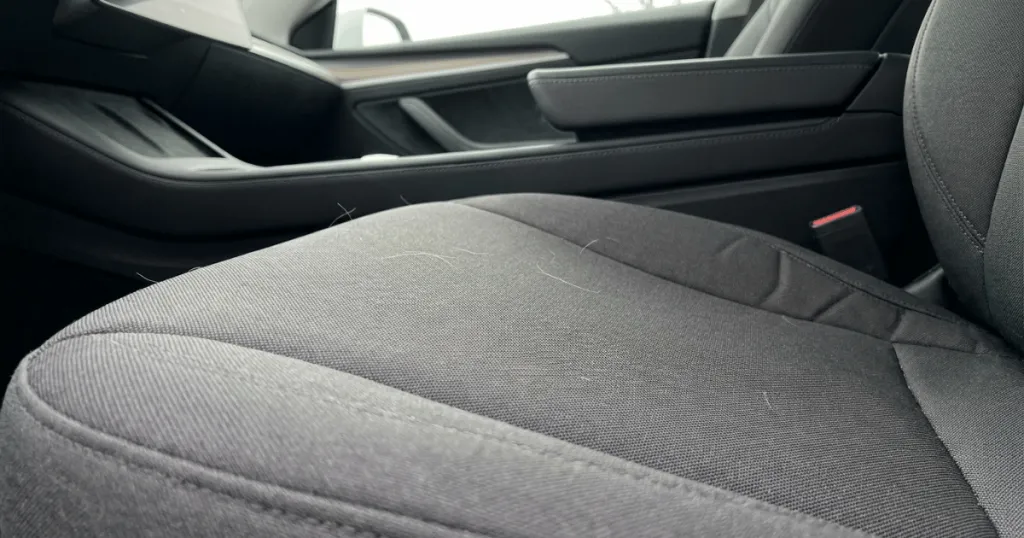
Materials That Effectively Repel Pet Fur
Not all materials perform equally when faced with heavy shedding. Evaluating how different textile structures interact with pet dander and fur allows you to choose a cover that aligns with your specific vehicle usage and pet habits.
Synthetic Leather and Vinyl Surfaces
Synthetic leather, often referred to as PU or faux leather, is arguably the most effective material for repelling pet hair. Its non-porous, smooth surface provides no anchor points for fur to latch onto. In practice, this means that most pet hair will simply sit on top of the cover, where it can be quickly wiped off with a damp cloth or a standard microfiber towel. For those who frequently transport pets, this material offers the lowest maintenance requirement.
High-Density Neoprene and Woven Synthetics
Neoprene is a popular choice for its durability and water resistance, but its performance regarding hair varies by density. High-quality, tightly woven synthetic covers can also be effective if they feature a specialized finish. These materials are often more comfortable in extreme temperatures than vinyl, though they may require a quick pass with a rubber brush or a lint roller if the weave is slightly textured. They represent a middle ground for owners who want protection without the aesthetic of leather.
Real-World Scenarios and Daily Usage
The effectiveness of your chosen cover is often determined by how well it fits your specific vehicle and lifestyle. A cover that shifts or bunches up creates crevices where hair can collect, regardless of how “hair resistant” the material itself is.
Managing Shedding in Daily Commutes
For daily use, such as taking a dog to the park or commuting with a shedding pet, ease of removal is a significant factor. A hair resistant car seat cover that features a simple strap-and-buckle system allows for quick installation and removal. This is particularly useful if you need to switch between a pet-friendly setup and a clean interior for passengers. Prioritize models that stay taut across the entire seat base, as sagging material is the primary culprit for trapped fur.
Long-Distance Travel and Off-Road Trips
When traveling for longer periods, such as camping or road trips, the volume of hair can increase significantly. In these scenarios, static electricity becomes a major factor. Synthetic materials that are prone to static can actually attract hair, making it harder to clean. Look for covers that are treated with anti-static finishes or those that utilize heavier-duty, non-porous materials. Keeping a small rubber-bristled brush in the glove box is a practical habit for mid-trip cleaning, as these tools are highly effective at lifting hair from smooth surfaces.
Why Surface Texture Dictates Cleaning Effort
The primary reason some covers fail to keep a vehicle clean is the reliance on textured or “plush” fabrics. While these may feel comfortable, they act like a magnet for pet hair. A hair resistant car seat cover should ideally have a flat, uniform surface. When you choose a material with a complex weave or a deep diamond-stitch pattern, you are essentially creating thousands of tiny traps for hair to settle into.
While quilted designs are popular for luxury aesthetics, they are often the most difficult to keep clean if they feature deep stitching channels. If you prioritize hair resistance, opt for a smooth, flat-surface design or a very shallow, heat-pressed pattern that does not provide deep crevices for fur to hide in.
Evaluating Pet-Friendly Upholstery Realities
One frequent mistake is assuming that “waterproof” automatically means “hair resistant.” While many waterproof covers are made of vinyl or plastic, some are made of heavy-duty canvas or nylon that can actually be quite difficult to clean. Canvas, in particular, often has a coarse texture that grabs hair fibers, making it a poor choice for owners looking to minimize shedding cleanup.
Another misconception is that darker colors hide hair better. While they may hide the presence of hair visually, they do nothing to prevent the accumulation. The material’s surface texture remains the most important factor for actual removal, regardless of the color you choose. Investing in a material that allows for a quick wipe-down is always more effective than trying to color-match your pet’s fur to your seat covers.
Strategic Considerations for Long-Term Maintenance
Beyond the initial selection of materials, the long-term success of your hair resistant car seat cover depends on how you integrate it into your vehicle interior maintenance routine. Many owners overlook the importance of the seat-to-backrest junction. This area, often called the “crevice,” is where hair naturally migrates due to gravity and vehicle vibration.
When selecting a cover, look for designs that include tuck-in anchors or weighted flaps that seal this gap. By preventing hair from falling into the seat hinge mechanism, you protect the factory upholstery underneath from becoming a permanent reservoir for dander and fur.
Furthermore, consider the impact of climate on your material choice. In high-heat environments, some synthetic leathers can become tacky, which ironically makes them more prone to holding onto fine, light-colored fur. In these cases, a high-density, smooth-weave synthetic fabric treated with a non-stick coating may perform better than a standard vinyl. Understanding the relationship between ambient temperature and material behavior is a nuanced but helpful step in choosing the right cover for your specific region.
Finally, remember that no cover is entirely “hair-proof.” The goal of these products is to shift the cleaning burden from a time-consuming deep-clean process to a simple, periodic wipe-down. By maintaining a consistent cleaning schedule, even if it is just a quick sweep with a rubber tool every few days, you prevent the buildup that eventually leads to hair working its way into the seams of the cover itself. Ultimately, keeping your vehicle interior clean comes down to selecting a surface that does not allow fur to bond with the fabric.
By focusing on smooth, non-porous materials and ensuring a tight, secure fit, you can significantly reduce the effort required to maintain your car’s interior. A well-chosen hair resistant car seat cover serves as a functional tool that protects your vehicle’s value while accommodating your lifestyle.
FAQ
Can I use a lint roller on my hair resistant car seat cover?
Yes, a lint roller is an excellent tool for quick touch-ups on a hair resistant car seat cover, especially for any stray hairs that manage to stick to the edges or seams.
Is leather better than synthetic materials for repelling hair?
Both genuine and synthetic leather are highly effective because their smooth, non-porous surfaces prevent hair from weaving into the material, making them superior to fabric covers for pet owners.
How often should I clean my seat covers to prevent hair buildup?
For active pet owners, a quick wipe-down or vacuuming once a week is usually sufficient to prevent hair from becoming embedded, especially if you use a hair resistant car seat cover.
Do quilted patterns affect hair resistance?
Yes, deep quilted or diamond-stitch patterns create crevices that trap hair, making them harder to clean than flat, smooth-surface covers.