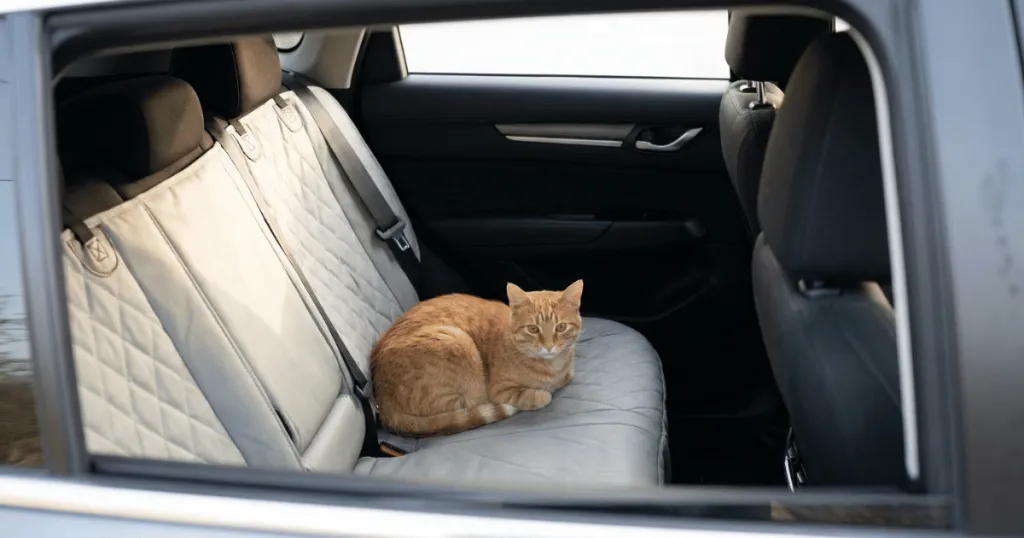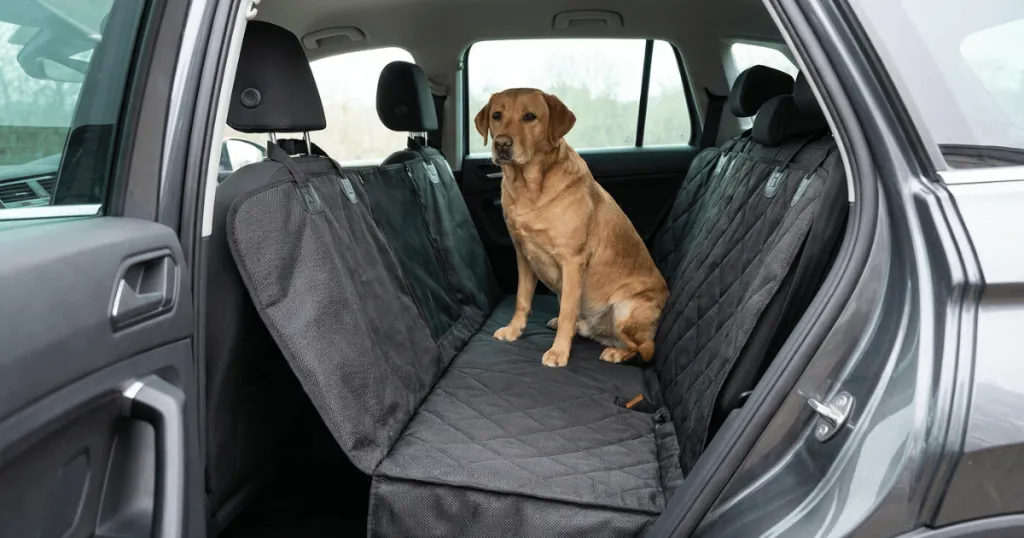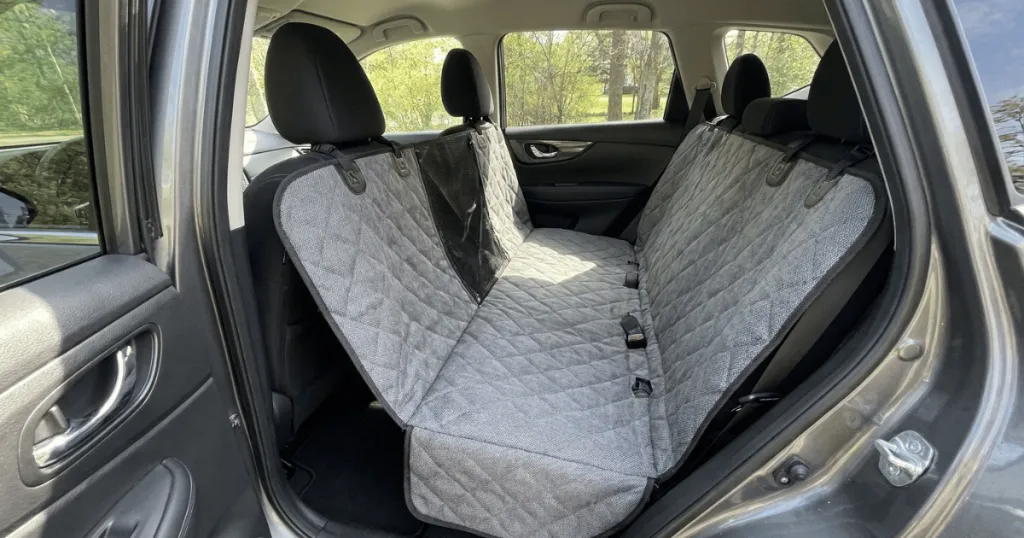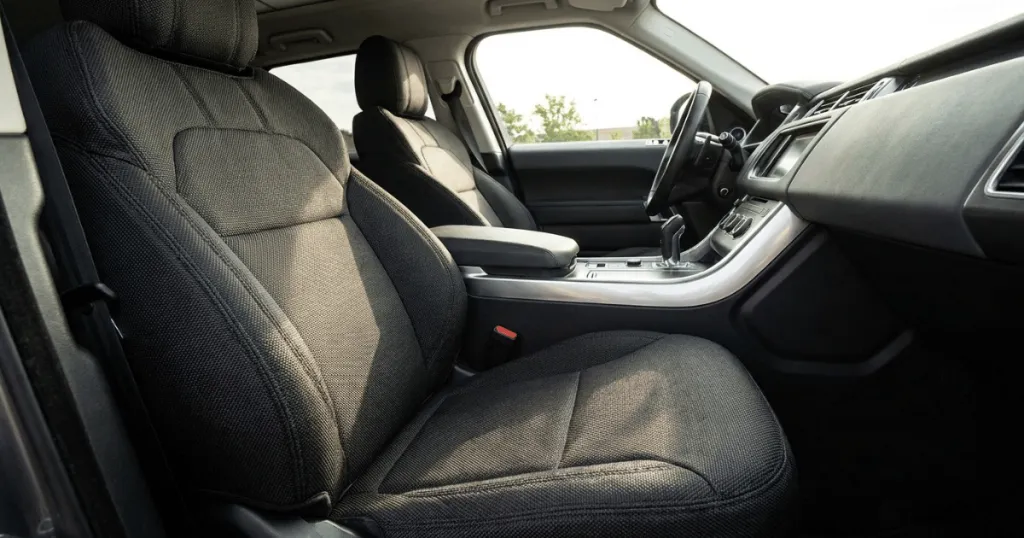
When you are managing a busy family vehicle, the interior upholstery often takes the brunt of daily life. A child friendly car seat cover acts as a necessary barrier against the inevitable spills, crumbs, and scuffs that accompany young passengers. Prioritizing this layer of defense serves as a proactive measure to preserve the integrity of your factory upholstery while keeping the cabin environment tidy and welcoming for every passenger.
Most parents find that the standard upholstery in modern vehicles is difficult to deep-clean once a stain sets in. By installing a protective layer, you shift the maintenance burden from the permanent seat fabric to a removable, washable surface. This approach simplifies your routine, allowing you to address messes quickly without needing professional detailing services or harsh chemical cleaners that might damage delicate original materials.
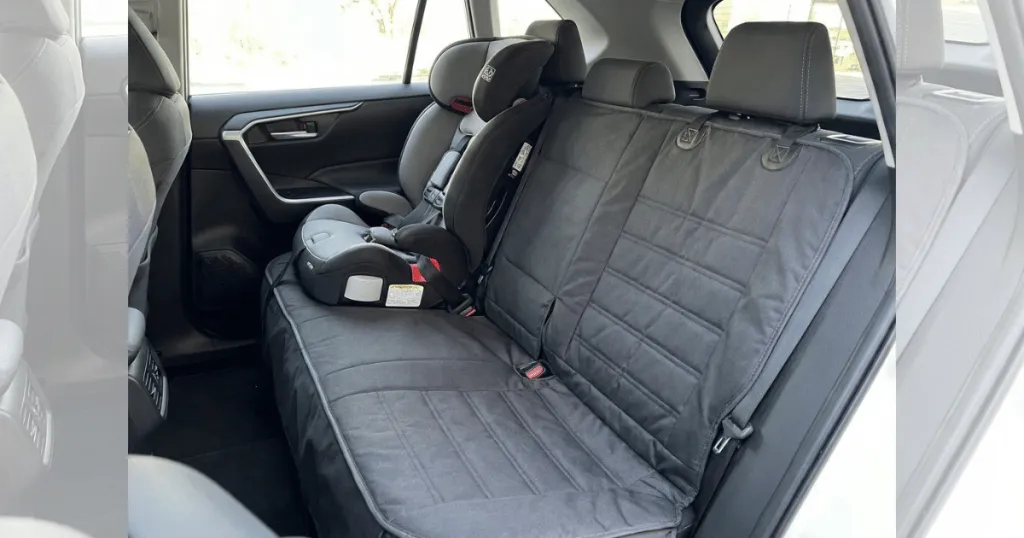
Essential Material Characteristics for High-Traffic Seating
The effectiveness of any protective layer depends entirely on the material composition. For a family-oriented vehicle, you need fabrics that balance resilience with ease of maintenance.
Synthetic Performance Fabrics
Synthetic fabrics, such as high-denier polyester or specialized automotive-grade nylon, are frequently chosen for their resistance to tearing and abrasion. These materials are often treated with water-resistant coatings, which prevent liquids from soaking into the seat foam. In practice, this means that a spilled juice box or a muddy footprint can usually be wiped away with a damp cloth before it has a chance to leave a permanent mark.
Faux Leather and Vinyl Options
Faux leather, or polyurethane (PU) leather, offers a non-porous surface that is arguably the easiest to keep clean. Unlike woven fabrics, these materials do not trap dust or crumbs in their fibers. A quick wipe-down is typically all that is required to restore the surface. For families, this material is particularly effective because it does not absorb odors, which can be a significant benefit when dealing with the occasional snack-time accident.
Neoprene and Wet-Suit Style Materials
Neoprene is a popular choice for those who need maximum moisture protection. Because it is inherently waterproof, it serves as a reliable shield against wet swimsuits or spilled liquids. While it is highly durable and comfortable, it is important to note that neoprene can sometimes trap heat, which might be a consideration if you live in a particularly hot climate. However, its ability to be removed and machine-washed makes it a top contender for heavy-duty family use.
Real-World Scenarios in the Family Cabin
Every vehicle interior faces different challenges based on the age of the children and the frequency of use. Assessing how your household’s specific travel patterns and passenger habits contribute to wear helps you identify the most suitable protective material and design.
Managing Daily Commutes and School Runs
During the school year, the primary concern is often dirt and debris tracked in from playgrounds and sports fields. A child friendly car seat cover in this scenario should be easy to install and remove, as you may want to shake out loose dirt periodically. Choosing a cover with a snug fit prevents it from shifting when children climb in and out, which minimizes friction against the original seat fabric underneath.
Handling Long Road Trips and Snacks
Extended travel often leads to more frequent snacking in the vehicle. In these situations, the focus should be on stain resistance and the ability to spot-clean quickly. If you frequently take long trips, consider a cover with a textured surface, as this can help prevent small items like crumbs from spreading across the entire seat. A simple, smooth-surface cover might allow crumbs to migrate toward the seat crevices more easily.
The Value of Preserving Interior Condition
Preserving the condition of your vehicle’s original seats is a practical financial decision. Over time, constant exposure to moisture, friction, and debris can cause the factory fabric or leather to degrade, fade, or tear. By using a protective layer, you effectively lock in the condition of the seats as they were when you installed the cover. This is particularly relevant if you plan to sell or trade in the vehicle, as well-maintained interior upholstery is a significant factor in resale value.
Beyond the financial aspect, there is the matter of comfort and hygiene. A clean cabin is simply more pleasant for the entire family. When you can easily remove and wash your covers, you eliminate the buildup of allergens and odors that naturally accumulate in a family vehicle. This creates a more inviting space for long drives and daily errands alike, ensuring that the interior remains a comfortable, stress-free zone for both the driver and the passengers.
Clarifying Expectations for Protective Gear
Many owners assume that a thicker, more padded cover is automatically better for protection. In reality, excessive padding can sometimes make the cover bulky and difficult to secure properly. A well-fitted, thinner cover that stays firmly in place is often more effective at preventing wear than a loose, thick one that shifts during use. Focus on the quality of the material and the security of the attachment points rather than the thickness of the cushioning.
Another frequent misunderstanding is that waterproof covers are entirely maintenance-free. While they are excellent at repelling liquids, they still require regular cleaning to remove surface dirt and debris. If you leave mud or food particles on a waterproof surface for too long, they can eventually cause discoloration or create an environment where bacteria can grow. Treat your covers as a secondary layer that needs its own cleaning schedule, rather than a permanent fix-all solution.
Maintaining Your Investment
To ensure your child friendly car seat cover continues to perform, follow a consistent maintenance schedule. Vacuum the surface of the covers weekly to remove loose dirt and crumbs before they get ground into the material. If you notice a spill, address it immediately by blotting the liquid rather than rubbing it, which helps prevent the stain from spreading. By keeping up with these small tasks, you ensure that the covers remain a reliable, hygienic, and attractive part of your vehicle’s interior for years to come.
Strategic Considerations for High-Activity Households
When selecting covers for a family vehicle, it is helpful to look beyond the surface material and consider the construction details that impact daily usability. A child-friendly cover is only as good as its ability to stay in place during the chaotic moments of loading and unloading passengers. Look for designs that utilize robust anchor systems, such as tension straps, clips, or weighted discs that tuck into the seat bight. These features prevent the cover from bunching up, which is a common frustration when children are constantly sliding in and out of their seats.
Furthermore, consider the color and pattern of the material. While light colors can make a cabin feel more spacious, they are often unforgiving when it comes to the inevitable scuffs from shoes or spills from snacks. Darker tones or patterned fabrics are generally more effective at masking minor blemishes between deep cleanings. This is a practical choice for parents who want to maintain a tidy appearance without having to perform a full cleaning cycle after every single trip.
Navigating Climate and Comfort Trade-offs
The comfort of your passengers is paramount, especially during long drives. Some materials, while excellent at repelling liquids, can become uncomfortable in extreme temperatures. For instance, non-breathable vinyl or certain faux leathers can become excessively hot in direct sunlight or sticky during humid summer months. If you live in a region with significant seasonal temperature swings, look for covers that offer a balance of moisture resistance and breathability. Some manufacturers use perforated designs or breathable backing layers to help mitigate heat buildup, ensuring that the seating remains comfortable for children even on extended journeys.
The Role of Modular Design in Family Vehicles
Many modern family vehicles feature split-folding rear seats, which allow for flexible cargo and passenger configurations. When shopping for covers, ensure that your choice does not compromise this functionality. A well-designed child-friendly cover will often feature zippers or Velcro seams that align with the seat’s split-folding mechanism. This allows you to fold down one section of the seat to accommodate larger items while keeping the rest of the upholstery protected. Ignoring this detail can lead to a situation where you have to remove the entire cover just to use your vehicle’s interior flexibility, which is rarely practical for a busy parent.
Evaluating Long-Term Durability vs. Replacement Costs
It is important to view seat covers as a consumable item in a high-use family environment. While high-end, heavy-duty materials offer superior protection, they also come at a higher price point. For some families, it may be more cost-effective to choose a mid-range, durable fabric that can be easily replaced if it becomes heavily stained or damaged beyond repair. This approach allows you to refresh the look of your interior periodically, ensuring that the cabin always feels clean and well-maintained without the pressure of trying to keep a single set of covers in pristine condition for the entire life of the vehicle.
FAQ
Are all child friendly car seat cover materials machine washable?
Not all materials are machine washable. While many synthetic fabrics and some neoprene covers can be laundered, faux leather and vinyl typically require hand-wiping with a damp cloth. Always check the manufacturer’s care instructions before attempting to wash your child friendly car seat cover.
Do these covers interfere with seat adjustments?
A properly installed child friendly car seat cover should be designed to move with the seat. However, if the cover is too loose or not secured correctly at the attachment points, it may bunch up or interfere with the movement of the seat tracks or reclining mechanisms.
How often should I remove the covers for a deep clean?
For a family vehicle, a deep clean every three to six months is usually sufficient, depending on usage. If you notice heavy staining or significant debris buildup, you may want to remove and clean them sooner to prevent the mess from reaching the original upholstery.