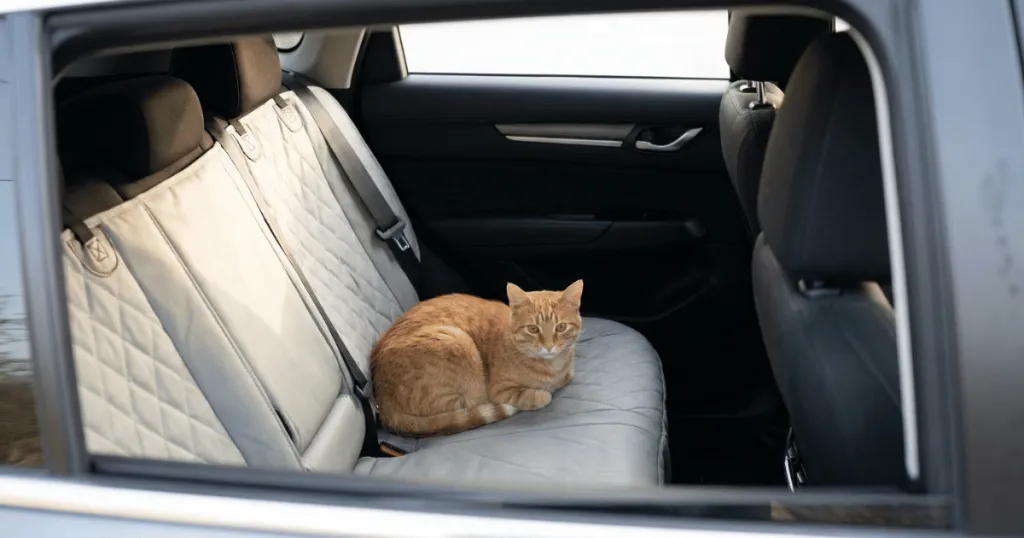
When you have children, the interior of your vehicle often becomes an extension of the living room, complete with snack crumbs, drink spills, and the occasional muddy footprint. A family car seat cover serves as a primary line of defense, shielding your original upholstery from the inevitable chaos of daily commutes, weekend road trips, and school runs. Selecting the right barrier requires balancing the need for heavy-duty resilience with the practical reality of maintaining a clean cabin without constant, intensive labor.
Integrating a family car seat cover into your vehicle setup is a proactive step that preserves your car’s resale value while keeping the cabin environment manageable. Rather than viewing these covers as mere accessories, consider them essential utility gear designed to handle the specific stresses of a busy household. By selecting materials and designs that align with your family’s lifestyle, you can minimize the time spent on deep cleaning and focus more on the journey itself.
Selecting Materials for High-Traffic Environments
The material you choose will dictate how effectively your covers handle the daily abuse of a family vehicle. Not all fabrics offer the same level of resistance to liquids, sharp objects, or general friction, so matching the material to your specific needs is the most important decision you will make.
Neoprene and Synthetic Blends
Neoprene is a popular choice for families because it is inherently water-resistant and offers a cushioned feel that passengers often find comfortable. It mimics the material used in wetsuits, meaning it can handle spills and damp clothing without soaking through to the seat foam beneath. In practice, this material is excellent for families who frequent parks, beaches, or sports fields where wet gear is a constant factor.
Heavy-Duty Canvas and Polyester
If your primary concern is durability against sharp toys, pet claws, or heavy gear, canvas or high-denier polyester blends are often the best route. These materials are woven tightly to prevent debris from working its way into the fibers, making them much easier to vacuum than standard factory upholstery. They are generally more abrasion-resistant than softer fabrics, though they may feel slightly less plush during long drives.
Faux Leather and Vinyl Options
For families who prioritize ease of cleaning, faux leather or high-quality vinyl covers are unmatched. Because these materials are non-porous, a quick wipe with a damp cloth is usually sufficient to remove sticky residue, spilled juice, or mud. They provide a sleek, uniform look that can elevate the interior aesthetic while remaining completely functional for messy situations.
Real-World Scenarios for Daily Use
Every family has a unique rhythm, and your car interior reflects that. Understanding how different seating configurations interact with protective covers helps ensure you get full coverage where it matters most.
Managing Rear Bench Seating
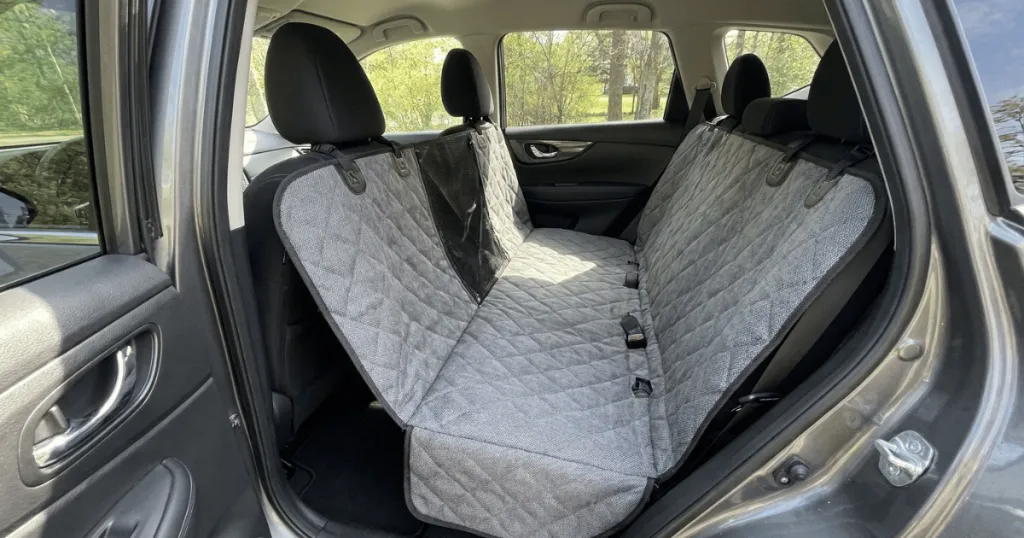
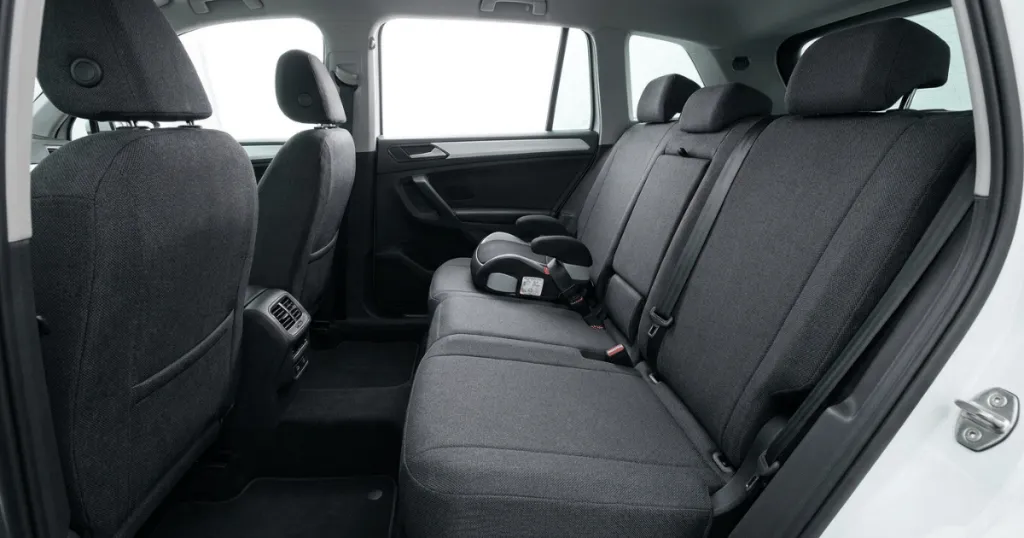
The rear bench is the epicenter of family activity, often housing multiple car seats, booster seats, and passengers. When installing a family car seat cover here, look for designs that feature high-friction backing to prevent the cover from sliding around under the weight of child seats. Ensure the cover is wide enough to protect the entire surface, including the edges where kids often climb in and out.
Protecting Front Seat Backs
Children in rear-facing or forward-facing seats often kick the backs of the front seats. A full-coverage approach should include protection for the seat backs, either through integrated covers or separate kick mats. This prevents the original fabric or leather on your front seats from becoming permanently scuffed or stained by footwear, which is a common point of premature wear in family vehicles.
Handling High-Volume Spills
If your family life involves frequent long-distance travel, liquid resistance becomes a critical feature. A family car seat cover with reinforced seams and a waterproof barrier is worth the investment, as it prevents liquids from pooling in the stitching holes. In practice, this means that a spilled drink can be blotted up immediately rather than soaking into the seat cushion, where it might cause odors or mold over time.
Strategic Considerations for Long-Term Interior Health
Beyond the immediate benefit of stain prevention, choosing a family car seat cover involves understanding the long-term interaction between the cover and the seat itself. Over time, friction between the underside of the cover and the original upholstery can lead to surface wear if the cover is not properly secured. To mitigate this, prioritize covers that utilize high-quality, non-slip backing materials. This prevents the cover from shifting during entry and exit, which is the primary cause of friction-based wear on the seat bolsters.
Furthermore, consider the climate in which you live. In hot, humid regions, breathable materials are essential to prevent moisture buildup between the cover and the seat. If you opt for non-porous materials like vinyl, ensure the cover is removed periodically during the cooler months to allow the seat foam and original fabric to breathe. This simple habit prevents the development of mildew or trapped odors that can occur in sealed environments.
Installation Dynamics and Fitment
The effectiveness of any protective cover is directly tied to its installation. A loose-fitting cover is not only aesthetically unappealing but also less effective at protecting the seat, as it allows dirt and debris to migrate underneath the edges. When installing a family car seat cover, take the time to properly anchor the straps and hooks. Many modern designs utilize tension systems that allow you to cinch the cover tight against the seat contours.
For families with captain’s chairs or split-bench seating, pay close attention to the articulation points. Ensure that the cover does not interfere with the folding mechanism of the seat. If the cover is too bulky, it may prevent the seat from locking into place, which is a significant inconvenience. Always test the seat’s range of motion immediately after installation to ensure the cover moves in harmony with the hardware.
Maintaining Your Interior Protection
Even the most durable covers require regular attention to stay effective. Establishing a simple maintenance routine prevents the buildup of dirt and grime that can eventually degrade both the cover and the seat underneath.
Routine Cleaning Cycles
Vacuuming your seats once every two weeks is a simple habit that significantly extends the lifespan of your covers. Use a brush attachment to lift debris from the seams and crevices where crumbs tend to accumulate. For non-removable covers, a handheld vacuum with a crevice tool is often the most effective way to reach deep into the seat base.
Spot Cleaning and Stain Removal
Address spills as soon as they happen. For most synthetic covers, a mild soap solution and a microfiber cloth are sufficient for spot cleaning. Avoid harsh chemicals or bleach, as these can break down the protective coatings or cause the material to crack over time. Always test a small, inconspicuous area first if you are using a new cleaning product to ensure it does not cause discoloration.
The Value of Proactive Interior Preservation
The decision to use a family car seat cover is fundamentally about managing the depreciation of your vehicle’s interior. While factory upholstery is designed to be durable, it is not immune to the concentrated wear that comes with daily family use. Over several years, the accumulation of sun exposure, friction from car seats, and accidental spills can leave permanent marks that are difficult to reverse. By placing a barrier between your passengers and the original seats, you maintain the structural integrity and appearance of the vehicle’s interior, which is a significant factor when it comes time to trade in or sell the vehicle.
Beyond resale value, there is the practical benefit of comfort and cleanliness. A clean, well-maintained cabin is simply a more pleasant place to spend time, especially during long road trips. When you know your seats are protected, you can worry less about the inevitable mess and focus on the family experience. Using a family car seat cover provides peace of mind that allows you to use your vehicle as it was intended, as a reliable, comfortable space for your family’s daily life.
Nuances of Fit and Compatibility
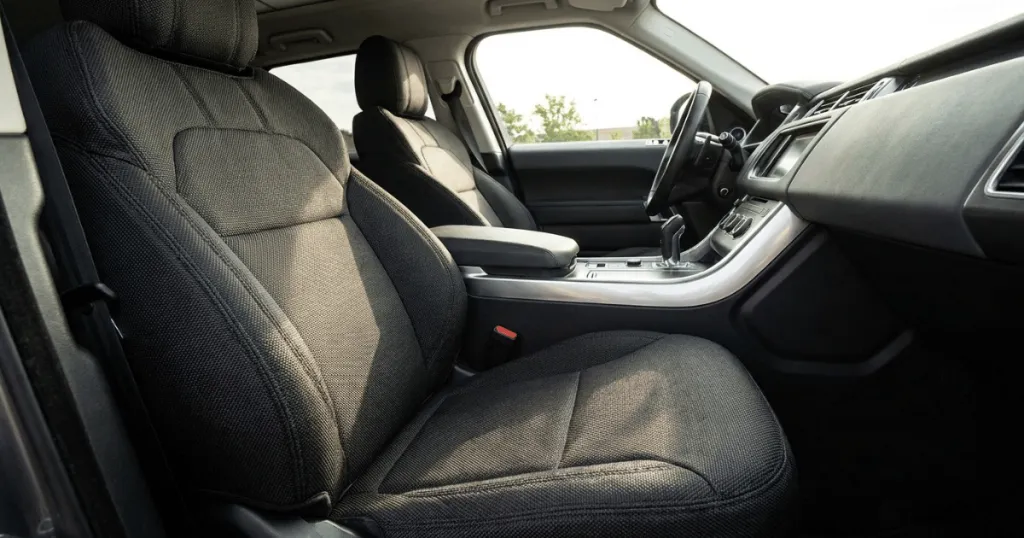
A frequent error is assuming that all covers are universally compatible with every seat shape. While many are marketed as universal, the reality is that seat geometry varies significantly between manufacturers. A cover that fits a flat, bench-style seat may not adequately cover the contoured bolsters of a sport-style bucket seat. Always verify the dimensions and design intent of the cover against your specific seat type. If your vehicle has integrated headrests, for instance, you must select a cover that accommodates that specific design, as a standard cover will leave the headrest exposed and vulnerable to wear.
Another common misconception is that covers are ‘set and forget’ items. While they are designed for durability, they are subject to the same environmental stressors as the vehicle itself. UV rays can cause fading, and extreme temperature fluctuations can affect the elasticity of synthetic materials. Periodically inspecting the covers for signs of thinning or seam separation is a vital part of automotive interior care. Replacing a worn cover is significantly more cost-effective than repairing or replacing damaged factory upholstery.
FAQ
Do I need to remove my family car seat cover to clean it?
Most covers can be spot-cleaned while installed, but some are designed to be machine washable. Always check the manufacturer’s specific care instructions, as removing and reinstalling covers can be time-consuming and may affect the fit if not replaced correctly.
Can these covers be used with all types of vehicle seats?
Most covers are designed to be universal or semi-custom, fitting standard bucket, bench, and captain’s chairs. However, you should verify that the cover design matches your seat’s specific features, such as integrated headrests or armrests, to ensure a proper fit.
Will a family car seat cover prevent all damage to my upholstery?
While they provide a significant layer of protection against spills, dirt, and friction, they are not a total guarantee against damage. Regular inspection of the seats underneath is still recommended to ensure that moisture or debris has not bypassed the cover.