Many vehicle owners assume that any heavy-duty seat cover will naturally repel crumbs, sticky spills, and food debris. In reality, the texture and weave of the material play a much larger role in how easily you can maintain a clean interior. A true snack resistant car seat cover is designed with a focus on surface tension and ease of cleaning, rather than just raw thickness or durability.
When you spend significant time in the car with children or during long commutes, the accumulation of food particles in seat crevices becomes a persistent issue. Selecting a cover that minimizes the ability for crumbs to settle into fibers is the most effective way to protect your original upholstery. By prioritizing specific material characteristics, you can transform a daily chore into a quick wipe-down.
Factors That Determine Resistance to Food Debris
The effectiveness of a cover against food messes depends on how the material interacts with solid particles and liquids. Recognizing these specific physical traits allows you to differentiate between covers that harbor debris and those that facilitate quick, simple cleanup.
Surface Porosity and Weave Density
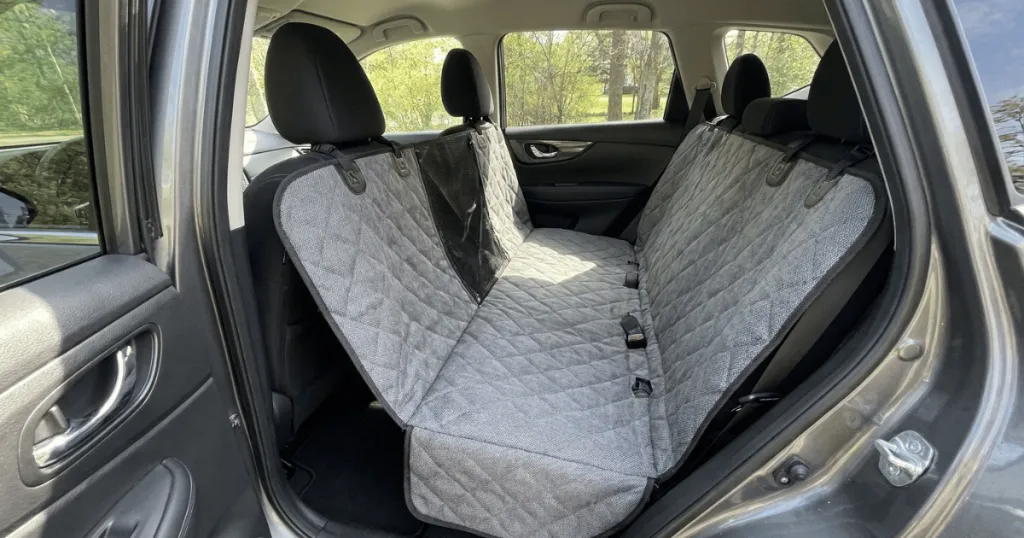
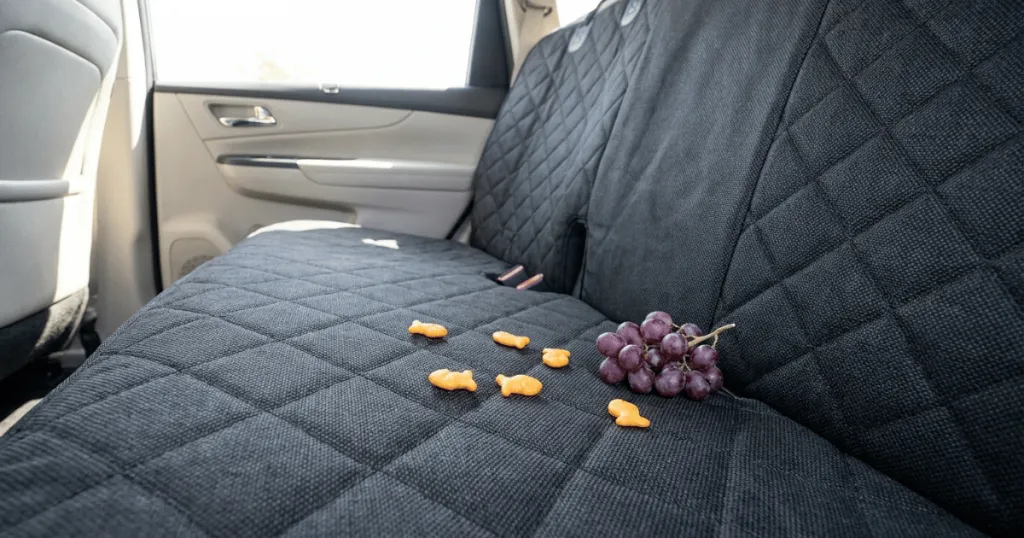
Materials with a tight, non-porous surface are the most effective at preventing food particles from becoming embedded. If you choose a fabric with a loose weave or a textured, fuzzy surface, crumbs will naturally migrate into the gaps between fibers. A smooth, flat-weave material or a synthetic leather surface prevents these particles from finding a foothold, allowing you to simply brush them off or vacuum them away with minimal effort.
Liquid Repellency and Barrier Layers
Spilled drinks or melting snacks require a barrier that prevents moisture from soaking through to the foam padding of your seat. A high-quality snack resistant car seat cover often features a laminated backing or a hydrophobic coating. This layer ensures that liquids bead up on the surface rather than absorbing into the material, giving you time to blot the spill before it leaves a permanent stain or creates an odor.
Seam Construction and Crevice Management
Even the most advanced material can fail if the design features deep, exposed seams where crumbs can collect. Look for covers that use flat-felled seams or minimal piping in high-traffic areas. When seams are raised or loose, they act as traps for sugar, salt, and small food bits. A design that keeps the surface as flush as possible with the seat cushion is significantly easier to keep clean during daily use.
Real-World Scenarios for Food-Friendly Interiors
Different driving environments require different approaches to interior protection. Whether you are managing a family vehicle or a commercial ride-share, the way you use your seats dictates the level of protection needed.
Family Commuting and Daily Errands
For parents, the primary challenge is the sheer volume of crumbs and accidental spills that occur during school runs and weekend trips. In this scenario, synthetic leather or high-density vinyl is often the best choice because these materials do not absorb food odors. You can wipe these surfaces clean with a damp cloth in seconds, which is essential for maintaining a sanitary environment for children who may touch the seats frequently.
Commercial and Rideshare Usage
Drivers who transport passengers frequently face a different set of challenges, as they cannot control what passengers might drop or spill. A snack resistant car seat cover in a commercial setting needs to be durable enough to withstand constant entry and exit while remaining presentable. Darker colors and matte finishes are generally preferred here, as they hide minor scuffing and are less likely to show the residue of a quick wipe-down compared to high-gloss options.
Strategic Selection for High-Traffic Vehicles
When selecting a cover specifically for snack resistance, consider the geometry of your vehicle’s seats. Bucket seats with deep bolsters often create natural “catch zones” where food debris settles. A cover that features a one-piece design or a snug, form-fitting attachment system minimizes the number of gaps where crumbs can migrate. Furthermore, consider the climate; in warmer regions, a non-porous material like vinyl may feel sticky, so look for perforated synthetic leather options that provide a balance between snack resistance and airflow.
It is also important to evaluate the edge-to-edge coverage. Many universal covers leave the side panels of the seat exposed. For maximum protection, seek out designs that wrap around the seat base, as this is where crumbs from snacks inevitably fall when passengers shift their weight. By covering the entire seat surface, you ensure that the original upholstery remains pristine, effectively sealing off the most vulnerable areas from food-related wear.
Prioritizing Maintenance for Long-Term Protection
The longevity of your interior protection depends entirely on how you treat the cover after a mess occurs. A common mistake is waiting too long to address a spill, which allows sugars to harden or liquids to seep into the edges of the cover.
Regular vacuuming is the most important habit for maintaining a snack resistant car seat cover. Even if the material is resistant, letting crumbs sit for weeks can cause them to grind into the surface, eventually wearing down the protective coating. Using a soft-bristle brush attachment during your weekly cleaning routine helps dislodge particles from the edges where the cover meets the seat back, preventing build-up that can lead to permanent damage.
When a spill happens, act immediately by blotting rather than rubbing. Rubbing can force food particles deeper into the weave of fabric-based covers or scratch the surface of synthetic leather. If you have chosen a material with a protective coating, a simple solution of mild soap and water is usually sufficient to restore the surface to its original condition. Avoid harsh chemical cleaners, as these can degrade the water-resistant properties of the material over time.
Clarifying Expectations Regarding Material Performance
Many owners believe that thicker materials are inherently better at resisting food messes. However, thickness does not equate to resistance. A very thick, heavy canvas might be durable against tears, but its rough texture is a magnet for fine crumbs. A thinner, smoother material is often more effective at keeping your seat clean because it lacks the surface area for debris to cling to.
Another frequent misunderstanding is that waterproof materials are automatically stain-proof. While a cover may be waterproof, certain food dyes or acidic liquids can still leave a mark if left on the surface for an extended period. The goal of a snack resistant car seat cover is to provide a window of time for cleanup, not to make the seat immune to all potential damage. Consistent, light maintenance remains the most reliable strategy for keeping your vehicle interior in top condition.
By selecting materials that prioritize a smooth, non-porous surface and maintaining a routine of regular cleaning, you can effectively manage the daily wear and tear associated with eating in the car. Investing in a snack resistant car seat cover is a practical step toward preserving the value and cleanliness of your vehicle for years to come.
Evaluating Comfort and Utility Trade-offs
While snack resistance is a primary goal, it should not come at the expense of comfort. Some highly resistant materials can feel rigid or trap heat. When researching your options, look for “breathable” synthetic options that incorporate micro-perforations. These allow for air circulation without creating large enough gaps for crumbs to fall through. This is a critical distinction for long-distance drivers who need both cleanliness and comfort during extended periods of sitting.
Additionally, consider the installation method. A cover that is difficult to remove will likely be cleaned less frequently. Opt for designs that utilize quick-release buckles or elasticized hems. If the cover is easy to take off, you are more likely to perform a deep clean or shake it out outside the vehicle, which is far more effective than trying to vacuum every single crumb while the cover is still installed. This ease of removal is a hidden factor in long-term snack resistance, as it encourages better hygiene habits.
FAQ
Can I use a vacuum on my snack resistant car seat cover?
Yes, using a vacuum with a soft-bristle brush attachment is recommended for your snack resistant car seat cover. It effectively removes loose crumbs from the surface and crevices without damaging the protective finish.
Do I need to treat my seat cover with a spray to make it snack resistant?
Most high-quality covers come with built-in resistance. While some aftermarket sprays exist, they may alter the texture or breathability of the material, so it is generally better to choose a cover that is inherently snack resistant by design.
Why does my seat cover still hold crumbs even if it is labeled as resistant?
If your snack resistant car seat cover is trapping crumbs, it is likely due to the seam construction or a textured finish. Ensure you are vacuuming the crevices regularly, as even the best materials can collect debris in the folds where the seat back meets the bottom cushion.