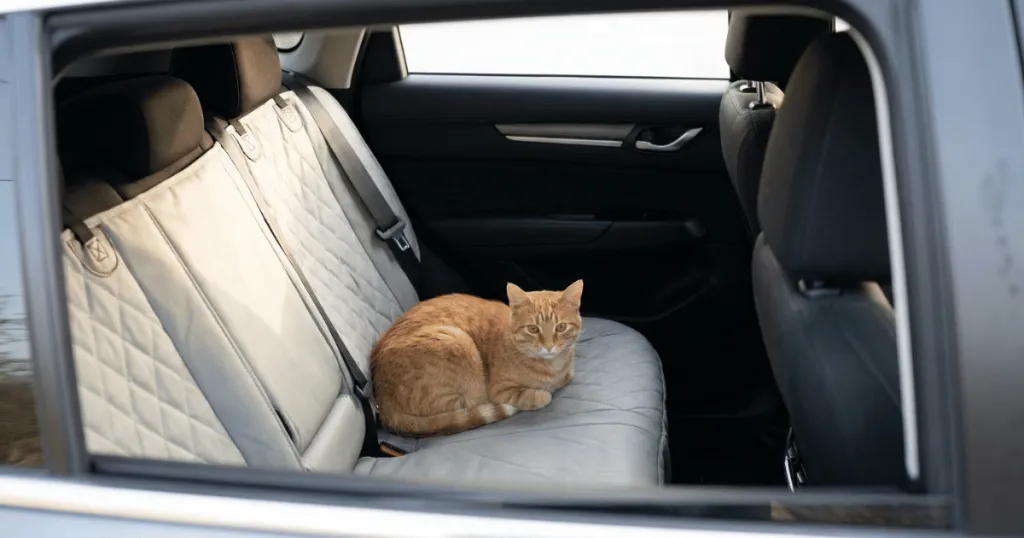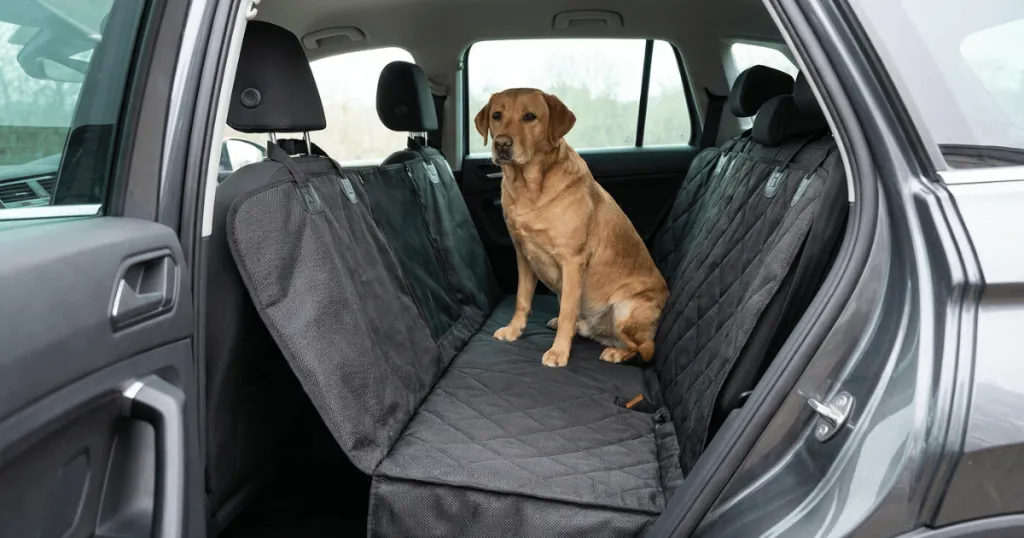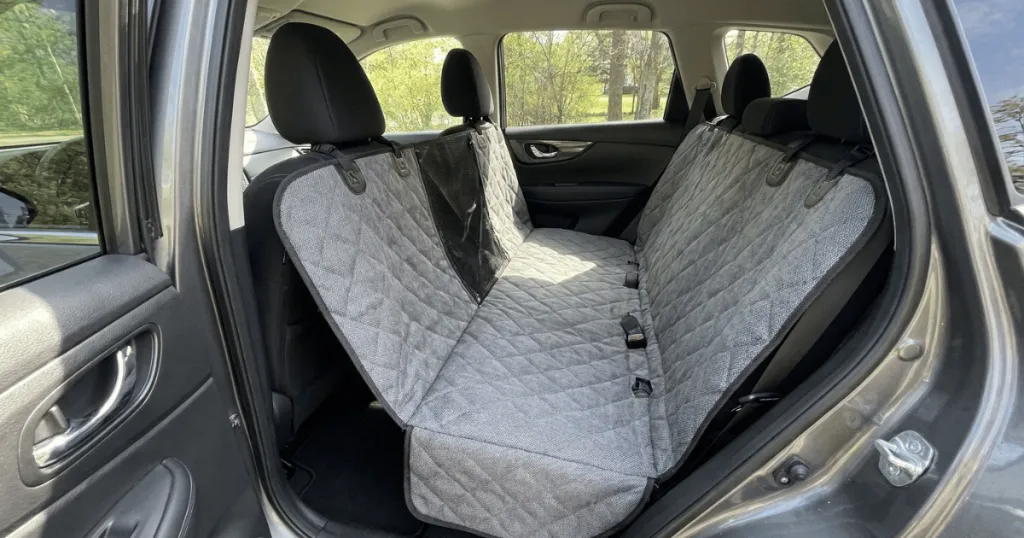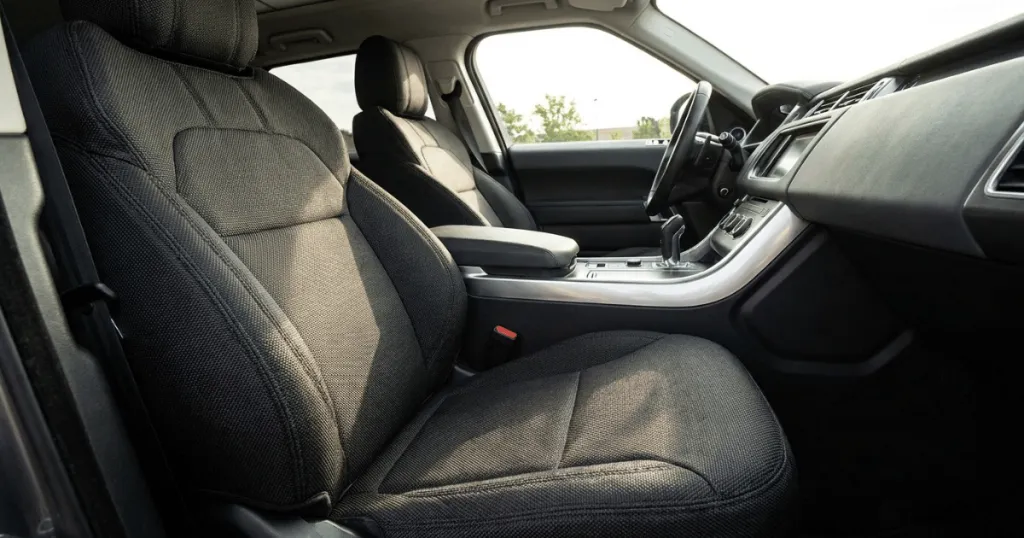
When a vehicle serves as a taxi or rideshare platform, the interior seating faces a level of daily wear that far exceeds standard personal use. Selecting a taxi car seat cover is primarily a matter of operational necessity, focusing on creating a resilient surface that shields the factory upholstery from constant friction, spills, and the accumulation of debris. Because passengers enter and exit the vehicle dozens of times each shift, the material must withstand repetitive stress while remaining easy to sanitize between trips.
The primary challenge for any commercial driver is balancing passenger comfort with the necessity of a low-maintenance surface. A seat cover that is too abrasive may discourage repeat riders, yet one that is too delicate will require replacement within weeks. Finding the right balance requires evaluating how specific materials react to heavy-duty, high-frequency usage cycles.
Factors Influencing Material Performance
In a commercial setting, the material choice dictates the lifespan of the cover. You are looking for a balance between abrasion resistance, moisture management, and ease of cleaning. Materials that excel in personal vehicles often fail in a taxi environment due to the sheer volume of passenger contact.
Synthetic Leather and Faux Leather
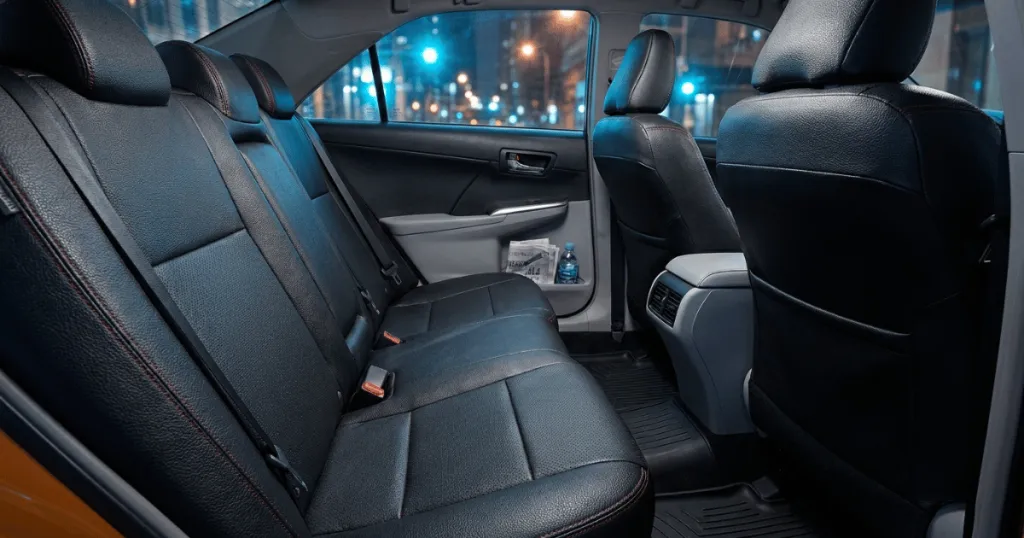
Synthetic leather, often referred to as PU or vinyl, remains the industry standard for commercial transport. It provides a non-porous surface that prevents liquids from soaking into the seat foam, which is critical when dealing with accidental spills. These materials can be wiped down with a damp cloth or mild cleaner in seconds, allowing for quick turnaround times between passengers. However, they can become uncomfortably hot in direct sunlight, so choosing a perforated style or one with a breathable backing can mitigate heat retention for the passenger.
Heavy-Duty Neoprene and Canvas
Neoprene is a popular choice for its cushioning properties and water resistance, often used in outdoor-focused vehicles. In a taxi, its primary benefit is its ability to absorb impact and provide a soft feel for the rider. Canvas, particularly high-denier polyester-based canvas, offers superior tear resistance. While these fabrics are more durable against sharp objects like keys or zippers, they are generally more difficult to spot-clean than synthetic leather. They often require a full removal and wash cycle to look professional again, which may not be practical for a full-time driver.
Real-World Context for Commercial Interior Protection
Managing a vehicle interior for commercial use involves anticipating the most common sources of damage. Identifying these high-impact zones allows you to choose a configuration that keeps the cabin in good condition while reducing the time spent on upkeep.
Managing Passenger-Induced Wear
The most frequent damage occurs at the bolster areas of the seat, where passengers slide in and out. A taxi car seat cover must be secured tightly in these high-friction zones to prevent bunching, which leads to premature tearing. If the cover shifts, the underlying upholstery is exposed, and the cover itself will degrade faster due to the constant stretching of the fabric.
Handling Spills and Debris
Commercial vehicles frequently encounter food, beverage, and mud-related debris. A smooth-surface cover is significantly easier to vacuum than a textured or woven fabric. In practice, this means avoiding deep-pile materials or complex patterns that trap dirt in the stitching. A flat, quilted design or a smooth-finish synthetic leather allows for a quick wipe-down, ensuring the vehicle maintains a professional appearance throughout the day without requiring specialized cleaning equipment.
The Operational Impact of Proper Interior Protection
Investing in the right protective layer for your vehicle interior directly influences your operational efficiency and the perceived value of your service. When the seating area looks clean and well-maintained, it signals a level of professionalism that riders notice immediately. Conversely, worn or stained original upholstery can lead to negative feedback, which is particularly relevant in platforms where passenger ratings dictate future earning potential.
From a maintenance standpoint, the cost of replacing a high-quality, durable cover is a fraction of the cost of professional upholstery repair or seat foam replacement. By utilizing the seat cover as a primary defense against daily wear, you extend the life of the vehicle’s interior indefinitely. This strategy allows you to keep the vehicle in service longer without the downtime associated with deep cleaning or upholstery restoration. The goal is to create a setup that requires minimal daily attention, allowing you to focus on the road rather than the condition of the cabin.
Addressing Common Myths About Commercial Seat Protection
A frequent mistake is assuming that thicker materials automatically offer better protection. In reality, extremely thick or heavy-duty materials can be difficult to install correctly, leading to a loose fit that actually accelerates wear through friction. A properly fitted, medium-weight material that stays taut against the seat is almost always superior to a loose-fitting, heavy-duty alternative.
Another misconception is that waterproof materials are inherently breathable. While some modern synthetic leathers are engineered with micro-perforations to allow airflow, many basic waterproof covers trap heat and moisture against the passenger. For a taxi car seat cover, you must look for specifications that mention breathability or ventilation, as comfort is a key component of the passenger experience. A cover that is waterproof but causes the passenger to sweat will ultimately be viewed as a negative feature, regardless of how well it protects the seat.
Strategic Considerations for High-Turnover Environments
When operating a vehicle for rideshare or taxi services, the interior is effectively a public space. This shift in usage requires a departure from standard consumer-grade accessories. Drivers should prioritize materials that resist chemical degradation from frequent sanitizing agents. Many standard cleaners can cause vinyl to crack or fade over time; therefore, selecting materials rated for commercial use ensures that the cover remains supple and crack-resistant even after months of daily disinfection.
Furthermore, the installation method is a critical factor often overlooked. In a high-turnover environment, seat covers that utilize heavy-duty elastic straps or metal hooks are generally more reliable than those relying solely on plastic clips. Over time, plastic components can become brittle due to temperature fluctuations inside the vehicle. Opting for a cover with reinforced attachment points ensures that the seat cover remains securely in place even when passengers shift their weight constantly during entry and exit.
Evaluating Design and Aesthetics for Professionalism
While durability is the primary goal, the visual presentation of the taxi car seat cover matters. A cluttered or overly busy pattern can make a vehicle interior feel smaller or more chaotic. Neutral tones such as charcoal, slate, or deep black are generally preferred in commercial settings. These colors hide minor scuffs and stains better than lighter shades, and they provide a cohesive, professional look that complements most vehicle interiors. Diamond-stitch patterns, while often associated with luxury, can also serve a functional purpose by providing slightly more surface area for airflow compared to a completely flat, non-textured material.
Long-Term Maintenance and Replacement Cycles
Even the most durable seat cover will eventually reach the end of its service life. Establishing a proactive replacement schedule is part of professional vehicle management. Rather than waiting for a tear to appear, drivers should inspect the high-friction areas, specifically the outer bolsters and the seat base, every few months. If the material begins to thin or the stitching shows signs of fraying, it is more cost-effective to replace the cover before it compromises the factory upholstery underneath. This disciplined approach to vehicle interior protection prevents the accumulation of hidden damage that could impact the vehicle’s resale value later on.
FAQ
How often should I clean a taxi car seat cover?
In a high-frequency taxi environment, you should perform a quick wipe-down with a mild, non-abrasive cleaner after every shift or whenever a spill occurs. A deeper cleaning, including vacuuming the seams, should be done weekly to prevent debris buildup.
Can I use a universal seat cover for my taxi?
While universal covers are available, they often fit loosely, which is problematic for a taxi car seat cover. A loose fit creates friction points that wear out the cover and the seat underneath much faster. A semi-custom or custom-fit cover is recommended for commercial vehicles to ensure a tight, secure installation.
What is the best material for preventing odors in a taxi?
Non-porous materials like high-quality synthetic leather or vinyl are best for odor prevention. Unlike fabric or canvas, these materials do not absorb liquids or odors, allowing you to sanitize the surface completely between passengers.