For drivers operating in the rideshare market, the interior of the vehicle is a primary workspace that faces constant wear and tear. An uber car seat cover serves as a critical barrier between the factory upholstery and the unpredictable nature of daily passenger transport. Whether you are dealing with spilled coffee, tracked-in mud, or the general friction caused by hundreds of passengers entering and exiting your vehicle, the right cover preserves the underlying seat condition while maintaining a professional appearance.
Selecting the ideal material and design involves balancing passenger comfort with the practical necessity of rapid cleaning between trips. A well-chosen cover allows you to maintain a high standard of cleanliness without spending hours on deep-cleaning upholstery. By prioritizing durability and ease of maintenance, you ensure that your vehicle remains a comfortable environment for every rider while protecting your long-term investment in the car’s interior.
Factors Influencing Your Choice of Protective Covers
Material Durability and Passenger Comfort
The material you choose for your uber car seat cover determines how often you need to perform deep cleaning and how long the cover will last under heavy use. Synthetic leather or high-grade polyurethane (PU) are popular choices because they do not absorb liquids, allowing you to wipe away spills instantly. These materials provide a sleek, professional look that many passengers associate with higher-tier ride services. When selecting these, look for high-denier ratings which indicate superior abrasion resistance against the constant sliding of passengers.
Neoprene and heavy-duty canvas are alternative options for drivers who prioritize ruggedness over a luxury aesthetic. Neoprene is naturally water-resistant and offers a soft, cushioned feel that can improve passenger comfort during long rides. However, these materials may require more frequent vacuuming to remove debris trapped in the fabric weave compared to the smooth surface of faux leather. For rideshare interior protection, the trade-off is often between the ease of wiping down a smooth surface versus the tactile comfort of a fabric-based material.
Design Features for Rapid Turnaround
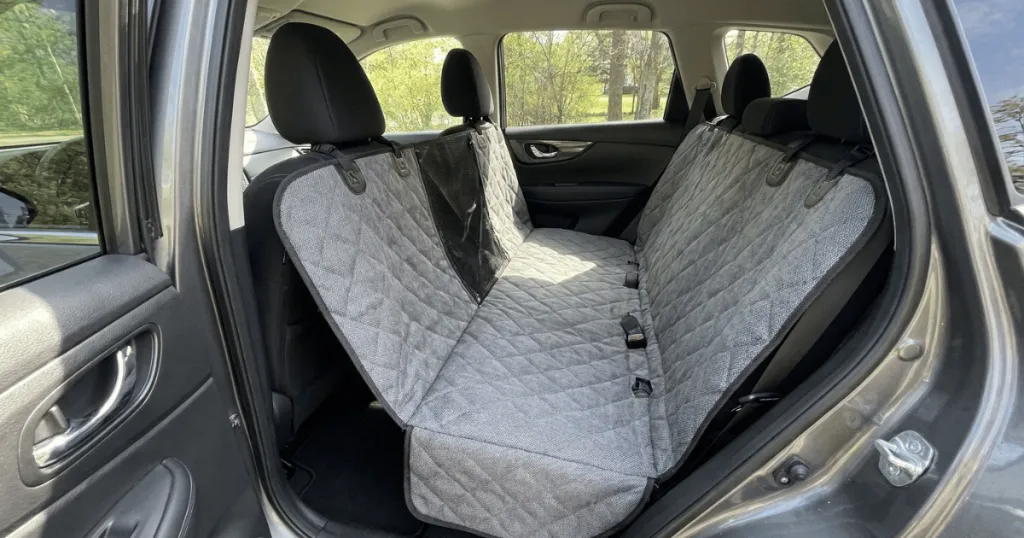
In a rideshare environment, time is a valuable commodity. You need a design that stays securely in place despite the constant movement of passengers sliding across the seat. Look for covers that feature non-slip backing or integrated anchor systems that tuck firmly into the seat crevices. A cover that shifts or bunches up creates a messy appearance and can be uncomfortable for the passenger, potentially affecting your ride ratings. Non-slip seat covers are essential for maintaining the intended ergonomics of the factory seat.
Consider the coverage area of the design as well. Full-coverage models that protect the seat back, the base, and the headrest are generally preferred for commercial use. By covering the entire seat surface, you prevent dirt from accumulating in the seams where the seat base meets the backrest, which is often the hardest area to clean during a quick break between rides. This level of coverage is vital for vehicle interior maintenance, as it prevents grit from grinding into the original upholstery fibers over time.
Real-World Scenarios in Commercial Transport
Managing Spills and Daily Debris
Daily operation involves a high probability of accidental spills, from morning commuters with open coffee cups to evening riders with food. A non-porous uber car seat cover allows you to handle these situations with a simple microfiber cloth and a mild interior cleaner. This capability is vital because it prevents liquids from soaking into the seat foam, which can lead to lingering odors and permanent staining that is difficult to remove without professional intervention. Moisture management is a key aspect of keeping a clean cabin.
Beyond liquids, dry debris such as sand, crumbs, and lint are inevitable. Covers with a smooth finish allow you to quickly brush or vacuum away these particles. If you choose a textured fabric, ensure it is tightly woven to prevent small items from embedding themselves deep into the material, which would otherwise require a time-consuming deep-scrubbing process. High-volume use requires materials that do not trap particulate matter, keeping the cabin environment fresh for every new passenger.
Adapting to Seasonal and Climate Demands
Your choice of material should also account for your local climate. In hot regions, dark-colored vinyl or PU covers can become uncomfortably hot when the vehicle is parked in direct sunlight. If you operate in a warm climate, look for perforated materials or breathable synthetic fabrics that allow for better airflow. These features keep the seat surface cooler for passengers, which is a subtle but appreciated detail that contributes to a positive ride experience.
In colder climates, the primary concern is moisture from snow or rain. Waterproof seat covers are essential here, as they prevent the seat foam from becoming damp. A damp seat not only creates an unpleasant experience for the passenger but can also lead to mold or mildew growth inside the vehicle if the moisture is not properly managed. Always prioritize materials that can be wiped dry in seconds, ensuring the next passenger always has a dry place to sit.
Preserving Vehicle Interior Integrity Through Proactive Coverage
Protecting the original upholstery is a significant factor in the long-term vehicle value. Frequent entry and exit patterns cause specific stress points on the seat bolsters and the center of the seat base. By installing a high-quality uber car seat cover, you shift the friction and wear onto a replaceable accessory rather than the permanent seat material. This proactive approach prevents the cracking, tearing, and fading that often occur in high-mileage vehicles used for commercial transport.
Furthermore, the visual state of your interior directly influences the perception of your service. A clean, well-maintained seat cover signals to passengers that you take pride in your vehicle and prioritize their comfort. This professional presentation can be a factor in maintaining high ratings and fostering repeat business. When the cover eventually shows signs of heavy wear, it can be replaced easily, instantly refreshing the look of the cabin without the need for expensive upholstery repairs or professional detailing services.
Common Myths Regarding Seat Protection
The Myth of Universal Fit
Many drivers assume that any universal cover will work for their specific vehicle, but this is rarely the case in a commercial setting. A poorly fitted cover that hangs loosely or blocks seat adjustments can be a source of frustration for passengers. Always look for covers that are designed with your specific seat configuration in mind, such as bucket seats or those with integrated headrests. A precise fit ensures the cover stays in place and looks like a natural part of the vehicle interior.
Thicker Materials Are Always Better
There is a common belief that the thickest material provides the best protection, but this is not always true for rideshare use. Extremely thick or heavy materials can be difficult to install, clean, and dry. They may also interfere with the comfort of the seat’s natural contour. Instead of focusing solely on thickness, look for high-density, abrasion-resistant materials that offer a balance of thinness for flexibility and durability for long-term use. The goal is to provide a protective layer that is effective without being obtrusive or difficult to manage during your daily routine.
Strategic Selection for Long-Term Cabin Hygiene
When selecting an uber car seat cover, consider the long-term maintenance cycle. Commercial vehicle care is not a one-time setup but an ongoing process. If you operate in an urban environment with high passenger turnover, your priority should be material flexibility and ease of cleaning. Faux leather car seat covers are often the gold standard here because they resist the absorption of odors, which is a common complaint in high-traffic vehicles. Unlike fabric, which can hold onto scents from food or perfumes, synthetic leather surfaces can be sanitized with appropriate, non-harsh cleaners, ensuring a neutral environment for every rider.
Another consideration is the color palette. While black is the most common choice for hiding dirt, it can show dust and lint more readily than charcoal or dark gray. Consider the interior color of your vehicle and choose a cover that complements the existing trim. This creates a cohesive look that feels like an upgrade rather than an afterthought. Remember that the goal of using a cover is to maintain the original factory seat condition for as long as possible, so choosing a color that doesn’t clash with the original upholstery is a smart aesthetic decision.
Installation and Maintenance Best Practices
Proper installation is the foundation of effective seat protection. Even the most durable cover will fail to protect your seats if it shifts during use. Ensure that all straps, hooks, and anchors are properly secured according to the manufacturer’s guidelines. For high-volume use, check these connections periodically, perhaps during your weekly cleaning routine, to ensure they haven’t loosened due to the constant shifting of passengers. A tight, secure fit prevents the cover from bunching, which is where most premature wear occurs on the cover itself.
When it comes to cleaning, avoid harsh chemicals that can degrade the material over time. Most faux leather covers respond best to a gentle wipe with a damp cloth or a dedicated interior cleaner designed for synthetic surfaces. Avoid using heavy waxes or oils that can make the seat surface slippery, as this can be uncomfortable and potentially unsafe for passengers. By establishing a consistent cleaning schedule, you extend the life of the cover and ensure your vehicle remains a professional space for every trip.
FAQ
How often should I clean my uber car seat cover?
In a high-volume rideshare environment, you should perform a quick wipe-down after every shift or whenever a spill occurs. A deeper cleaning with a mild, non-abrasive cleaner should be done weekly to maintain the appearance and hygiene of the uber car seat cover.
Can I use a washing machine for my seat covers?
This depends entirely on the material. While some fabric covers are machine washable, most faux leather or heavy-duty synthetic covers should only be spot-cleaned with a damp cloth. Always check the manufacturer’s care instructions before attempting to machine wash your uber car seat cover to avoid damaging the material or the backing.
What is the best material for rideshare seat covers?
For most rideshare drivers, high-grade faux leather or polyurethane is the best choice for an uber car seat cover because it is waterproof, easy to wipe clean, and provides a professional look that holds up well to constant passenger traffic.