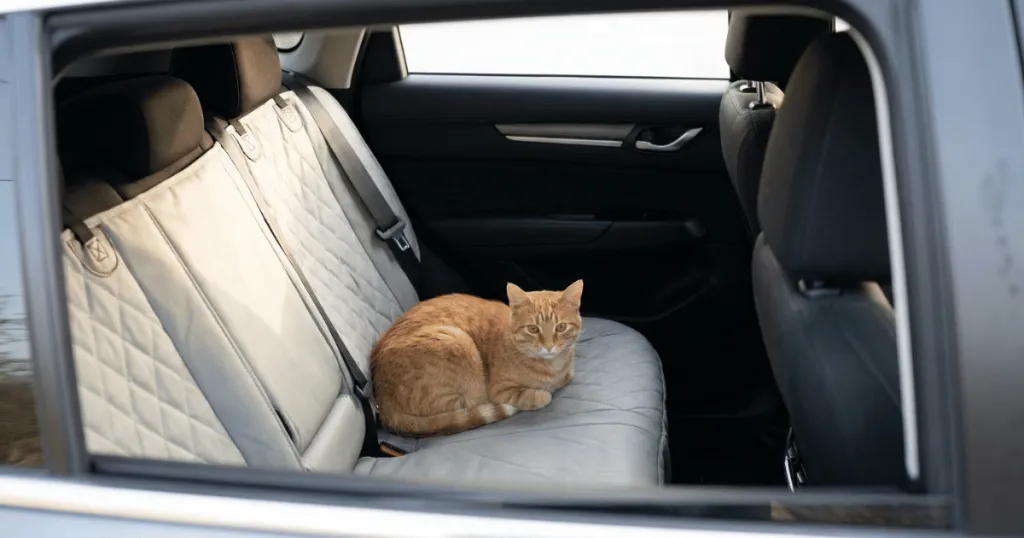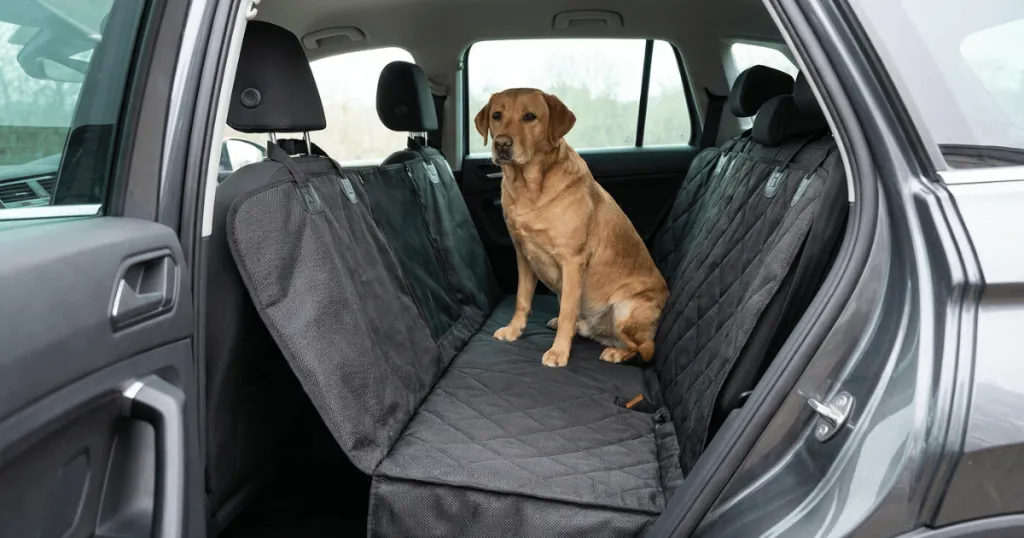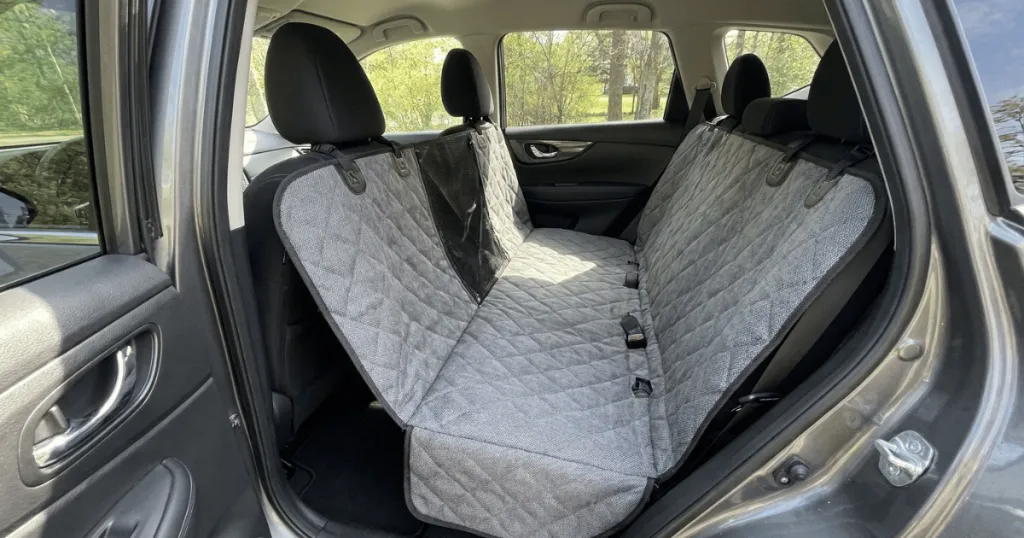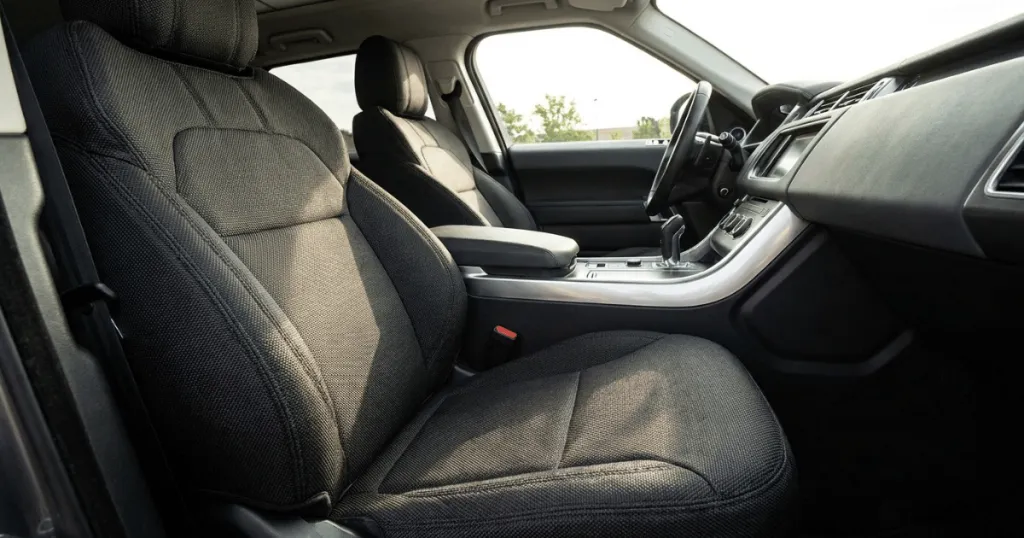
For drivers operating in the rideshare space, selecting a lyft car seat cover is less about aesthetics and more about managing the high-frequency wear associated with constant passenger turnover. Unlike personal vehicles that see occasional use, a rideshare vehicle requires upholstery protection that can withstand dozens of entries and exits daily, varying passenger habits, and the inevitable accumulation of debris.
The primary objective when selecting this equipment is to find a balance between passenger comfort and the ruggedness required for heavy-duty use. A high-quality cover functions as a durable shield, guarding the original factory upholstery against friction, spills, and environmental wear. By prioritizing materials that are both resilient and simple to sanitize, you can maintain a professional interior appearance while extending the life of your vehicle’s seating surfaces.
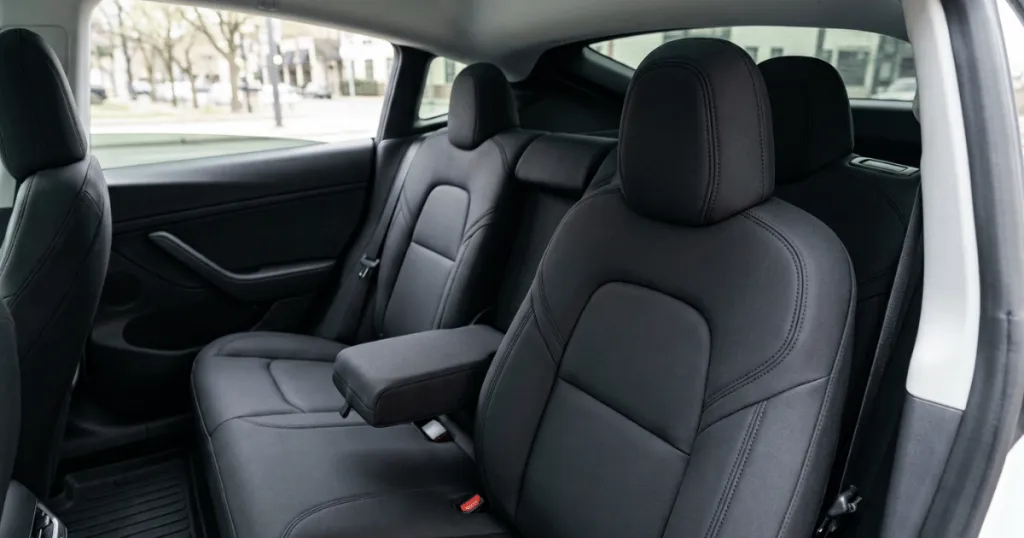
Factors Influencing Your Choice of Protective Covers
Material Durability and Cleaning Requirements
In a commercial setting, the material is the most critical decision factor. Synthetic leather or high-grade polyurethane (PU) options are frequently favored because they do not absorb liquids, making them significantly easier to wipe down between rides. These materials resist the accumulation of dust and allergens that often settle into woven fabrics, which is a major advantage when maintaining a clean environment for passengers.
Neoprene is another common choice, particularly for drivers in wetter climates. It offers a degree of water resistance and a cushioned feel that passengers often appreciate. However, neoprene requires more frequent vacuuming to remove debris trapped in its textured surface compared to the smooth finish of faux leather. Consider your local climate and the typical cleanliness level of your passenger demographic before committing to a specific material.
The Impact of Fit on Daily Operations
A properly fitted lyft car seat cover must remain stable during the rapid, repeated movements of passengers sliding in and out of the vehicle. Covers that shift or bunch up can become a nuisance, requiring constant readjustment throughout your shift. Look for designs that utilize robust anchoring systems, such as heavy-duty straps, clips, or discs that tuck deep into the seat bight to lock the cover in place.
Universal-fit covers are often more accessible, but they may lack the tailored tension needed for high-traffic use. If your vehicle has specific seat features like integrated headrests or unique bolster shapes, custom-fit or semi-custom options may provide the necessary stability to prevent the cover from sliding. A cover that stays put is not only more professional but also prevents the underlying seat material from being exposed to direct friction.
Real-World Context for Rideshare Interiors
Managing Passenger Turnover and Spills
The daily reality of rideshare driving involves a variety of passenger behaviors, from carrying food and beverages to tracking in dirt from outdoor environments. A lyft car seat cover serves as a primary defense against accidental spills that would otherwise soak into foam padding. When choosing a cover, look for non-porous surfaces that allow you to quickly wipe away moisture before it penetrates the seams.
Beyond spills, the sheer volume of passenger contact leads to accelerated wear on high-friction areas like the outer seat bolsters. Passengers often pivot on these bolsters when entering or exiting the vehicle. A durable cover with reinforced stitching in these high-stress zones can prevent the factory fabric or leather from thinning or tearing over time. Prioritizing covers that offer extra padding or reinforced panels in these specific areas can significantly improve the longevity of your interior.
Environmental Factors and Climate Control
Drivers in regions with extreme temperature fluctuations face unique challenges. Vinyl or heavy-duty faux leather can become very hot in direct sunlight or stiff in freezing temperatures. If you operate in a region with long, hot summers, consider covers that offer some level of breathability or perforated sections to improve airflow. Conversely, in colder climates, ensure the material remains flexible enough to provide a comfortable seating experience without cracking.
Some drivers choose to swap covers seasonally to better manage these environmental demands. A breathable mesh or fabric cover might be ideal for summer months, while a more robust, liquid-resistant material serves better during rainy or snowy seasons. This modular approach allows you to adapt your vehicle’s interior to the specific needs of your local environment while keeping your primary upholstery protected year-round.
The Value of Proactive Interior Preservation
Treating your vehicle’s interior with protective gear is a strategic move to safeguard your investment and maintain the cabin’s condition over time. While the primary function of a lyft car seat cover is daily protection, the cumulative effect of using these covers is the preservation of the original seat materials. By preventing permanent stains, odors, and structural wear, you ensure that the vehicle remains in better condition for longer periods.
Furthermore, a clean and well-maintained interior contributes to a positive passenger experience. Passengers are more likely to feel comfortable in a vehicle that appears cared for and hygienic. A seat cover that is clean, free of tears, and securely fitted signals to the passenger that you take pride in your vehicle’s maintenance. This attention to detail can be a subtle but effective way to maintain high service ratings in a competitive market.
Common Assumptions Regarding Seat Protection
The Myth of Universal Compatibility
Many drivers assume that any cover labeled as a universal fit will work perfectly for their specific vehicle. In practice, vehicle seat geometry varies significantly between makes and models, and a universal cover often leaves gaps or creates loose areas that can be uncomfortable for passengers. It is usually better to verify if a cover is designed for your specific seat type, such as bucket seats with separate headrests versus integrated designs, rather than relying on a one-size-fits-all solution.
Thickness as a Proxy for Durability
There is a common belief that thicker materials are always more durable. While thickness can provide extra cushioning, it does not necessarily equate to better resistance against tears or stains. The quality of the material’s surface coating and the strength of the seams are often more indicative of how well a cover will hold up under commercial use. Focus on the material’s finish and the manufacturer’s guidance on cleaning, as these are better indicators of performance in a high-turnover environment than material thickness alone.
Strategic Selection for Long-Term Commercial Use
When selecting a lyft car seat cover for a vehicle that spends eight to twelve hours on the road daily, the decision-making process should shift toward industrial-grade performance. Unlike personal use, where aesthetics might take precedence, the commercial driver must prioritize the ‘cost-per-ride’ value of the cover. This means evaluating how many cleaning cycles a material can withstand before the surface finish begins to degrade or crack. Faux leather, specifically marine-grade vinyl, is often the gold standard here because it is formulated to resist UV breakdown and chemical cleaners, both of which are common in a high-turnover environment.
Another consideration is the ease of removal. There are times when a deep clean is necessary, perhaps after a spill or a particularly messy day of transport. Covers that utilize simple hook-and-loop fasteners or quick-release buckles allow for rapid removal and reinstallation. This modularity ensures that you are not spending hours of your downtime struggling with complex installation systems, but rather focusing on maintaining a hygienic environment for your next shift.
The Role of Texture and Surface Design
The surface texture of your chosen cover impacts both passenger perception and cleaning efficiency. Smooth surfaces are undeniably the easiest to wipe down, but they can sometimes feel slippery, which may cause passengers to slide around during turns. Conversely, heavily textured or diamond-stitched covers offer better grip and a more premium look, but they create small crevices where crumbs, dust, and debris can hide. For a rideshare driver, the ideal balance is often a subtle, micro-textured surface. This provides enough grip to prevent sliding while remaining flat enough to be cleared with a quick vacuum or a damp cloth. Avoid deep-pile fabrics or loose weaves, as these act as magnets for dirt and are notoriously difficult to sanitize between passengers.
Final Guidance for Rideshare Drivers
When you are ready to outfit your vehicle, prioritize functionality and ease of maintenance over decorative features. A high-quality lyft car seat cover should be viewed as a tool for your business rather than a purely aesthetic upgrade. By selecting materials that are easy to sanitize and ensuring a secure fit that resists shifting, you can protect your vehicle’s interior while providing a consistent, professional experience for every passenger you serve.
FAQ
How often should I clean my lyft car seat cover?
In a commercial rideshare environment, it is best to perform a quick wipe-down with an appropriate cleaner after every shift or whenever a spill occurs. A deeper cleaning, including vacuuming the seams and checking the anchoring system, should be done weekly to ensure your lyft car seat cover remains hygienic and secure.
Do I need special tools to install these covers?
Most covers designed for standard vehicle seats do not require specialized tools. However, having a small plastic pry tool can be helpful for tucking anchoring discs or straps deep into the seat bight without damaging the upholstery. Always follow the specific installation instructions provided with your lyft car seat cover to ensure a stable fit.
Can these covers be used with heated seats?
Yes, most high-quality seat covers are compatible with heated seating systems. However, thicker materials may slightly reduce the speed at which you feel the heat. It is a good practice to check the manufacturer’s specifications for your chosen lyft car seat cover to confirm it is rated for use with factory-installed heating elements.