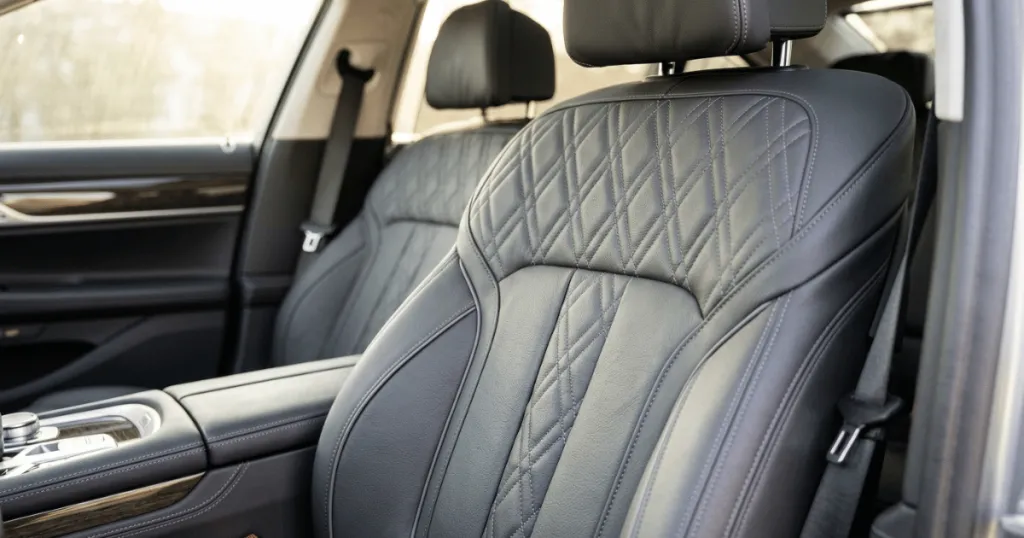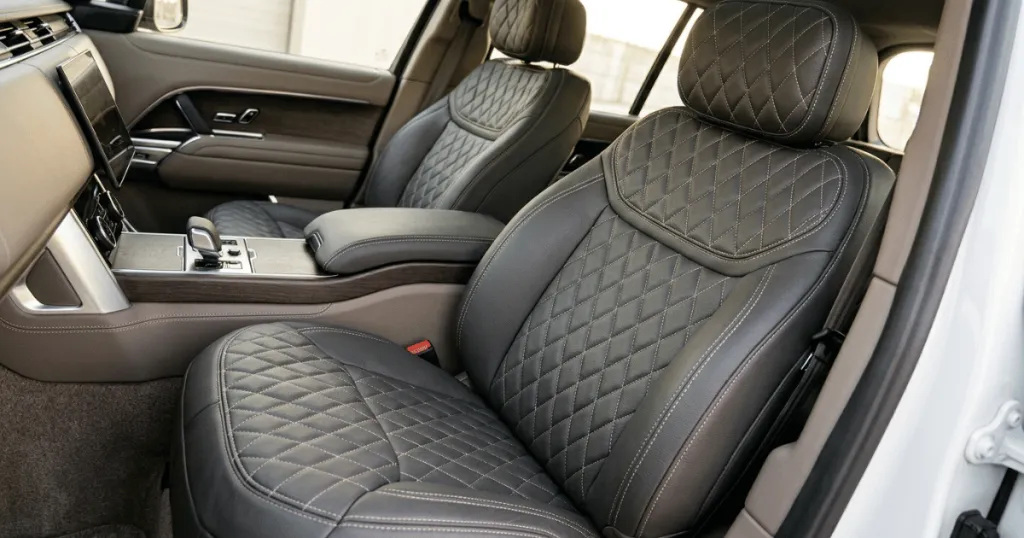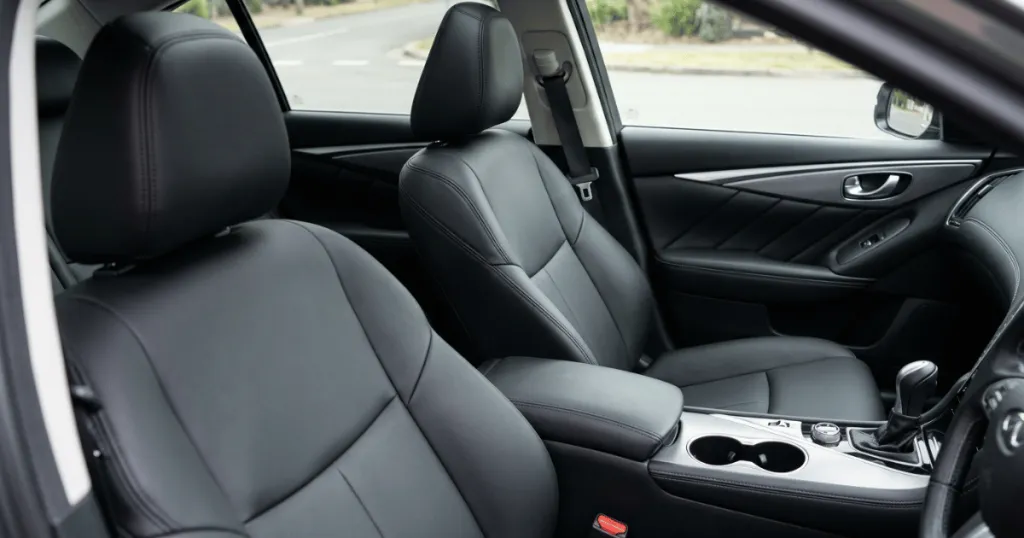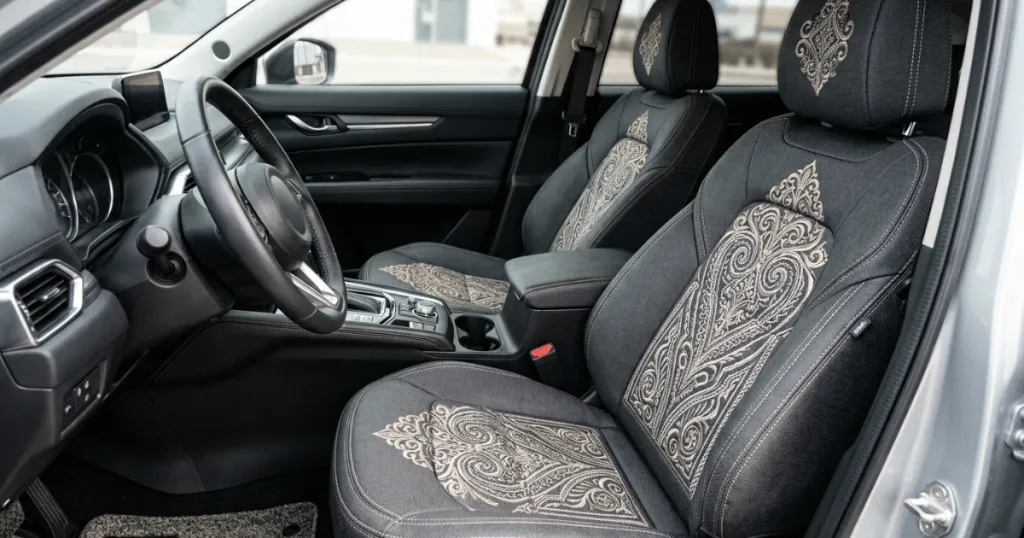
When you look at a vehicle interior, the seating is the primary focal point that dictates the overall cabin atmosphere. A sport seat cover is designed to bridge the gap between standard factory upholstery and the aggressive, ergonomic profile found in high-performance racing seats. These covers typically feature bolstered designs, high-contrast stitching, and specific material combinations that prioritize a firm, planted feel for the driver.
Selecting this style of cover is less about altering the vehicle’s original seat geometry and more about refining the tactile feedback and visual intensity of the cockpit. Whether you are aiming for a refined, rally-inspired look or simply want to add a bit of structural support to a flat factory seat, these covers serve as a functional layer that transforms the cabin’s personality.
Factors Influencing Your Choice
Ergonomic Bolstering and Support
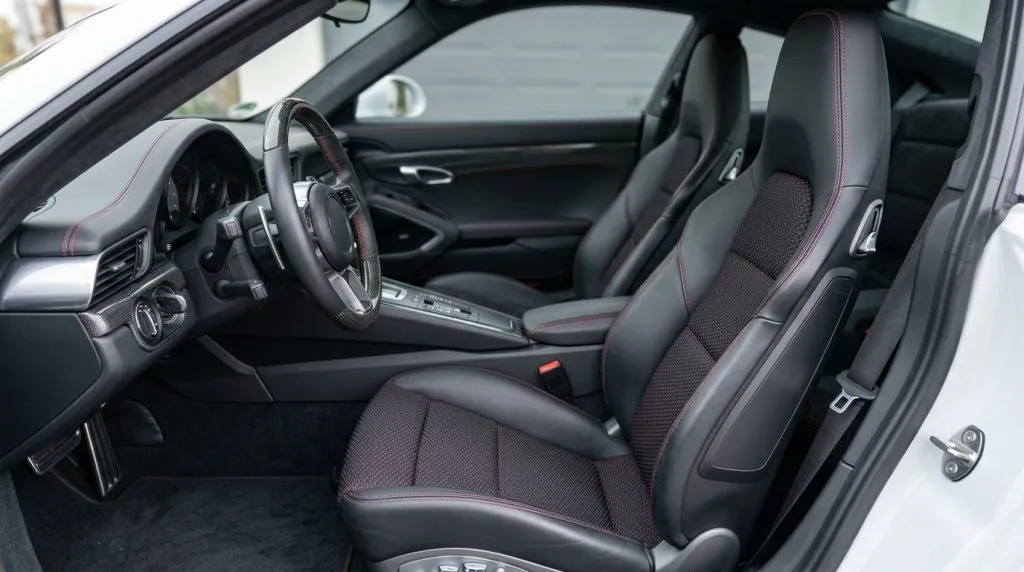
The most defining feature of a sport car seat cover is the inclusion of integrated foam bolsters. Unlike standard flat covers, these are engineered to provide lateral support, holding the driver more securely during cornering. This is particularly useful in vehicles with bench-style or flat captain’s chairs that lack natural contouring, as it creates a more immersive, performance-oriented driving position.
When selecting a cover with these features, consider the density of the padding. Firmer foam provides more consistent support over long distances, whereas softer, plush padding may feel comfortable initially but can compress too quickly under pressure. The goal is to achieve a balance where the cover adds structure without making the seat feel cramped or difficult to enter and exit.
Material Selection for High-Intensity Use
Materials play a critical role in how a sport seat cover performs under daily stress. Synthetic leathers and high-grade vinyls are common because they offer a smooth surface that allows for easy movement while remaining durable against friction. Some designs incorporate perforated sections in the center panels to improve airflow, which is essential if you spend long hours behind the wheel.
Neoprene is another popular choice for those who prioritize durability and water resistance. While it lacks the rigid structure of synthetic leather, it offers a snug, form-fitting appearance that mimics the look of professional racing gear. For those who prefer a more premium feel, microsuede or Alcantara-style fabrics are often used on the contact surfaces to provide grip and a soft touch, though these require more frequent cleaning to maintain their texture.
Real-World Context and Practical Application
Adapting to Different Seat Configurations
The effectiveness of a sport car seat cover depends heavily on the underlying seat type. In a standard bucket seat, a well-fitted cover can enhance the existing bolsters, making them feel more pronounced and supportive. The installation process usually involves tension straps and hooks that pull the material tight against the original upholstery, ensuring the cover does not shift during spirited driving.
For vehicles with bench seats, the challenge is maintaining a clean, cohesive look across the entire row. Sport-style covers for benches often use segmented stitching patterns to mimic the look of individual bucket seats. This creates a visual “racer” aesthetic across the back row, which is a popular choice for owners who want a consistent theme throughout the entire vehicle interior.
Managing Climate and Seasonal Comfort
Driving in extreme temperatures requires careful consideration of your cover material. In hot climates, full-coverage synthetic leather can trap heat, making the seat feel sticky. Opting for a sport seat cover that features breathable mesh inserts or center-panel perforations can significantly improve comfort by allowing air to circulate between the driver and the seat surface.
Conversely, in colder regions, materials like microsuede or neoprene tend to feel warmer to the touch than vinyl or leather. If you live in an area with dramatic seasonal shifts, you might prioritize a cover that balances these properties, perhaps by choosing a hybrid design that uses durable synthetic leather on the high-wear bolsters and a more breathable, temperature-neutral fabric in the center seating area.
Why the Right Fit Determines Longevity
The primary reason to invest time in selecting a high-quality sport seat cover is the direct impact on the longevity of your factory upholstery. A loose-fitting cover creates friction every time you move, which can act like sandpaper on the original fabric or leather underneath. A properly installed, form-fitting cover remains stationary, protecting the seat from daily wear and tear while simultaneously upgrading the cabin’s look.
Beyond protection, the visual impact of a well-fitted cover cannot be overstated. A sagging or wrinkled cover detracts from the interior’s design, whereas a taut, well-contoured sport seat cover complements the vehicle’s lines. By focusing on covers that match your specific seat dimensions, you ensure that the bolsters align correctly with your body, providing the intended ergonomic benefits rather than just an aesthetic layer that interferes with your natural driving posture.
Addressing Common Misconceptions
The Myth of Universal Compatibility
Many owners assume that a sport seat cover will provide a perfect, custom-molded fit regardless of the vehicle. In reality, seat geometry varies wildly between manufacturers and even between trim levels of the same model. A cover designed for a deep-bucket performance seat will not fit a flat, wide bench seat effectively. Always verify the specific seat type, whether it is a high-back bucket, a seat with a separate headrest, or a bench, before finalizing your choice.
Thicker Padding Does Not Equal Better Support
There is a common belief that adding more foam or padding automatically makes a seat more comfortable. This is often incorrect. Excessively thick padding can actually push your body out of alignment with the vehicle’s controls and steering wheel, leading to poor posture and fatigue. A high-quality sport seat cover should prioritize firm, supportive contouring that follows the natural shape of your back, rather than just adding bulk to the seat surface.
Maintenance and Long-Term Care for Performance Covers
Preserving the condition of a sport seat cover requires a more specialized cleaning routine than you would use for basic fabric upholstery. Because these covers often feature complex stitching patterns and bolstered foam sections, they are prone to dust accumulation in the seams. Regular vacuuming with a soft-bristled brush attachment is essential to prevent debris from grinding into the material fibers. For synthetic leather variants, using a pH-neutral cleaner helps preserve the supple texture of the material without causing it to crack or fade under UV exposure. Avoid harsh solvents that can strip the protective finish, as this will lead to premature peeling on the high-contact bolster areas.
Understanding the Role of Stitching and Design
The aesthetic appeal of a sport seat cover is frequently driven by its stitching design. Diamond-stitch patterns, for instance, are not merely decorative; they often serve to keep the padding in place, preventing the foam from shifting or bunching over time. When evaluating a cover, look for reinforced stitching at the stress points, specifically where the bolsters meet the seat base.
These areas endure the most pressure during entry and exit. A cover with double-stitched seams in these high-wear zones will generally offer a longer service life and maintain its structural shape better than single-stitched alternatives. This attention to detail ensures that the “sporty” look remains crisp and taut rather than becoming loose and baggy after a few months of daily use.
Evaluating Breathability and Thermal Regulation
Effective heat management is a critical factor when selecting a sport seat cover for your vehicle. Many performance-inspired covers prioritize a sleek, “leather-like” appearance, which can lead to discomfort during long summer drives. To mitigate this, look for models that integrate moisture-wicking fabrics or open-cell mesh panels in the lumbar and seat-bottom zones. These features facilitate airflow, reducing the “sticky” sensation often associated with non-porous materials. If you frequently drive in humid conditions, prioritizing these breathable zones is more important than the overall aesthetic, as it directly impacts your ability to remain focused and comfortable behind the wheel. Always check the manufacturer’s specifications regarding material breathability to ensure the cover aligns with your local climate requirements.
FAQ
Can a sport seat cover be used on seats with integrated side bolsters?
Yes, but you must ensure the cover is specifically designed to accommodate the existing contours. A poorly fitted sport seat cover will bunch up and lose its shape if it is not cut to match the specific curvature of your factory seat’s bolsters.
How do I keep the cover from shifting during daily use?
The key is proper tensioning. Most high-quality covers include a system of straps, clips, or discs that anchor the material deep into the seat’s crevices. Ensuring these are tightened correctly during installation is the most effective way to prevent the cover from sliding.
Do these covers affect the ability to clean the interior?
They generally make cleaning easier. Since the cover acts as a barrier, you can often remove it for a deeper clean or simply wipe down the surface material. Synthetic leather and vinyl options are particularly easy to maintain with a damp cloth.