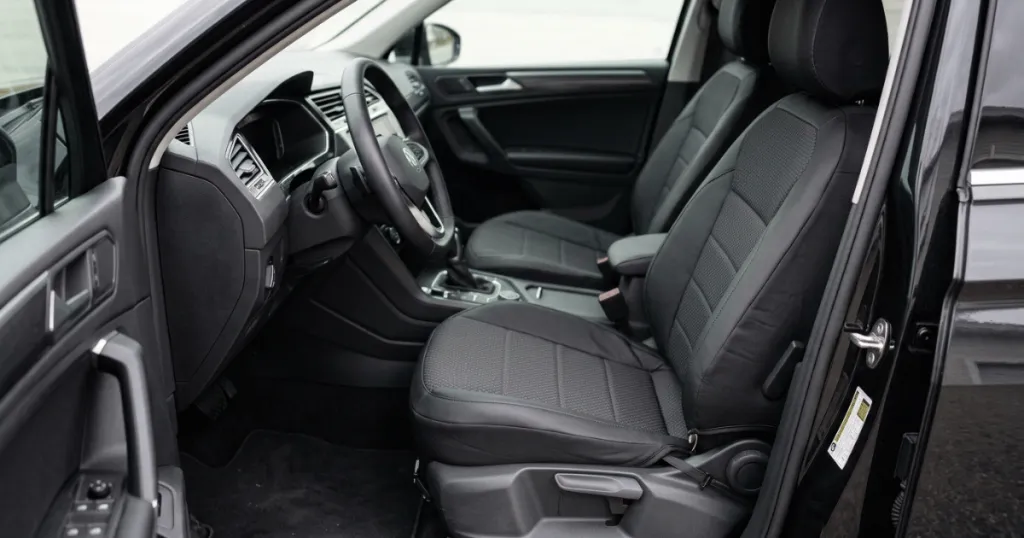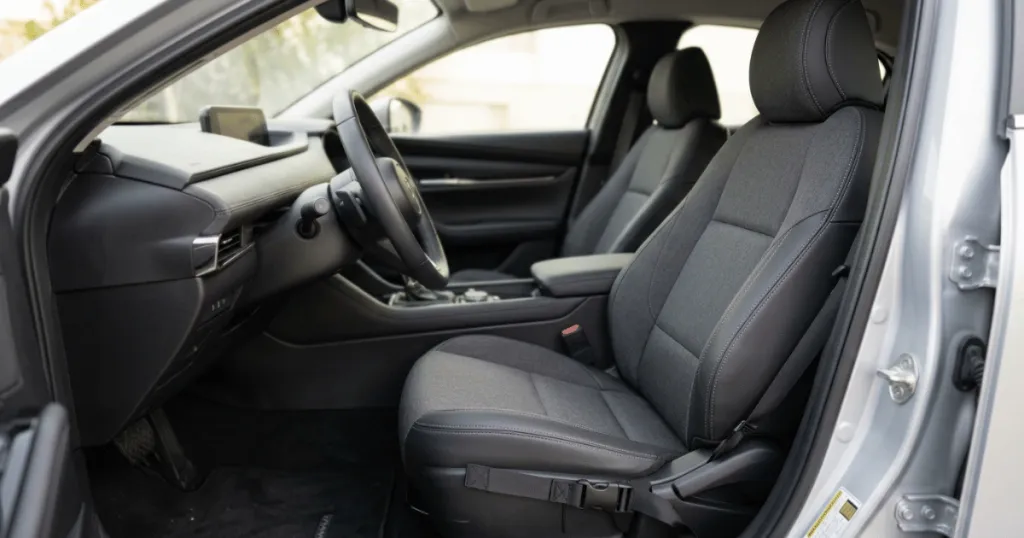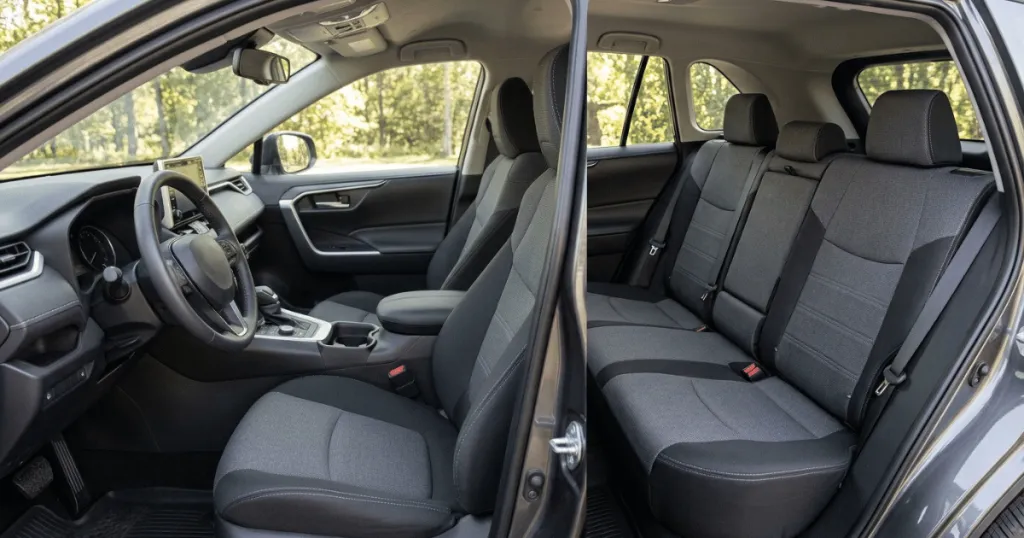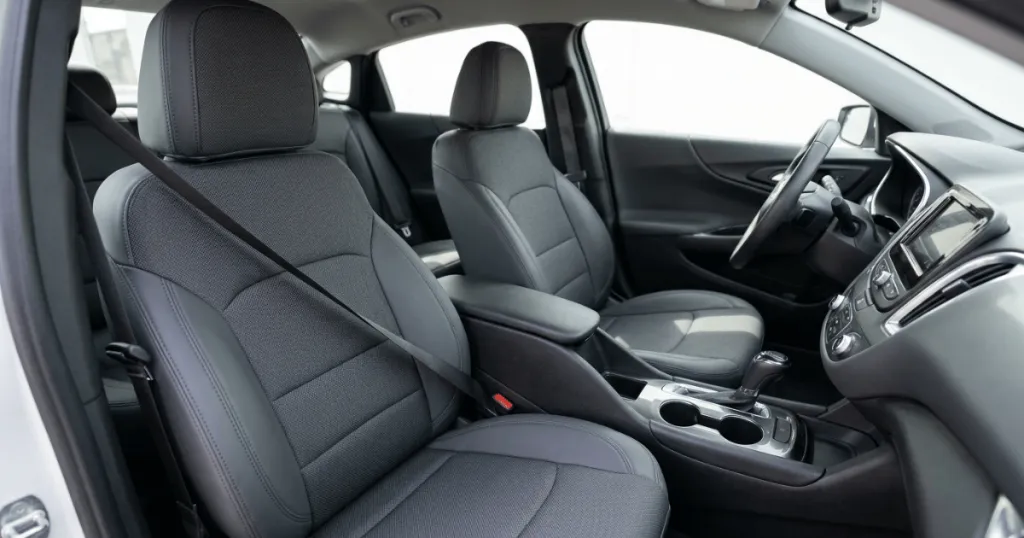
Many vehicle owners assume that any seat cover labeled as “universal” will provide a sufficient barrier against daily wear, but the reality often involves loose fabric, bunched material, and obstructed seat adjustments. A custom fit seat cover, by contrast, is engineered to mirror the exact dimensions, curves, and features of a specific seat model. By utilizing patterns derived from the manufacturer’s original upholstery specifications, these covers eliminate the slack and shifting common in generic alternatives.
When you choose a custom fit seat cover, you are investing in a product that accounts for the specific geometry of your vehicle’s interior, including the exact placement of headrests, seat-back levers, and lumbar support dials. This level of precision ensures that the cover remains taut against the foam padding, preventing the friction that eventually degrades both the cover and the underlying factory upholstery.
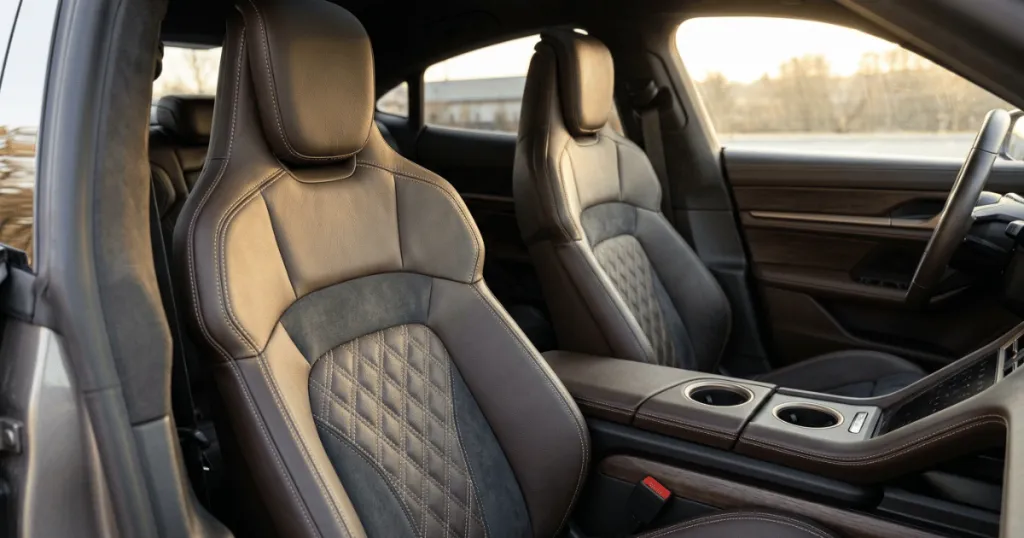
Factors Influencing Design and Performance
The performance of a tailored cover relies heavily on the integration of specific design elements that accommodate the complex shapes found in modern vehicle interiors. Unlike generic sheets, these covers are segmented into individual panels that correspond to the seat’s structural anatomy.
Contour Mapping and Pattern Precision
The primary advantage of a custom fit seat cover lies in the pattern-making process. Manufacturers use laser-measured templates that capture the depth of seat bolsters, the angle of the backrest, and the specific radius of the seat corners. This mapping ensures that the material does not bridge over gaps or pull tightly across areas where it should drape naturally. When the pattern is accurate, the cover behaves like a second skin, moving in tandem with the seat foam during entry and exit.
Attachment and Tensioning Systems
Custom designs incorporate specialized attachment points that utilize the hidden gaps between the seat back and the seat cushion. These systems often include heavy-duty elastic straps, S-hooks, or hook-and-loop fasteners that anchor the cover to the seat frame rather than just wrapping it around the exterior. This mechanical connection is vital for maintaining tension over time, as it prevents the cover from migrating or sliding when occupants shift their weight during transit.
Integration with Seat Features
Modern vehicle seats are rarely simple, flat surfaces; they often feature integrated armrests, fold-down consoles, and power adjustment controls. A custom fit seat cover is built with dedicated cutouts or separate sleeves for these components. This prevents the common frustration of having to remove a cover to access a center console or to adjust the seat’s recline angle, as the design allows for full range of motion and access to all factory controls.
Real-World Scenarios and Practical Application
The decision to use a custom fit seat cover often stems from specific usage patterns that threaten the longevity of factory materials. Whether you are dealing with high-frequency use or environmental stressors, the fitment style dictates how well the cover performs.
Protecting High-Traffic Zones
In vehicles used for rideshare services or frequent family transport, the side bolsters of the driver’s seat are the first to show signs of wear. A custom fit seat cover provides reinforced panels in these high-friction areas. Because the cover is tailored to the bolster’s shape, it stays in place, absorbing the abrasive force of sliding in and out of the vehicle. This prevents the factory leather or fabric from thinning and eventually tearing under the constant pressure of ingress and egress.
Managing Climate and Material Stress
Interior temperatures can fluctuate significantly, causing materials to expand and contract. In extreme heat, synthetic fabrics can become loose if they lack a proper structural fit. A custom fit seat cover is typically made from materials that are pre-shrunk or dimensionally stable, ensuring that the cover maintains its shape regardless of seasonal temperature swings. This stability is essential for maintaining a clean, professional appearance in the cabin, especially in vehicles where the interior aesthetic is a priority.
The Role of Exact Fitment in Upholstery Preservation
The most significant risk to factory upholstery is not just direct damage, but the accumulation of debris and friction caused by poorly fitted accessories. When a seat cover is loose, it creates a pocket between the cover and the seat. Over time, grit, sand, and small particles migrate into this space, acting like sandpaper against the seat surface every time someone sits down. A custom fit seat cover eliminates this gap, effectively sealing the upholstery from the abrasive effects of trapped debris.
Furthermore, a properly fitted cover maintains the intended ergonomics of the seat. If a cover is too loose or bunched, it can alter the pressure distribution of the seat foam, leading to discomfort on long drives. By conforming to the original design, a custom fit seat cover preserves the lumbar support and thigh cushioning that the vehicle manufacturer engineered into the seat. This ensures that the protective benefits do not come at the expense of your physical comfort or the structural integrity of the seat’s internal foam.
Clarifying Realities of Tailored Upholstery
Many owners believe that a custom fit seat cover is purely an aesthetic upgrade, but this overlooks the functional engineering involved in the installation. While the finished look is certainly more polished, the primary value is in the structural protection of the seat frame and foam. The assumption that “custom” simply means “more expensive” ignores the long-term cost of replacing factory upholstery, which is significantly higher than the cost of a well-fitted protective layer.
Another frequent misunderstanding is that these covers are difficult to install. While they do require more attention to detail than a one-size-fits-all product, they are designed with the DIY installer in mind. The complexity is not in the process itself, but in the precision of the fit; once the attachment points are secured, the cover is designed to remain stable for years. Investing in a custom fit seat cover serves as a long-term strategy to safeguard the interior condition of your vehicle against daily wear.
Material Selection and Performance Trade-offs
When selecting a custom fit seat cover, the material choice is as critical as the fitment itself. Because these covers are designed to be permanent or semi-permanent fixtures, the material must withstand years of use. For instance, neoprene is often chosen for its water-resistant properties and soft, cushioned feel, making it ideal for outdoor enthusiasts. However, it requires specific care to prevent moisture buildup underneath. Conversely, high-grade faux leather offers a premium look that mimics factory upholstery but may require more frequent cleaning to prevent surface cracking in high-UV environments.
Choosing the right material requires balancing the need for airflow against the requirement for rugged protection. While heavy-duty canvas or thick polyester blends offer superior resistance to tears and punctures, they may feel less breathable than lighter fabrics. A custom fit ensures that even these thicker, more rigid materials follow the contours of the seat, preventing the “baggy” look that often plagues universal heavy-duty covers.
Installation Nuances for Complex Seat Configurations
The installation process for a custom fit seat cover is a testament to the engineering behind the product. Unlike universal covers that rely on simple ties, custom covers often involve a series of steps to ensure the material is properly tensioned. This might include removing headrests, threading straps through tight crevices, or utilizing specialized tools provided by the manufacturer to tuck the fabric into the seat seams. While this requires more effort, the result is a seamless finish that is often indistinguishable from the original upholstery.
Owners should also consider the impact of seat-mounted features like integrated pockets or lumbar adjustment knobs. A well-designed custom cover will account for these by providing precise cutouts or reinforced openings. This attention to detail prevents the fabric from fraying at the edges and ensures that the seat’s original functionality remains uncompromised. When installing, taking the time to properly align these openings is the difference between a professional-looking interior and one that appears cluttered.
Long-Term Maintenance and Care Strategies
Once installed, a custom fit seat cover requires a maintenance routine that aligns with the material type. Because the cover is fitted tightly, it is less likely to trap large debris, but fine dust can still settle over time. Regular vacuuming is recommended to prevent particles from working their way into the fabric fibers. For liquid spills, the custom fit design is often an advantage; because the cover is taut, liquids are less likely to pool in deep crevices, making them easier to wipe away before they can penetrate the underlying foam.
Periodically checking the attachment points is also a good practice. Over time, the constant vibration of the vehicle and the shifting of passengers can cause straps to loosen slightly. A quick inspection every few months ensures that the cover remains anchored to the seat frame, maintaining the tension that is vital for both protection and aesthetics. By treating the cover as a structural component of the seat rather than just an accessory, owners can significantly extend the life of their interior.
FAQ
Does a custom fit seat cover require professional installation?
Most custom fit seat cover products are designed for DIY installation. While they require more time and attention to detail than universal covers due to their precise patterns and attachment points, they typically come with vehicle-specific instructions that guide you through the process.
Can I still use my seat’s power controls with a custom fit cover?
Yes. Because a custom fit seat cover is patterned specifically for your vehicle’s seat model, it includes dedicated openings or separate sections for power buttons, levers, and adjustment dials, ensuring full functionality of all seat features.
How do these covers stay in place compared to universal types?
Custom fit seat covers use robust anchoring systems, such as S-hooks, elastic straps, or specialized clips, that secure the material directly to the seat frame. This prevents the shifting and bunching often associated with universal covers that rely solely on surface tension.