When you prioritize longevity and rugged performance for your vehicle’s interior, a cordura car seat cover often stands out as the most practical investment. Unlike standard polyester or cotton blends that may fray under constant friction or heavy loads, this high-tenacity nylon fabric is engineered specifically to withstand extreme physical abuse. It is a material born from industrial and military applications, now adapted to serve the needs of vehicle owners who face daily challenges like mud, sharp tools, or heavy equipment.
Selecting the ideal material for your specific seating environment requires weighing the intensity of your daily routine against the physical characteristics of the fabric. A cordura car seat cover provides a distinct advantage in environments where traditional upholstery would fail, making it a staple for work trucks, off-road vehicles, and family cars exposed to high-traffic wear. By understanding how this material behaves under pressure, you can better decide if it aligns with your specific interior protection goals.
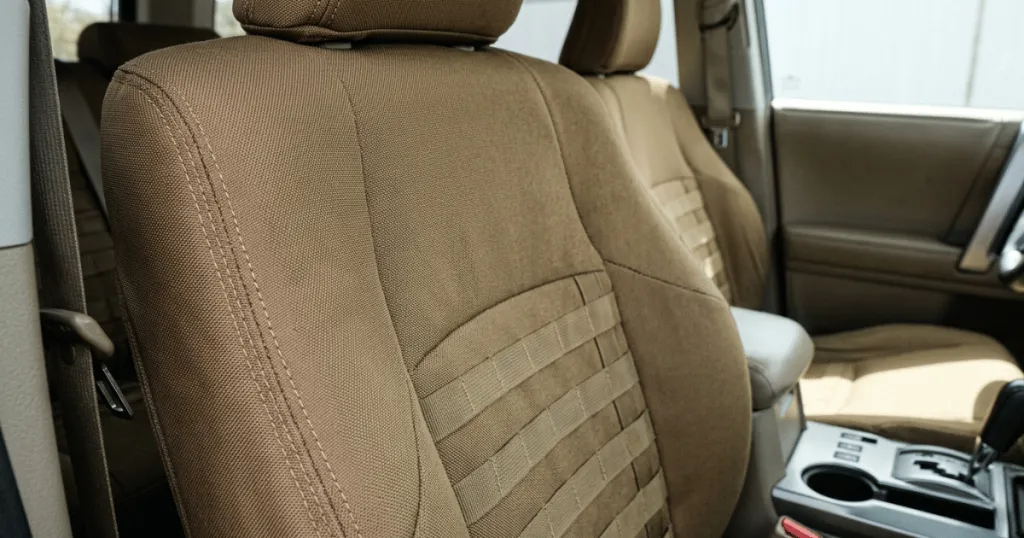
The Engineering Behind Cordura Fabric
Cordura is a specialized high-tenacity fiber technology rather than just a generic brand name. It was originally developed for durability in demanding environments, which is exactly why it translates so well to the automotive interior space. The material is characterized by its high strength-to-weight ratio, meaning it provides significant protection without adding excessive bulk to your seat cushions.
Abrasion and Tear Resistance
The primary reason owners select this material is its exceptional resistance to abrasion. In a vehicle, seats are subjected to constant sliding, shifting, and friction from passengers and gear. Cordura fibers are designed to resist pilling, fraying, and tearing even when exposed to rough surfaces or heavy-duty hardware. This makes it an ideal barrier for those who frequently transport cargo or work in trades where clothing might have rivets or heavy zippers.
Moisture Management and Liquid Resistance
While not inherently waterproof in its raw state, most automotive-grade cordura is treated with a durable water-repellent (DWR) finish. This coating allows liquids to bead up on the surface rather than soaking immediately into the foam padding beneath. In practice, this means that spills from water bottles or mud tracked in from a job site can often be wiped away before they cause permanent staining or odor issues, provided you attend to them promptly.
Real-World Scenarios for Heavy-Duty Covers
The utility of a cordura car seat cover becomes most apparent when you look at specific, high-stress usage scenarios. It is rarely the first choice for a luxury sedan where soft-touch materials are preferred, but it is frequently the only choice for vehicles that function as mobile workspaces or outdoor adventure hubs.
Construction and Field Work
For individuals using their vehicle to haul tools or equipment, the interior is often treated as an extension of the job site. A cordura car seat cover functions as a rugged outer shell that shields your upholstery from the abrasive contact of heavy tool belts, metal fasteners, and grit. Because the fabric is so tightly woven, it prevents sharp objects from snagging the factory upholstery, effectively extending the lifespan of your vehicle’s original seats by years.
Off-Roading and Outdoor Recreation
Outdoor enthusiasts often deal with mud, sand, and moisture. When you return from a hike or a trail ride, your clothing is rarely clean. The dense weave of cordura prevents fine particles like sand from filtering down into the seat foam, which is a common cause of premature wear in standard fabric seats. Furthermore, the material is generally easy to vacuum, as dirt tends to sit on the surface rather than becoming embedded in the fibers.
Practical Considerations for Daily Use
While the durability of these covers is unmatched, they do come with specific characteristics that affect your daily driving experience. It is important to recognize that this material is designed for function over form, which influences how it feels and how it fits your seats.
Texture and Comfort Profiles
Cordura has a distinct, slightly coarse texture compared to smooth leather or soft velour. Some drivers find this texture beneficial because it provides a bit of grip, keeping you firmly in place during turns. However, if you prefer a plush, soft-touch interior, you may find the material feels utilitarian. Over time, the fabric does soften slightly with use and cleaning, but it will never mimic the suppleness of natural or synthetic leathers.
Breathability and Temperature Regulation
Because the material is so dense, it does not offer the same level of airflow as mesh or perforated fabrics. In extremely hot climates, you might notice that the seat feels warmer than a standard cloth seat. However, because it is a synthetic nylon-based material, it does not retain heat in the same way that heavy vinyl or thick PU leather can. Many owners find that the trade-off in breathability is well worth the gain in long-term durability.
Addressing Common Misconceptions About Fabric Strength
A frequent error in judgment involves equating thickness with durability. Many shoppers assume that a thicker, padded cover will last longer than a thinner, high-tenacity fabric. In reality, the chemical composition of the fiber matters far more than the thickness of the material. A cordura car seat cover is often thinner than cheap, foam-backed polyester covers, yet it will significantly outperform them in tear strength and abrasion testing.
Another point of confusion is the assumption that these covers are completely maintenance-free. While they are highly resistant to damage, they are not immune to dirt accumulation. Over time, dust and oils from your skin will settle into the weave. Regular maintenance, such as vacuuming and occasional spot cleaning with a mild detergent, is necessary to keep the fabric looking fresh. Neglecting this maintenance can lead to a buildup of grime that eventually wears down the water-repellent coating, making the material more susceptible to staining.
The Science of Weave Density and Longevity
To understand why Cordura remains a gold standard in automotive textiles, one must look at the denier count and the weave structure. Denier refers to the thickness of the individual fibers used in the fabric. Higher denier counts typically correlate with increased ruggedness, which is why you will often see these covers marketed with specific denier ratings. This density creates a physical barrier that prevents debris from penetrating the seat foam, which is crucial for maintaining the structural integrity of the seat cushion over time.
Furthermore, the synthetic nature of the nylon fibers ensures that the material is resistant to common environmental stressors like UV degradation. While no fabric is entirely immune to the sun, high-quality Cordura is often treated with UV stabilizers that prevent the color from fading prematurely. This is a significant advantage for owners of vehicles with large windows or those who park outdoors frequently, as it keeps the interior looking uniform and professional for longer periods.
Installation Dynamics and Fitment
Because Cordura is a stiff, durable material, the installation process requires a bit more patience than installing thin, stretchy spandex or polyester covers. The material does not have the same “give” as cheaper alternatives, which is actually a benefit for the final fit. Once installed, a well-patterned Cordura cover tends to hold its shape, resisting the sagging or bunching that can occur with softer, more elastic materials. When installing, ensure that all straps and hooks are secured firmly, as the weight and rigidity of the fabric can put more tension on the mounting points than lighter fabrics.
Final Guidance on Choosing Your Interior Protection
When you are weighing whether a cordura car seat cover is the right choice for your vehicle, look at how you actually use your seats on a weekly basis. If your primary goal is protecting your factory upholstery from heavy wear, sharp objects, and moisture, this material is likely your best option. It provides a level of peace of mind that softer, more aesthetic materials simply cannot match.
If you prioritize a soft, plush feel or a high-end luxury aesthetic, you might find that the utilitarian nature of cordura is not the right fit for your personal preferences. However, for those who need a seat cover that works as hard as they do, the investment in this high-tenacity fabric pays off in the long run. By choosing a quality cordura car seat cover, you are prioritizing the preservation of your vehicle’s interior against the realities of daily, heavy-duty use.
FAQ
Is a cordura car seat cover waterproof?
Most cordura car seat covers are treated with a water-repellent finish, which allows them to resist moisture and spills. However, they are generally not 100% waterproof in the same way as rubber or heavy vinyl, so liquids should still be wiped up promptly.
How do I clean a cordura car seat cover?
Regular vacuuming is the best way to remove loose dirt and sand. For stains or spills, use a mild soap and water solution with a soft brush or cloth. Avoid using harsh chemicals or bleach, as these can damage the protective coating of the fabric.
Does cordura fabric feel rough against the skin?
Cordura has a more textured, rugged feel compared to soft fabrics like velour or leather. While it is not abrasive enough to damage clothing, it is noticeably firmer, which provides a stable, grippy surface for the driver and passengers.