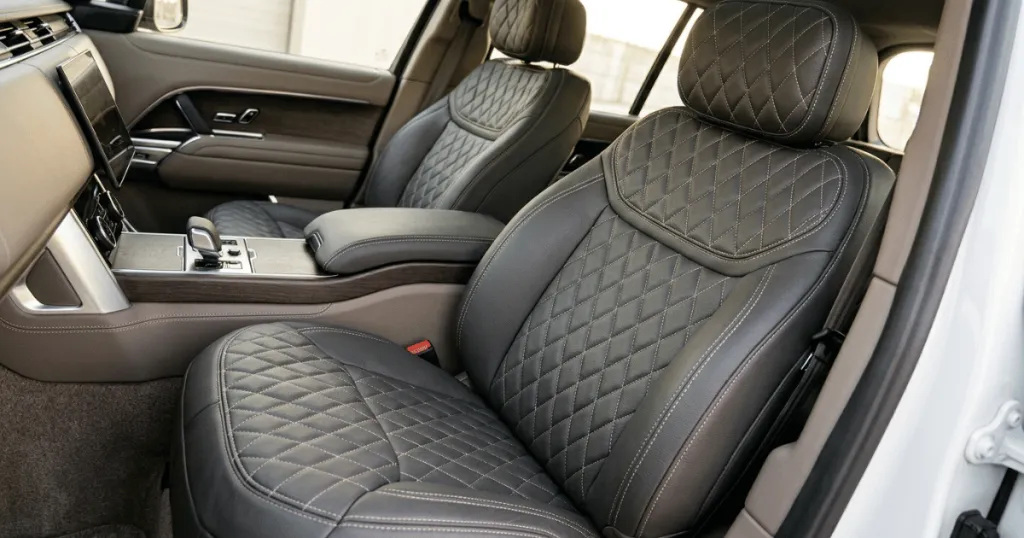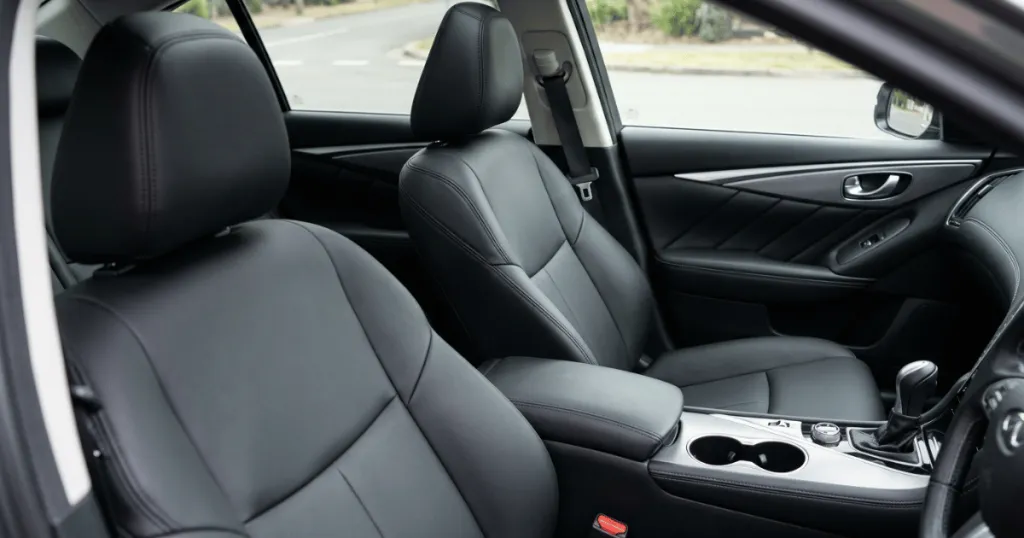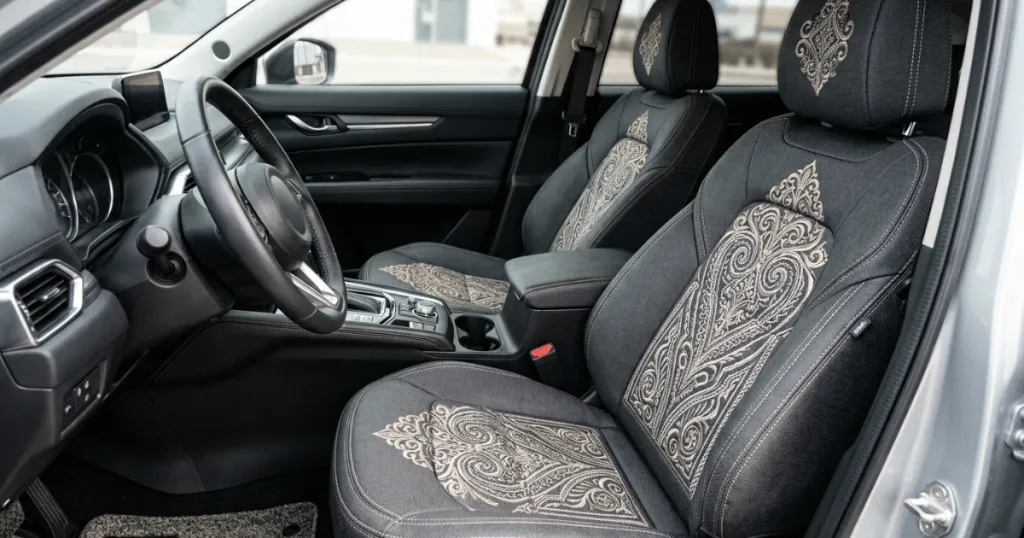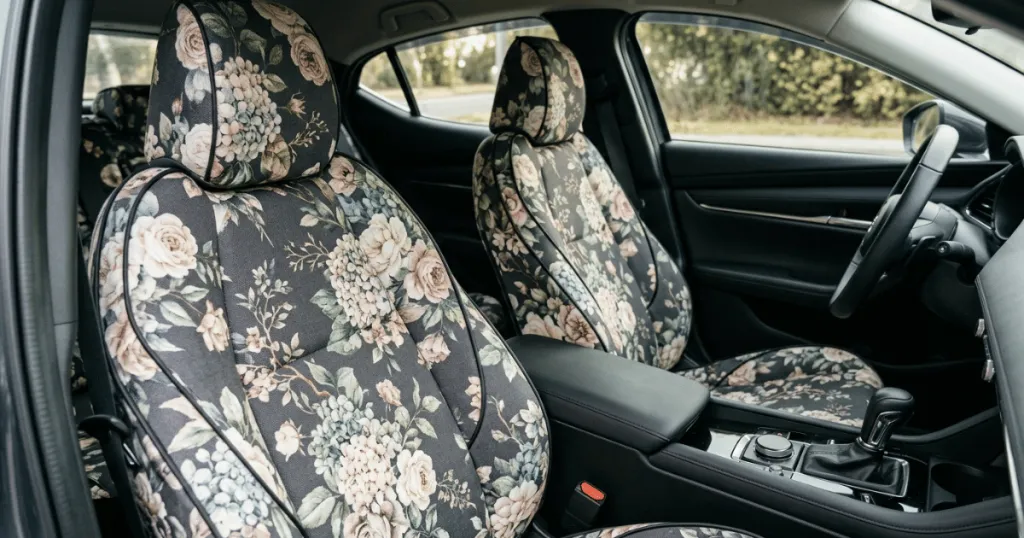
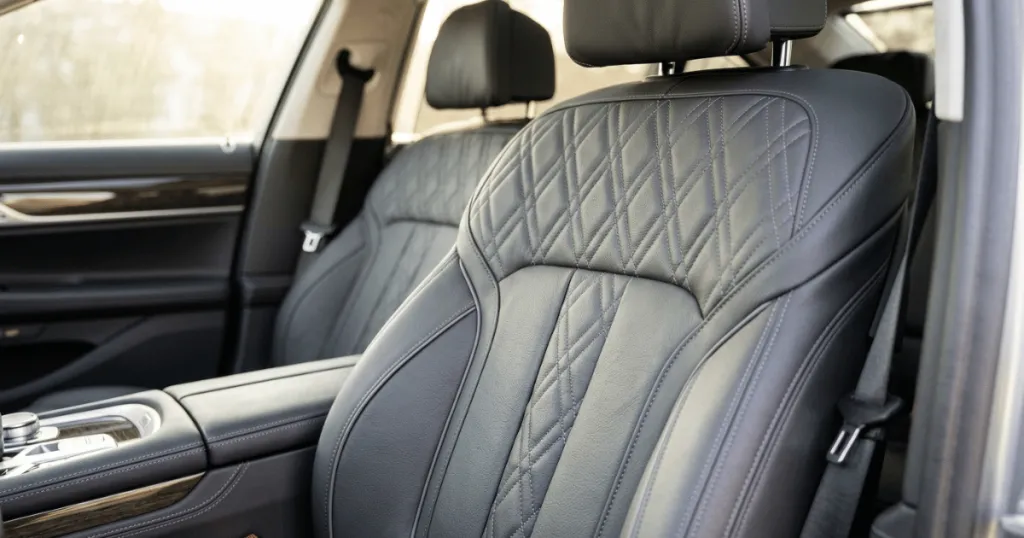
Choosing a quilted seat cover is often about more than just protecting the underlying upholstery; it is a deliberate design choice that shifts the interior atmosphere toward a more refined, custom-tailored look. The diamond-stitch or linear-quilted pattern adds visual texture to flat seat surfaces, effectively breaking up the monotony of standard factory fabric or plain leather.
When you integrate this style into your vehicle, you are introducing a luxury-inspired element that mimics high-end automotive interiors. Whether you drive a daily commuter or a weekend project car, the way these covers interact with your existing dashboard, door panels, and headliner determines whether the final result feels cohesive or cluttered. By balancing the scale of the stitching with the color palette of your cabin, you can achieve a sophisticated transformation that feels intentional rather than like an afterthought.
The Role of Stitching Patterns and Density
The visual weight of your interior is largely dictated by the scale of the quilting. Large-scale diamond patterns tend to create a bold, modern, and high-contrast look that draws the eye immediately. These work exceptionally well in vehicles with spacious, open cabins where the seats are a primary focal point. Conversely, tight, micro-quilted patterns offer a more subtle, sophisticated texture that mimics high-end European luxury upholstery. If your vehicle has a busy dashboard with many buttons and screens, a tighter stitch pattern often prevents the interior from feeling visually overwhelmed.
Beyond the aesthetic, the density of the stitching plays a role in how the material behaves over time. A denser pattern, where the stitching lines are closer together, creates a firmer surface that resists sagging and maintains its shape better under the weight of passengers. This is particularly important for high-traffic areas like the driver’s seat bottom. When evaluating a diamond-stitch seat cover, consider how the intersection of the threads creates a grid; a higher density of these intersections often results in a more durable product that resists the common issue of material stretching or bunching.
Material Selection for Quilted Finishes
Most quilted seat covers utilize synthetic leather or high-grade polyurethane (PU) because these materials hold the shape of the stitching better than loose fabrics. Faux leather provides a smooth, uniform surface that highlights the depth of the quilted indentations, creating a play of light and shadow across the seat. If you prefer a softer feel, some options incorporate microfiber or suede-like inserts within the quilted panels. These materials add a tactile dimension, making the seat feel more cushioned and comfortable during long drives, though they often require more frequent vacuuming to keep the crevices free of debris.
When selecting materials, consider the climate of your region. In warmer environments, non-porous synthetic leather can feel restrictive. Look for versions that feature perforated centers, which allow for better airflow through the quilted sections. This design choice maintains the luxury aesthetic while providing a necessary functional benefit for daily comfort. In colder climates, the added layer of foam padding typically found in quilted covers provides a welcome thermal barrier between the occupant and the cold factory seat surface.
Styling and Color Coordination Strategies
Integrating a new seat cover style requires an honest assessment of your vehicle’s existing color palette. A common mistake is attempting to match the cover color exactly to the factory seats, which often leads to a “near-miss” that looks like a failed repair rather than an intentional upgrade. Instead, look for complementary tones or intentional contrasts that elevate the cabin.
Harmonizing with Interior Trim
If your vehicle features wood grain, brushed aluminum, or carbon fiber trim, your seat cover choice should respect those textures. For interiors with dark wood or piano black trim, a black or deep charcoal quilted cover with matching or subtle grey stitching creates a seamless, executive-style aesthetic. If your cabin uses lighter materials, such as silver accents or light-colored plastics, a tan or saddle-brown quilted cover can introduce a warm, classic luxury feel that bridges the gap between modern and traditional design.
Consider the “flow” of your interior. If your door panels have specific stitching details, try to find a quilted seat cover that echoes that same thread color or pattern style. This creates a sense of continuity that makes the aftermarket addition look like a factory-installed option. Avoid introducing a third or fourth color into the cabin; if your interior is already black and silver, adding a tan seat cover may create too much visual noise.
Managing Pattern Scale and Color Contrast
High-contrast stitching, such as white thread on black leather, is a hallmark of the quilted look. However, this level of contrast is a permanent design statement. If you use your vehicle for messy activities, like hauling gear or transporting pets, the white thread will inevitably trap dust and dirt, making the pattern look dingy over time. In these scenarios, choosing a tone-on-tone approach, where the thread color is only slightly lighter or darker than the base material, provides the desired texture without the high-maintenance upkeep of high-contrast stitching.
When choosing a pattern, think about the geometry of your seats. If your seats have complex curves or aggressive bolsters, a large, rigid diamond pattern might struggle to conform, leading to unsightly gaps. In these cases, a smaller, more flexible pattern or a linear “tuck-and-roll” style is often more forgiving and will look more natural as it wraps around the contours of the seat.
Matching Styles to Vehicle Use Cases
The utility of your vehicle should dictate the durability requirements of your chosen finish. A quilted seat cover in a luxury sedan serves a different purpose than one in a work-oriented truck or a family SUV.
Daily Drivers and Commuter Vehicles
For a daily driver, comfort and ease of maintenance are paramount. Look for quilted covers that use a high-density foam backing, which provides extra lumbar support during long commutes. Since you spend significant time in the seat, the material should be breathable. Perforated leather or synthetic leather centers within the quilted sections help prevent the “stickiness” often associated with non-porous materials in warm climates.
Family and High-Traffic Vehicles
When the vehicle is used for family transport, durability is the primary constraint. Avoid delicate fabrics or light-colored suede that will absorb spills or show wear from car seats and footwear. A durable, wipeable faux leather with a heavy-duty quilted pattern is ideal here. The stitching should be reinforced to resist snagging from zippers or buttons on clothing, which keeps the quilted finish looking sharp and well-maintained even with heavy daily use.
Consider the impact of child seats. If you frequently install and remove car seats, the pressure points can flatten the quilted padding over time. Choosing a cover with a firmer, more resilient foam backing can help mitigate this, allowing the material to bounce back after the car seat is removed.
Commercial and Rideshare Environments
In a commercial setting, the interior needs to look professional and clean at all times. A quilted seat cover provides an immediate upgrade in perceived quality for passengers. Stick to neutral, dark colors that hide minor scuffs and are easy to sanitize between trips. The design should be minimalist; avoid overly aggressive diamond patterns that might look out of place in a professional transport context, opting instead for clean, horizontal or vertical quilting.
Practical Considerations for Fit and Maintenance
A quilted seat cover only looks as good as its fit. Because the quilting process adds thickness to the material, these covers are often stiffer than standard flat covers. This stiffness can make installation more challenging, as the material does not stretch as easily around seat contours, bolsters, and headrests.
Ensuring a Proper Fit
Before installation, ensure the seat is completely clean and free of debris. Any bumps or trapped objects under the cover will be magnified by the quilted padding, creating an uneven, lumpy appearance. When installing, focus on securing the anchor points firmly. If the cover shifts, the quilted pattern will become misaligned with the seat’s natural shape, which is immediately noticeable to the eye. Take your time to smooth out the material from the center outward to ensure the diamond or linear lines remain straight and symmetrical.
Pay close attention to the headrest and seatback interface. Many quilted covers come as a single piece, but if your vehicle has adjustable headrests, you may need to ensure the cover allows for proper clearance. If the cover is too tight, it can pull on the seams, causing the quilting to pucker or the thread to snap prematurely.
Cleaning and Long-Term Durability
The primary maintenance challenge with a quilted seat cover is the accumulation of dust and crumbs within the stitching channels. A soft-bristle brush is your best tool for regular maintenance, as it can reach into the crevices without damaging the material. For spills, use a damp cloth and a mild, non-abrasive cleaner. Avoid heavy chemical treatments that can stiffen the material or cause the stitching thread to fray over time. If you notice the thread beginning to loosen, address it immediately with a fabric-safe adhesive or by trimming stray fibers to prevent the entire quilted section from unraveling.
For deep cleaning, avoid soaking the seat cover. Because of the foam backing often used in quilted designs, excessive moisture can get trapped inside, leading to odors or mold growth. Instead, use a “damp-wipe” method, focusing on the surface area and drying it immediately with a clean microfiber towel.
Common Styling Mistakes and How to Fix Them
One of the most frequent errors is over-accessorizing the interior. If you install a bold, diamond-stitched quilted seat cover, avoid adding matching quilted floor mats or steering wheel covers. This creates a “pattern overload” that makes the cabin feel smaller and chaotic. Instead, let the seats be the primary design element and keep other accessories neutral.
Another common issue is ignoring the seat’s existing shape. If your seats have aggressive side bolsters, a rigid quilted cover may not sit flush, leaving gaps that look unfinished. If you find your cover is not conforming to the seat shape, check if the material is too thick for your specific seat geometry. Sometimes, a more flexible, thinner quilted material is a better choice for highly contoured sport seats, while thicker, more structured covers are better suited for flat, bench-style seating. When you prioritize structural compatibility alongside your aesthetic goals, you ensure that your quilted seat cover enhances the vehicle rather than detracting from its original design.
Finally, consider the long-term aging of the material. Faux leather can sometimes crack if exposed to extreme UV rays over several years. If your vehicle is parked outdoors frequently, consider using a sunshade to protect the interior. This simple habit preserves the integrity of the quilted material and prevents the stitching from drying out, helping your interior upgrade maintain its high-quality appearance for years to come.
FAQ
Does a quilted seat cover require special cleaning tools?
While not strictly required, a soft-bristle brush is highly recommended for a quilted seat cover to effectively remove dust and debris from the stitching channels without damaging the material.
Can I use a quilted seat cover in a hot climate?
Yes, but prioritize materials with perforated centers or breathable synthetic fabrics. Avoid thick, non-porous vinyl, as it can trap heat and become uncomfortable in direct sunlight.
Will a quilted seat cover fit on seats with side bolsters?
Fit depends on the flexibility of the material. For seats with aggressive bolsters, look for quilted covers specifically designed with flexible side panels to ensure the material sits flush against the seat contours.