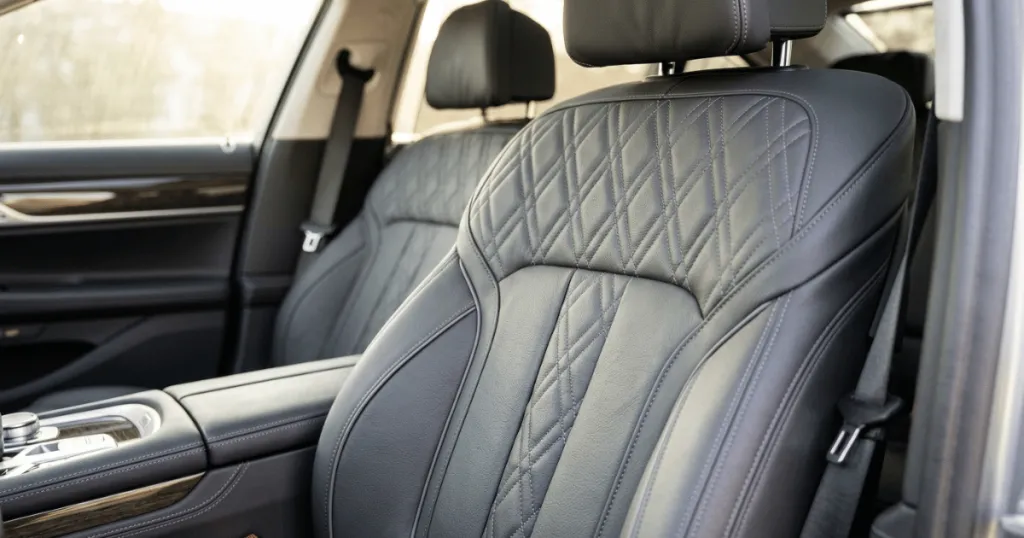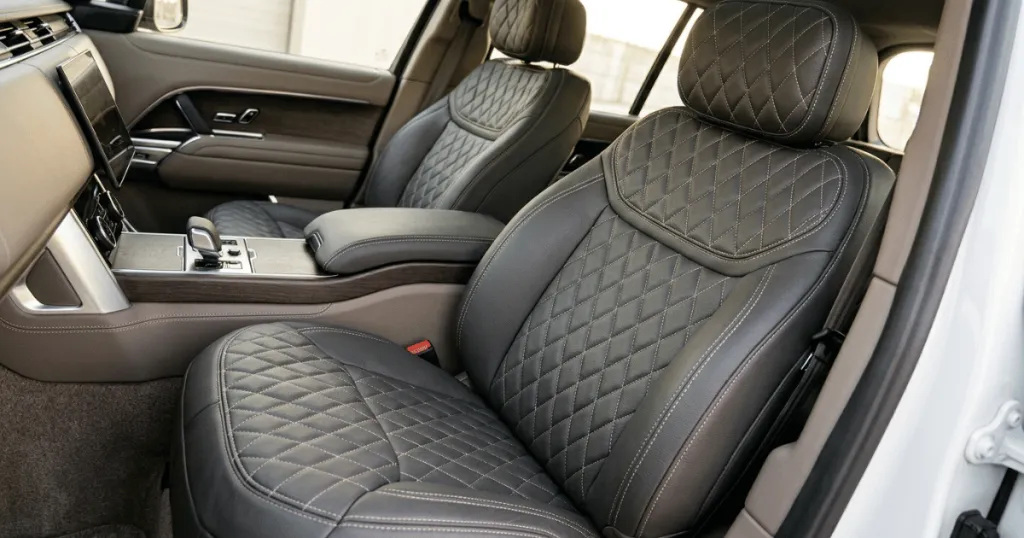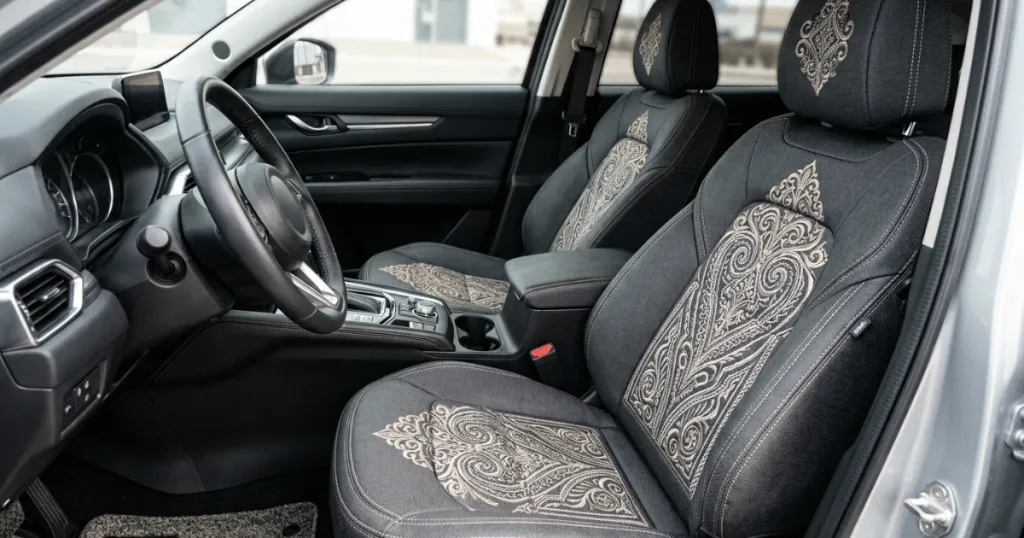
When you decide to install a racing seat cover, you are usually looking to transform the aesthetic of your vehicle’s interior while adding a layer of protection to the original upholstery. These covers are designed to mimic the high-bolstered, aggressive look of performance bucket seats, often featuring distinct patterns like diamond-stitching or contrast piping. Unlike standard universal covers, these designs prioritize a snug, sporty silhouette that changes the entire feel of your driving environment.
Before committing to a specific design, consider how the physical structure of your existing seats interacts with the cover’s shape. A racing seat cover typically features deep side bolsters and integrated headrest sections, which may not align perfectly with every factory seat design. Selecting the right version requires balancing your desire for a performance-inspired look with the practical realities of your vehicle’s specific seat geometry.
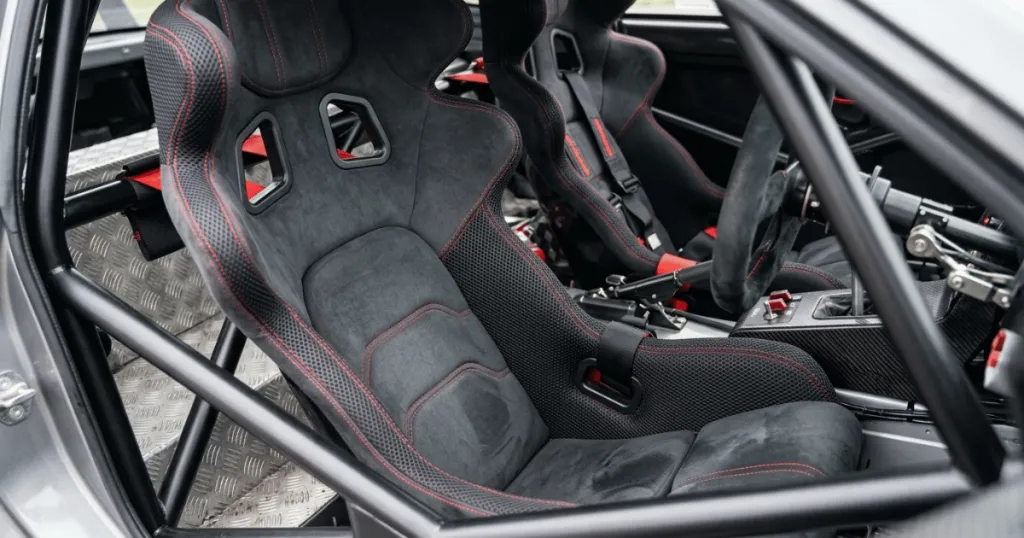
Selecting the Right Racing Seat Cover for Your Interior
The visual impact of a racing car seat cover often comes down to the materials used in its construction. Manufacturers frequently combine different textures to achieve that authentic track-ready appearance, blending synthetic leathers with breathable mesh or suede-like fabrics.
Synthetic Leather and PU Options
Synthetic leather is the most common material for achieving a premium, high-contrast look. It provides a smooth surface that is easy to wipe down, which is beneficial if you use your car for daily commuting. These covers often feature reinforced stitching in high-stress areas to maintain their shape over time, preventing the sagging that can occur with thinner, cheaper alternatives. When evaluating these, look for a consistent grain texture that mimics genuine hides without the high-maintenance requirements of natural leather.
Breathable Fabric and Mesh Inserts
If you live in a warmer climate, a full-synthetic leather cover might become uncomfortable during the summer months. Many racing-style designs incorporate breathable mesh or perforated fabric panels in the center section of the seat. This design choice allows for better airflow, reducing the heat buildup that often happens with solid-material covers. When choosing, look for covers that place these breathable materials exactly where your back and thighs make the most contact. This strategic placement ensures that the performance-inspired aesthetic does not come at the cost of driver fatigue during long trips.
Real-World Context for Daily Use
Installing a racing car seat cover changes how you interact with your vehicle every day. Because these covers are modeled after performance seating, they often have more pronounced side bolsters than standard factory seats. This can subtly alter how you enter and exit your vehicle, as you may need to adjust your movement to clear the bolstered edges.
Managing Bolster Height and Seat Entry
If your vehicle has low-profile factory seats, a thick racing seat cover can effectively create a bucket-seat feel. While this adds to the aesthetic, it can make getting in and out of a low-slung sedan slightly more involved. You might find yourself shifting your weight differently to avoid putting excessive pressure on the side bolsters, which helps preserve the material’s structural integrity during frequent daily use.
Compatibility with Different Seat Configurations
Not all seats are created equal, and the way a cover attaches to a bucket seat differs from a bench seat. For bucket seats, the cover must accommodate the gap between the seat back and the base. Ensure that the model you choose has the necessary straps or tensioners to pull the material tight into that crease. A loose fit in this area is the most common cause of premature wear, as the material will constantly shift and rub against the seat frame every time you move. Always verify the seat-back width and headrest style of your vehicle before finalizing your choice, as these dimensions dictate the overall fitment success.
Why Seat Geometry and Installation Precision Matter
The longevity of your racing seat cover depends heavily on how well it conforms to your specific seat shape. A common mistake is assuming that a universal-fit cover will look perfectly tailored on every seat type. In practice, the more complex the seat design, such as those with integrated headrests or adjustable thigh supports, the more challenging it is to get a clean, wrinkle-free installation.
When the cover is installed with proper tension, it acts as a secondary skin for your upholstery. If the straps are loose, the cover will slide against the original fabric, which can lead to friction damage over time. Taking the time to secure every anchor point, tucking the material deep into the crevices, and smoothing out the surface during the initial install prevents these issues. Think of the installation process as a one-time investment in the long-term appearance of your interior. Maintaining visual consistency requires careful placement; if the diamond-stitching or piping patterns are slightly offset, the cabin’s intended symmetry will appear distorted.
Addressing Common Misconceptions About Performance-Style Covers
A frequent assumption is that a racing seat cover will provide the same structural support as an actual performance bucket seat. While these covers can add a layer of foam padding, they cannot change the fundamental support or safety characteristics of your factory seat. They are purely cosmetic and protective upgrades designed to improve the look and feel of the surface, not to alter the mechanical performance of the seat itself.
Another common misunderstanding involves the durability of the stitching. While diamond-stitching or heavy-duty piping looks robust, the quality of the thread and the density of the backing material are what truly determine how long the cover lasts. A cover that looks aggressive but uses thin, single-ply material will likely show signs of wear at the stress points within a few months of heavy use. Prioritize the quality of the construction and the thickness of the material over the complexity of the pattern. It is often better to select a simpler design with high-quality, reinforced seams than a highly intricate pattern that uses low-grade materials prone to fraying.
Maintenance and Long-Term Care Strategies
Keeping your racing seat cover in top condition is straightforward if you follow a consistent routine. Because these covers often feature multiple material types, such as leatherette and fabric, you should use cleaning agents appropriate for each surface. Avoid harsh chemicals that can dry out synthetic leather or cause discoloration on fabric panels. A simple wipe-down with a damp cloth and a mild soap solution is usually sufficient for regular maintenance. By keeping the surface clean and maintaining a taut, secure fit, you can preserve the sharp, factory-fresh appearance of your racing seat cover for years to come.
For those who use their vehicle for daily commuting, consider vacuuming the seams of the seat cover weekly. Dirt and debris can accumulate in the deep bolsters and the diamond-stitched crevices, which can act like sandpaper against the material over time. If you notice the cover beginning to shift, perform a quick check of the tension straps under the seat. Re-tightening these periodically is a simple, effective way to maintain the structural integrity of the cover and ensure it continues to provide that crisp, performance-inspired look you intended.
Evaluating Comfort Features and Climate Suitability
When selecting a racing seat cover, it is helpful to consider how the material choices impact your comfort in different seasons. In extremely hot climates, synthetic leather can become quite warm to the touch. If you park your vehicle outside, you might consider a cover that features a lighter color palette or one that incorporates a significant amount of breathable mesh. Conversely, in colder climates, the insulating properties of thicker synthetic leather can actually be a benefit, as it may feel less cold to the touch than standard factory cloth seats.
Furthermore, consider the thickness of the padding. While racing-style covers are primarily aesthetic, some versions include a thin layer of high-density foam backing. This can provide a slight increase in cushioning, which may be beneficial if your factory seats have lost some of their original plushness over the years. However, be cautious of covers that are too thick, as they can interfere with the ergonomics of the seat, potentially pushing your body into an unnatural position. The goal is to enhance the existing seat, not to replace its fundamental design.
FAQ
Will a racing seat cover interfere with my seat’s comfort features?
Most racing seat cover designs are thin enough to allow heat to pass through if you have heated seats, but they may slightly dampen the effect. Always check that the cover does not block any manual adjustment levers or knobs on the side of your seat.
Can I install these covers on seats with non-removable headrests?
Many racing seat cover models are designed specifically for high-back seats with integrated headrests. Look for versions that feature a slip-over top section rather than a separate headrest piece to ensure a proper fit.
How do I ensure a tight fit for my racing seat cover?
The key is using the provided tension straps and tucking the material deeply into the seat crease. If the cover feels loose, check that all anchor points are pulled taut and that no fabric is bunched up under the seat base.