When vehicle owners begin researching interior upgrades, the term premium seat cover frequently appears, often serving as a shorthand for superior materials and refined construction. Distinguishing these options from mass-market alternatives requires looking beyond marketing claims to evaluate how specific fabrics, stitching techniques, and design patterns contribute to the overall longevity and aesthetic of the vehicle interior. A truly high-end cover is defined by its ability to integrate seamlessly with the existing seat geometry while offering tangible improvements in comfort and resilience.
Choosing the right upgrade involves balancing your specific usage patterns, such as daily commuting, pet transport, or exposure to extreme temperatures, with the inherent properties of high-quality upholstery materials. By focusing on structural integrity and material performance rather than just visual appeal, you can ensure that your investment provides lasting value and maintains the cabin’s resale potential over the long term.
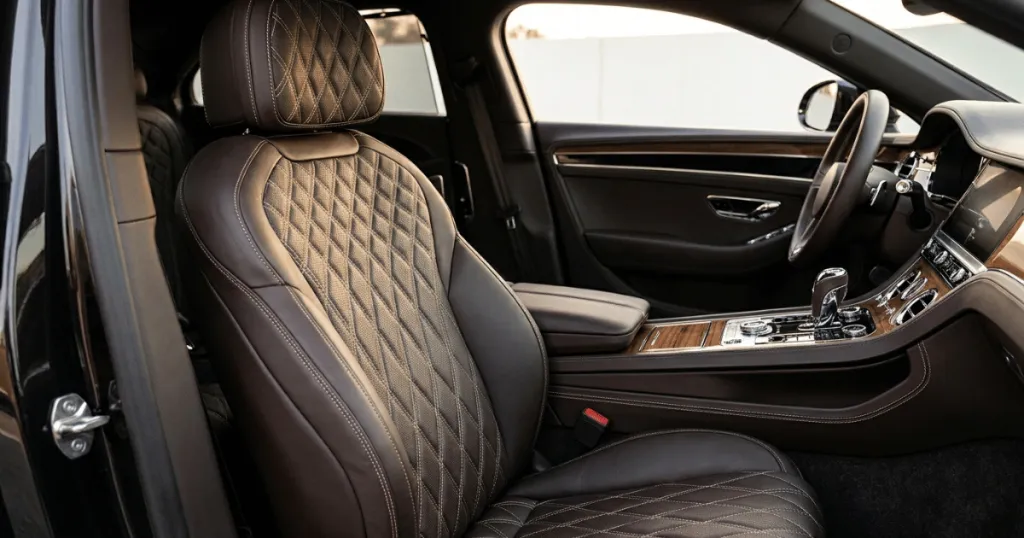
The Hallmarks of a Premium Seat Cover
Identifying a high-quality product requires an understanding of the specific engineering choices that separate entry-level covers from those designed for long-term ownership. These distinctions are not merely cosmetic; they directly influence how the material handles friction, moisture, and structural stress over time.
Material Composition and Density
The foundation of any high-end interior upgrade lies in the quality of the raw materials. Authentic premium seat cover options often utilize high-grade synthetic leather, heavy-duty neoprene, or tightly woven canvas, each selected for specific performance metrics. Unlike budget-friendly alternatives that may use thin, single-layer materials, high-tier options typically incorporate multi-layered construction. This often includes a high-density foam backing that provides structural support, preventing the cover from bunching or sagging under the weight of the passenger. The density of the material is a primary indicator of its ability to resist punctures and abrasions from daily entry and exit.
Precision Stitching and Seam Construction
The longevity of a car seat cover is often determined at the seams. High-quality manufacturing processes prioritize reinforced, double-stitched seams that distribute tension evenly across the fabric panels. This design choice prevents the thread from fraying or snapping when the seat is subjected to the natural compression of a passenger. In contrast, lower-tier products often rely on single-stitch patterns that are prone to failure at high-stress points, such as the transition between the seat base and the side bolsters. A well-constructed premium seat cover will feature consistent, high-tensile thread that matches the material’s expansion and contraction rates.
Tailored Fit and Geometry
A significant factor in the perceived quality of an interior upgrade is how closely the cover mimics the original seat’s contours. High-end options are engineered with a focus on the specific geometry of the vehicle’s seating, including the depth of the bolsters, the angle of the headrest, and the placement of seat controls. This level of precision ensures that the cover does not shift or slide during use, which is a common issue with universal-fit alternatives. When the fit is accurate, the cover acts as a second skin, maintaining the intended ergonomics of the factory seat while providing a clean, professional finish that does not look like an aftermarket addition.
Real-World Context for High-End Interior Upgrades
The decision to invest in a premium car seat cover is often driven by the need to solve specific environmental or usage-related challenges. Evaluating how these materials react to daily friction and passenger weight helps owners determine which specific features are necessary for their vehicle.
Managing Climate-Related Stress
In regions with extreme temperature fluctuations, the material choice becomes critical for passenger comfort. A premium seat cover designed for hot climates often features breathable, moisture-wicking fabrics that prevent the surface from becoming uncomfortably hot or sticky. Conversely, for colder environments, materials that retain warmth without becoming brittle are preferred. High-end manufacturers often account for these thermal properties, selecting polymers and textiles that maintain their suppleness and tactile comfort regardless of the season, avoiding the premature cracking often seen in lower-quality vinyl products.
Durability Under Heavy Usage
For vehicles used in high-frequency scenarios, such as rideshare services or family transport, the wear patterns are significantly more aggressive. A durable seat cover must withstand constant friction, spills, and the accumulation of debris. In these contexts, the focus shifts to materials that are easy to clean without requiring specialized chemical treatments. High-quality synthetic leather, for instance, offers a non-porous surface that resists liquid absorption, making it a practical choice for owners who need to maintain a pristine cabin appearance with minimal effort. The structural integrity of these materials ensures that even with daily use, the surface remains smooth and free of permanent indentations.
The Impact of Quality on Long-Term Vehicle Maintenance
Investing in a premium seat cover is fundamentally about protecting the underlying upholstery and maintaining the vehicle’s interior condition. When the original factory seats are shielded by a high-quality barrier, they remain protected from UV-induced fading, liquid spills, and physical wear, which directly supports the vehicle’s long-term value. This proactive approach to maintenance is far more cost-effective than attempting to repair or replace damaged factory leather or fabric later.
Beyond protection, there is the aspect of comfort and cabin experience. A well-fitted, high-quality cover can improve the tactile feel of the seating, providing a more consistent surface that does not trap heat or moisture. For many owners, this upgrade transforms the daily driving experience, making the interior feel refreshed and more aligned with their personal preferences. By selecting a product that prioritizes durability and fit, you are essentially extending the lifespan of the vehicle’s most used components, keeping the cabin environment comfortable and the upholstery looking sharp for the duration of your ownership.
Addressing Common Misconceptions About Upholstery Upgrades
Many shoppers assume that thickness is the primary indicator of durability, yet this is often a misunderstanding of how materials function. A very thick, rigid material may actually be more prone to cracking because it lacks the flexibility required to conform to the seat’s movement. True quality is found in the balance between tensile strength and flexibility, allowing the cover to absorb impact without compromising its structural integrity.
Another frequent misconception is that waterproof materials are inherently superior for all users. While waterproof properties are excellent for those dealing with pets or frequent spills, these materials are often less breathable, which can lead to discomfort during long drives. A premium seat cover often balances these needs, utilizing hybrid designs that offer moisture resistance in high-spill areas while maintaining breathability in the center panels. Recognizing that there is no single perfect material for every situation allows you to make a more informed choice based on your actual daily requirements rather than generic marketing claims.
Evaluating Aesthetic Integration and Design
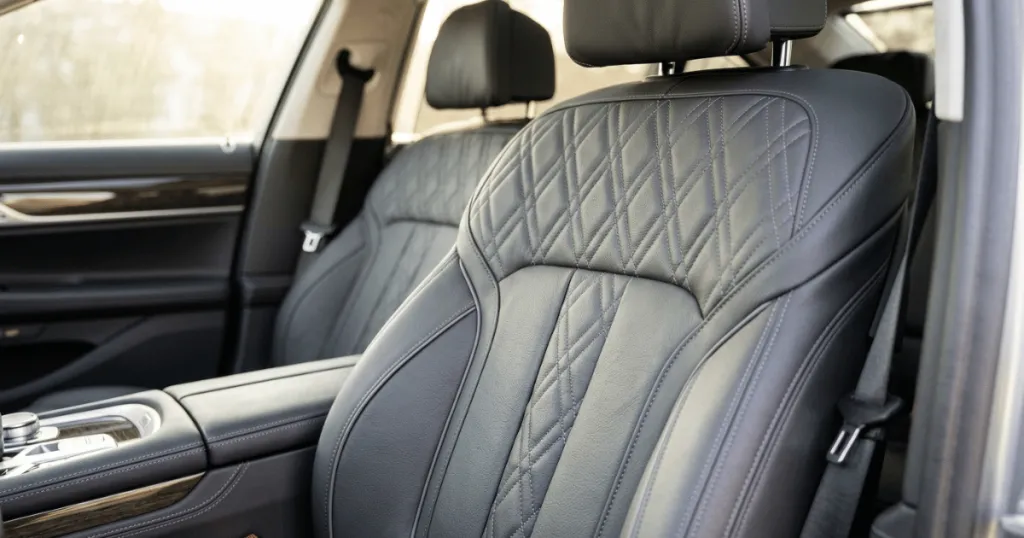
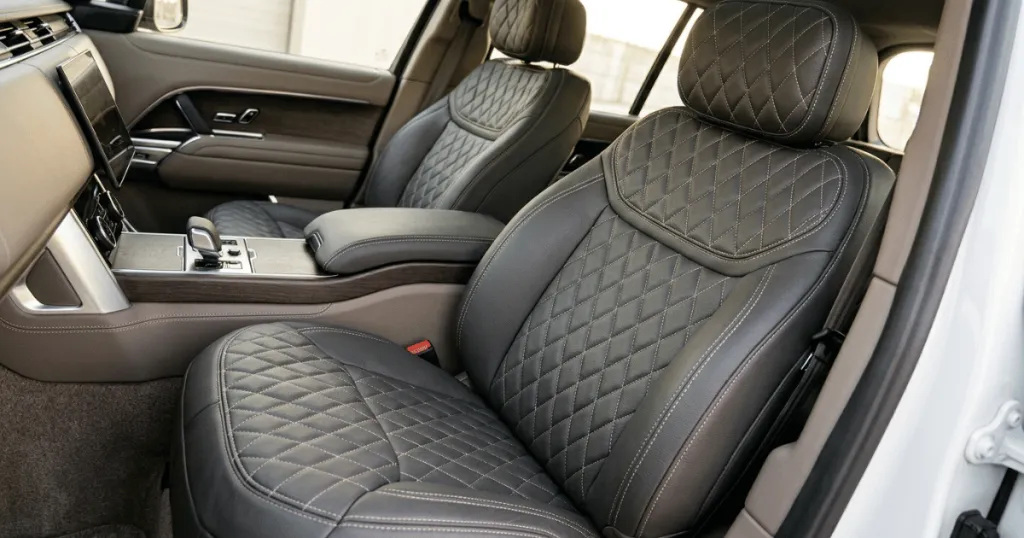
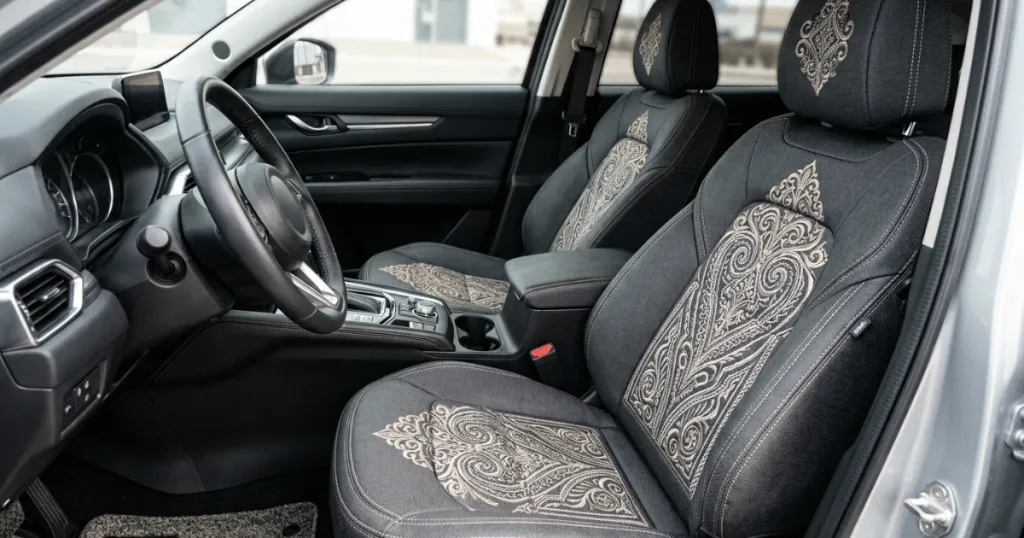
When selecting a premium seat cover, the visual impact on the cabin is just as important as the functional performance. High-end options often provide a variety of finish choices, such as diamond-stitch patterns or perforated inserts, which can elevate the interior aesthetic to match luxury vehicle standards. The key to a successful upgrade is achieving a cohesive look that complements the existing dashboard, door panels, and headliner. A premium cover should not look like an add-on; it should appear as an intentional design choice that enhances the cabin’s overall character.
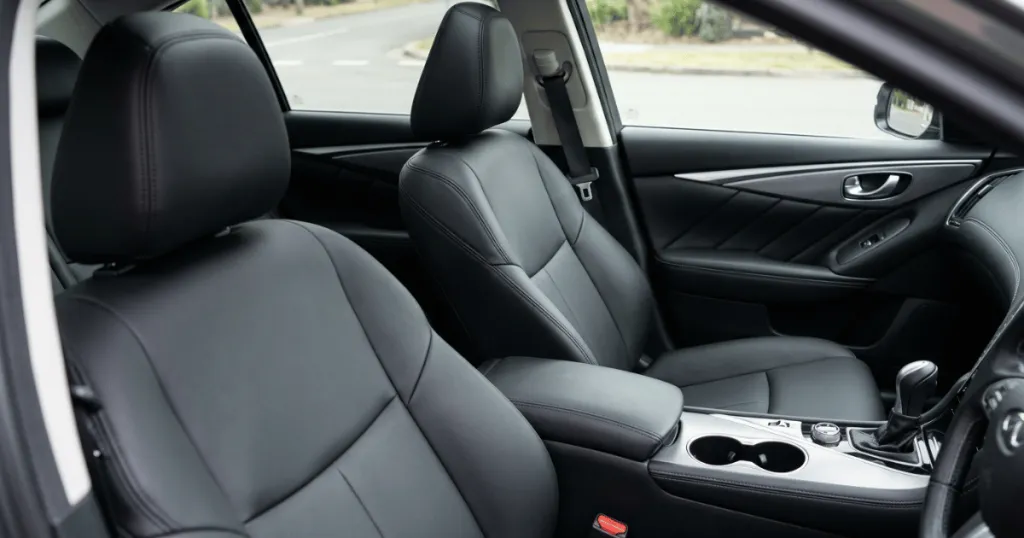
This involves careful consideration of color palettes, texture matching, and the overall profile of the seat. For example, a subtle, matte-finish synthetic leather can provide a sophisticated, understated look, while more aggressive, sport-styled covers might utilize contrasting piping or textured panels to create a dynamic visual interest. The goal is to balance personal style with the vehicle’s original design language, resulting in an interior that is both cohesive in appearance and highly practical.
Installation Considerations and Long-Term Fit
The installation process is a significant differentiator between standard and premium products. While universal covers often rely on simple elastic straps and hooks, a premium seat cover typically utilizes a more robust mounting system, such as heavy-duty buckles, hidden tension clips, or custom-molded anchors that secure the cover firmly to the seat frame. This sophisticated attachment method is essential for maintaining the cover’s position over time, preventing the shifting and bunching that can detract from both comfort and aesthetics.
Furthermore, high-end covers are often designed with specific access points for seat adjustments, ensuring that the cover does not interfere with the functionality of power seat controls or lumbar support mechanisms. Reviewing the specific mounting hardware and attachment points before purchase is a vital step in the process, as it dictates how securely the cover will sit on your specific seat configuration.
FAQ
How do I know if a seat cover is considered premium?
A premium seat cover is typically defined by its multi-layered construction, reinforced double-stitching, and a tailored fit that matches the specific contours of your vehicle’s seats rather than relying on a loose, universal design.
Does a more expensive seat cover always last longer?
While price often correlates with higher-quality materials and more precise engineering, longevity also depends on choosing the right material for your specific environment, such as selecting breathable fabrics for hot climates or moisture-resistant materials for high-traffic use.
Can a premium seat cover improve seat comfort?
Yes, many high-end covers incorporate high-density foam backing or ergonomic design features that provide additional cushioning and support, which can improve the overall comfort of the seating surface over long periods.