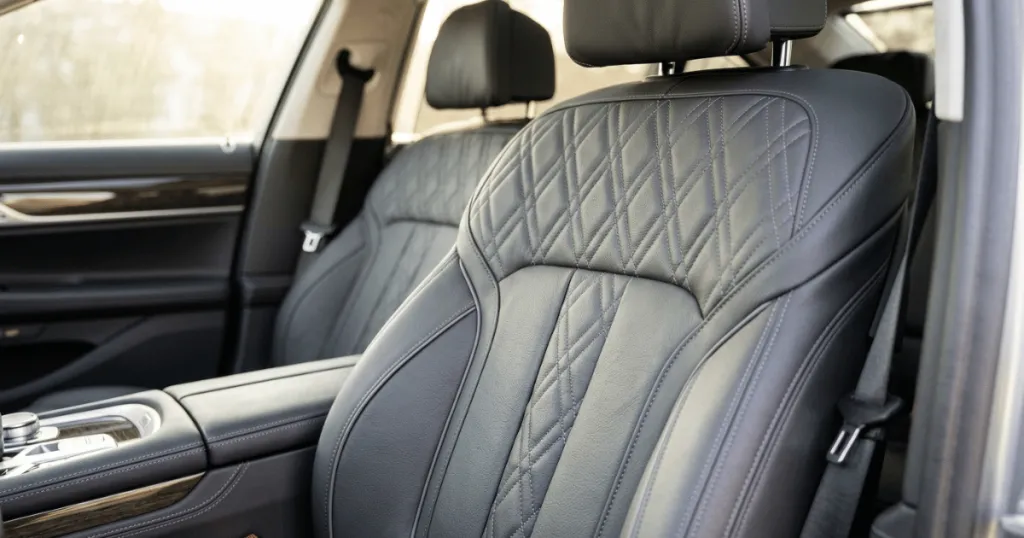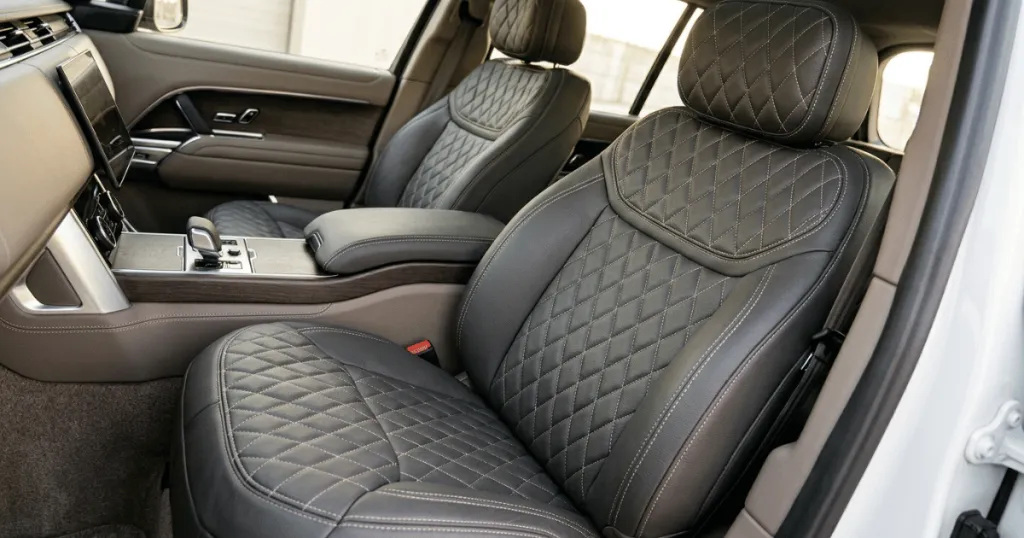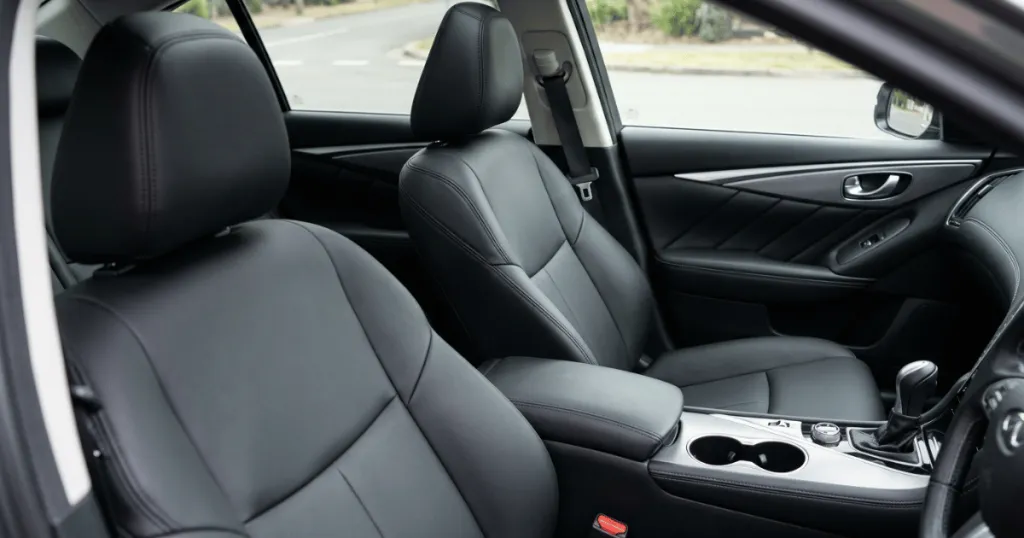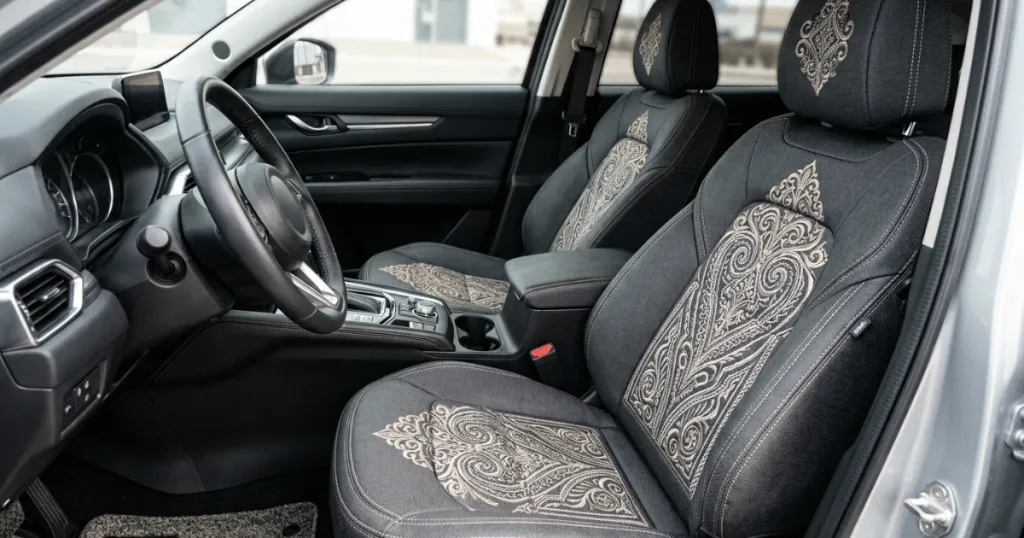
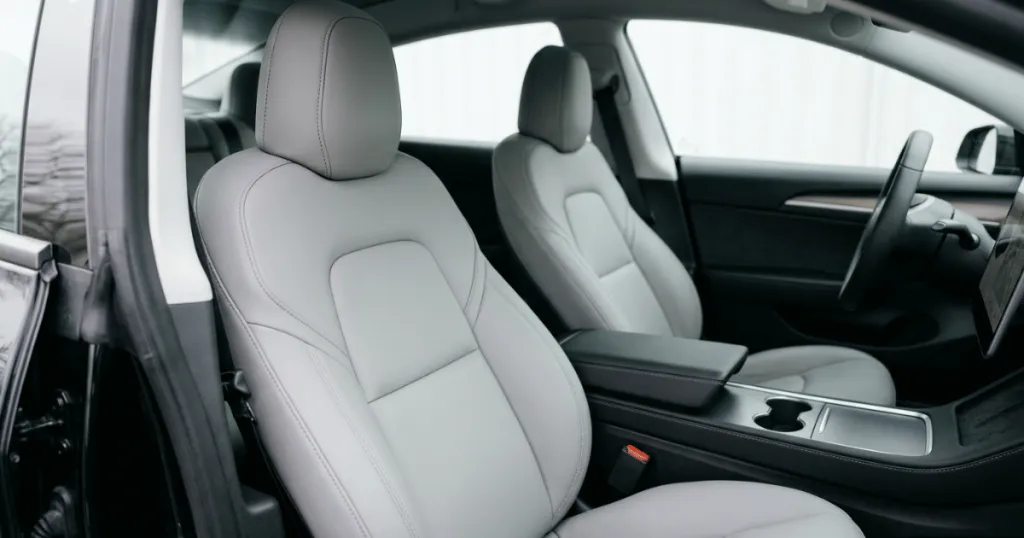
A minimalist seat cover prioritizes clean lines, muted color palettes, and a seamless fit over bold patterns or excessive texture. For many vehicle owners, the goal is to protect original upholstery while maintaining the factory-intended look of the cabin. By stripping away unnecessary embellishments, these covers focus on the fundamental relationship between the seat and the occupant, offering a refined appearance that feels integrated rather than added on.
Choosing this style usually involves selecting materials that mimic the texture of high-end automotive interiors, such as smooth synthetic leather or tightly woven, low-profile fabrics. The intent is to avoid visual clutter, ensuring that the interior remains a calm, functional space. When you opt for a minimalist car seat cover, you are essentially investing in a subtle upgrade that emphasizes quality of construction and color coordination over decorative flair.
Factors That Define the Minimalist Look
Material Selection and Texture
The foundation of a minimalist aesthetic lies in the material choice. Smooth, matte-finish faux leathers are a popular choice because they reflect light evenly and lack the distracting sheen found in cheaper, plasticky alternatives. These materials offer a clean, uniform surface that mirrors the look of premium leather seating.
If you prefer fabric, look for high-density, flat-weave textiles. Avoid heavy, loose-knit patterns or overly textured surfaces that catch dust and create visual clutter. A tight weave provides a smooth, consistent appearance that sits flat against the seat contours, which is essential for maintaining a sleek, unobtrusive profile.
Color Palette and Visual Cohesion
Minimalism thrives on consistency. A minimalist car seat cover should ideally match or slightly contrast with your vehicle’s existing interior color scheme. Stick to neutral tones like charcoal, slate, sand, or deep black to ensure the cover blends into the cabin rather than standing out as a focal point.
Avoid high-contrast piping or multi-colored panels. If you want a bit of detail, look for tone-on-tone stitching, where the thread color matches the fabric. This provides a subtle, sophisticated touch that adds visual interest without breaking the clean, continuous lines of the seat design.
Fit and Silhouette
The most important factor in achieving a minimalist look is the fit. A cover that bunches, sags, or shifts will immediately ruin the clean aesthetic. Look for designs that are tailored to the specific geometry of your seat, ensuring that the material pulls taut across the backrest and base.
Minimalist designs often omit bulky pockets, decorative straps, or oversized headrest flaps. By focusing on a streamlined silhouette, these covers allow the natural shape of the vehicle’s seating to remain the primary feature. A well-fitted, simple cover should look like it was part of the original interior design.
Real-World Context for Daily Use
Integrating with Modern Cabin Design
Modern vehicles often feature complex dashboard layouts and high-resolution displays, creating a busy visual environment. A minimalist seat cover acts as a stabilizing force in this space, grounding the interior with a sense of order. When the seats are covered in a simple, uniform material, the overall cabin feels less cluttered and more intentional.
This is particularly effective in vehicles with dark interiors where a loud, patterned cover might feel out of place. By choosing a monochromatic, low-profile cover, you maintain the sophisticated atmosphere that many manufacturers strive for in their base cabin designs. It allows the technology and materials of the dashboard to take center stage without competing with the seating.
Adapting to Different Usage Scenarios
Even a minimalist design must be practical. For daily commuters, a smooth synthetic leather cover is often the best choice because it resists spills and is easy to wipe clean. Its flat, non-porous surface prevents crumbs and debris from getting trapped, which is a common issue with more complex, textured covers.
For those who frequently carry passengers, a minimalist cover offers a professional, clean appearance that doesn’t scream “aftermarket.” It provides a neutral backdrop that fits well in rideshare, commercial, or family vehicles. Because these covers lack aggressive bolsters or racing-style accents, they feel more approachable and less like a modification, making them a versatile choice for any driver.
The Value of a Streamlined Interior Aesthetic
The primary benefit of a minimalist car seat cover is the preservation of your vehicle’s resale value and aesthetic integrity. Most buyers prefer an interior that looks well-maintained and close to factory condition. By using a cover that blends seamlessly with the original design, you protect the underlying upholstery from wear, sun damage, and spills while keeping the cabin looking timeless.
Beyond aesthetics, there is a psychological benefit to a clean, uncluttered space. A vehicle interior that feels organized and cohesive contributes to a more relaxed driving experience. When you remove visual distractions from the seats, you may find that the overall cabin feels more spacious and serene. This is an often overlooked aspect of vehicle customization, where less truly becomes more.
Finally, choosing a minimalist design simplifies your maintenance routine. Complex covers with many seams, pockets, and decorative elements are harder to clean and more prone to wear at the stress points. A simple, one-piece or two-piece design with minimal stitching is inherently more durable and easier to wipe down, ensuring your interior stays clean with less effort over the long term.
Clarifying Perspectives on Simplified Styling
The Myth of Lower Durability
A common concern is that a minimalist seat cover, due to its simple construction, might be less durable than a heavy-duty, multi-layered alternative. This is not necessarily true. Durability is determined by the quality of the material and the integrity of the seams, not by the complexity of the design. A high-quality, smooth synthetic leather cover can be just as resistant to abrasion and tearing as a bulkier, more complex cover.
In fact, simpler designs often have fewer stress points. Every seam is a potential failure point, so by reducing the number of seams, you may actually increase the longevity of the cover. Focus on the material thickness and the quality of the finish rather than the number of decorative features or panels.
The Assumption That Simple Means Uncomfortable
Some drivers worry that a minimalist seat cover will lack the cushioning or support of sportier designs. While it is true that these covers don’t typically include extra foam bolsters or lumbar pads, they are designed to fit over your existing, factory-engineered seats. Your comfort is primarily provided by the seat itself, not the cover.
A minimalist cover is meant to act as a protective layer, not a replacement for the seat’s ergonomics. If you are satisfied with the comfort of your current seats, a thin, well-fitted cover will maintain that feeling without adding bulk that could interfere with your driving position. It is a refinement of the existing experience, not a re-engineering of it.
Strategic Considerations for Long-Term Ownership
When selecting a minimalist cover, consider the long-term interaction between the cover material and your specific climate. In hot, humid environments, a non-breathable synthetic leather may trap moisture, leading to discomfort during long drives. In these cases, a minimalist approach can still be achieved through high-quality, moisture-wicking fabrics that maintain a flat, matte appearance while offering better airflow. The key is to prioritize the visual “cleanliness” of the design while ensuring the material science matches your local weather patterns.
Another consideration is the ease of removal and re-installation. Minimalist covers, by virtue of their simpler construction, are often easier to remove for deep cleaning or seasonal rotation. If you live in an area with extreme temperature shifts, you might find that having a set of breathable fabric covers for summer and a more substantial, smooth synthetic leather set for winter keeps your interior feeling fresh and well-cared for year-round. This modularity is a hallmark of a well-planned, minimalist interior strategy.
Finally, consider the impact on your vehicle’s resale value. A minimalist seat cover that protects the original upholstery from UV fading and daily friction ensures that when you eventually sell or trade in the vehicle, the seats underneath remain in pristine condition. By choosing a neutral, minimalist design, you avoid alienating potential future buyers who might be put off by loud, customized, or overly aggressive interior modifications. It is an investment in the longevity of your vehicle’s cabin, keeping it neutral and appealing to a wider audience.
FAQ
Does a minimalist seat cover require professional installation?
Not necessarily. While a professional can ensure a perfect, factory-like fit, most minimalist seat cover designs are straightforward to install. Because they lack complex straps or multi-panel configurations, they are often easier to secure than more elaborate covers.
Can I use a minimalist seat cover in a vehicle with heated seats?
Yes, provided the material is compatible. Most high-quality minimalist seat covers made of thin, breathable synthetic leather or fabric are designed to allow heat to pass through, though you should always verify the manufacturer’s guidance regarding heat resistance.
How do I ensure a minimalist seat cover doesn’t look cheap?
The key is to prioritize material quality and fit. Look for matte finishes, high-density fabrics, and colors that closely match your vehicle’s interior. Avoid shiny, thin plastics or loose-fitting designs, as these are the primary factors that make a cover look like an inexpensive add-on.