When temperatures drop, the surface of your vehicle’s seats can become jarringly cold, especially if you have leather or synthetic upholstery. A cold weather car seat cover acts as a thermal barrier, providing an immediate layer of insulation between your body and the seat surface. These covers are designed to retain warmth more effectively than standard upholstery, making your morning commute or winter road trips significantly more comfortable.
Selecting the right cover involves balancing material texture, heat retention properties, and the specific way your vehicle’s seats are configured. By choosing a design that prioritizes thermal efficiency, you can minimize the shock of cold seats without needing to rely solely on your vehicle’s internal climate control system.
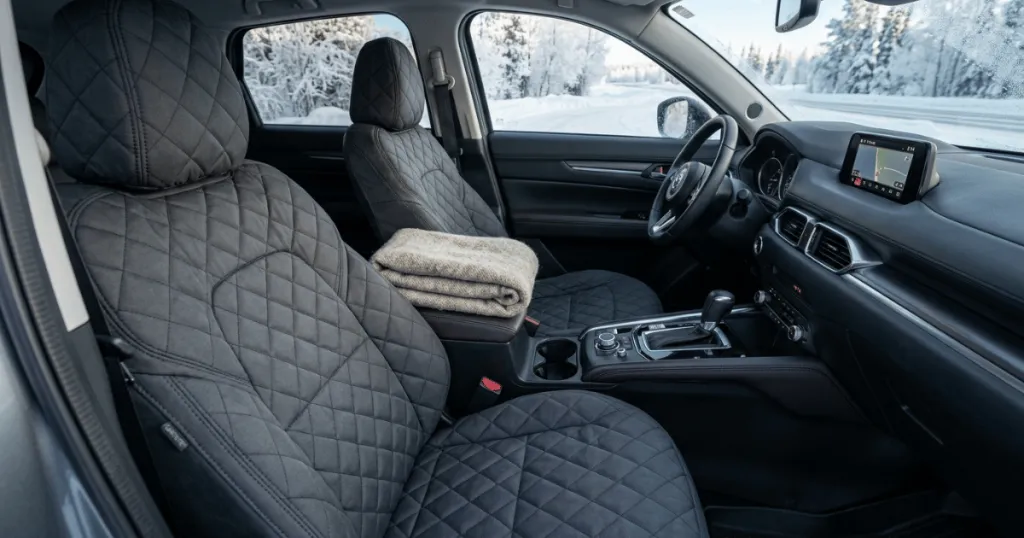
Factors Influencing Thermal Performance in Seat Covers
The effectiveness of a cold weather car seat cover depends largely on the material’s ability to trap air and resist heat transfer. Dense, fibrous materials generally outperform smooth, thin surfaces in cold environments because they create a buffer zone that prevents your body heat from being sucked away by the cold seat cushion.
The Role of Fabric Density and Pile
Materials with a high pile, such as faux sheepskin or thick, brushed polyester, are highly effective at providing warmth. The structure of these fibers creates thousands of tiny air pockets that act as insulation, much like a winter coat. When you sit down, these pockets trap your body heat, keeping the surface temperature stable even if the car has been sitting in freezing conditions for hours.
Why Breathable Materials Still Matter
While insulation is the primary goal, you must avoid materials that trap moisture entirely. If a cover is completely non-breathable, condensation can build up between the cover and the seat, leading to dampness that actually makes you feel colder. Look for materials that offer a balance of thermal retention and moisture-wicking properties, ensuring that any perspiration or humidity from the vehicle cabin doesn’t compromise your comfort.
Backing and Grip Considerations
The underside of the cover is just as important as the surface material. A high-quality cold weather car seat cover should feature a non-slip backing, often made of rubberized mesh or silicone dots. This prevents the cover from shifting when you enter or exit the vehicle, which is a common issue with plush, thick materials that tend to slide against smooth leather or vinyl seats.
Real-World Scenarios for Winter Interior Upgrades
Different vehicle usage patterns dictate which type of cover will serve you best. A daily commuter has different requirements than someone who uses their vehicle for occasional weekend trips in sub-zero climates.
Daily Commuting in Sub-Zero Climates
For daily drivers, durability is the priority. You need a material that can withstand constant friction and the stress of repeated entry and exit. Synthetic wool blends or high-density canvas with a soft lining are excellent choices here. They provide the necessary warmth while remaining robust enough to handle the wear and tear of a daily routine without matting down or losing their shape.
Family and Pet-Friendly Winter Travel
If you travel with children or pets, you need a cover that combines thermal comfort with ease of cleaning. Winter often brings mud, slush, and salt into the vehicle. In these cases, look for a heavy-duty fabric that is treated for stain resistance but still features a soft, insulating top layer. Removability is key; you want a design that can be easily taken off for cleaning when the winter road grime accumulates.
Commercial and Rideshare Use
Drivers who spend long hours in their vehicles benefit most from covers that offer consistent, long-term comfort. A quilted design with a soft foam core can provide extra cushioning, which helps reduce fatigue during long shifts. Because these covers are used constantly, prioritize materials that are easy to spot-clean, as you won’t have the luxury of frequent deep-cleaning cycles during the busy winter season.
Practical Implications of Winter Seat Protection
Installing a cold weather car seat cover changes the ergonomics of your seating position. Because these covers add thickness, they can slightly alter your distance from the steering wheel and pedals. Always adjust your seat position after installation to ensure you remain in a safe, comfortable driving posture. This is especially relevant if you have a smaller vehicle where cabin space is already at a premium.
Another practical consideration is the interaction between your cover and the seat’s existing features. If your vehicle has factory-installed seat heaters, the thickness of the cover will determine how quickly you feel that heat. A very thick, plush cover will act as a significant insulator, potentially blocking the heat from reaching you. If you rely on built-in seat heaters, opt for a thinner, high-performance thermal fabric that allows heat to pass through while still providing a warmer initial touch than the bare seat.
Evaluating Thermal Material Claims and Realities
A frequent error is assuming that thicker always means warmer. While loft is important, the material composition matters more. Some synthetic materials are incredibly thick but lack the thermal properties to actually retain heat, acting more like a sponge for cold air. Always check the material description for thermal retention capabilities rather than just relying on the visual bulk of the product.
Another common mistake is neglecting the fit. A loose-fitting cover can be a significant annoyance, bunching up and creating uncomfortable pressure points. A cold weather car seat cover should fit snugly against the contours of your seat. If the cover doesn’t come with adequate straps or hooks to secure it, the material will shift, causing the cold seat surface to become exposed in areas where you need the most coverage.
Finally, many people assume that waterproof covers are the best for winter. While waterproof materials are great for protecting against snow and slush, they are rarely comfortable for long periods. They tend to be cold to the touch and offer no breathability. Unless you are specifically dealing with high volumes of moisture, a water-resistant fabric is usually a better compromise for daily comfort than a fully waterproof, non-breathable option.
Maintaining Your Winter Seat Covers
Proper care ensures your investment lasts through multiple seasons. Vacuuming your covers regularly is essential, especially in winter when salt and grit are tracked into the car. These particles can act like sandpaper, wearing down the fibers of your cover over time. If you notice the material starting to look matted, a gentle brushing can help restore the loft and thermal efficiency of the fabric.
When it comes time to clean, always follow the manufacturer’s specific instructions. Many plush or synthetic wool covers require gentle cycles or hand washing to prevent the fibers from clumping. Avoiding high-heat drying is also crucial, as it can damage the backing materials and cause the cover to shrink or lose its shape. By taking a few minutes to maintain your cold weather car seat cover, you ensure it remains a reliable source of comfort throughout the harshest months of the year.
Strategic Selection: Matching Material to Climate
When evaluating options, consider the specific nature of your local winter. In regions with dry, frigid air, static electricity can become a nuisance with certain synthetic fabrics. Choosing a blend that incorporates natural fibers or anti-static treatments can mitigate this. Conversely, in coastal or humid winter environments, focus on moisture management. A cover that absorbs humidity without becoming damp to the touch is superior to one that merely repels water but traps sweat.
The structural design of the seat also dictates the success of the installation. Bucket seats with deep bolsters require covers that are specifically cut to accommodate the curves without bunching. A universal cover might work for a flat bench seat, but for performance-oriented bucket seats, look for designs with elasticized edges or multi-point anchoring systems. This ensures the cover remains taut, maintaining the intended shape of the seat and preventing the fabric from sliding during cornering.
Long-Term Durability and Seasonal Transitions
While these covers are labeled for cold weather, they are often used throughout the transition into spring. Consider the ease of removal. A design that utilizes quick-release buckles or simple hook-and-loop fasteners allows you to transition your interior setup as the seasons change. Storing your covers properly during the summer, in a cool, dry place away from direct sunlight, will prevent the backing materials from degrading, ensuring they are ready for the next cold snap.
Ultimately, the goal is to create a more inviting vehicle interior. By viewing the seat cover as a functional component of your vehicle’s thermal management system, you move beyond simple aesthetics. Whether you prioritize the plush feel of faux sheepskin or the rugged utility of a treated canvas, the right choice will fundamentally change your experience of driving in cold temperatures, turning a freezing morning start into a manageable, comfortable routine.
FAQ
Can I use a cold weather car seat cover with factory-installed seat heaters?
Yes, but you should choose a thinner, high-performance thermal material. Extremely thick or plush covers can act as an insulator, blocking the heat from reaching you effectively.
Do these covers affect my seating position?
Yes, they add a layer of thickness that can change your distance from the steering wheel and pedals. Always re-adjust your seat settings after installing a new cold weather car seat cover to maintain a proper driving posture.
How do I prevent the cover from sliding around?
Look for a cover with a non-slip backing, such as rubberized mesh or silicone grip dots. Ensuring the straps and hooks are tightened correctly during installation is also vital for keeping the cover in place.