Operating a vehicle for delivery services introduces a unique set of stressors to the interior upholstery that standard passenger cars rarely encounter. Constant ingress and egress, combined with the weight of packages, heavy work gear, and the sheer volume of daily use, accelerate wear on factory seat fabrics. A dedicated delivery vehicle seat cover serves as a primary barrier against these daily abrasions, helping maintain the structural integrity of the underlying seat cushioning and upholstery.
Selecting the right protection requires evaluating how the material interacts with your specific work habits and the physical demands of your route. The focus must be on material resilience, fitment stability, and the ability to withstand repetitive friction. When you select a delivery vehicle seat cover, you are essentially investing in the longevity of the vehicle’s interior, ensuring that the driver’s environment remains functional and clean despite the rigors of a demanding commercial schedule.
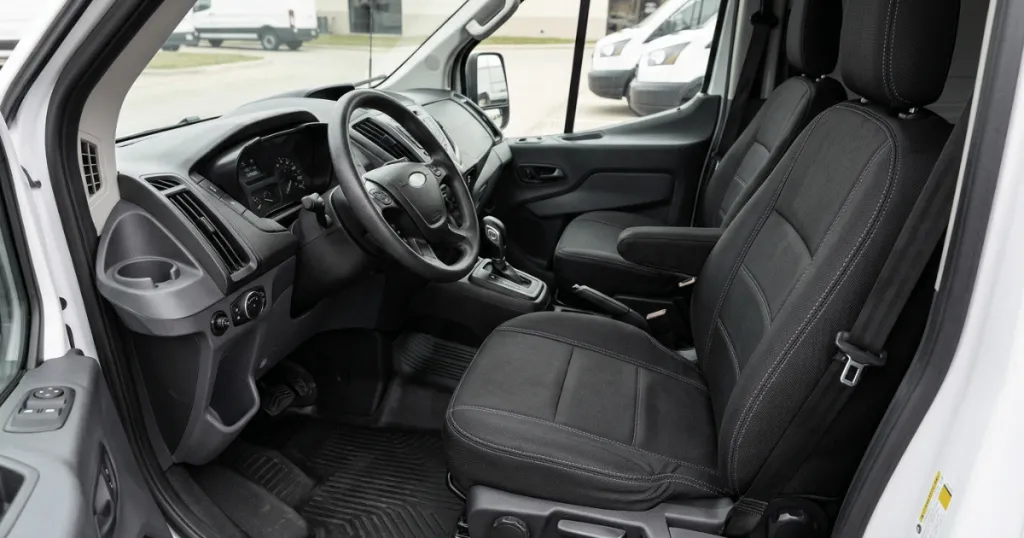
Factors Influencing Material Selection
The choice of material is the most significant decision when outfitting a commercial van or delivery truck. Because the driver is sliding in and out of the seat dozens of times per day, the fabric must resist tearing and surface degradation.
High-Denier Synthetic Fabrics
Heavy-duty synthetic fabrics, such as high-denier polyester or specialized canvas, are often the preferred choice for commercial settings. These materials are engineered to be tightly woven, which prevents dirt and debris from penetrating the surface. In practice, this means that spills or mud tracked in from a delivery route stay on the surface, where they can be easily wiped away rather than absorbed into the foam padding.
Reinforced Faux Leather
Synthetic leather or high-grade vinyl provides a smooth surface that facilitates easier movement for the driver. This is particularly useful for those who need to pivot frequently to reach for items in the cargo area. However, it is important to ensure the material is rated for heavy-duty use, as thinner, low-quality faux leather can crack under the stress of constant temperature fluctuations and the physical weight of a driver shifting repeatedly throughout a shift.
Ensuring Stability and Secure Fitment
A seat cover that shifts or bunches during a delivery route is more than a nuisance; it can become a significant distraction. In a commercial environment, the cover must remain anchored firmly to the seat frame to provide consistent support and protection.
The Role of Attachment Systems
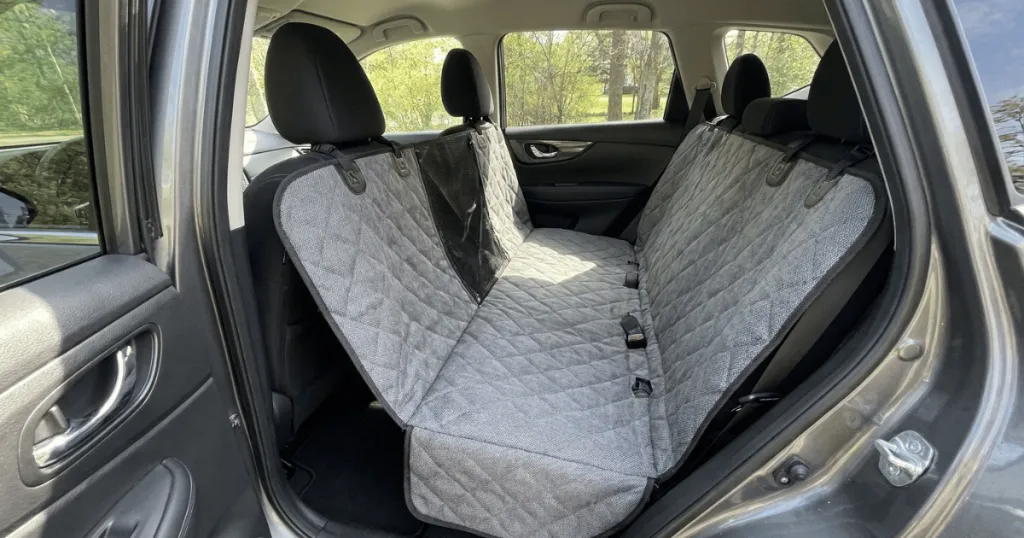
Look for covers that utilize robust attachment systems, such as heavy-duty straps, high-tension buckles, or integrated clips that secure the cover underneath the seat base. These systems prevent the cover from sliding forward every time the driver exits the vehicle. If the cover moves, the factory upholstery underneath is left exposed to the exact friction points you are trying to protect.
Contour Matching for Commercial Seats
Commercial vehicles often feature flatter, more utilitarian seat designs compared to luxury passenger cars. A delivery vehicle seat cover should be chosen based on the specific seat geometry of your van or truck. Covers that are designed to accommodate the specific contours of commercial-grade seats will sit flush against the fabric, reducing the likelihood of loose material catching on clothing or equipment during a busy delivery run.
Real-World Context for Daily Delivery Operations
In a professional setting, the interior of a vehicle is a workspace. The way you use your vehicle dictates the maintenance and protection strategy you should employ. For instance, a driver handling heavy, abrasive packages will face different challenges than a driver focused on small, light parcels.
Managing Abrasive Loads
If your delivery route involves handling heavy boxes or equipment that frequently brushes against the seat, prioritize materials with high abrasion resistance. Canvas-style materials are particularly effective here, as they are designed to handle the friction of rough cardboard and heavy gear without fraying. This prevents the seat cover from developing holes that would otherwise compromise the protection of the factory seat.
Handling Environmental Exposure
Delivery drivers often work in all weather conditions, from rain and snow to extreme heat. A delivery vehicle seat cover should be selected with your local climate in mind. If you frequently enter the vehicle with damp clothing, a non-porous material like vinyl or treated neoprene can prevent moisture from soaking into the seat foam, which is critical for preventing odors and long-term degradation of the seat’s internal structure.
Sustaining Fleet Assets Through Consistent Interior Care
Protecting the interior of a delivery vehicle is a practical strategy for maintaining the vehicle’s overall value and the driver’s comfort. When the factory seat is left unprotected, the foam padding can begin to break down under the concentrated pressure of the driver’s weight, especially at the edges where the driver slides in and out. By installing a durable cover, you distribute that pressure more evenly and provide a robust outer shell that absorbs the daily wear and tear of a high-traffic workspace.
Beyond physical protection, a clean and well-maintained interior contributes to a more professional environment. For those who use their vehicle for commercial purposes, the condition of the driver’s seat is a reflection of the care taken with the vehicle. Replacing a worn-out seat cover is a straightforward and cost-effective maintenance task compared to the expense and downtime associated with reupholstering a damaged factory seat or replacing the entire seat assembly.
Nuances of Selecting Industrial-Grade Protection
A frequent error is the assumption that the thickest material is always the most durable. While thickness can provide some cushioning, it does not necessarily equate to longevity. Some very thick materials are prone to cracking or peeling if they lack the necessary flexibility to move with the seat cushion during use. Focus instead on the material’s weave density and its ability to withstand constant friction.
Another misconception is that a universal-fit cover is sufficient for a commercial vehicle. Because delivery seats often have unique shapes or integrated features, a universal cover rarely provides the tight, secure fit required for high-frequency use. A poorly fitted cover will shift, bunch, and eventually wear out faster than a properly sized option. Investing in a cover that is designed for the specific seat type of your vehicle ensures that the protection remains consistent throughout the life of the cover, ultimately providing better value and more reliable performance for your daily delivery vehicle seat cover needs.
Ergonomic Considerations for Long-Shift Drivers
For drivers spending eight to twelve hours behind the wheel, the seat cover can influence comfort beyond simple protection. In high-frequency delivery scenarios, the driver is constantly shifting weight to reach for scanners, manifests, or packages. A cover that offers a slight degree of breathability, often achieved through mesh panels or specialized weave patterns, can help manage body heat during long shifts in warm climates.
Conversely, in colder regions, selecting a material that retains a neutral temperature and resists hardening ensures the cabin remains comfortable throughout the workday. When selecting a cover, consider the balance between the ruggedness required for the job and the tactile comfort needed to reduce driver fatigue over extended periods.
Strategic Maintenance for Commercial Upholstery
Maintenance of a delivery vehicle seat cover is distinct from passenger vehicle care. Because the cover is a tool of the trade, it requires a proactive approach. Establish a routine inspection schedule to check for thinning areas, particularly on the outer bolster of the seat where the driver’s hip makes contact during exit. If you notice the material beginning to lose its tension or if the attachment straps show signs of fraying, addressing these issues early prevents the cover from failing mid-shift.
Keeping the surface free of grit is also essential; fine particles of dirt act like sandpaper against the fabric fibers every time the driver moves. A quick vacuuming or wipe-down at the end of each shift can significantly extend the lifespan of the cover, ensuring it continues to provide the necessary barrier between the driver and the factory upholstery.
Evaluating Long-Term Value in Fleet Settings
For fleet managers or independent contractors, the decision to install seat covers is often framed by the total cost of ownership. While a high-quality delivery vehicle seat cover represents an upfront investment, the cost-benefit analysis favors protection. The expense of repairing a torn seat cushion or replacing a seat bottom due to foam collapse far exceeds the cost of a durable, well-fitted cover. Furthermore, a well-maintained interior is a key factor in vehicle resale value.
By treating the seat cover as a replaceable maintenance item rather than a permanent fixture, you ensure that the vehicle’s core components remain in factory-new condition, which simplifies the process of preparing the vehicle for future transition or sale. This proactive stance on interior care is a hallmark of efficient fleet operations, prioritizing long-term asset preservation over short-term savings.
FAQ
How often should I clean my delivery vehicle seat cover?
In a commercial setting, you should perform a light cleaning weekly to remove loose dirt and debris. Deep cleaning should occur monthly, or more frequently if the cover is exposed to mud, rain, or heavy spills, to ensure the material remains breathable and to prevent the buildup of contaminants that can degrade the fabric.
Can I use a standard passenger car seat cover for my delivery van?
It is generally not recommended. A delivery vehicle seat cover is specifically designed to handle the high-frequency ingress and egress typical of commercial work. Standard passenger covers often lack the necessary abrasion resistance and secure attachment systems required to stay in place during a full day of deliveries.
What is the best material for a delivery vehicle seat cover if I work in a rainy climate?
For wet environments, non-porous materials like high-grade vinyl or closed-cell neoprene are ideal. These materials prevent water from penetrating the cover and soaking into the seat foam, which helps avoid mold, mildew, and unpleasant odors in your delivery vehicle.