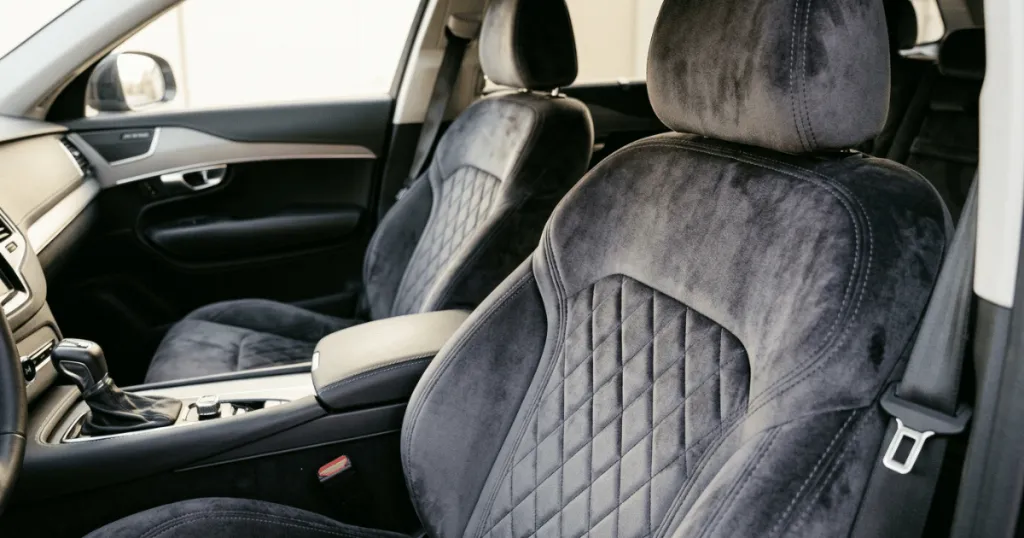
A velour car seat cover offers a unique combination of soft, plush texture and a refined aesthetic that distinguishes it from synthetic leather or heavy-duty canvas options. Known for its dense, short-pile construction, velour provides a tactile experience that feels closer to high-end upholstery than standard automotive fabrics. For many vehicle owners, the primary appeal lies in its ability to remain temperature-neutral, avoiding the extreme heat or cold often associated with vinyl or leather surfaces.
Selecting this material involves balancing its aesthetic appeal with the realities of daily vehicle use. While it provides a premium look, the fabric requires a specific approach to maintenance to keep the pile looking uniform and free of debris. Understanding how this material interacts with your specific seating environment helps ensure that your choice aligns with your long-term expectations for interior comfort and appearance.
Factors Influencing Your Choice of Velour Car Seat Covers
Softness and Tactile Comfort
The defining feature of any velour car seat cover is its soft, velvet-like surface. This material is often chosen by drivers who prioritize comfort during long commutes or extended road trips. Unlike slick synthetic materials that can cause sliding, the slight friction of the velour pile helps keep occupants positioned securely. This creates a more stable seating experience, particularly in vehicles with flatter seat bolsters where lateral support might otherwise be lacking.
Temperature Regulation and Breathability
Velour is naturally more breathable than non-porous materials like polyurethane or PVC. Because the fabric is woven with a dense pile, it allows for a degree of airflow that prevents the “sticky” sensation common in hot weather. In colder climates, the material does not absorb ambient heat as rapidly as leather, which means the seat feels more welcoming the moment you sit down. This thermal consistency is a significant factor for owners who live in regions with extreme seasonal temperature fluctuations.
Durability and Pile Integrity
While velour is durable, its lifespan is tied to how well the pile is maintained. Over time, high-friction areas, such as the center of the seat cushion or the side bolsters, can show signs of flattening or wear. Choosing a high-density weave can mitigate this, as thicker piles are more resilient to the constant pressure of daily entry and exit. It is important to note that velour is not designed for heavy-duty work environments or situations where sharp objects and heavy debris are common, as the fabric can snag or trap dust more easily than smooth, synthetic alternatives.
Real-World Context for Daily Use
Managing Daily Wear in Family Vehicles
In a family vehicle, a velour car seat cover faces different pressures than in a commuter car. While the material is soft, it is also susceptible to absorbing spills more readily than waterproof neoprene or vinyl. If you frequently transport children, you may find that the fabric requires more frequent vacuuming to remove crumbs and fine particulate matter that can settle deep into the pile. Using a dedicated fabric protector spray can help create a slight barrier against liquid absorption, though it does not make the material fully waterproof.
The Aesthetic Appeal for Luxury and Classic Interiors
Many owners select velour specifically for the aesthetic upgrade it provides to older or base-model interiors. The material has a subtle sheen that catches light, giving the cabin a more sophisticated, finished appearance. It pairs particularly well with classic car interiors or modern vehicles where the owner wants to move away from the look of standard factory cloth. Because it is available in a wide range of colors and can be tailored to fit specific seat contours, it allows for a high degree of interior customization without the cost of professional reupholstery.
Prioritizing Maintenance for Long-Term Appearance
Keeping a velour car seat cover in top condition requires consistent attention to the fabric’s pile and the removal of trapped particles. Because the fabric is a magnet for dust and lint, regular vacuuming with a soft-brush attachment is the most effective way to keep the material looking fresh. A common mistake is using stiff-bristled brushes, which can damage the delicate fibers and lead to permanent matting. Instead, use a soft, circular motion to lift debris from the base of the pile.
When spills occur, immediate action is necessary to prevent the liquid from soaking into the seat foam underneath. Blot the area gently with a clean, absorbent cloth rather than rubbing, as rubbing can force the liquid deeper into the fibers and distort the pile direction. If a deeper clean is required, use a mild upholstery cleaner specifically formulated for delicate fabrics. Always test the cleaner on an inconspicuous area first to ensure it does not cause discoloration or texture changes.
Evaluating the Role of Fabric Selection
The decision to install a velour car seat cover is essentially a choice about how you want your vehicle’s interior to feel and function on a daily basis. Unlike materials chosen for utility, such as heavy-duty canvas for off-road use or waterproof neoprene for water sports, velour is an investment in comfort and interior ambiance. It transforms the cabin into a more inviting space, which can significantly improve the quality of your time spent behind the wheel.
However, this comfort comes with the trade-off of higher maintenance requirements. If your priority is a low-effort, “set-it-and-forget-it” solution, you might find that the constant need for vacuuming and careful spill management becomes a burden. If you are willing to dedicate a few minutes to regular care, the reward is a seating surface that remains soft, stylish, and comfortable for years. Ultimately, the best choice depends on your willingness to align your maintenance habits with the specific needs of the material you choose.
Understanding Fiber Density and Construction
When evaluating different velour options, consider the weight and density of the fabric. Higher-quality velour often features a tighter, more uniform pile that resists “crushing”, the phenomenon where the fabric fibers permanently lay flat in one direction due to repeated pressure. A lower-density velour may feel soft initially but can lose its plush appearance after only a few months of heavy use. Look for options that emphasize a tight weave, as this structural integrity is what keeps the fabric looking luxurious over time. This is particularly relevant for the driver’s seat, which experiences the most consistent friction.
Climate Considerations and Seasonal Comfort
The thermal properties of velour make it a standout choice for regions with distinct seasons. Unlike leather, which can become dangerously hot in direct summer sun or freezing to the touch in winter, velour acts as an insulator. This temperature-neutral fabric provides a consistent surface temperature that reduces the need for seat heaters or cooling fans to work overtime. For owners in temperate climates, this means a more comfortable start to every drive, regardless of the weather outside. However, in extremely humid environments, velour may take longer to dry if it becomes damp, so good cabin ventilation is recommended.
Integration with Interior Aesthetics
Beyond comfort, velour serves as a powerful tool for interior design. Because it absorbs light differently than smooth synthetic fabrics, it provides a depth of color that can make a vehicle interior feel more expensive. Darker shades of velour can hide minor imperfections in the underlying seat foam, while lighter shades can brighten up a dark cabin. When selecting a color, consider the overall palette of your dashboard and door panels. A well-matched velour cover can create a cohesive, custom-upholstered look that elevates the entire cabin ambiance.
Long-Term Care and Fiber Maintenance
To extend the life of your covers, consider a proactive approach to fiber maintenance. Rotating your seat covers, if the design allows, can help distribute wear more evenly, especially if you drive solo most of the time. Additionally, keeping the vehicle interior clean of excess dust prevents particles from working their way into the backing of the fabric, which can act like sandpaper on the fibers over time. By viewing your velour covers as a piece of fine furniture rather than a disposable accessory, you will naturally adopt the habits necessary to keep them in excellent condition for years to come.
FAQ
Is a velour car seat cover suitable for pets?
Velour is generally not recommended for pets because its dense pile tends to trap pet hair and dander, making it difficult to clean compared to smoother, non-porous materials. If you have pets, you may find that a more durable, easy-to-wipe material is a better choice for your vehicle interior.
Does velour fade in direct sunlight?
Like most fabrics, velour can be susceptible to fading if exposed to intense, direct sunlight over long periods. Using window tinting or sunshades can help protect the color integrity of your velour car seat cover, especially in regions with high UV exposure.
Can I machine wash my velour covers?
Most high-quality velour car seat covers are not designed for machine washing, as the agitation can damage the pile and the backing material. It is best to follow the manufacturer’s specific cleaning instructions, which usually involve spot cleaning or professional upholstery cleaning.