Many vehicle owners assume that a luxury seat cover is simply a more expensive version of a standard protective layer. In reality, the distinction lies in the integration of premium materials, refined aesthetic detailing, and specific ergonomic enhancements that alter the tactile experience of the cabin. Choosing an upgrade for your interior involves looking beyond the surface to understand how these elements interact with your daily driving habits and the original upholstery of your seats.
When evaluating a luxury seat cover, the focus shifts from basic spill protection to long-term comfort and interior elevation. These products are designed to mimic the look and feel of high-end factory leather or bespoke upholstery, often incorporating advanced manufacturing techniques to ensure a tailored fit. By prioritizing structural integrity and material quality, you can transform the feel of your vehicle’s cabin while maintaining the underlying seat condition.
Beyond the initial visual appeal, the value of a premium interior upgrade is found in the longevity of the materials and the precision of the engineering. A luxury car seat cover serves as a functional component that changes how you interact with your vehicle’s interior space every time you drive.
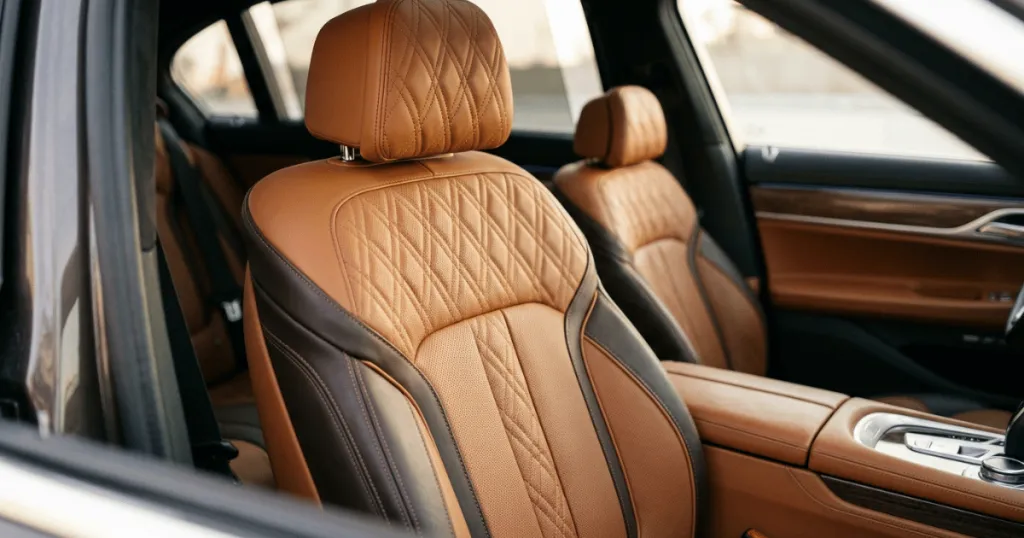
Defining the Characteristics of a Luxury Seat Cover
A true premium interior upgrade is defined by specific material choices and construction standards that differentiate it from mass-market alternatives. These features are not merely cosmetic; they influence how the cover interacts with the seat frame and the passenger over time.
High-Grade Synthetic and Natural Materials
Luxury car seat covers often utilize high-grade polyurethane (PU) leather or premium synthetic composites that are engineered for durability and a soft, supple texture. Unlike standard vinyl, these materials are often multi-layered, featuring a soft-touch top coat that resists cracking and peeling under intense UV exposure. Some premium options also incorporate genuine leather panels in high-wear areas, balancing the breathability of natural hides with the resilience of modern synthetics. This combination ensures that the material quality remains high even after years of exposure to sunlight and fluctuating cabin temperatures.
Precision Tailoring and Fitment
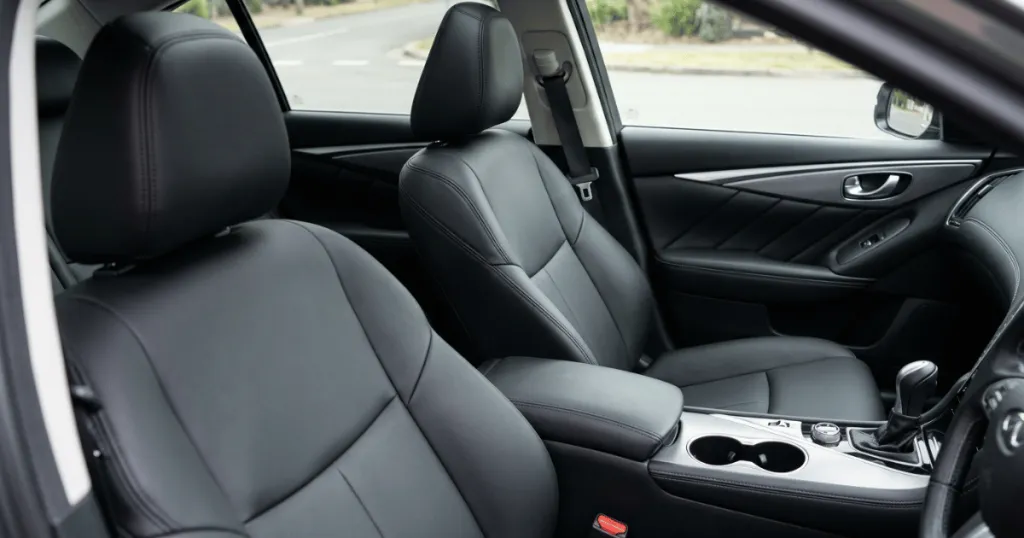
The hallmark of a luxury-grade product is the fit. Rather than a universal, baggy design, these covers are often designed with specific seat contours in mind, utilizing tensioning systems, hidden straps, and precise cutouts to ensure the material sits flush against the original upholstery. This custom-fit approach prevents the shifting and bunching that can occur with lower-quality covers, creating a seamless look that appears as if it were part of the original factory build. When the cover conforms perfectly to the bolsters and headrests, it maintains the intended silhouette of the seat.
Ergonomic Stitching and Padding
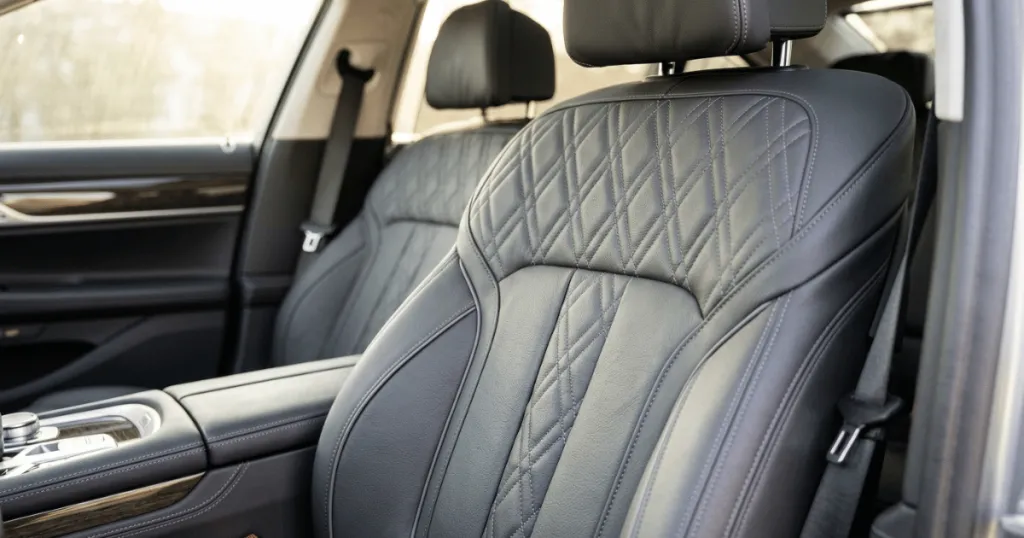
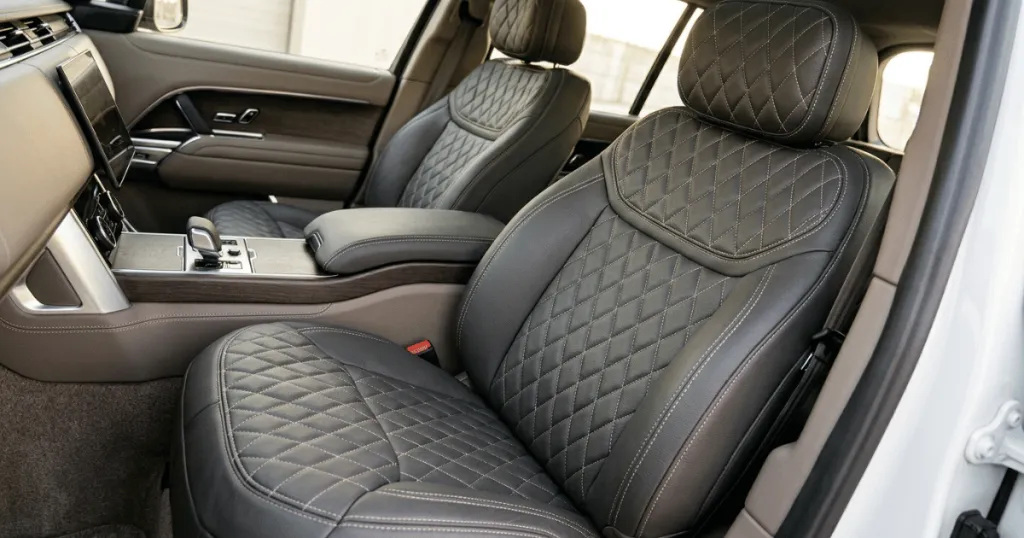
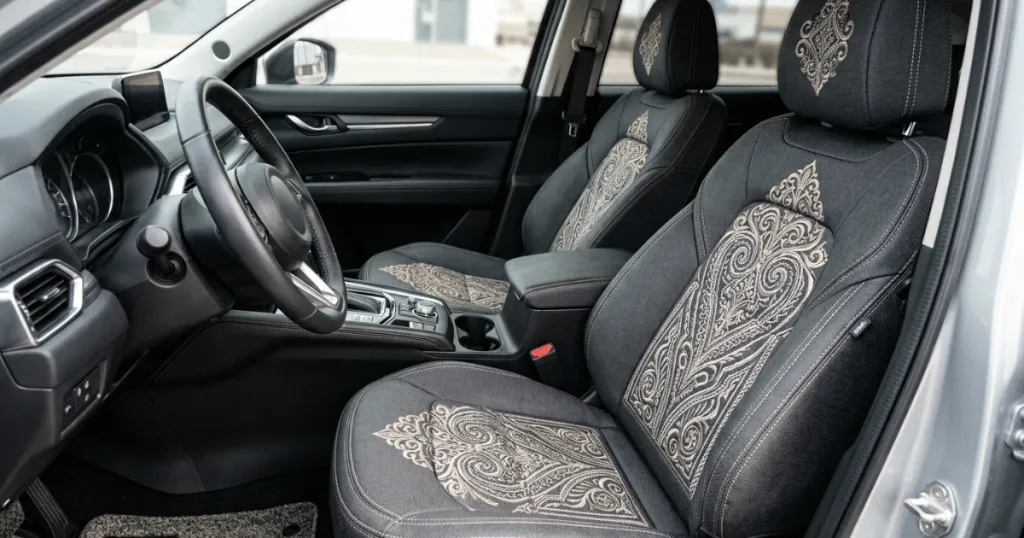
Design details such as diamond-stitch patterns, quilted inserts, or contrast piping serve both aesthetic and functional purposes. These patterns are often backed by high-density foam or specialized mesh layers that provide extra cushioning, reducing pressure points during long commutes. The stitching itself is typically reinforced to maintain its shape, ensuring that the visual impact of the quilted seat cover remains crisp even after years of use. This ergonomic car seat cover design is intended to support the driver’s posture, providing a more stable and comfortable seating surface than the standard factory fabric.
Real-World Context and Daily Use Scenarios
Integrating a premium interior upgrade requires consideration of how you actually use your vehicle. The environment and frequency of use will dictate which features provide the most value for your specific situation.
Daily Commuting and Long-Distance Driving
For drivers spending significant time in their vehicles, comfort is the primary driver for selecting a luxury seat cover. The addition of breathable materials or integrated padding can significantly improve the seating experience, especially in vehicles with older or firmer factory seats. In these scenarios, look for covers that offer a balance of support and temperature regulation, as these features directly impact driver fatigue. A well-padded cover acts as a secondary layer of comfort, absorbing minor vibrations and providing a more plush contact point.
Managing High-Traffic Interior Usage
If your vehicle serves as a family transport or a commercial ride-share, the durability of the luxury finish becomes critical. While these covers are designed to look elegant, they must also withstand frequent entry and exit. A high-quality cover will feature reinforced seams and abrasion-resistant surfaces that protect the original seat fabric from the mechanical stress of sliding in and out of the vehicle, effectively preserving the vehicle’s resale value. By providing a durable outer shell, these covers ensure that the underlying vehicle upholstery remains in pristine condition, which is a significant asset when the time comes to sell or trade in the vehicle.
Climate-Specific Considerations
Temperature management is a common concern for interior upgrades. In hot climates, a luxury seat cover with perforated centers can improve airflow, preventing the material from becoming uncomfortably hot or sticky. Conversely, in colder regions, the added thickness of a quilted or padded cover can provide a layer of insulation, making the initial contact with the seat more comfortable during winter months. Choosing the right material involves weighing how well a specific textile handles heat retention versus airflow in your region.
The Impact of Interior Upgrades on Vehicle Ownership
The decision to install a luxury seat cover is often about more than just aesthetics; it is a practical method for maintaining the long-term condition of your vehicle’s interior. By acting as a barrier, these covers prevent the accumulation of oils, dirt, and UV damage that eventually degrade factory upholstery. This protective barrier is essential for maintaining the interior cabin’s appearance over the life of the vehicle.
When you invest in a higher-tier product, you are essentially purchasing a replaceable layer that takes the brunt of daily wear. This means the original seats remain in pristine condition, which is a significant factor if you plan to trade in or sell the vehicle in the future. The visual upgrade also provides an immediate sense of renewal, making an older vehicle feel more modern and cared for without the expense of professional reupholstery. It is a strategic approach to interior maintenance that prioritizes both current comfort and future value.
Addressing Common Misconceptions About Premium Covers
A frequent misunderstanding is that thicker materials always equate to better quality. In practice, excessive thickness can interfere with the seat’s natural contours and make installation difficult, leading to a loose or sloppy fit. A well-engineered luxury seat cover focuses on the density and quality of the material rather than just its bulk, ensuring that the cover remains flexible enough to conform to the seat’s contours while providing a robust protective barrier.
Another common concern is that premium covers require intensive, specialized care. While they are more refined than basic fabric covers, most modern luxury-grade synthetics are designed for ease of maintenance. They are typically resistant to spills and can be cleaned with a simple wipe-down using a damp cloth or a mild upholstery cleaner. The key is to avoid harsh chemicals that can strip the protective top coat, which is true for both standard and luxury materials alike. By choosing a high-quality product, you are often getting a more durable, easier-to-clean surface than the original fabric or lower-end vinyl alternatives.
Strategic Selection and Installation Considerations
When selecting a luxury seat cover, consider the specific geometry of your seats. Bucket seats, bench seats, and captain’s chairs each require specific design considerations to ensure the cover remains stable. A luxury cover should account for these variations, providing separate pieces for headrests, seat backs, and seat cushions. This modularity not only aids in installation but also ensures that the cover does not interfere with seat adjustments or reclining mechanisms.
Installation is the final step in achieving that factory-look finish. Take the time to properly anchor the straps and hooks, as a loose cover will quickly lose its premium aesthetic. Many high-end covers include detailed guides or tensioning tools to help you achieve a tight, wrinkle-free fit. Remember that the goal is to create a cohesive look that complements the existing interior trim and dashboard design, rather than clashing with it. By considering the color palette and texture of your vehicle’s existing interior, you can select a luxury cover that feels like a natural extension of the cabin’s original design language.
FAQ
How does a luxury seat cover differ from a standard protective cover?
A luxury seat cover typically features higher-quality synthetic or hybrid materials, more precise tailoring for a factory-like fit, and ergonomic design elements like quilted padding or diamond stitching that enhance both comfort and aesthetics.
Do these covers affect the feel of the original seat?
Yes, they often provide a firmer, more cushioned feel due to the additional padding layers. When properly installed, they should feel integrated with the seat rather than loose or shifting.
Can I use these covers in extreme weather conditions?
Yes, but material choice matters. Perforated or breathable materials are better for hot climates to prevent heat buildup, while thicker, quilted options can provide better insulation in colder environments.