For many vehicle owners, the interior is just as significant as the mechanical performance. When you are looking to preserve the character of a classic car or simply want to introduce a nostalgic flair to a modern cabin, a vintage seat cover serves as the primary tool for transformation. These covers are designed to evoke the textures, patterns, and silhouettes common in mid-century or late-twentieth-century automotive design, moving away from the sleek, minimalist trends of today.
Choosing the right style involves more than just picking a color. It requires an understanding of how specific materials and stitching patterns interact with your existing seat frame. Whether you are aiming for a period-correct restoration or a retro-inspired upgrade, the goal is to balance visual authenticity with the practical demands of daily driving. This approach ensures your cabin feels like a cohesive time capsule rather than a collection of mismatched parts.
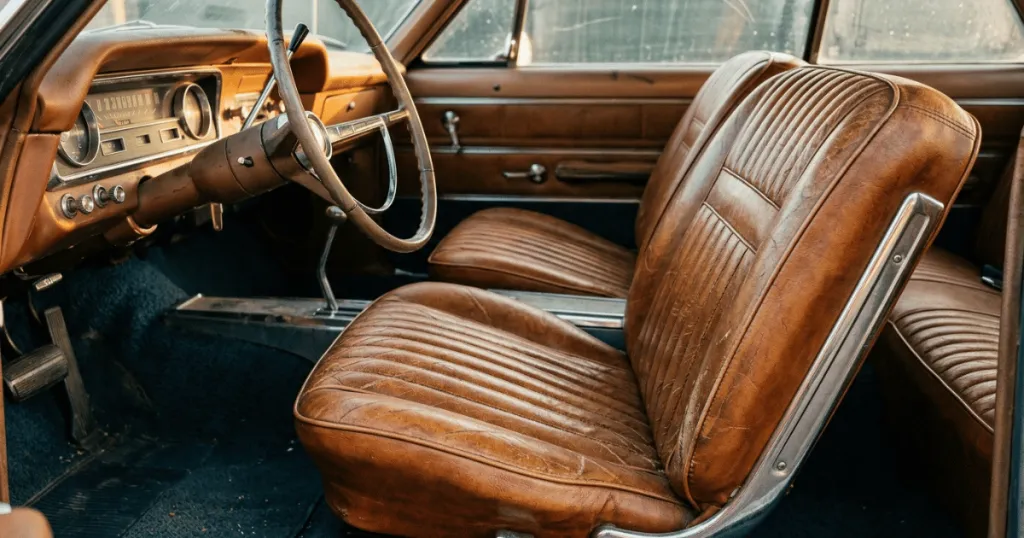
Materials That Define the Retro Look
The material choice is the most critical factor in achieving an authentic vintage appearance. Modern synthetic fabrics often have a sheen or texture that clashes with the desired aesthetic, so selecting materials that mimic historical standards is essential.
Vinyl and Faux Leather Textures
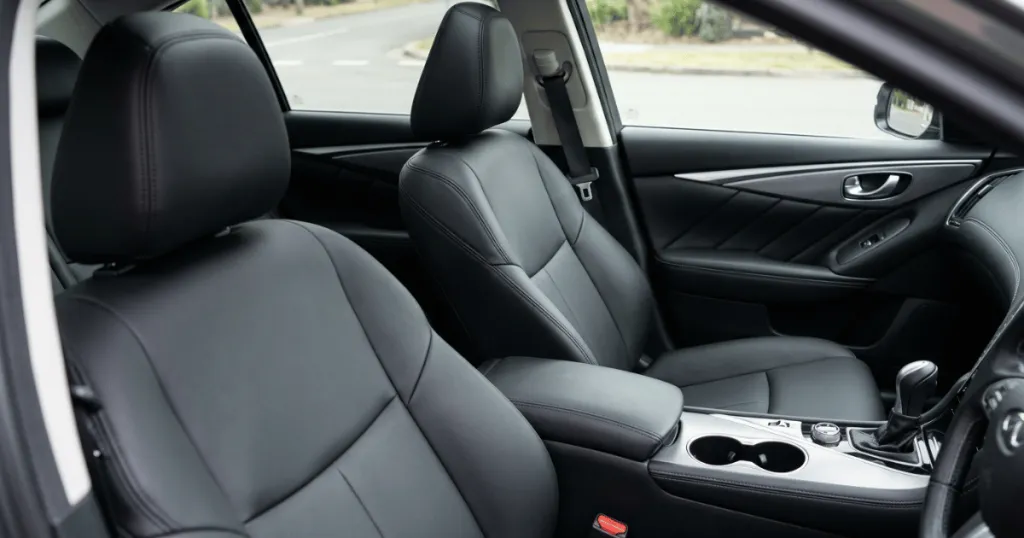
Historically, heavy-grain vinyl was the standard for durable, affordable automotive interiors. To replicate this, look for high-quality faux leather with a deep, pebbled texture. Unlike the smooth, flat surfaces of contemporary luxury vehicles, these vintage-inspired materials offer a tactile quality that feels substantial and firm. They hold their shape well over time, which is crucial for maintaining the crisp lines associated with classic bench seats or bucket seats from the 1960s and 70s.
Woven Fabrics and Tweed
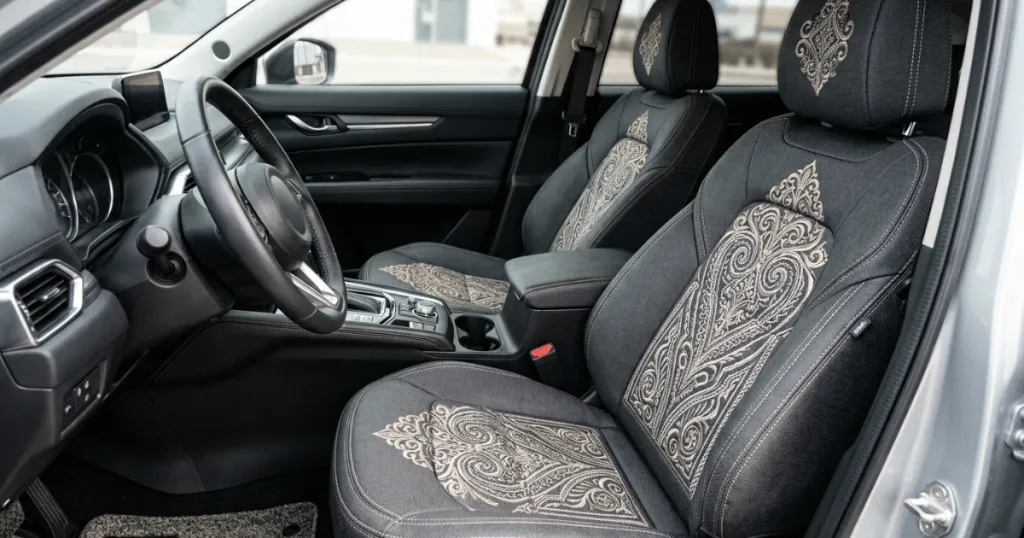
If you prefer a softer, more inviting interior, woven fabrics or tweed-style textiles are excellent choices. These materials were frequently used in family sedans and wagons, offering a breathable alternative to leather. When selecting a vintage seat cover in these fabrics, look for tight, uniform weaves that resist pilling. These materials provide a warm, textured look that instantly softens the interior and creates a comfortable, lived-in atmosphere that feels authentic to the era.
Design Elements and Stitching Patterns
Beyond the material, the way the cover is constructed dictates its visual impact. The specific patterns used in the upholstery can make or break the retro theme you are trying to achieve.
Diamond Stitching and Quilted Finishes
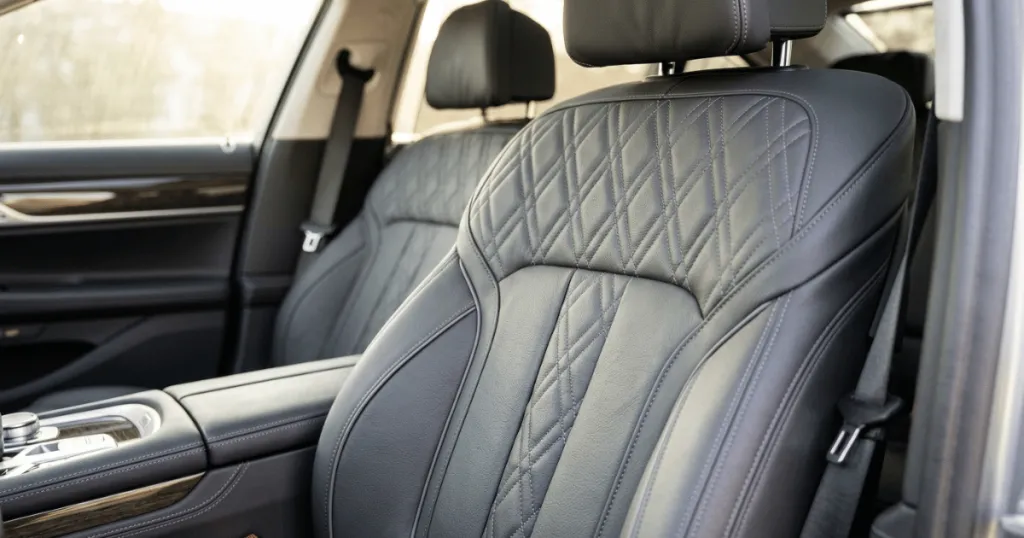
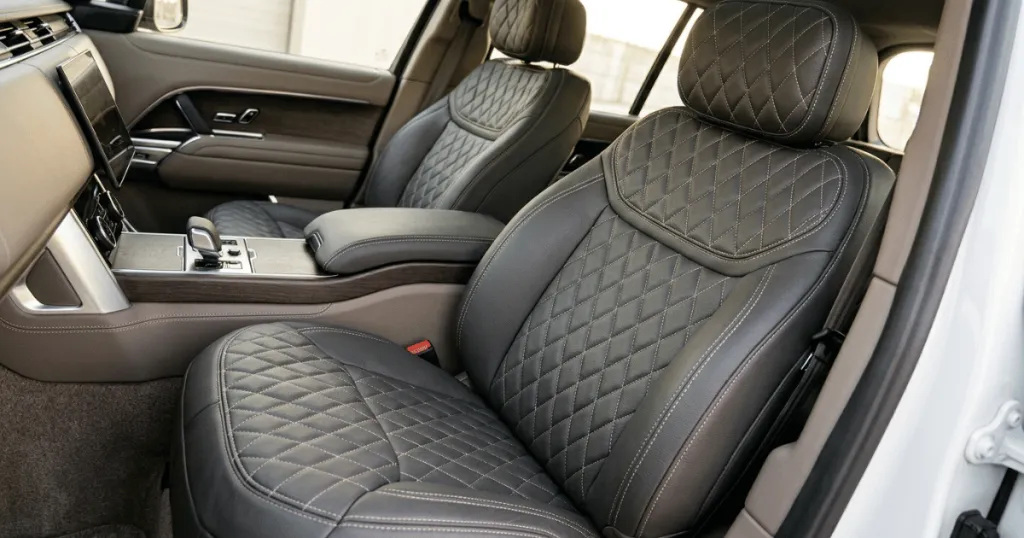
Diamond-stitched patterns are perhaps the most recognizable feature of luxury-leaning vintage interiors. This design creates a sense of depth and opulence, often associated with high-end sports cars and grand tourers of the past. When opting for this style, ensure the thread color complements the primary material, contrasting thread can highlight the pattern, while matching thread offers a more subtle, sophisticated look. This finish is particularly effective on bucket seats where the pattern can be centered on the backrest and cushion.
Vertical and Horizontal Pleating
For a more understated or utilitarian look, vertical or horizontal pleating is the way to go. This design was ubiquitous in the 1950s and 60s, providing a clean, linear aesthetic that emphasizes the length of the seat. Horizontal pleats, in particular, can make a bench seat look wider and more integrated into the cabin. These designs are generally easier to install and maintain, as they do not require the precise alignment that complex diamond patterns demand.
Practical Considerations for Daily Use
While the aesthetic is the primary driver, you must also consider how a vintage seat cover performs under real-world conditions. A classic look should not come at the expense of usability or comfort.
Climate and Breathability
Older vehicles often lacked advanced climate control, so the original upholstery was designed to handle temperature fluctuations. If you live in a hot climate, avoid thick, non-breathable vinyl, which can become uncomfortable during the summer. Instead, opt for a hybrid approach where the center panels of the seat cover use a breathable fabric, while the bolsters use a more durable vinyl to maintain the look. This ensures you get the vintage aesthetic without the discomfort of sticking to your seat.
Installation and Fitment
Achieving a professional look with a vintage seat cover depends heavily on how well it conforms to your seat’s contours. Because many older seat frames have unique curves or non-standard headrest shapes, universal-fit covers may struggle to look authentic. If possible, prioritize covers that offer adjustable tensioning systems, such as hooks, straps, or drawstrings. These allow you to pull the fabric taut, eliminating the loose, baggy appearance that can ruin the effect of a vintage-style interior.
The Importance of Visual Cohesion in Cabin Restoration
The decision to install a vintage seat cover is usually rooted in a desire to honor the history of a vehicle. When you walk into a car, the seats are the first thing you see and the first thing you touch. If the upholstery feels modern or out of place, it breaks the immersion of the driving experience. By selecting materials and patterns that align with the era of your vehicle, you create a sense of continuity that makes the car feel complete.
Furthermore, this choice is about longevity. Classic designs have a timeless quality that does not age as quickly as modern trends. While a high-tech, neon-accented seat cover might look dated in a few years, a well-chosen vintage-style cover, perhaps in a classic tan, deep navy, or forest green, will remain stylish for years to come. It is an investment in the character of your vehicle, ensuring it retains its charm regardless of how many miles you put on the odometer.
Clarifying Realities of Classic-Style Upholstery
Many owners assume that achieving a vintage look requires expensive, custom-made upholstery. In reality, you can achieve a very convincing result with off-the-shelf options, provided you pay attention to the details. The myth that “all seat covers look cheap” usually stems from poor installation or choosing materials that clash with the vehicle’s interior color palette. If you take the time to measure your seats correctly and choose a color that matches or complements the original dashboard and door panels, the result will look intentional and high-quality.
Another common mistake is assuming that a vintage seat cover must be made of genuine leather to be authentic. Many classic cars actually featured high-quality vinyl or cloth, which were often more durable than the leather of the time. Do not feel pressured to pay for genuine leather if your goal is simply to capture a specific look; modern synthetic materials are often more resilient and easier to clean, which is a significant advantage for a daily-driven vehicle.
Evaluating Color Palettes for Period Accuracy
When selecting a vintage seat cover, color selection is just as vital as material texture. Mid-century automotive design often favored earth tones, deep jewel tones, or monochromatic schemes that reflected the exterior paint of the era. For instance, a 1970s-inspired interior might feature shades of avocado green, burnt orange, or mustard yellow, while a 1950s aesthetic often leaned toward two-tone combinations, such as cream and turquoise or white and cherry red. When choosing your cover, consider the contrast between the seat inserts and the bolsters. A two-tone design can break up the visual weight of a large bench seat, making it appear more dynamic and period-correct.
The Role of Piping and Trim
One of the most overlooked details in vintage-style upholstery is the use of piping. Piping, or welt cord, is the thin, raised trim that runs along the seams of the seat. In many classic vehicles, piping was used to define the shape of the seat and add a touch of refinement. When looking for a vintage seat cover, prioritize options that include contrasting or color-matched piping. This small detail adds significant depth to the seat’s silhouette and helps the cover look more like a custom reupholstery job rather than a simple slip-on accessory. It draws the eye along the lines of the seat, emphasizing the craftsmanship of the design.
Managing Expectations for Wear and Tear
While we aim for a vintage look, we must acknowledge that modern usage patterns, such as frequent entry and exit, carrying pets, or daily commuting, can be harsh on upholstery. A vintage seat cover acts as a protective barrier, but it is not invincible. To maintain the aesthetic, choose materials that offer a balance between historical accuracy and modern durability. For example, modern high-grade vinyl is often treated with UV inhibitors to prevent fading, a feature that original 1960s materials lacked. By choosing a modern cover that mimics the look of the past but uses current manufacturing standards, you ensure that your interior remains beautiful for years rather than months.
By focusing on the right textures and period-appropriate patterns, you can effectively use a vintage seat cover to transform your cabin. Whether you are aiming for the luxury of diamond stitching or the simplicity of pleated vinyl, the right choice will enhance your connection to your vehicle and make every drive feel like a trip back in time.
FAQ
Can I use a vintage seat cover on modern bucket seats?
Yes, you can. Many vintage-style seat covers are designed to fit modern bucket seats while providing a retro aesthetic. Focus on finding a cover that accommodates your seat’s specific bolsters and headrest shape to ensure a clean, professional fit.
How do I keep a vintage seat cover looking clean?
Maintenance depends on the material. For vinyl, a simple wipe-down with a damp cloth and mild soap is usually sufficient. For fabric or tweed covers, regular vacuuming and the use of an upholstery-safe cleaner will keep the material looking fresh without damaging the vintage-style weave.
Do these covers work with all seat types?
Most vintage seat covers are designed for standard bucket or bench seats. If your vehicle has unique seating configurations, such as captain’s chairs or integrated armrests, check the manufacturer’s fitment guide to ensure the cover provides adequate coverage without interfering with seat functionality.